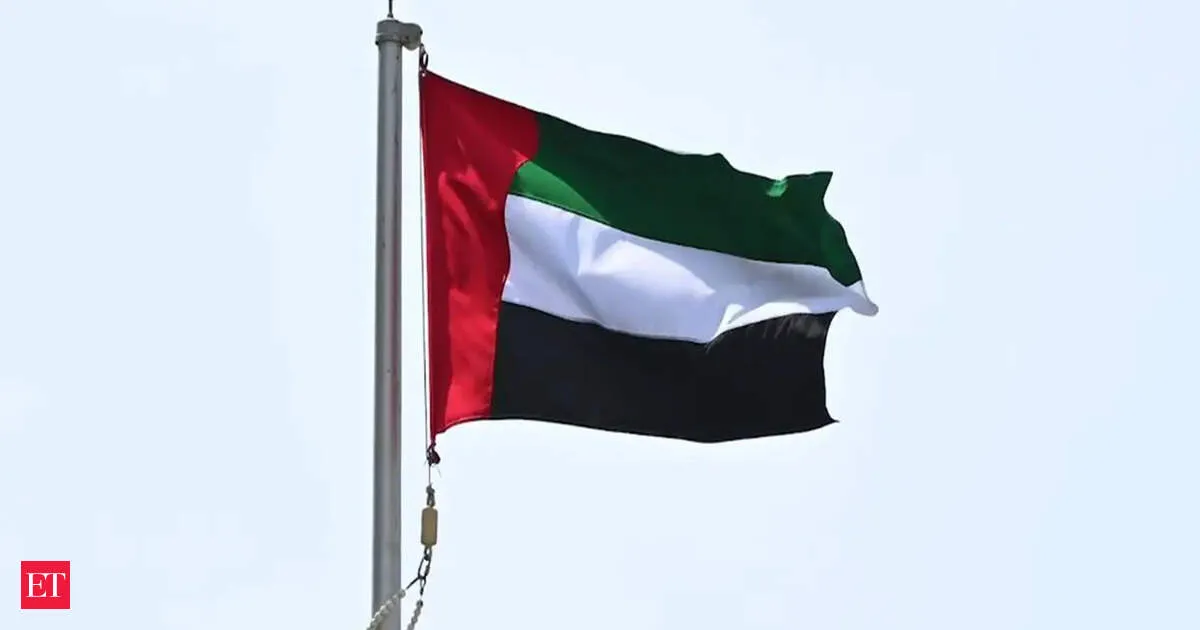
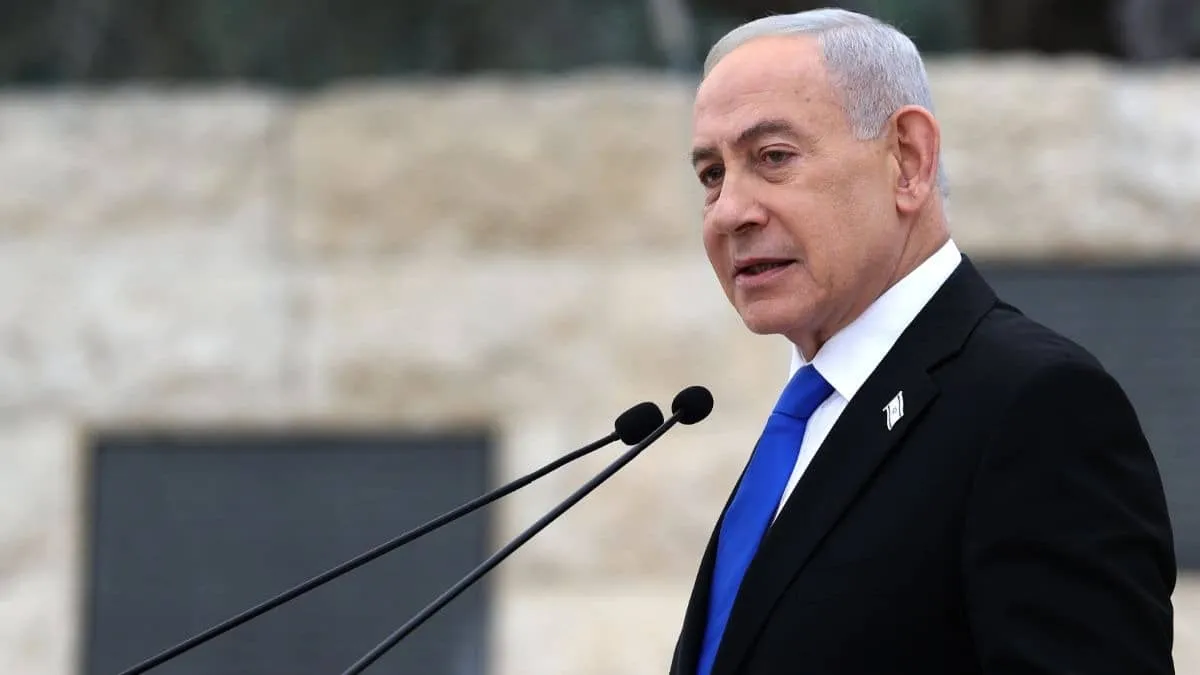
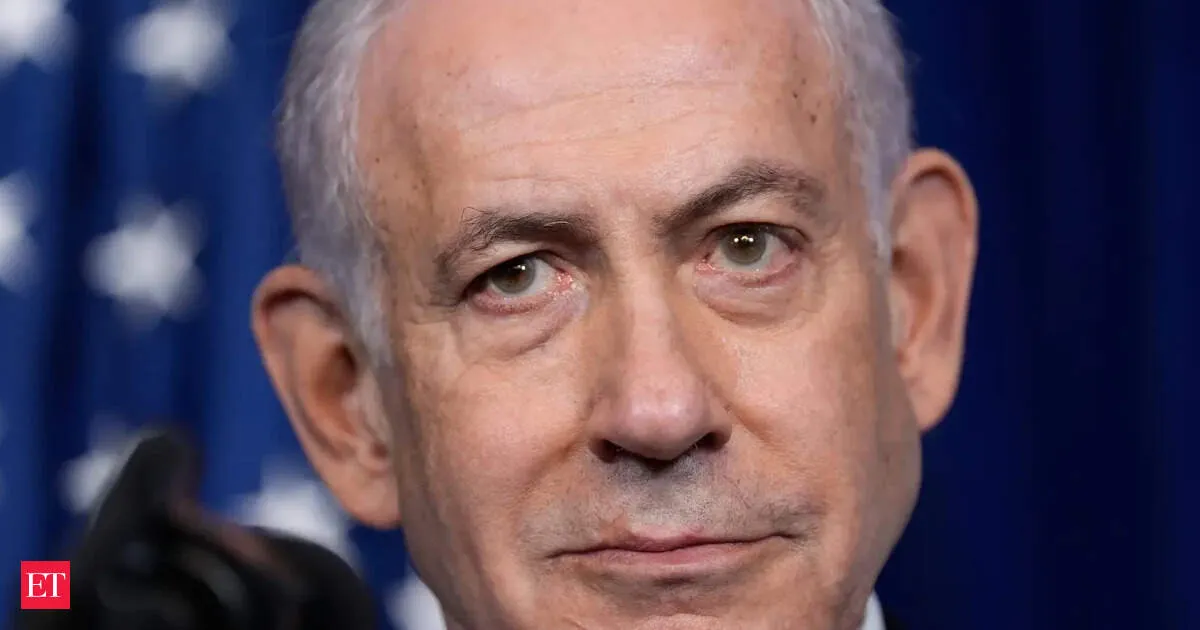
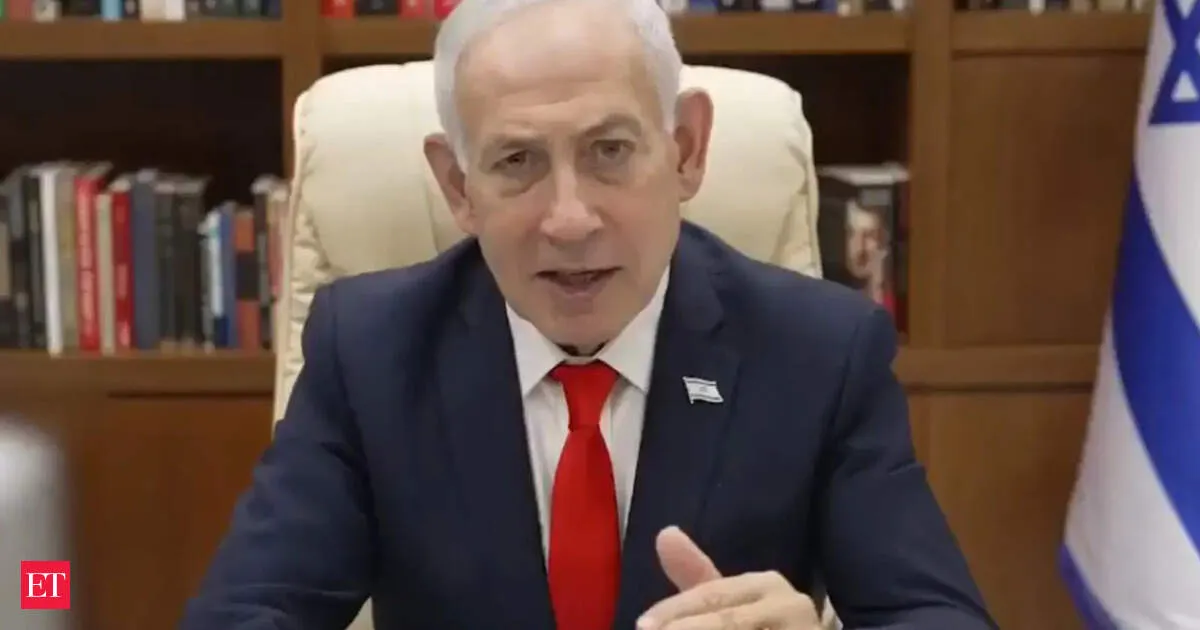
The Israel-UAE relationship, usually handled quietly, was pulled into public view after the US ambassador revealed Israeli Iron Dome personnel and weapons were sent to help protect the UAE from Iranian attacks. Days later, Benjamin Netanyahu said he had secretly visited Abu Dhabi during the war—prompting a fast UAE denial. With tensions rising from the Iran and Gaza conflicts, Gulf states reportedly prefer downplaying Israel ties, even after formal normalization under the Abraham Accords.
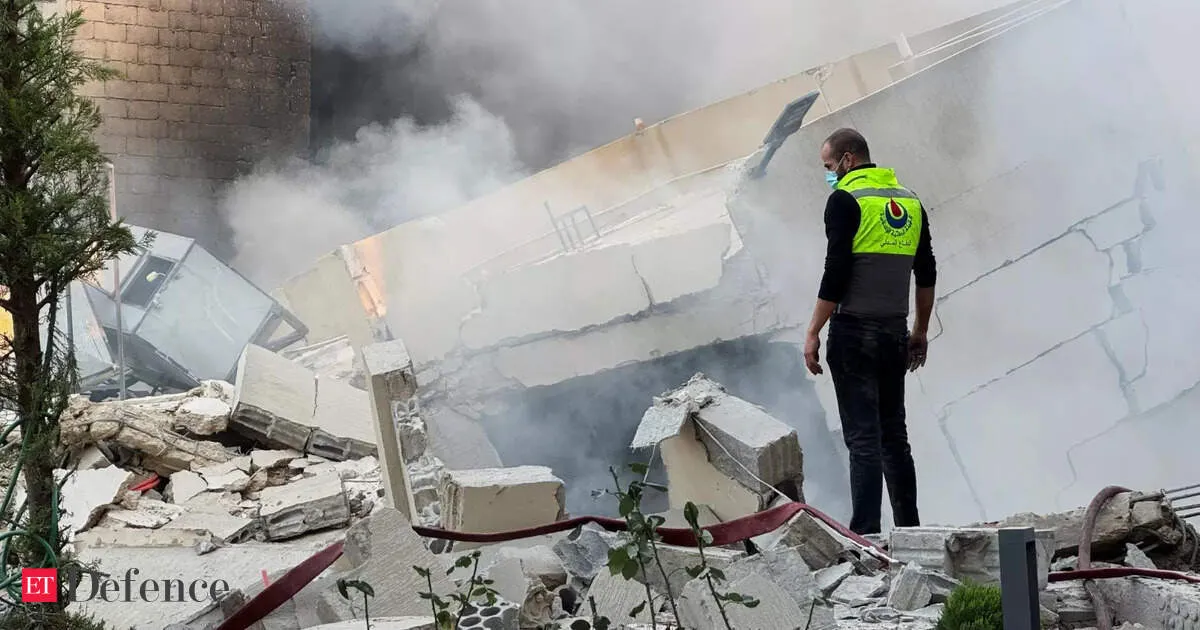
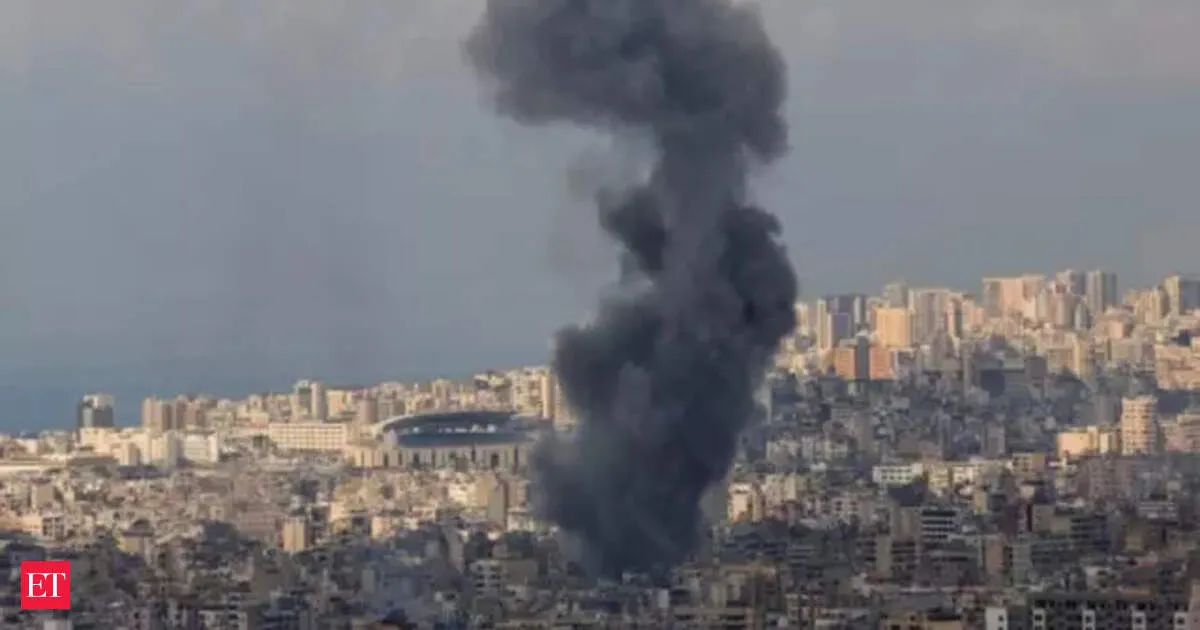
Israel and Lebanon agreed to extend a ceasefire for 45 days and begin expanded talks toward a political settlement, the US said. The deal followed two days of meetings in Washington and negotiations scheduled for early June. But violence continued: Israel carried out new strikes, insisting they were not covered by the truce, including an attack on a Hezbollah-linked medical center in southern Lebanon. Lebanese officials reported deaths, injuries, and renewed displacement, while the UN warned of an “unacceptable” civilian toll.
Your news, in seconds
Get the Beige app — every story in 60 words, updated hourly. Free on iOS & Android.
Israel and Lebanon have agreed to extend their ceasefire by 45 days after two days of negotiations in Washington, where US facilitation helped both sides lock in more talks. The extension, announced by the US State Department, keeps hostilities paused in southern Lebanon as the April 16 cessation was set to expire. Officials say discussions aim to progress beyond decades of tension: a new Pentagon-led security track begins May 29, while political negotiations are set for June 2–3.
Facing repeated Iranian missile barrages that threatened its economy, the UAE has pulled closer to Israel, even widening a rift with Saudi Arabia. Abu Dhabi reportedly received Israeli Iron Dome air-defence support, viewing it as protection essential to economic recovery. The move increases pressure with Tehran, which the UAE sees as its main threat, while also complicating relations with Saudi Arabia and other Gulf states that still treat Israel normalization as highly sensitive, especially after Gaza.
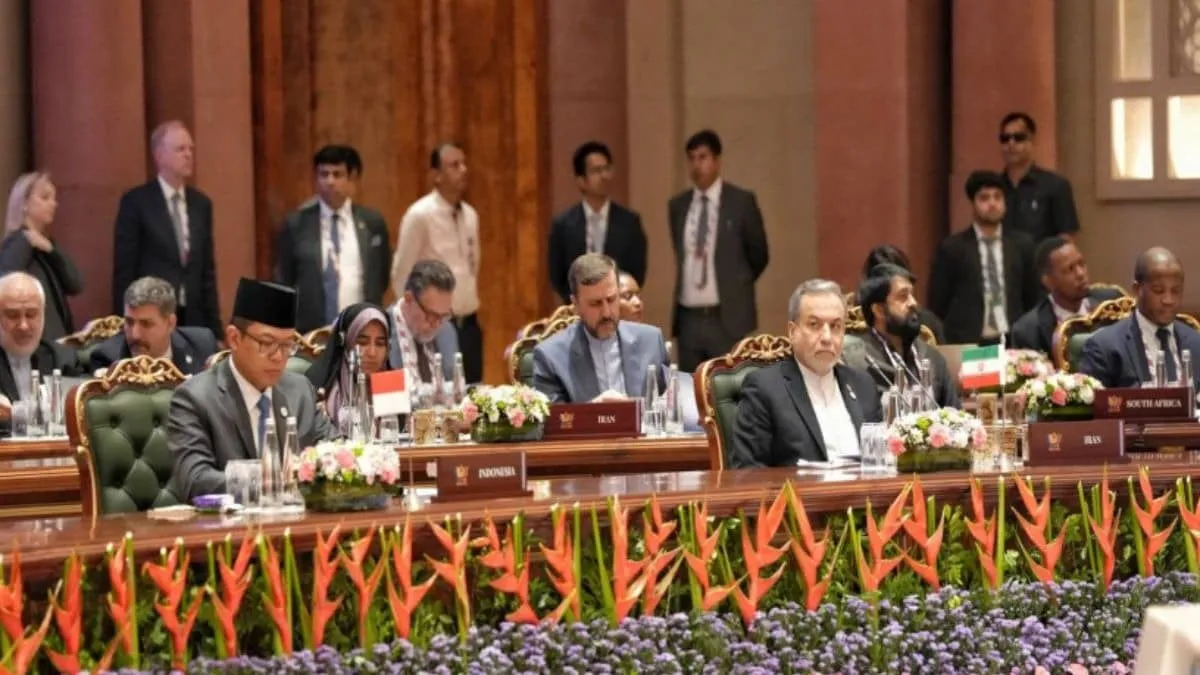
Iran’s foreign minister Seyyed Abbas Araghchi urged BRICS states, and the wider international community, to “unequivocally condemn” alleged violations of international law by the United States and Israel. Speaking at the BRICS Foreign Ministers’ Meeting in New Delhi, he framed the West Asia escalation as a defense of the Global South against Western “hegemony,” citing violations of sovereignty, coercive pressure, and impunity. Araghchi called for practical steps to stop warmongering and avoid politicising international institutions.
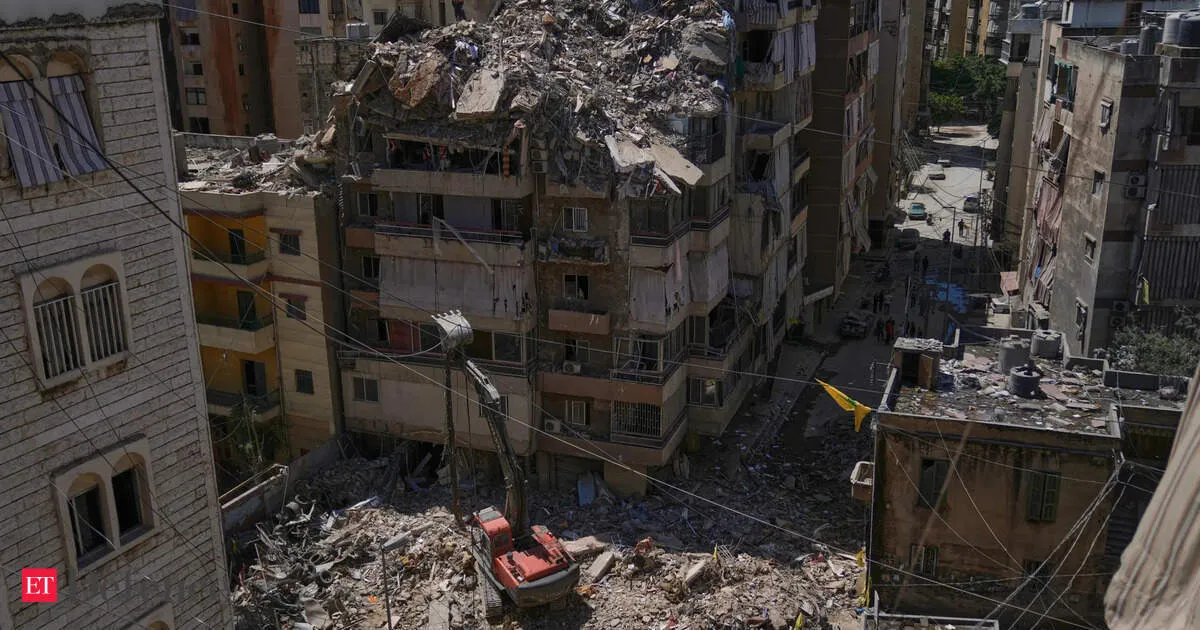
Israeli airstrikes in Lebanon killed 22 people, including children, amid rapidly escalating violence. The raids occurred just before crucial Lebanon and Israel talks in Washington, adding to fears that a recently announced ceasefire is unraveling. Reports say homes were damaged and destroyed, underscoring the intensity of the renewed attacks as diplomats prepare to meet.
Never miss a story
Set alerts for the topics and sources you care about. Download Beige for free.
The UAE has rejected claims that Israeli Prime Minister Benjamin Netanyahu secretly traveled to the country during wartime to meet President Sheikh Mohammed bin Zayed. The UAE foreign ministry called the reports “entirely unfounded,” disputing a statement from Netanyahu’s office. The denial raises questions about who is driving the narrative amid heightened regional tensions.
Israel’s ruling coalition has submitted a proposal to dissolve parliament, setting the stage for early elections. The move follows mounting pressure on Prime Minister Benjamin Netanyahu from ultra-Orthodox parties, as his long tenure faces fresh political strain. Netanyahu has led Israel for more than 18 years across multiple terms, making this shake-up particularly consequential.
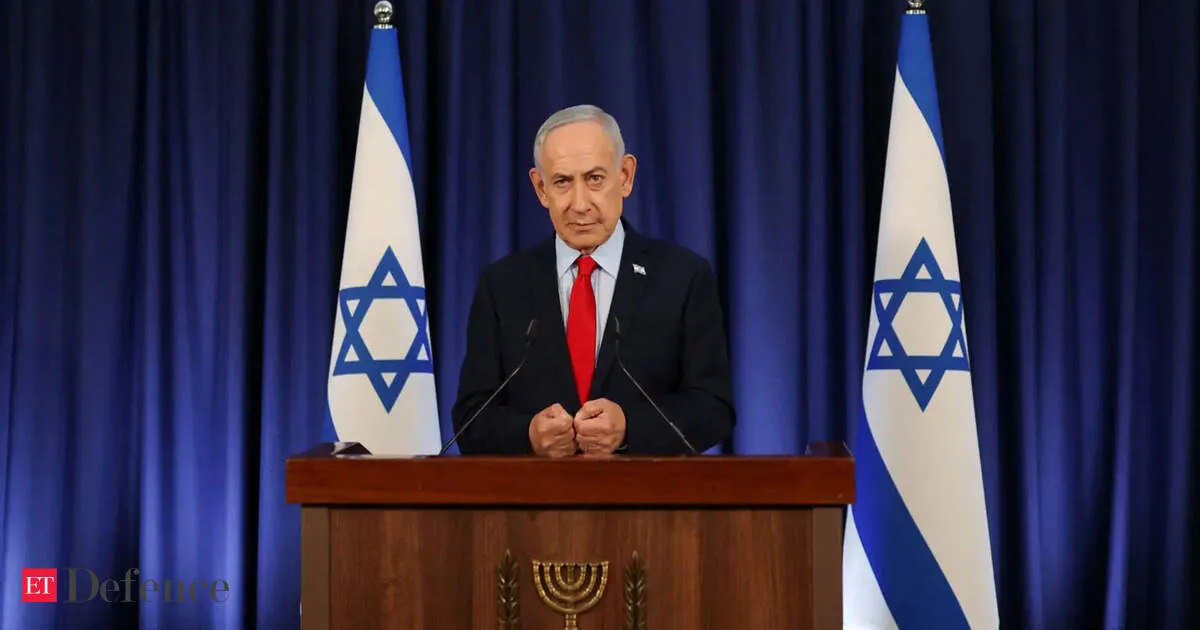
Israeli Prime Minister Benjamin Netanyahu reportedly held a secret meeting with UAE President Sheikh Mohammed bin Zayed Al Nahyan during the ongoing conflict with Iran. The talks, framed as a historic step in Israel UAE relations, come as the UAE has faced repeated missile and drone attacks. Officials describe the exchange as a major breakthrough, underscoring shifting regional alignments.
An Israeli commission report alleges Hamas and allied forces carried out systematic, widespread sexual violence during the Oct 7 attack and against hostages. Drawing on earlier investigations including UN findings, the report describes abuse and torture and concludes the acts amount to war crimes. Hamas denies such accusations, while the commission says the goal is to ensure victims’ suffering is not forgotten.
Reading on mobile?
Open Beige in the app for a smoother experience — free on iOS and Android.
An eight-year-old boy exploring rocks in Israel’s Ramon Crater discovered a carved fragment of a statuette dating back about 1,700 years. The artifact, likely linked to Roman or Nabataean religious figures, was reportedly found along the ancient Spice Route. Researchers say the find underscores how intensely goods, ideas, and cultures moved through the region long ago.
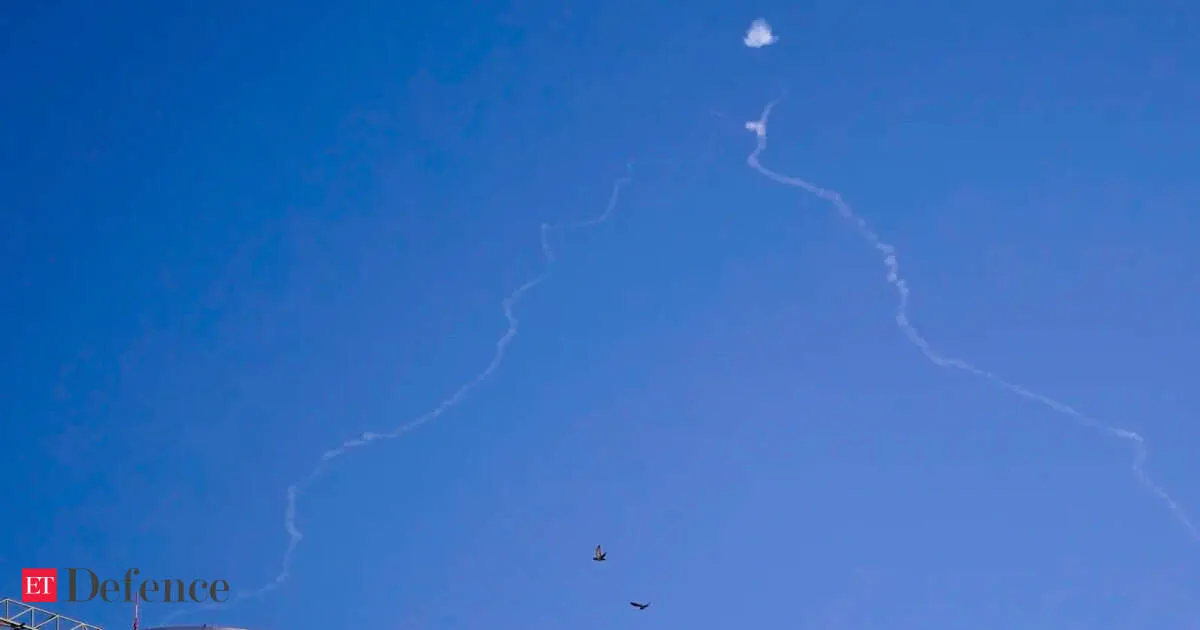
Israel has reportedly sent Iron Dome air defense batteries and personnel to the United Arab Emirates, a step aimed at countering potential Iranian attacks. The deployment further cements cooperation under the Abraham Accords. Emirati officials have indicated they see the move as likely to improve bilateral relations if threats materialize.
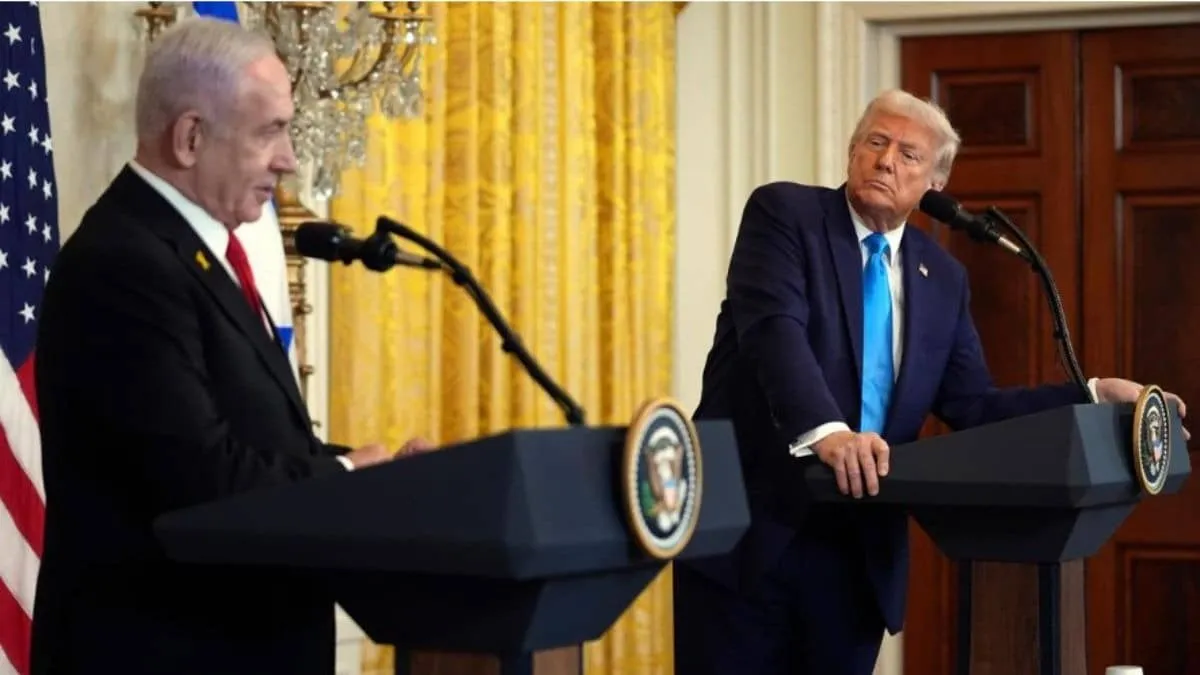
Israeli Prime Minister Benjamin Netanyahu said Israel aims to phase out American financial support, targeting a drawdown to zero within the next decade. Speaking amid heightened Iran concerns, he argued it is the “right time” to reset the relationship and said Israel will deepen ties with Gulf states to offset the shift. The move signals a potentially major reordering of security and funding priorities.
Israeli Prime Minister Benjamin Netanyahu said the Iran confrontation is “not over” despite a US-supported ceasefire, arguing the nuclear threat was degraded but not eliminated. Speaking to CBS News, he urged Iran to remove its near-bomb-grade enriched uranium stockpile and dismantle enrichment sites, warning tensions are rising as US-Iran clashes continue amid Gulf concerns.
Follow your favourite sources
Track sources, tags and categories — all in the Beige app.
Israeli Prime Minister Benjamin Netanyahu says the US-Israeli war against Iran cannot be considered over until Iran’s stockpile of enriched uranium is “taken out.” In an interview, he added that other war aims remain unfulfilled, signalling no immediate resolution despite the ongoing conflict. The comments intensify pressure on the nuclear issue as a key condition for any pause.
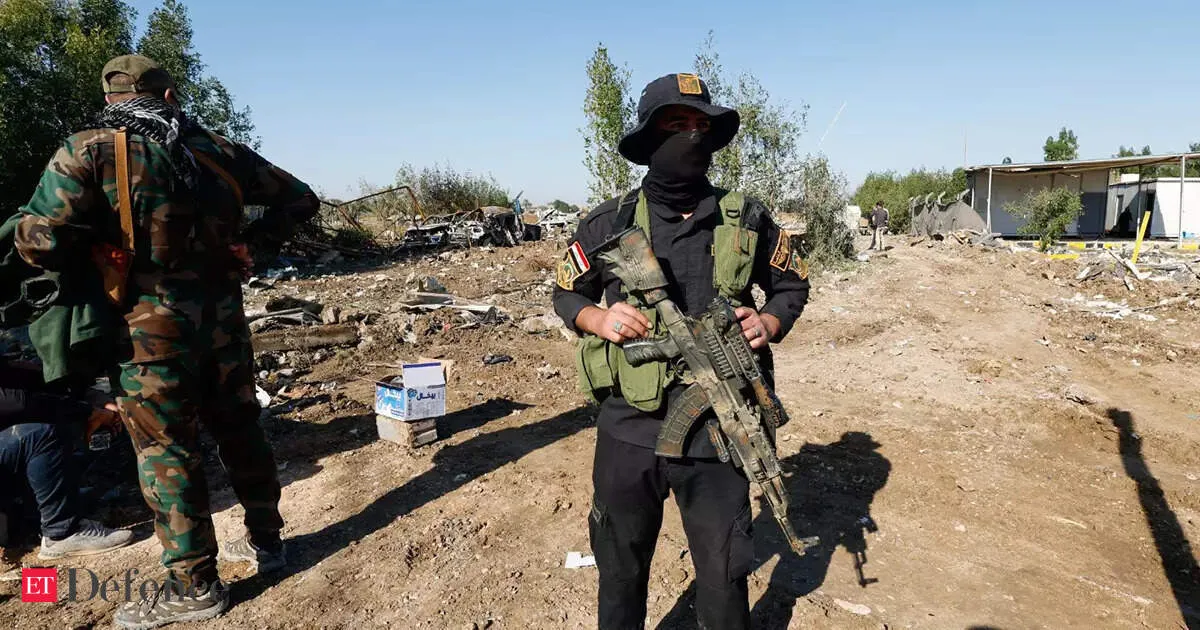
Security sources say Israeli forces operated from a covert base in Iraq’s Najaf desert during the Iran war, using an abandoned airstrip to support aerial missions. Despite the secrecy, the location reportedly failed to prevent deadly clashes with Iraqi troops, triggering intense conflict and casualties.
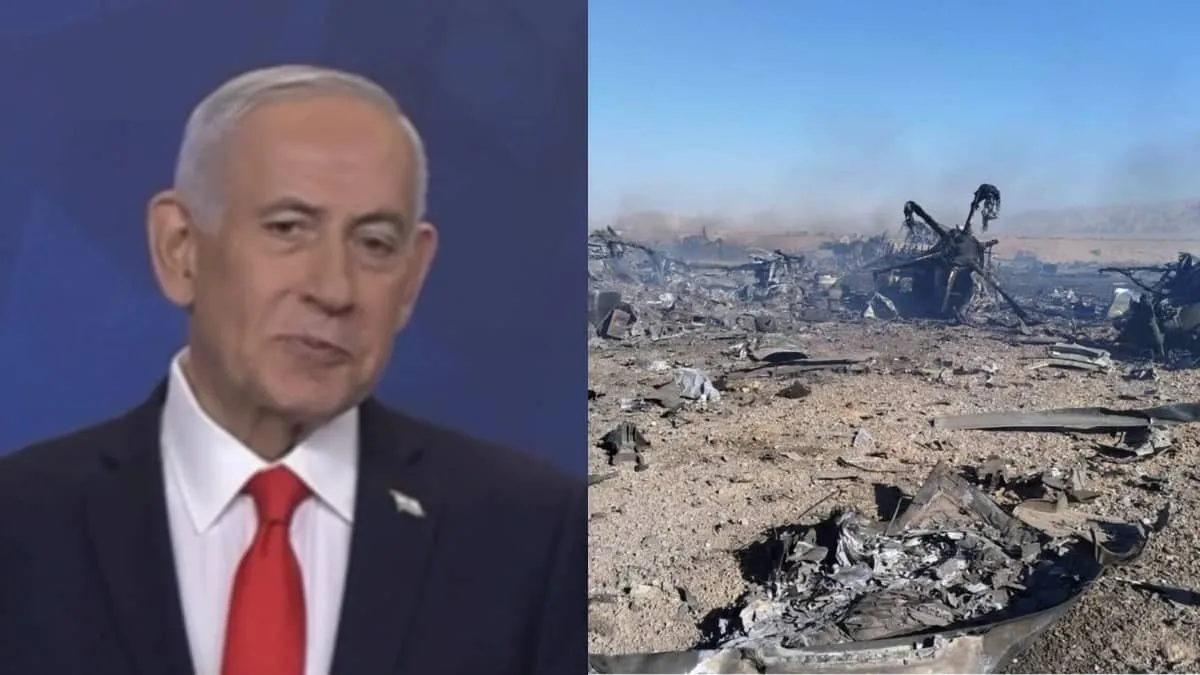
A report says Israel set up a secret military outpost in Iraq’s desert to back operations against Iran, including special forces and a logistics hub. The base was reportedly close to being discovered by Iraqi troops in March, with Israeli airstrikes allegedly used to deter them and keep the site hidden. The account adds to mounting regional shadow-war concerns.
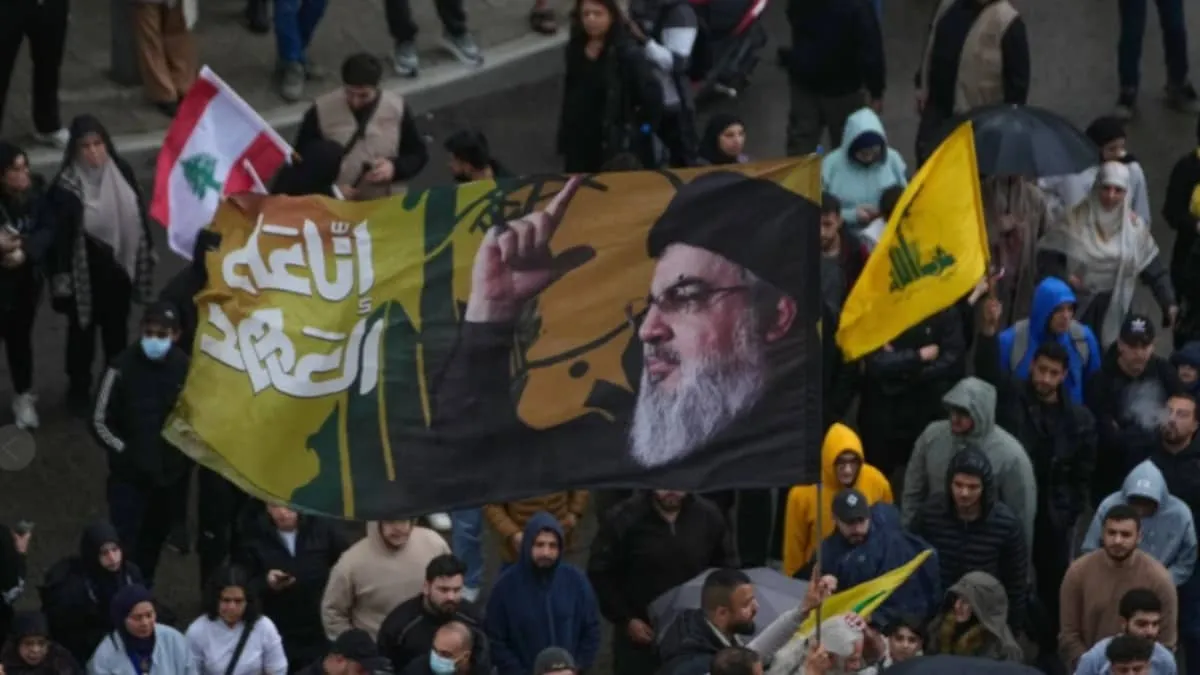
Hezbollah says it carried out a targeted drone attack on Israeli soldiers near Misgav Am in northern Israel, after repeated Israeli strikes hit Lebanon. Both sides reported exchanges of fire, while Israeli forces carried out extensive strikes on Hezbollah infrastructure. Lebanese authorities also reported casualties from the attacks as tensions continue to escalate.
Stay informed on the go
Bite-sized news from 100+ trusted sources, right in your pocket.
Israel’s military has urged residents in nine southern Lebanon villages to evacuate immediately, warning people to stay at least 1,000 metres from populated areas as attacks on Hezbollah are expected. The move comes despite a Lebanon truce meant to halt fighting, raising fresh fears of escalation along the border.
Israeli Prime Minister Benjamin Netanyahu said Israel eliminated a Hezbollah Radwan force commander in Beirut, calling it a message to Israel’s enemies that “no terrorist is immune.” In a video released by his office, Netanyahu framed the strike as a direct warning: anyone threatening Israel’s state would face death for their actions.
Swipe through stories, personalise your feed, and save articles for later — all on the app.