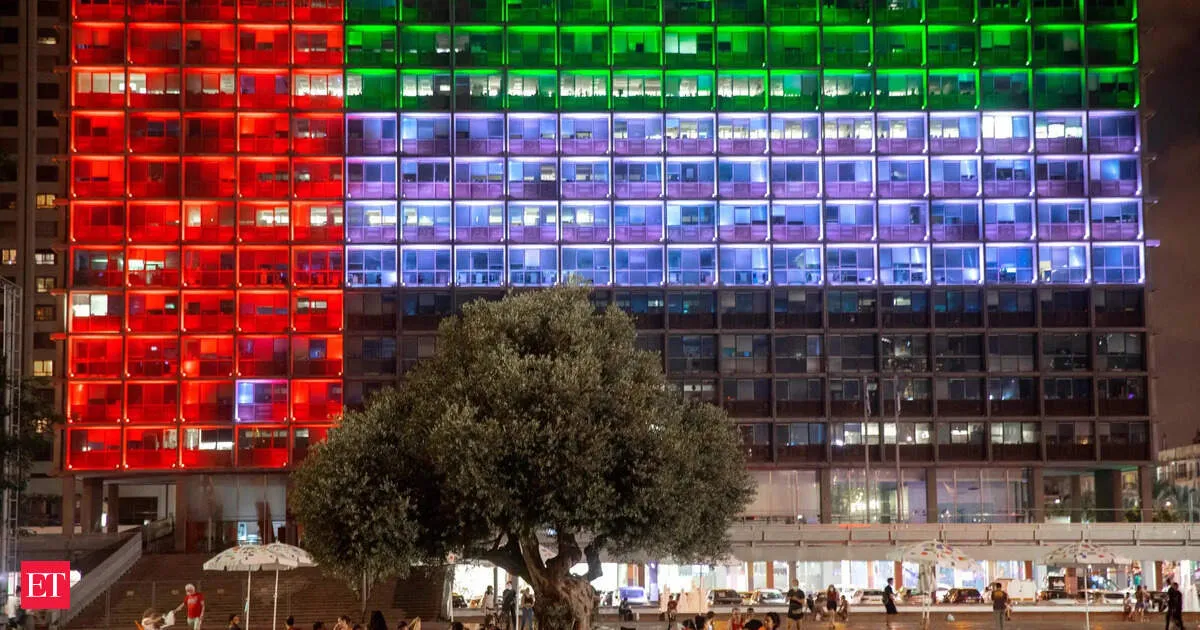
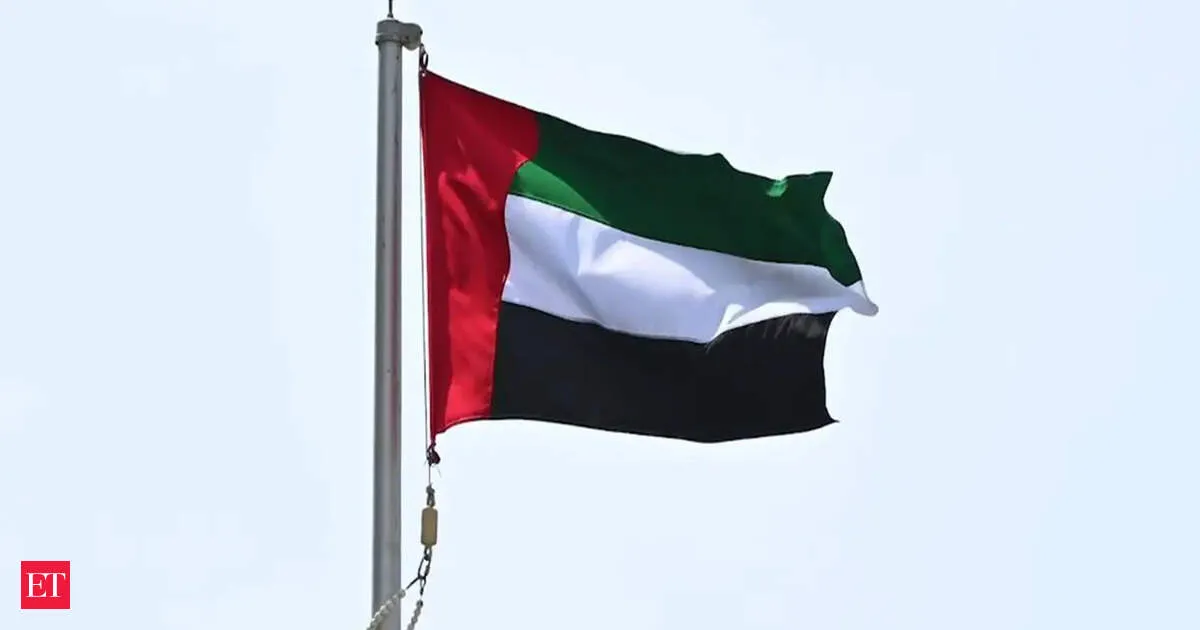
The Israel-UAE relationship, usually handled quietly, was pulled into public view after the US ambassador revealed Israeli Iron Dome personnel and weapons were sent to help protect the UAE from Iranian attacks. Days later, Benjamin Netanyahu said he had secretly visited Abu Dhabi during the war—prompting a fast UAE denial. With tensions rising from the Iran and Gaza conflicts, Gulf states reportedly prefer downplaying Israel ties, even after formal normalization under the Abraham Accords.
Facing repeated Iranian missile barrages that threatened its economy, the UAE has pulled closer to Israel, even widening a rift with Saudi Arabia. Abu Dhabi reportedly received Israeli Iron Dome air-defence support, viewing it as protection essential to economic recovery. The move increases pressure with Tehran, which the UAE sees as its main threat, while also complicating relations with Saudi Arabia and other Gulf states that still treat Israel normalization as highly sensitive, especially after Gaza.
Your news, in seconds
Get the Beige app — every story in 60 words, updated hourly. Free on iOS & Android.
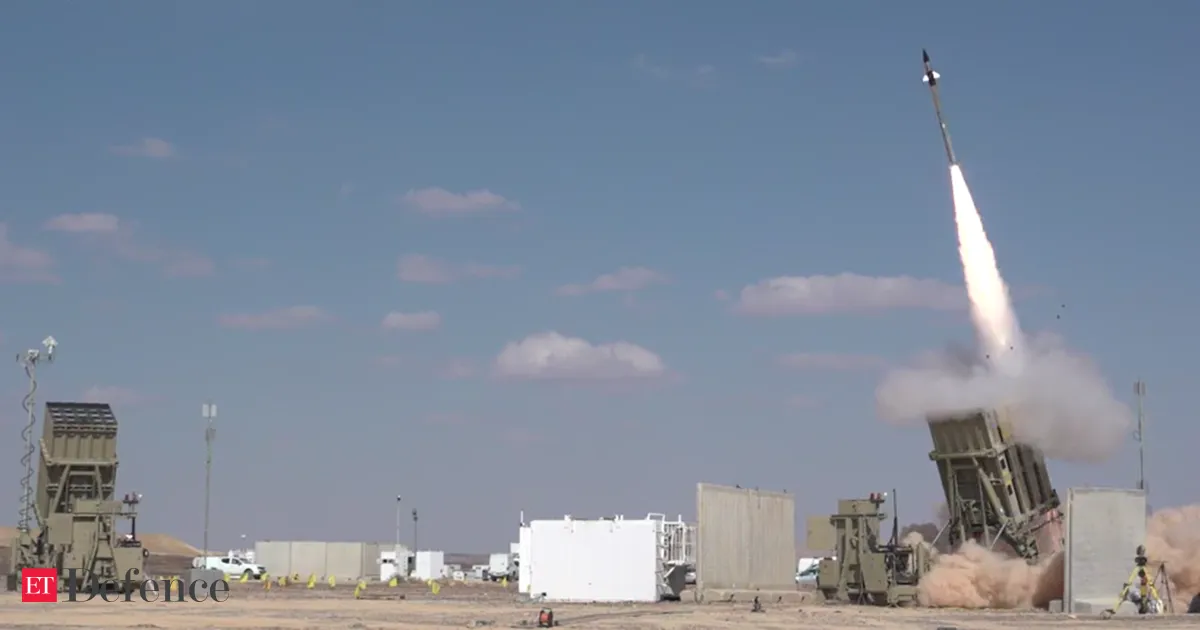
Israel has reportedly sent Iron Dome air defense batteries and personnel to the United Arab Emirates, a step aimed at countering potential Iranian attacks. The deployment further cements cooperation under the Abraham Accords. Emirati officials have indicated they see the move as likely to improve bilateral relations if threats materialize.
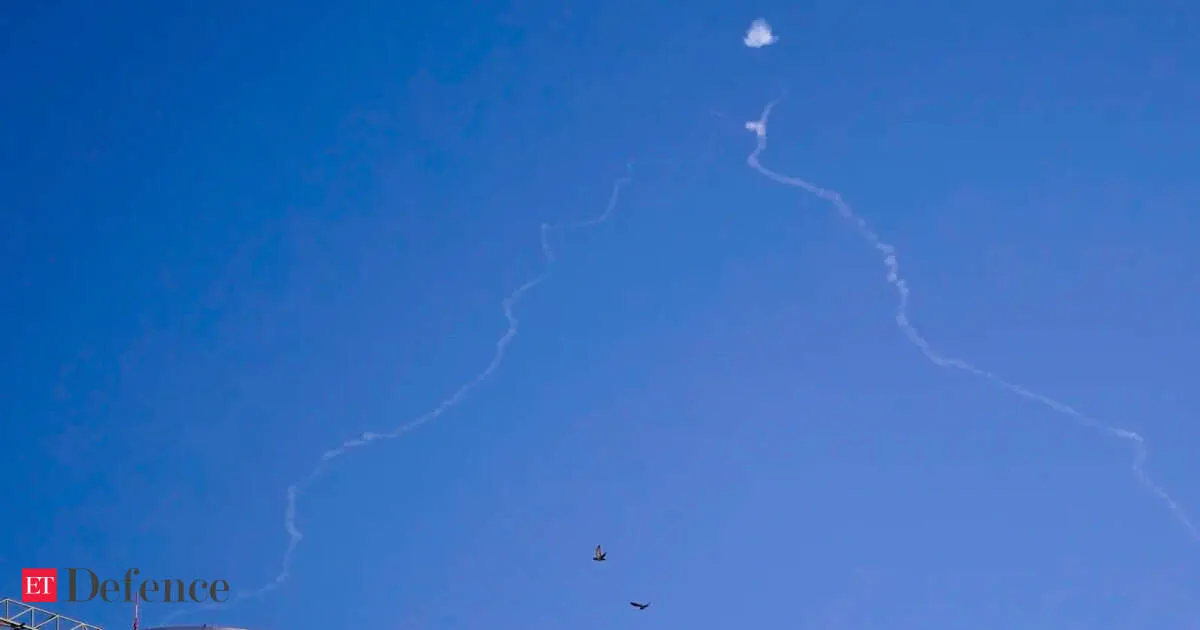
Israel has deployed its Iron Dome air defense system in the United Arab Emirates for the first time outside its own territory, responding to repeated Iranian missile and drone attacks. The reported interceptions of dozens of incoming projectiles mark a major step-up in regional military cooperation since the Abraham Accords, underscoring rising security pressure across the Gulf.
Swipe through stories, personalise your feed, and save articles for later — all on the app.