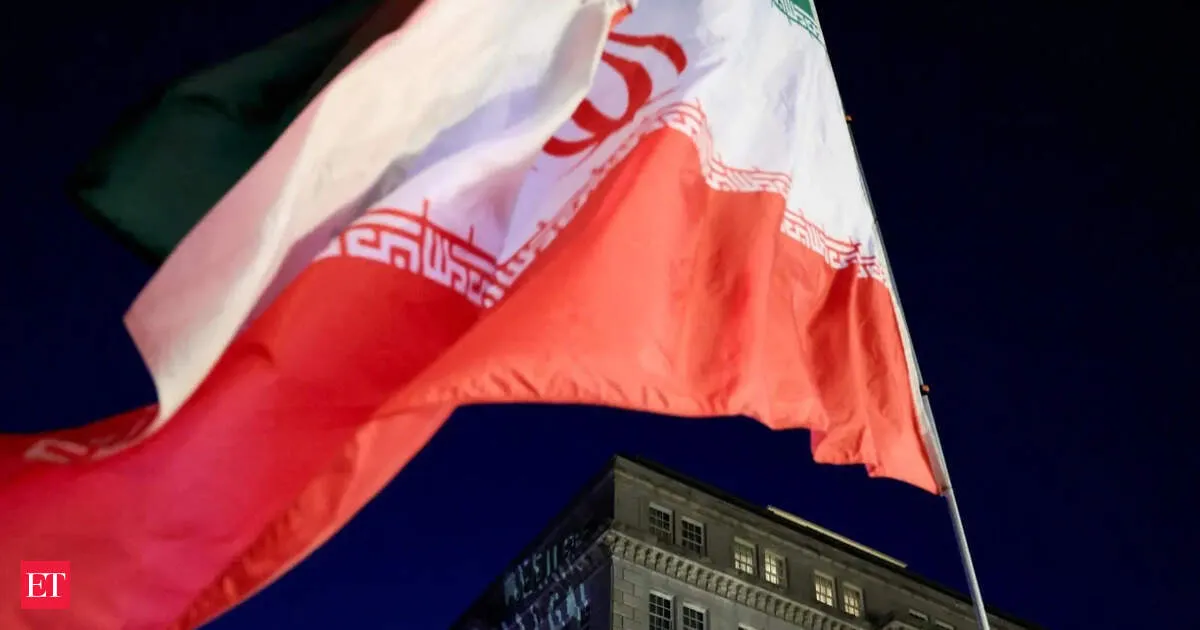
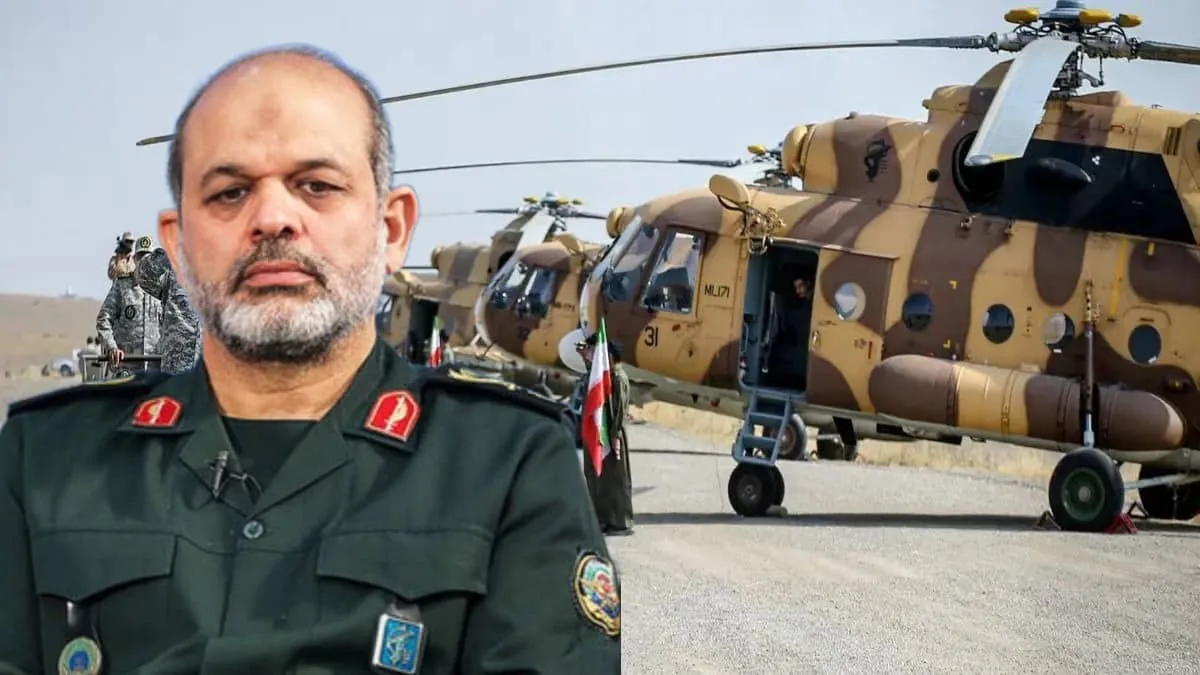
The US State Department has announced a reward of up to $15 million for intelligence that could help dismantle Iran’s Islamic Revolutionary Guard Corps funding networks. The effort aims to choke off illicit oil operations and financial channels allegedly linked to terrorism and regional instability, seeking actionable information that could shift the broader security landscape.
The US has announced new sanctions targeting three individuals and nine companies accused of facilitating Iran’s oil shipments to China. The action is designed to disrupt funding flowing to Iran’s Islamic Revolutionary Guard Corps and its weapons programs. Coming after earlier measures, the move also sets the stage for a planned meeting between US and Chinese leaders.
Your news, in seconds
Get the Beige app — every story in 60 words, updated hourly. Free on iOS & Android.
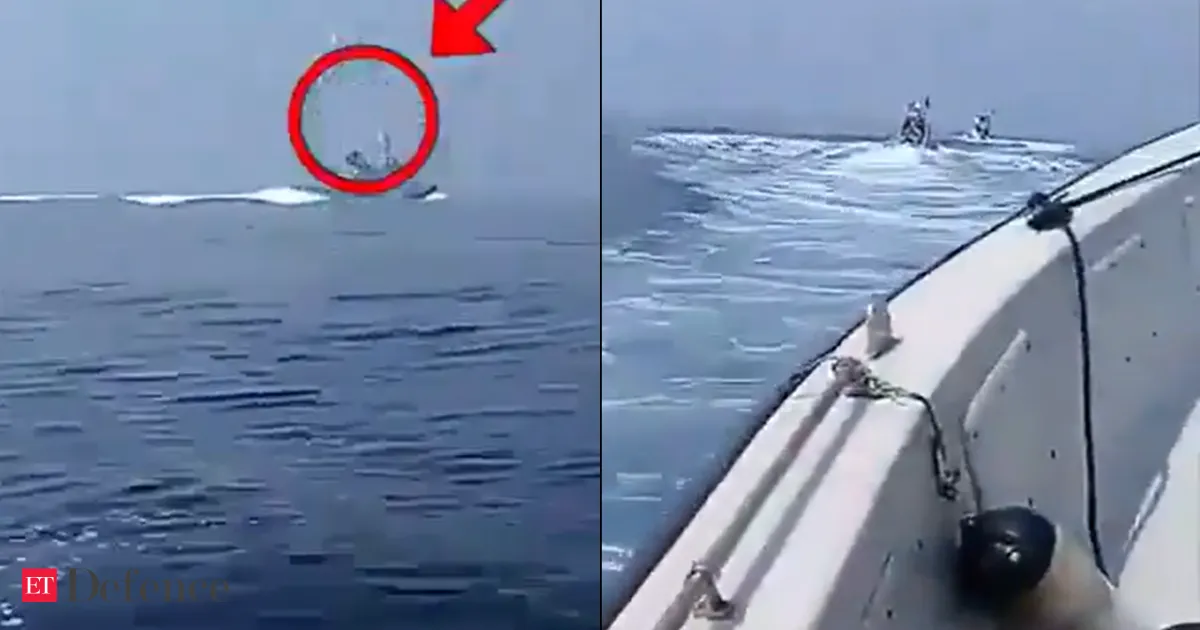
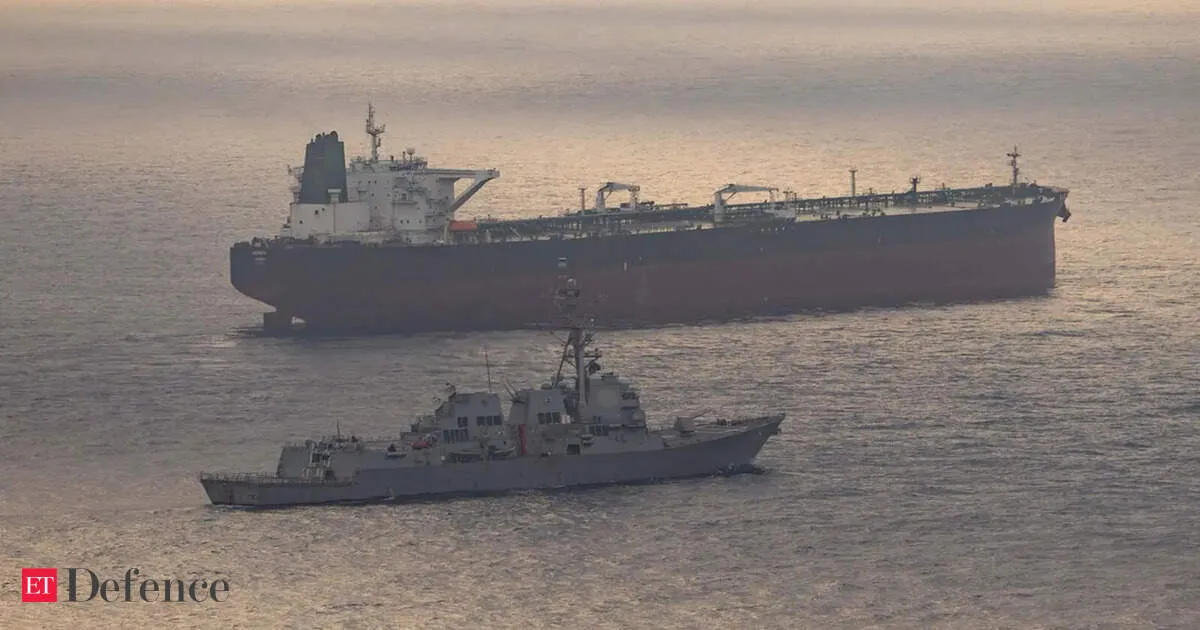
Iran’s embassy has released a video alleging speed boats chased a US warship in the Persian Gulf, featuring an officer taunting American forces. The IRGC followed with a stern warning of “heavy assault” on US assets if Iranian oil tankers are targeted. The move comes amid fresh US-Iran tensions, including US forces disabling Iranian tankers in the Gulf of Oman.
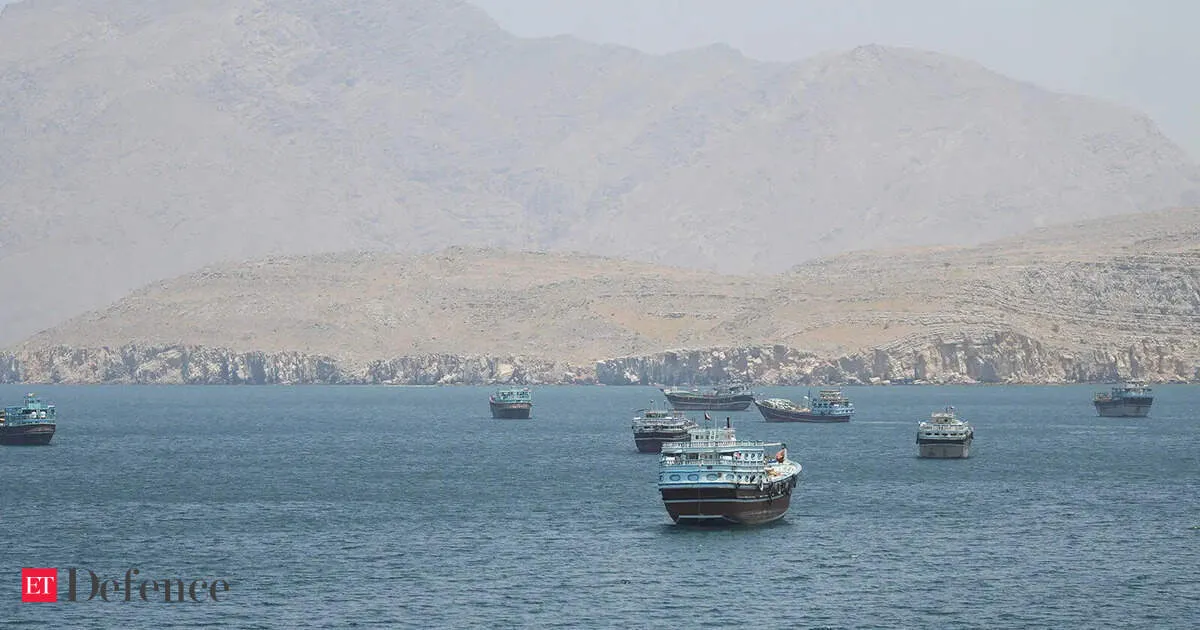
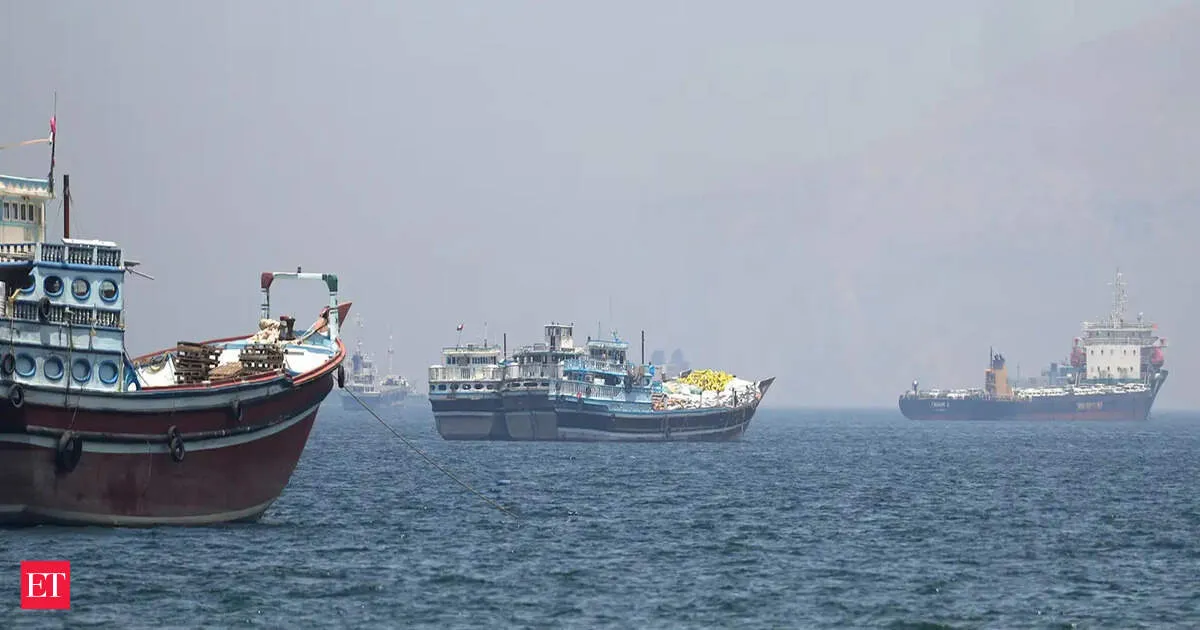
Iran’s IRGC has warned the United States against striking Iranian oil tankers in the Persian Gulf, saying any aggression would trigger a significant attack on American military ships and bases. The warning follows recent exchanges of fire near the Strait of Hormuz, underscoring rising tensions as both sides trade threats over maritime security and regional shipping lanes.
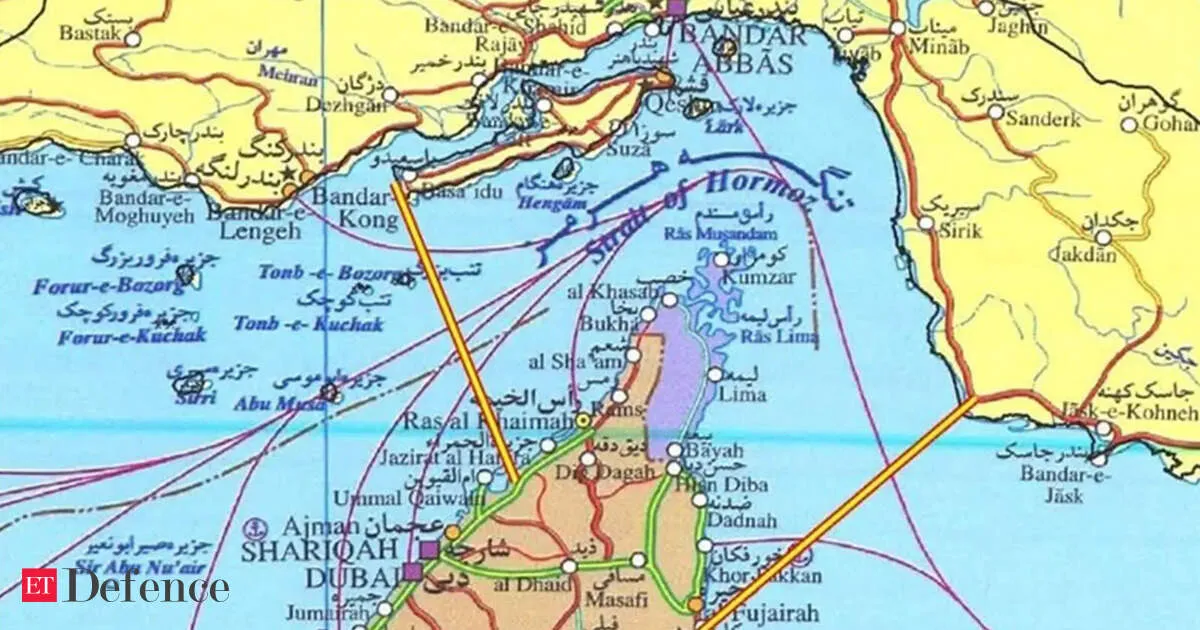
Iran has rolled out a new maritime traffic system for the Strait of Hormuz, requiring ships to obtain prior authorization before transiting the strategic waterway. Iran says it is a sovereign governance framework, with electronic instructions issued to set passage rules. The IRGC Navy has also warned vessels to follow designated corridor guidance.
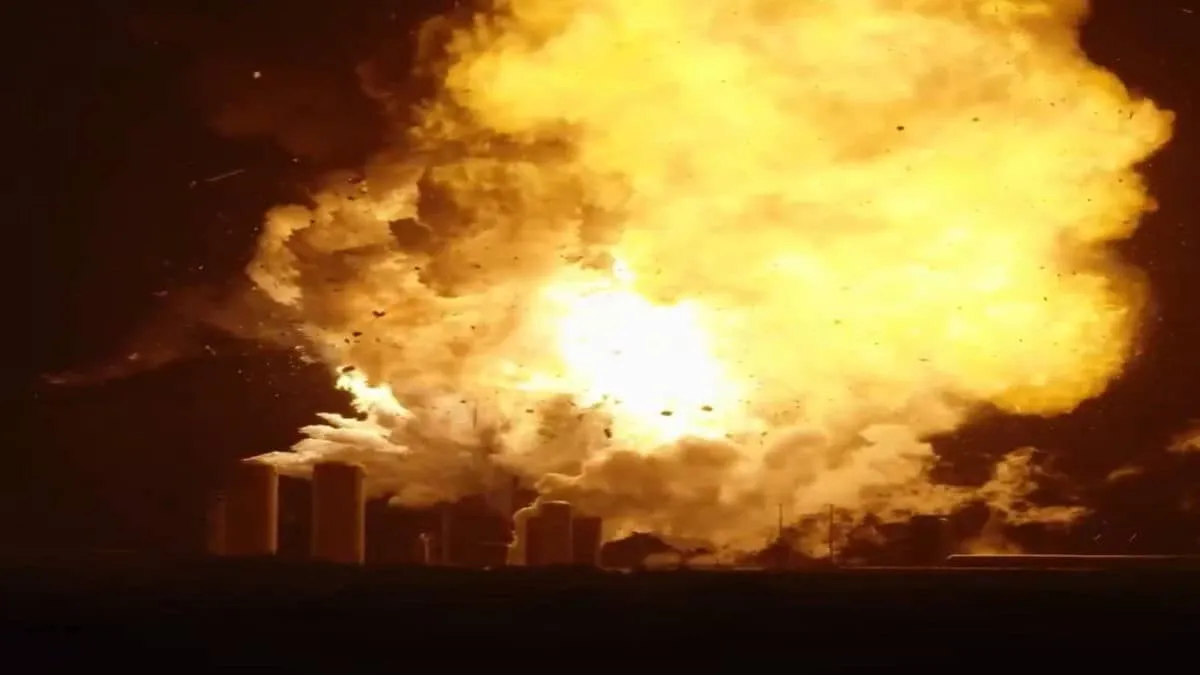
At least 14 IRGC members were killed and two injured in Zanjan province when unexploded ordnance detonated during a specialized clearance operation, according to Iranian state reporting. The tragedy lands amid fresh US-Iran tensions, with Tehran accusing the US of a failed “disruption” strategy, while President Trump criticized Iran’s latest deal proposal and its leadership cohesion.
Never miss a story
Set alerts for the topics and sources you care about. Download Beige for free.
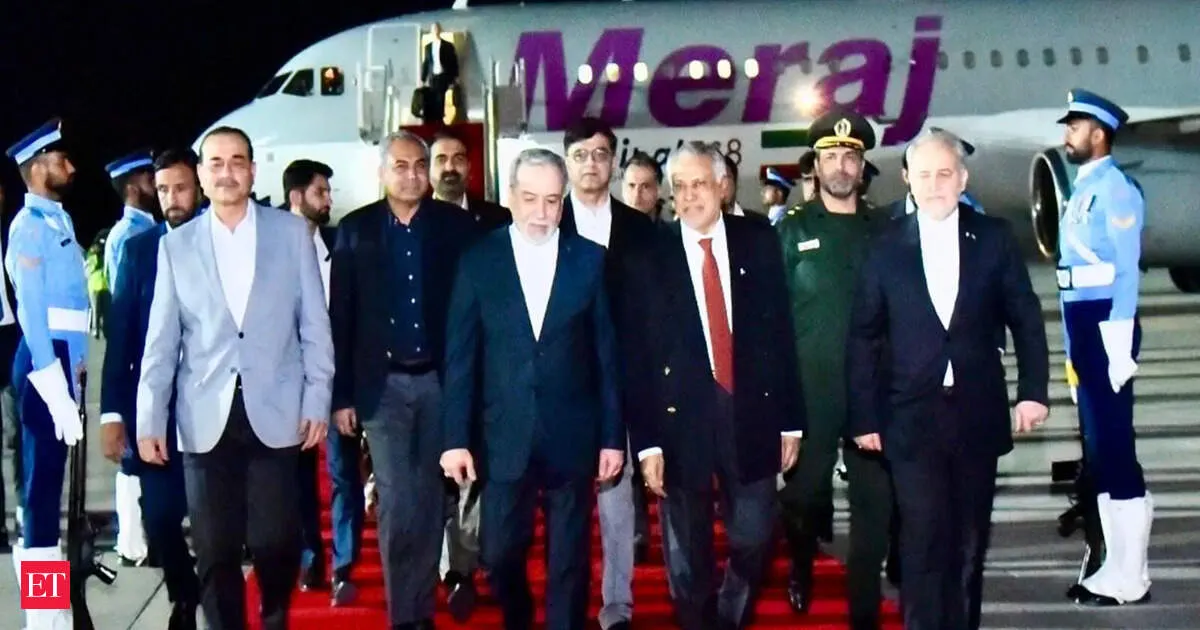
Iran’s IRGC has announced a new maritime control zone in the Strait of Hormuz, raising stakes in one of the world’s most critical shipping lanes. At the same time, Iran’s Foreign Ministry says it received a US counter-proposal through Pakistan to halt the conflict, but it is still under review, with Iran citing “excessive demands.” Trump calls talks “very positive” yet rejects Iran’s latest offer as unacceptable.
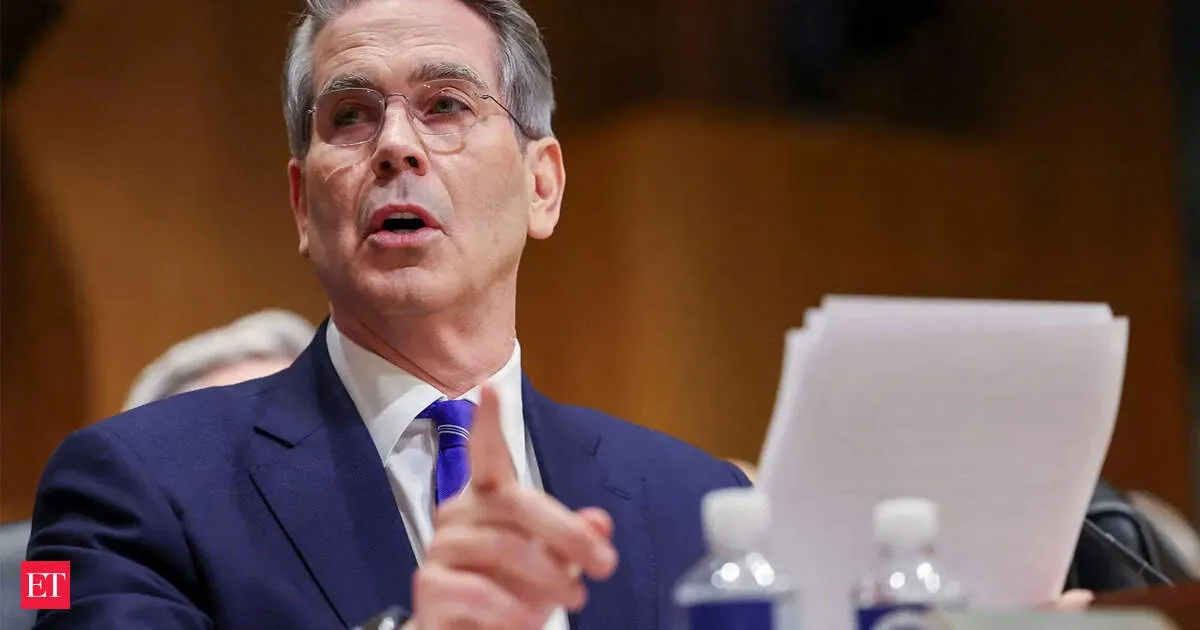
US Treasury Secretary Scott Bessent said the United States is “suffocating” Iran’s leadership through an “economic blockade” launched in parallel with a military offensive. He said the Treasury is imposing measures on anyone trying to remit money into Iran to support the IRGC, Iran’s elite military force, signaling tighter financial pressure alongside force.
Iran’s Revolutionary Guard says it is issuing new rules to strengthen its control over the Arabian Gulf and the Strait of Hormuz, a chokepoint for global energy shipping. The announcement also aligns with Supreme Leader Ayatollah Khamenei’s criticism of foreign military presence, calling US bases ineffective and signaling tougher regional posture.
Iran’s biggest crypto exchange, Nobitex, is reportedly controlled by the sons of the influential Kharrazi family—after years of keeping their involvement hidden. Investigations say it handled millions in transactions for sanctioned entities, including IRGC-related bodies and Iran’s central bank, effectively functioning as a bridge to global crypto markets. Nobitex denies any direct state role.
Reading on mobile?
Open Beige in the app for a smoother experience — free on iOS and Android.
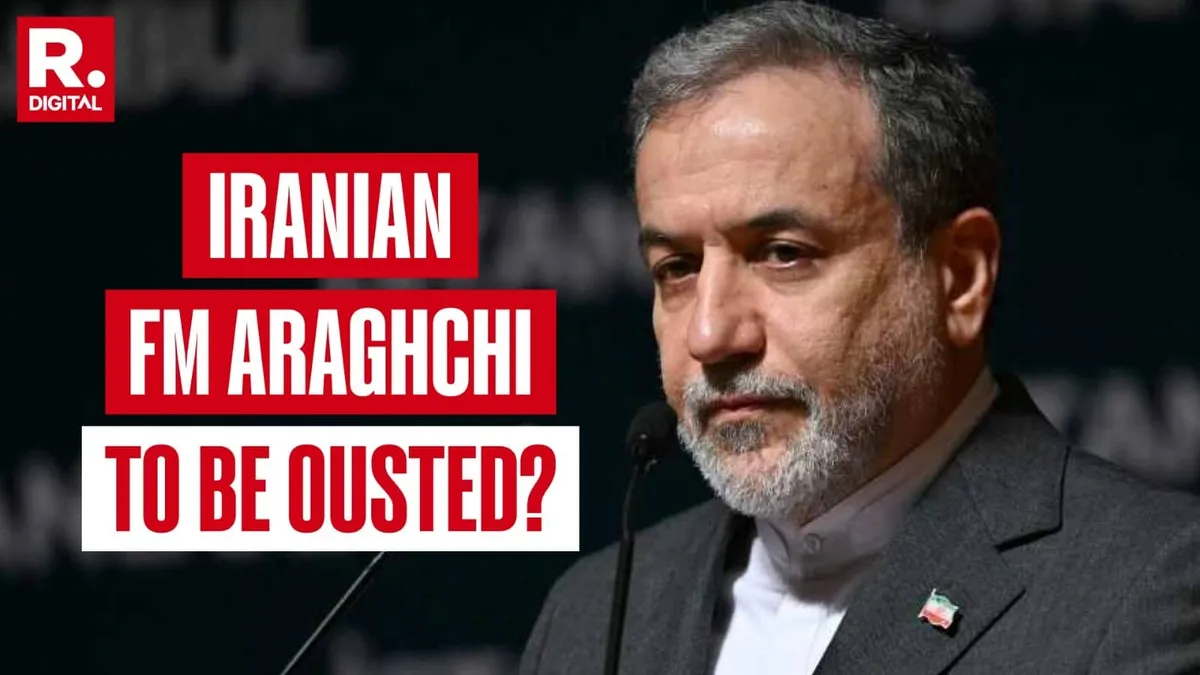
Tensions inside Iran’s top leadership are reportedly intensifying, with President Masoud Pezeshkian and Parliament Speaker Mohammad Bagher Ghalibaf seeking to remove Foreign Minister Abbas Araghchi. The move reportedly stems from sharp disagreements over ongoing US negotiations, along with allegations that Araghchi’s loyalties align more closely with the IRGC than with civilian leadership.
Brigadier General Ahmad Vahidi is emerging as a key power broker in Iran’s IRGC as leadership shifts unfold during a U.S.-Israeli war. Known for covert operations and years of international sanctions, he may play a central role in decision-making—potentially undermining U.S. diplomatic outreach and signaling a tougher Iranian stance ahead.
Iran’s leadership dynamics have reportedly shifted as top command authority moves toward military commanders and the IRGC, with the Supreme Leader’s direct role appearing diminished. The change is linked to harsher, faster wartime decision-making and helps explain why U.S. talks have dragged, with no single leadership figure coordinating policy across foreign and domestic fronts.
As Iranian and US delegations meet Pakistani mediators in Islamabad, a US think tank says Tehran’s leadership is split. IRGC Commander Ahmad Vahidi appears to have gained the upper hand over pragmatist figures like Parliament Speaker Mohammad Bagher Ghalibaf. Analysts warn this internal power struggle could push Iran toward a tougher negotiating posture ahead.
Follow your favourite sources
Track sources, tags and categories — all in the Beige app.
Iran’s internal power map is reportedly shifting away from civilian and clerical institutions toward a hardline military-security core. As the US points to a divided regime, signals suggest decision-making is consolidating around IRGC leadership, with Ahmad Vahidi emerging as a key power broker shaping Tehran’s strategy and diplomacy.
Swipe through stories, personalise your feed, and save articles for later — all on the app.