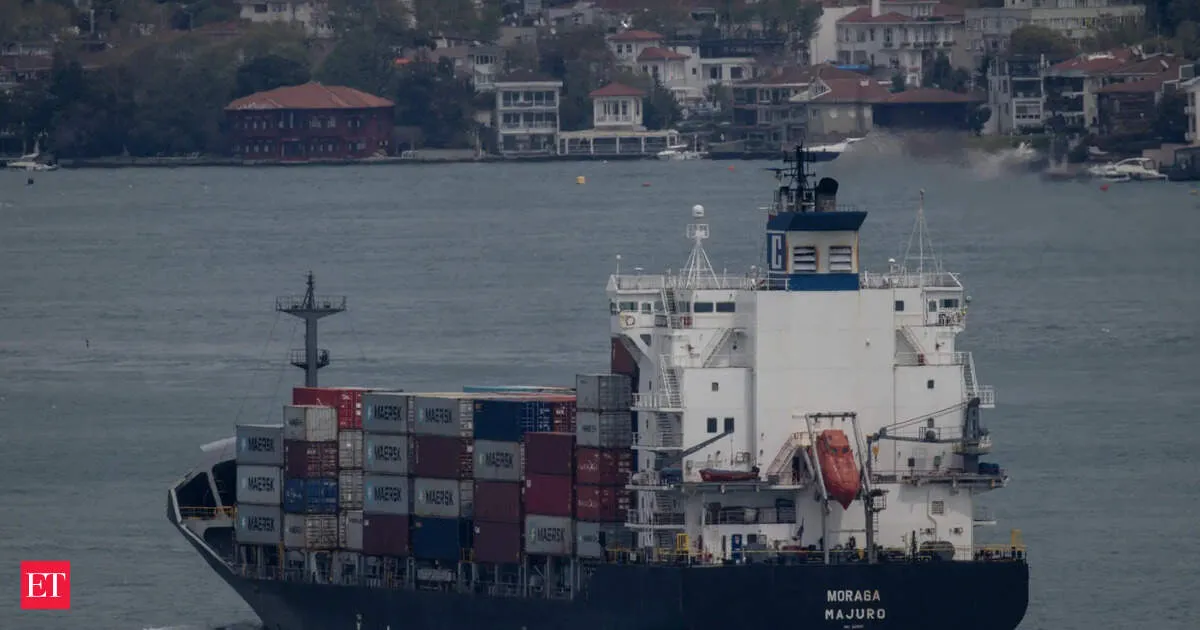
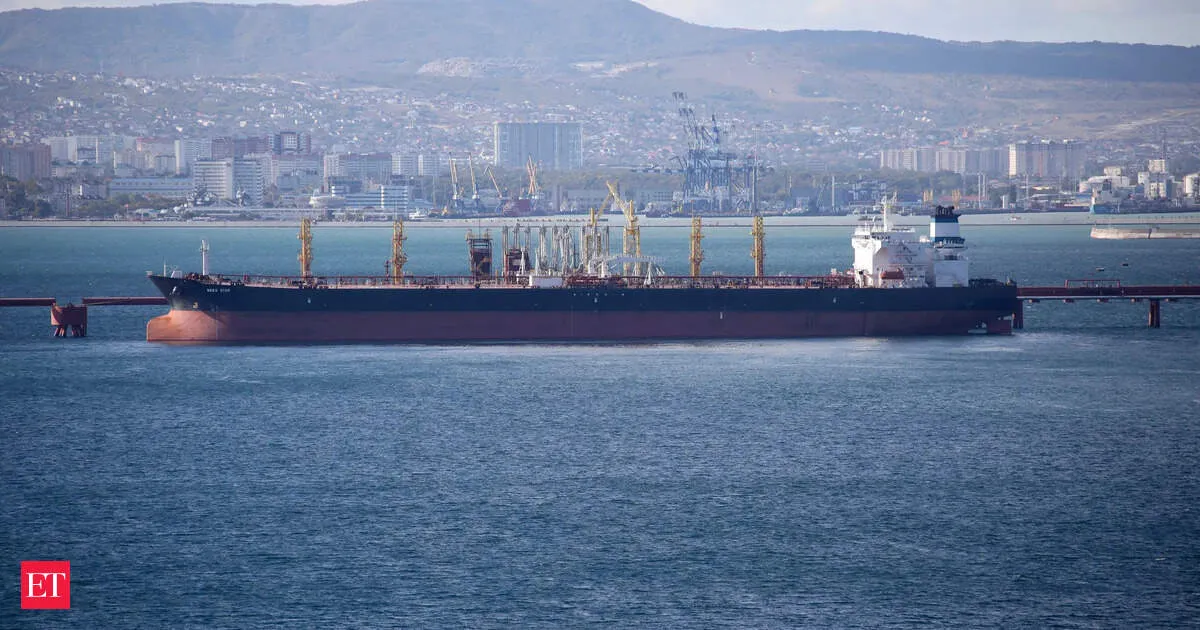
India’s merchandise exports and imports with West Asia fell more than 28% in April, the second straight monthly contraction, as ship movements were severely disrupted by the US-Israel-Iran conflict. Exports to the region dropped 28% to $4.16 billion and imports fell 31.64% to $10.47 billion. Trade with the UAE and parts of Saudi Arabia weakened, while Oman imports surged. The Strait of Hormuz restrictions are throttling a key route, threatening sectors like gems, engineering, electronics, and oil-linked supplies.
India’s crude oil stocks have fallen 15% since late February, according to Kpler, as imports ease amid the Iran conflict. While refinery run rates have held up, the gap is being covered by moderate inventory drawdowns from refinery storage and other stockpiles. Analysts warn this strategy can’t last if supply constraints continue, potentially forcing lower processing rates. The Strait of Hormuz is also near-closed, cutting Gulf output and tightening global supply heading into peak summer demand.
Your news, in seconds
Get the Beige app — every story in 60 words, updated hourly. Free on iOS & Android.
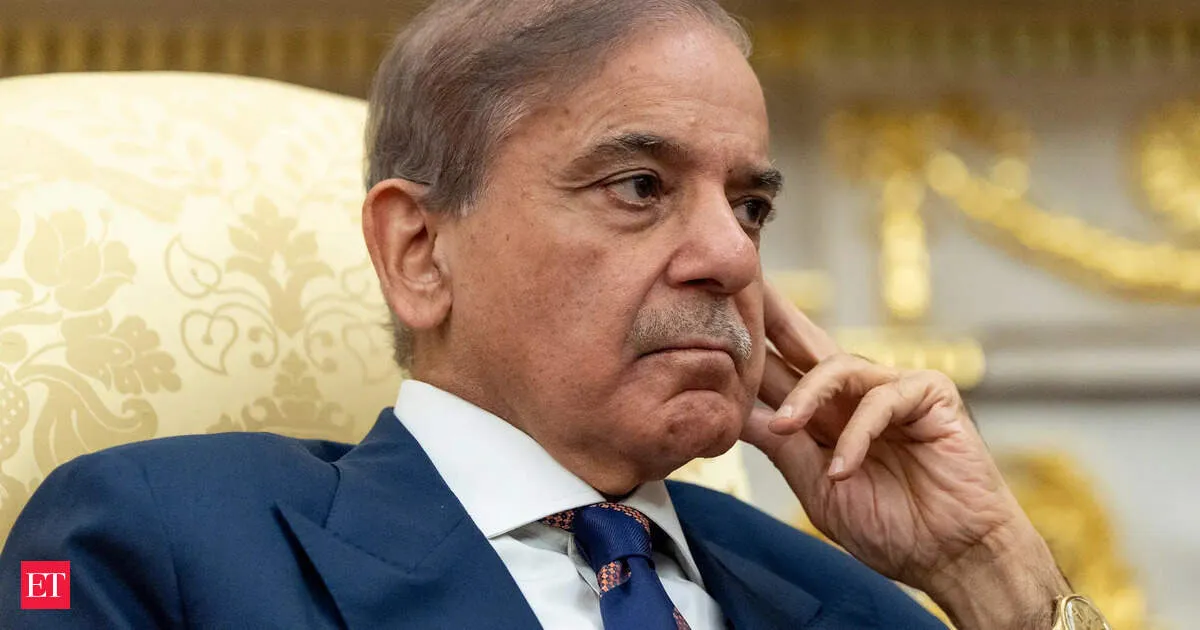
Pakistan’s Prime Minister Shehbaz Sharif has extended nationwide austerity measures until June 13, citing ongoing uncertainty around the Iran conflict and a fragile ceasefire in West Asia. The decision reflects continued regional instability, leaving households and businesses to adjust to tighter controls for longer than previously planned.
India’s growth is projected to cool in FY27 to 6.7% as the lift from recent tax cuts fades and crude oil prices rise. BMI warns these pressures could weigh on consumption and investment while nudging inflation higher. With weak economic momentum already visible, an Iran-linked oil shock and a potentially weaker monsoon add fresh downside risks.
Gold’s long-standing safe-haven reputation is under renewed pressure, with prices reportedly slipping despite heightened concern around the ongoing Iran conflict. A Morgan Stanley note points to a mismatch between investors’ expectations of gold during geopolitical stress and the market’s actual reaction. The development raises questions about whether gold can still reliably hedge fear in the current cycle.
UAE bank lending is slowing as lenders grow more cautious amid the Iran conflict. Real estate and construction companies are struggling to secure fresh credit, while banks boost provisions to cover rising risk. With tighter underwriting and slower approvals, some businesses are turning to private lenders to keep projects moving.
Never miss a story
Set alerts for the topics and sources you care about. Download Beige for free.
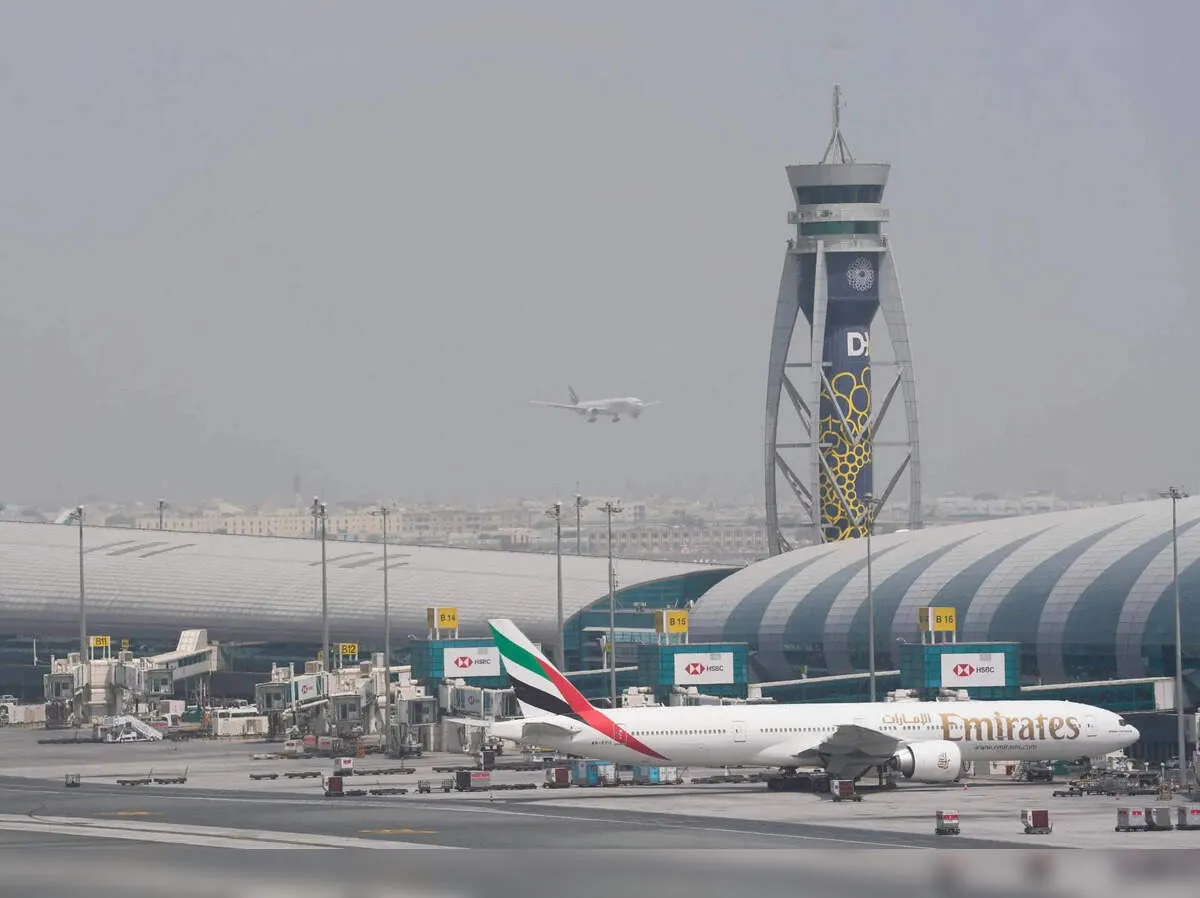
Global airlines are responding to a jet fuel cost spike and worsening supply worries tied to the Iran conflict. Carriers are removing large numbers of seats from schedules and adjusting routes disrupted by pricing pressure. For travellers, that means fewer flight options and higher ticket costs as airlines scramble to manage the new cost reality.
US equities are edging back toward prior highs as investors bet on supportive tech earnings and shifting expectations around Fed policy. But the market’s comfort is shadowed by a steady climb in oil prices linked to the Iran conflict, raising fears of renewed inflation and possible interest rate pressure in Europe.
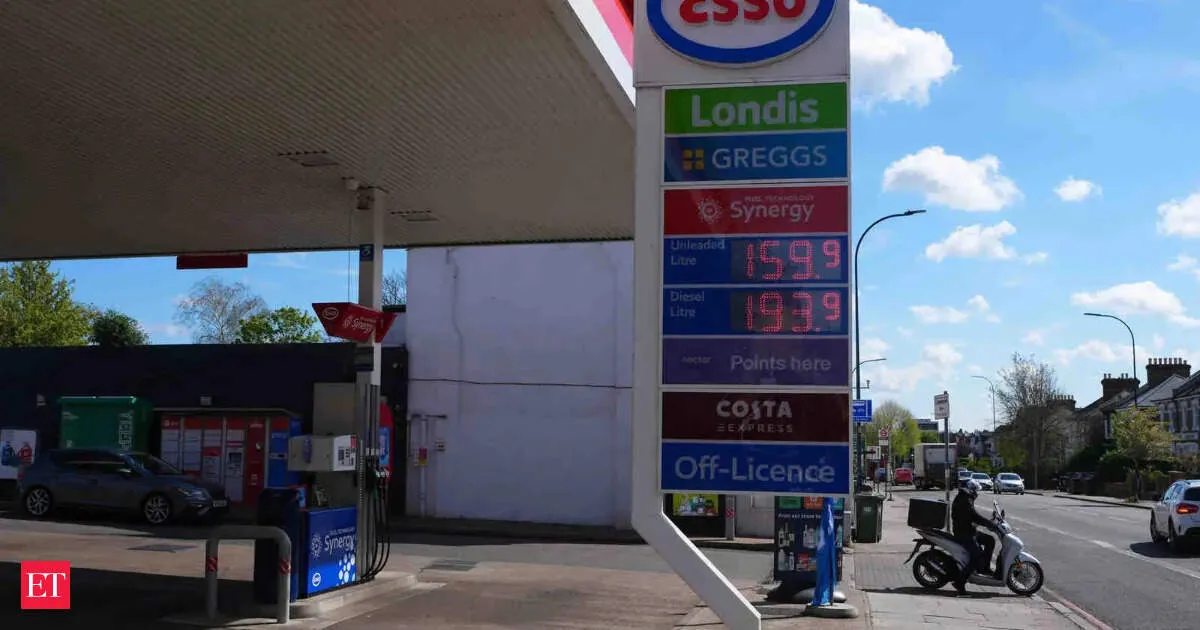
Global oil markets are roiled after a four-year high as the Iran conflict disrupts shipping, lifts transport costs, and drives volatile crude prices. In the US, Strategic Petroleum Reserve levels fall even while exports rise. Natural gas futures climb, while Waha Hub prices remain negative due to pipeline constraints, underscoring supply-demand imbalances.
Donald Trump has threatened to reduce US troop presence in Germany, pointing to a dispute with Chancellor Friedrich Merz. The clash reportedly follows differing views on the war with Iran and its wider economic fallout. Merz has warned that the conflict could hurt global growth, while Trump has previously pushed Germany on defense spending—despite the US still operating major facilities there.
Reading on mobile?
Open Beige in the app for a smoother experience — free on iOS and Android.
Cyberattack attempts are surging across the UAE and the wider Gulf, with financial services, government platforms, and utilities among the hardest hit. Experts say attacks have tripled, disrupting business activity and delaying operations. The escalation is raising fears about eroding confidence in digital infrastructure and exposing growing vulnerabilities. Meanwhile, demand for cybersecurity professionals in the region is climbing sharply.
Gold and silver inched higher on MCX as traders weighed the upcoming US Federal Reserve policy decision and uncertainty from Iran-related tensions. Elevated oil prices keep inflation fears alive, supporting bullion, but rising rate expectations are limiting upside. Analysts warn that swings may continue, suggesting caution before adding fresh positions in precious metals.
India’s Russian crude imports cooled in April, falling 20% month-on-month to 1.57 million barrels per day after a March jump. The surge had been supported by floating cargoes amid the Iran conflict and a temporary US sanctions waiver, but that tailwind faded, pulling volumes back in April.
US consumer confidence fell to a near four-year low in April, driven by fears that prices will keep climbing. The Iran conflict is adding pressure through higher oil and commodity costs, even as gas prices dipped slightly after a ceasefire. Americans now expect inflation to stay elevated for both the next year and five years, keeping sentiment muted.
Follow your favourite sources
Track sources, tags and categories — all in the Beige app.
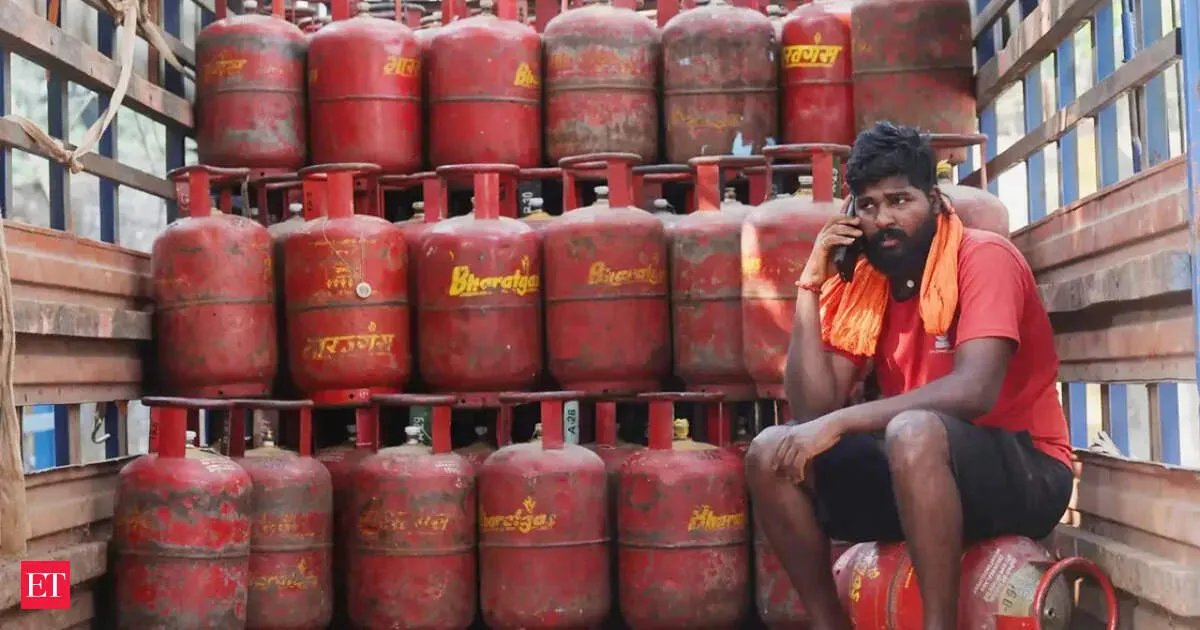
In March, household LPG sales fell 8% as state oil companies adjusted supplies amid reduced imports linked to the ongoing Iran conflict. The drop was far steeper for other segments, with commercial LPG consumption down 48% and bulk LPG distribution to industries falling 75.5%, signaling widespread disruptions across India’s LPG supply chain.
The US-Israeli war with Iran and the closure of the Strait of Hormuz are triggering a massive oil and gas supply disruption, hitting crude, natural gas, and refined fuels at once. The reported daily output lost is being described as unprecedented, surpassing earlier major shocks and raising concerns about rapid price and availability swings worldwide.
Sebi has eased IPO-related norms, allowing firms to reduce offer sizes when market sentiment weakens amid fallout from the Iran conflict. The move gives issuers more flexibility to respond to volatility and investor caution, potentially helping deals avoid poor reception and giving companies a better path to pricing and execution in uncertain conditions.
The Iran conflict has driven plastic prices up by about 40%, raising costs for common items like bottled water. As manufacturers absorb some impact and pass the rest downstream, consumers feel the pinch through higher prices. Analysts suggest the rise could cool within four to six months if peace returns, offering a potential path back to normal costs.
Stay informed on the go
Bite-sized news from 100+ trusted sources, right in your pocket.
The UAE is considering loosening tax residency rules for expatriates who left during the Iran conflict, a move aimed at helping them retain tax status. Rather than blanket exemptions, authorities are reportedly weighing case-by-case relaxation of minimum stay requirements, according to Financial Times.
Experts warn that disruptions from the Iran conflict could take months for global pharmaceutical supply chains to stabilise. Active pharmaceutical ingredients, the key raw materials used to manufacture medicines, are expected to see only gradual relief. The delayed recovery may contribute to longer-lasting cost pressures across the medicines ecosystem, depending on how quickly routes, contracts, and inventories normalise.
Swipe through stories, personalise your feed, and save articles for later — all on the app.