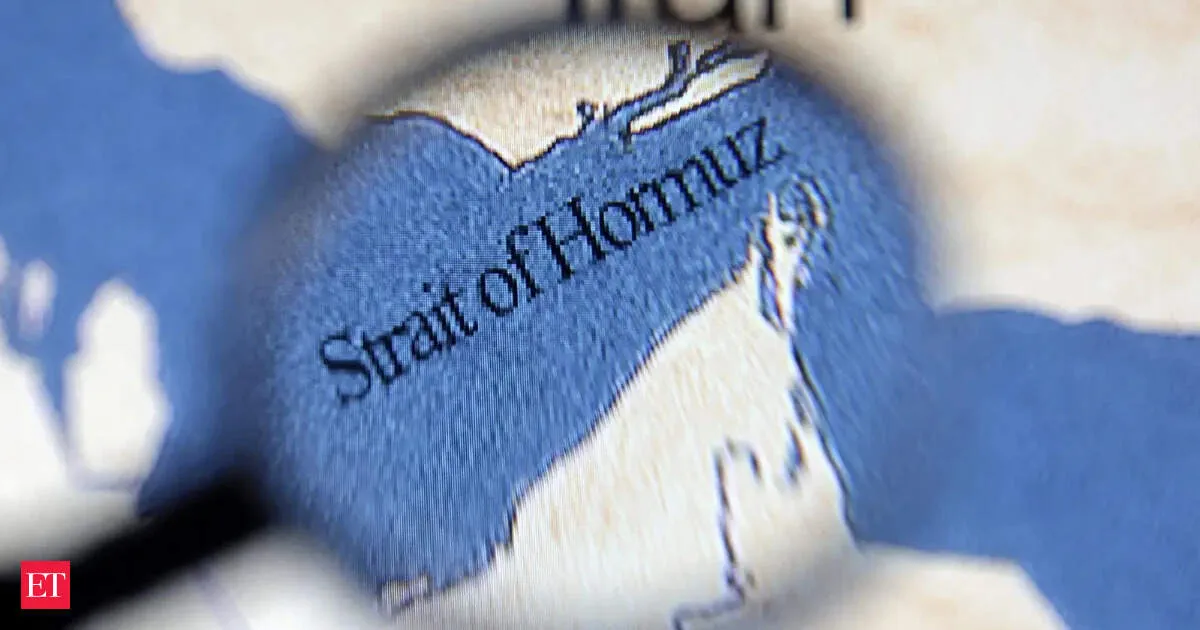
Iranian state TV says European countries are in talks with Tehran for permission to transit the Strait of Hormuz, following similar negotiations with East Asian states like China, Japan, and Pakistan. Iran has largely blocked shipping since a Feb 28 war with the US and Israel, though a fragile ceasefire has been in place since April 8. Tehran says it is preparing a professional system to manage traffic, benefiting cooperating commercial vessels while keeping the route closed to certain “freedom” operations.
In Wiggins, Colorado, rising fuel and grocery costs have locals feeling the squeeze—gas is about $4.34 a gallon and spending now cuts into home budgets. Yet many voters in nearby Morgan County, long Republican territory, back President Donald Trump’s Iran approach, arguing they’d rather endure economic pain than risk Iran obtaining a nuclear weapon. Reuters interviews across Highway 52 find a durable personal bond with Trump, with some doubting Democrats can deliver stability.
Your news, in seconds
Get the Beige app — every story in 60 words, updated hourly. Free on iOS & Android.
Iran says it will soon launch a designated traffic-management mechanism for the Strait of Hormuz, giving priority to commercial vessels and parties cooperating with Tehran. Iranian officials also say specialised services tied to the plan will require “necessary fees,” while routes will remain closed to operators linked to the “Freedom Project.” The announcement lands as tensions between Iran, the US, and Israel persist and major oil, LPG, and LNG carriers continue cautious transit, sometimes with transponders switched off.
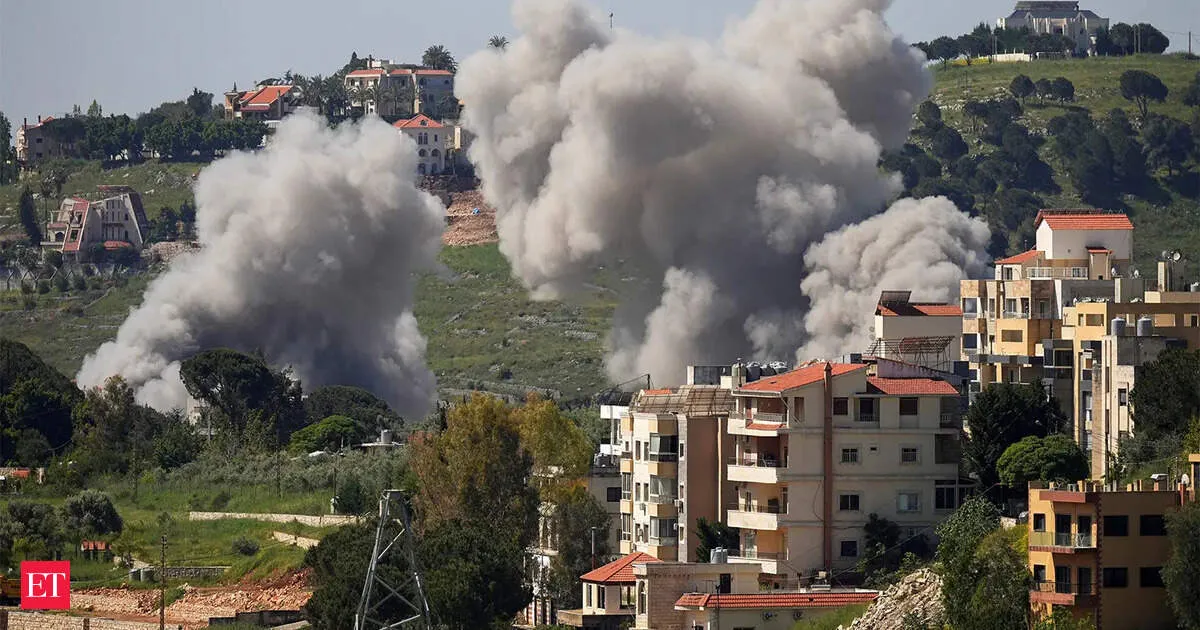
The Israel-UAE relationship, usually handled quietly, was pulled into public view after the US ambassador revealed Israeli Iron Dome personnel and weapons were sent to help protect the UAE from Iranian attacks. Days later, Benjamin Netanyahu said he had secretly visited Abu Dhabi during the war—prompting a fast UAE denial. With tensions rising from the Iran and Gaza conflicts, Gulf states reportedly prefer downplaying Israel ties, even after formal normalization under the Abraham Accords.
Crude oil surged nearly 8% over the week, pushing Brent to $109.26 and WTI to $105.42, as renewed U.S. and Iran rhetoric dimmed hopes for a quick deal on ship attacks near the Strait of Hormuz. While a ceasefire remains, expectations for rapid reopening have weakened, raising fears of longer disruptions to oil and LNG flows through a route carrying nearly one-fifth of global supplies. Analysts warn pricing could stay volatile if Hormuz closure drags into June or beyond.
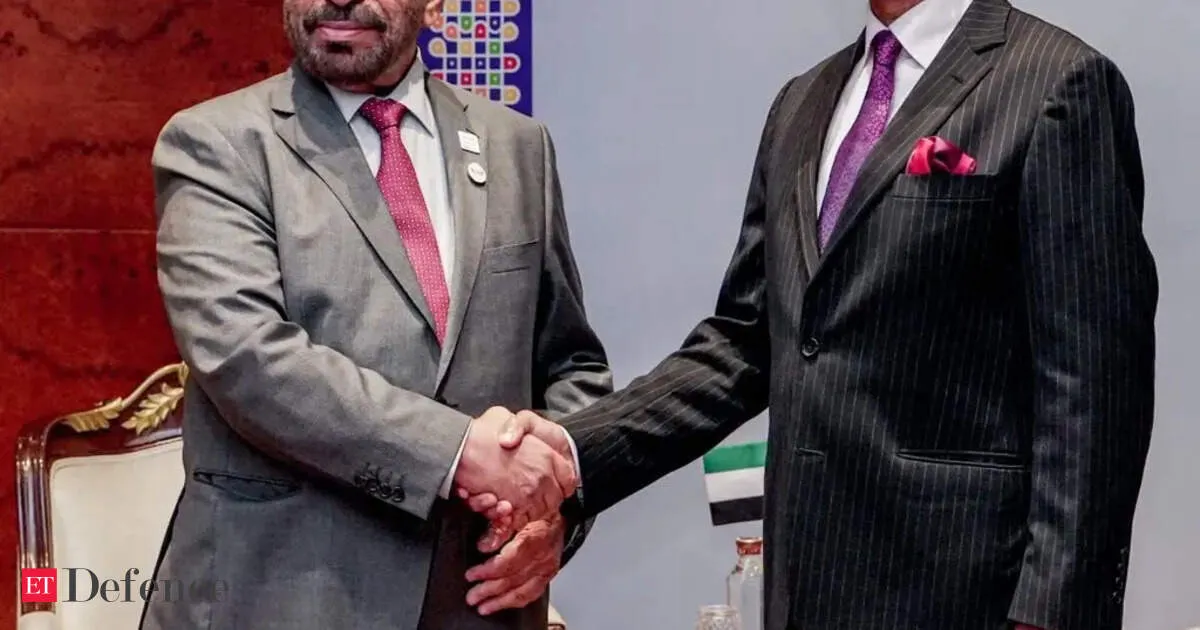
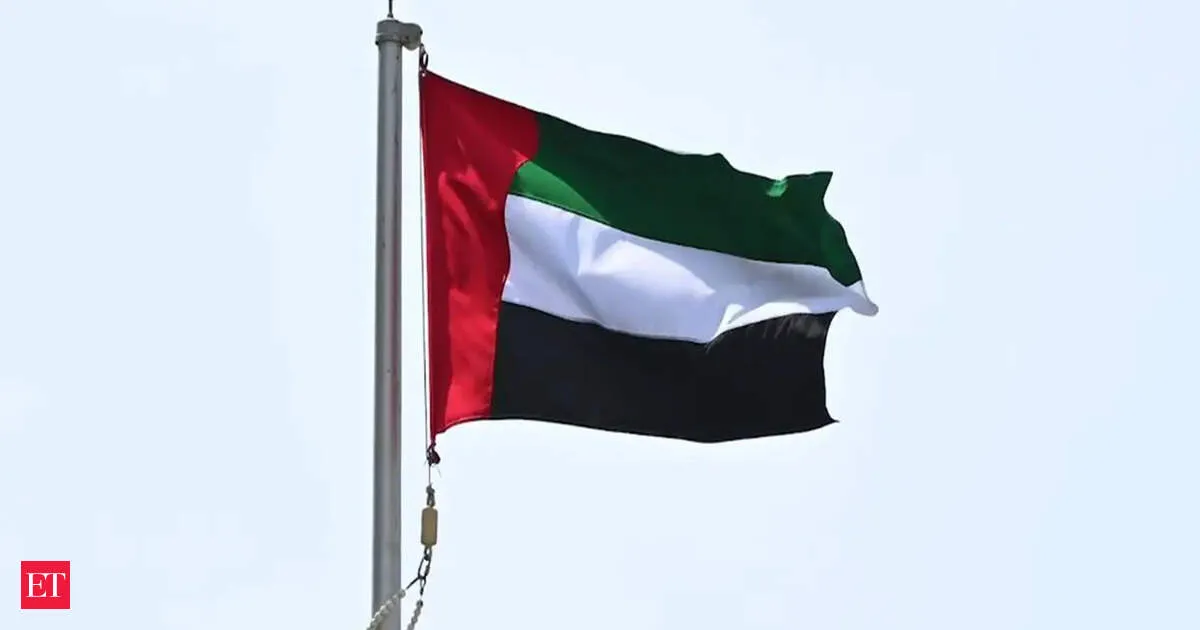
At the BRICS Foreign Ministers’ Meeting in New Delhi, the UAE rejected Iran’s accusations that Abu Dhabi was directly involved in aggression against Tehran during the West Asia conflict. UAE Minister of State Khalifa Shaheen Al Marar said the claims will not affect its “principled positions” or sovereign decision-making, while the UAE accused Iran of repeated strikes on Emirati infrastructure. Abu Dhabi also cited near 3,000 intercepted ballistic missiles, cruise missiles and drones, and warned against actions that it says obstruct maritime routes and target civilian facilities.
Never miss a story
Set alerts for the topics and sources you care about. Download Beige for free.
President Donald Trump’s coercive diplomacy toward Iran is struggling to bring talks to the negotiating table, analysts say, because his approach demands an “absolute victory” narrative that would require Tehran to concede total defeat. With Iran focused on saving face domestically and maintaining leverage through the Strait of Hormuz, both sides remain deadlocked despite strikes that degraded Iran’s military capabilities. The standoff also reverberates globally via energy supply shocks, while Trump faces domestic blowback tied to gasoline prices and low approval ratings.
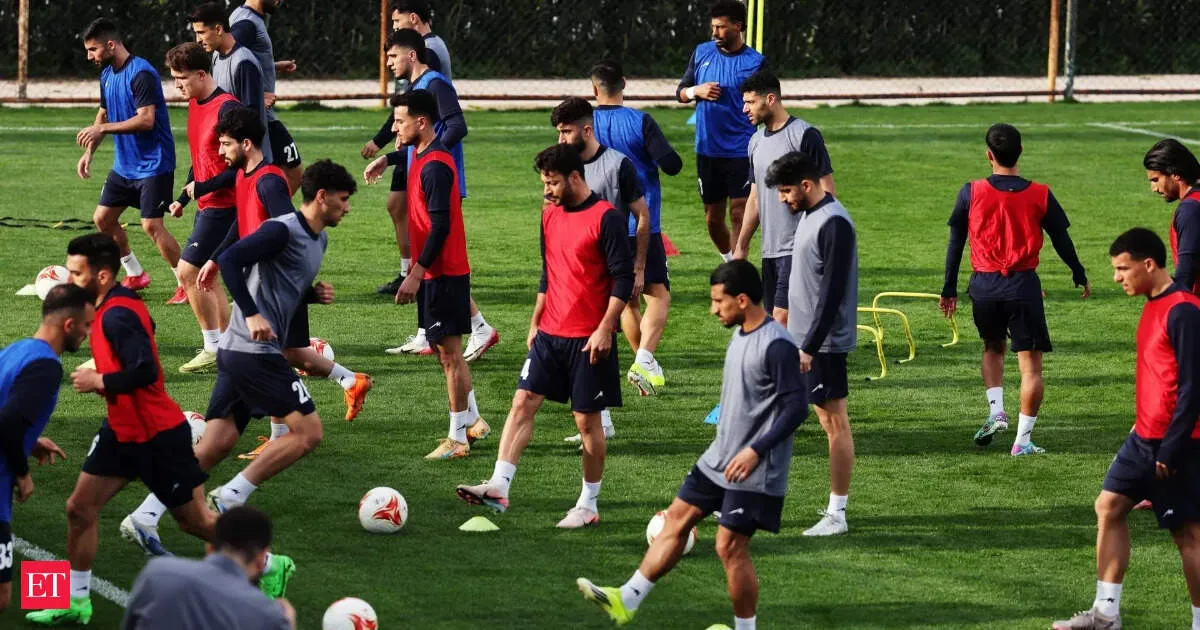
Iran’s national football team will run a pre-World Cup training camp in Antalya, Turkey, before traveling to its U.S. base in Tucson, Arizona. Iranian media reports players face visa procedures amid delays for entry into the United States. The squad is set to play a friendly against Gambia on May 29 in Turkey, with a second warmup match still undecided. Iran held a send-off ceremony in Tehran, while federation chief Mehdi Taj said no visas have been issued yet.
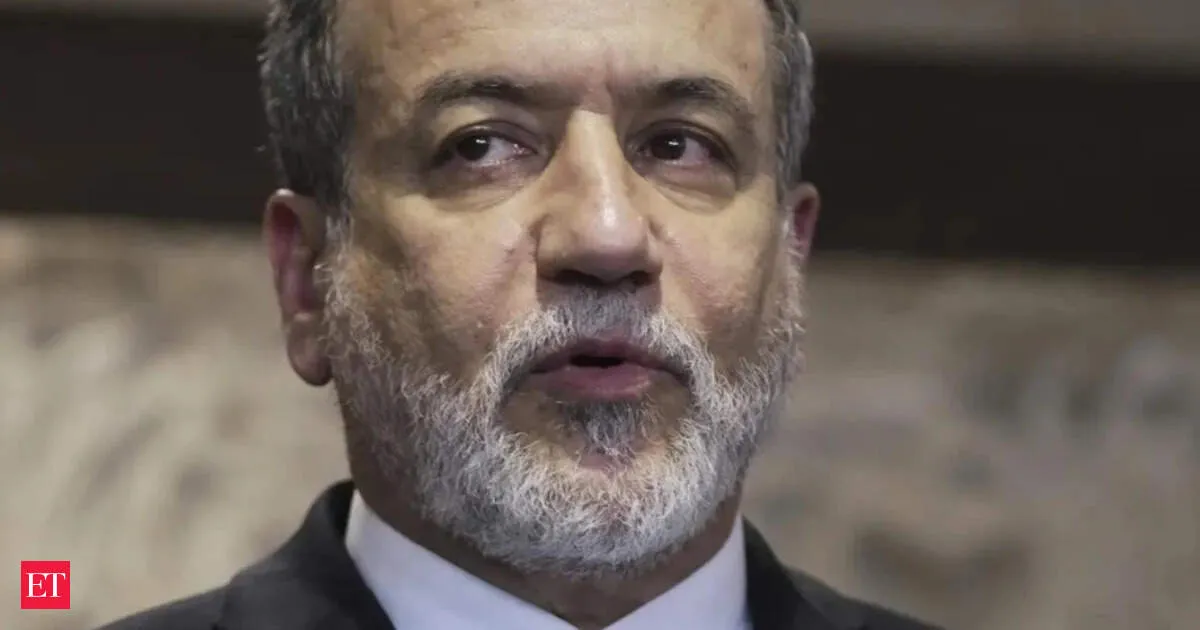
The UAE has rejected Iran’s accusations that Abu Dhabi plays an active role in the Middle East war, calling Tehran’s narrative an attempt to justify Iranian terrorist attacks. After Iran’s foreign minister told a Telegram audience that the UAE is a partner in aggression and warned that U.S. bases can’t ensure security, UAE minister Khalifa bin Shaheen Al Marar said the country has faced repeated attacks. He cited about 3,000 missile and drone strikes and stressed the UAE can deter aggression without external protection.
Facing repeated Iranian missile barrages that threatened its economy, the UAE has pulled closer to Israel, even widening a rift with Saudi Arabia. Abu Dhabi reportedly received Israeli Iron Dome air-defence support, viewing it as protection essential to economic recovery. The move increases pressure with Tehran, which the UAE sees as its main threat, while also complicating relations with Saudi Arabia and other Gulf states that still treat Israel normalization as highly sensitive, especially after Gaza.
Reading on mobile?
Open Beige in the app for a smoother experience — free on iOS and Android.
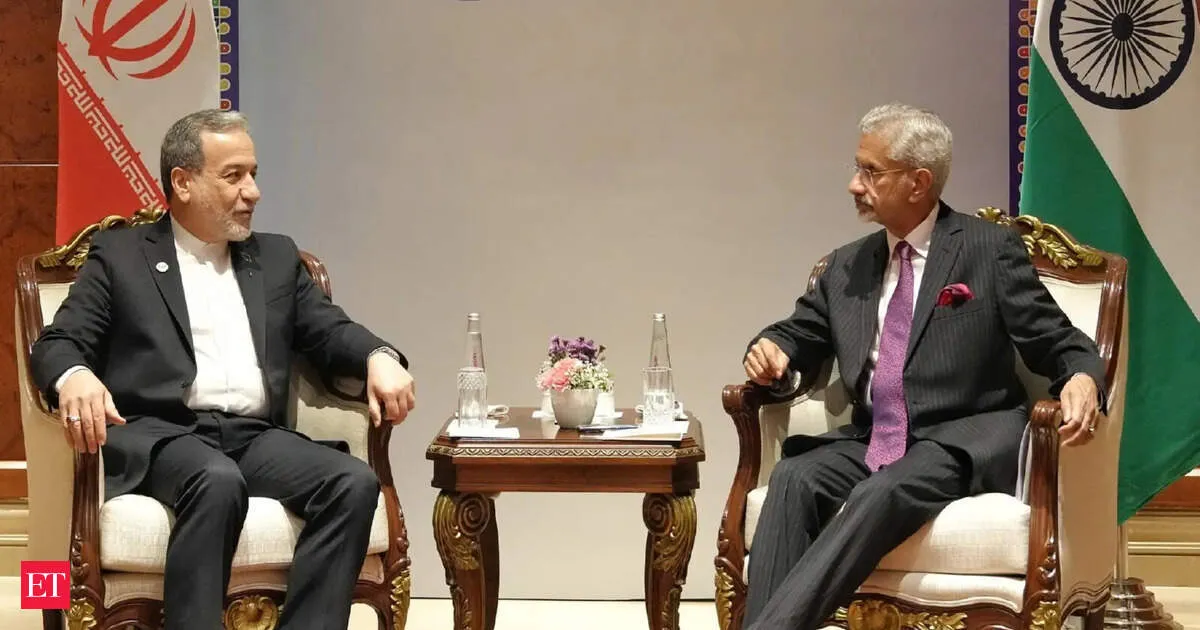
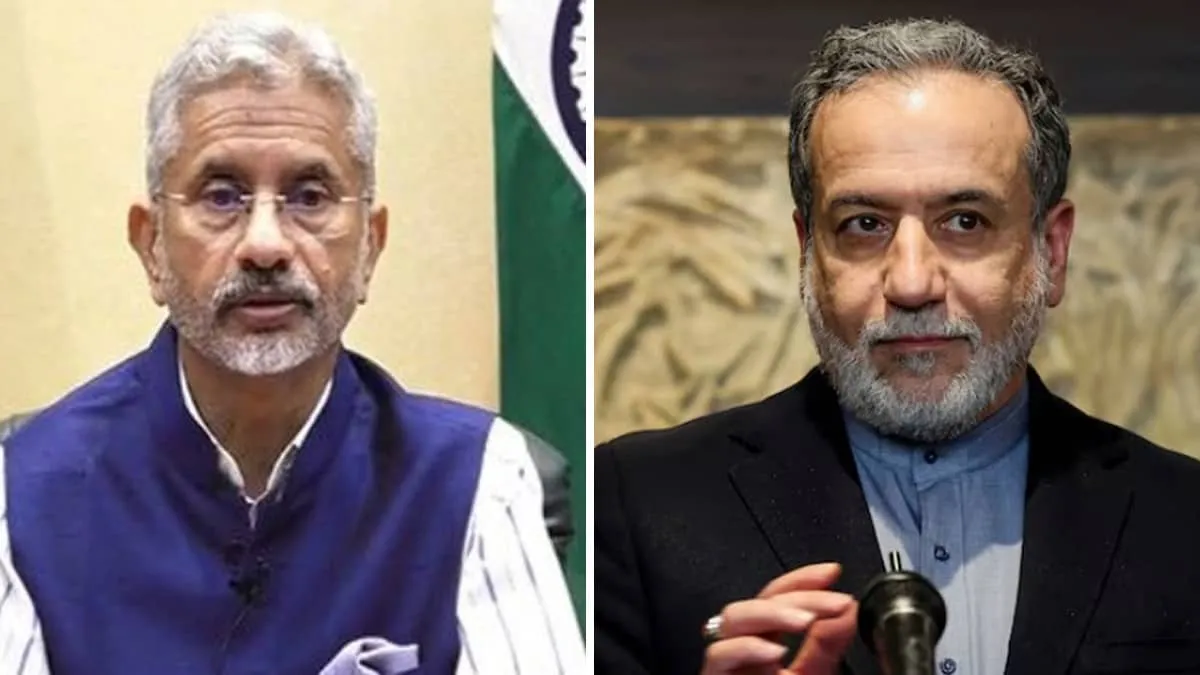
Iranian Foreign Minister Seyyed Abbas Araghchi met India’s External Affairs Minister S Jaishankar and pledged that friendly nations can rely on Iran for commerce safety through the Strait of Hormuz. Araghchi said Iran would carry out its “historical duty” as a protector of security in Hormuz, and pointed to Iran’s resistance to US “bullying” as a familiar struggle for many states. Speaking at BRICS talks, he urged keeping international institutions free from political manipulation while ministers backed India’s 2026 chairship.
Iran’s foreign minister Abbas Araqchi said Tehran has “no trust” in the United States and will negotiate only if Washington is genuinely serious. Talks to end the Iran conflict are stalled after both sides rejected new proposals during Pakistan-mediated efforts. While Iran says vessels not at war with it may pass the Strait of Hormuz if they coordinate with Iran’s navy, Araqchi warned the situation remains “very complicated,” with Iran still prepared to resume fighting. Nuclear issues and Hormuz control are key hurdles.
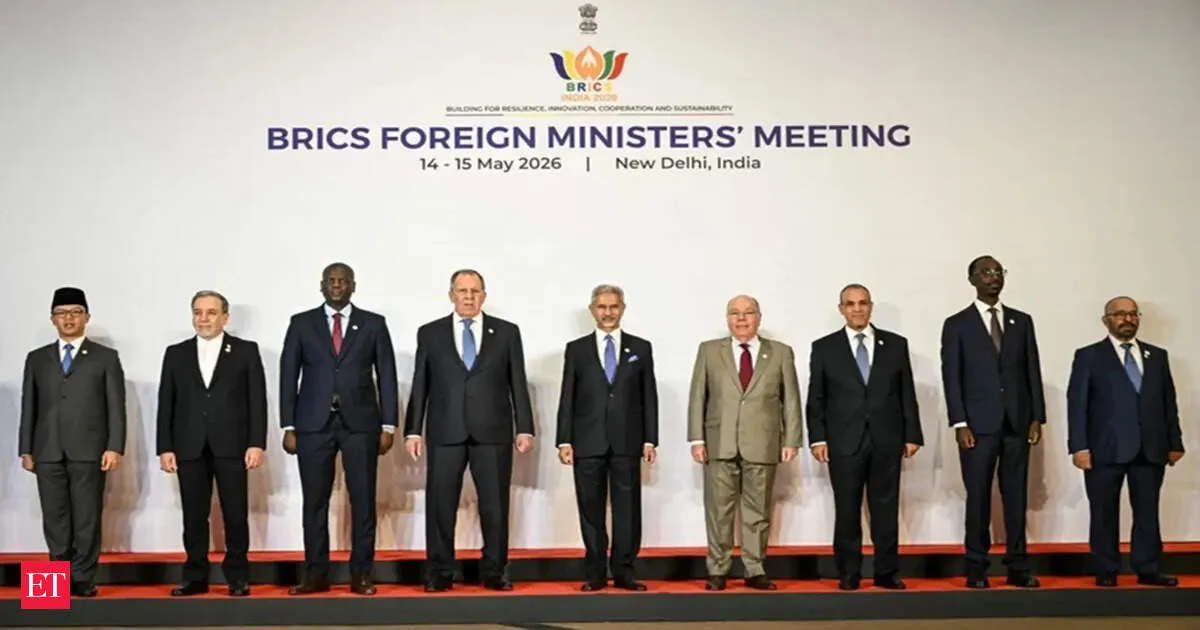
BRICS diplomats met in Delhi but failed to agree on a joint statement after two days of talks, forcing India to issue only a chair’s statement that laid bare deep divisions. The dispute centered on the Middle East conflict involving Iran, with Tehran accusing the UAE of direct involvement and blaming U.S. ally actions on Iranian soil. Iran said a BRICS member blocked parts of the final language. Despite gaps, BRICS reiterated calls for diplomacy, international law, and unity among the Global South.
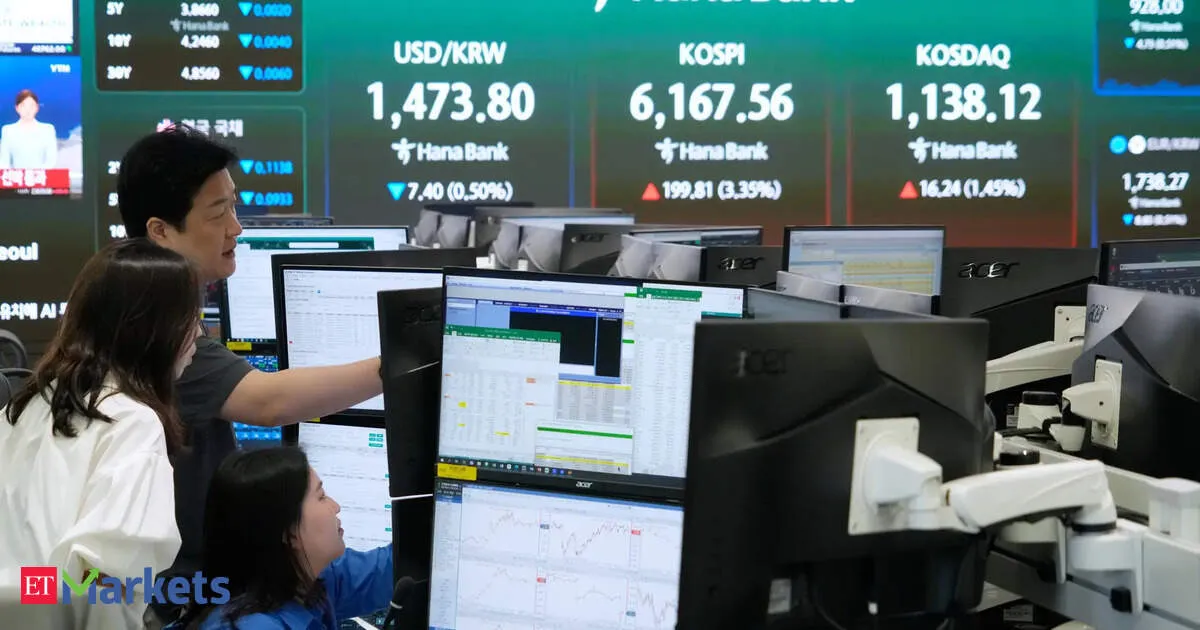
European shares tumbled on Friday as a deadlock in U.S.-Iran talks hit risk appetite, rattled energy markets, and revived slowdown concerns. Trump said his patience with Iran is running out after agreeing with Xi Jinping that Tehran must not obtain nuclear weapons and should reopen the Strait of Hormuz. Global bonds fell and oil rose. U.S. and European inflation prints this week pointed to the Iran war’s effects in consumer and producer prices, boosting expectations of further ECB tightening.
Follow your favourite sources
Track sources, tags and categories — all in the Beige app.
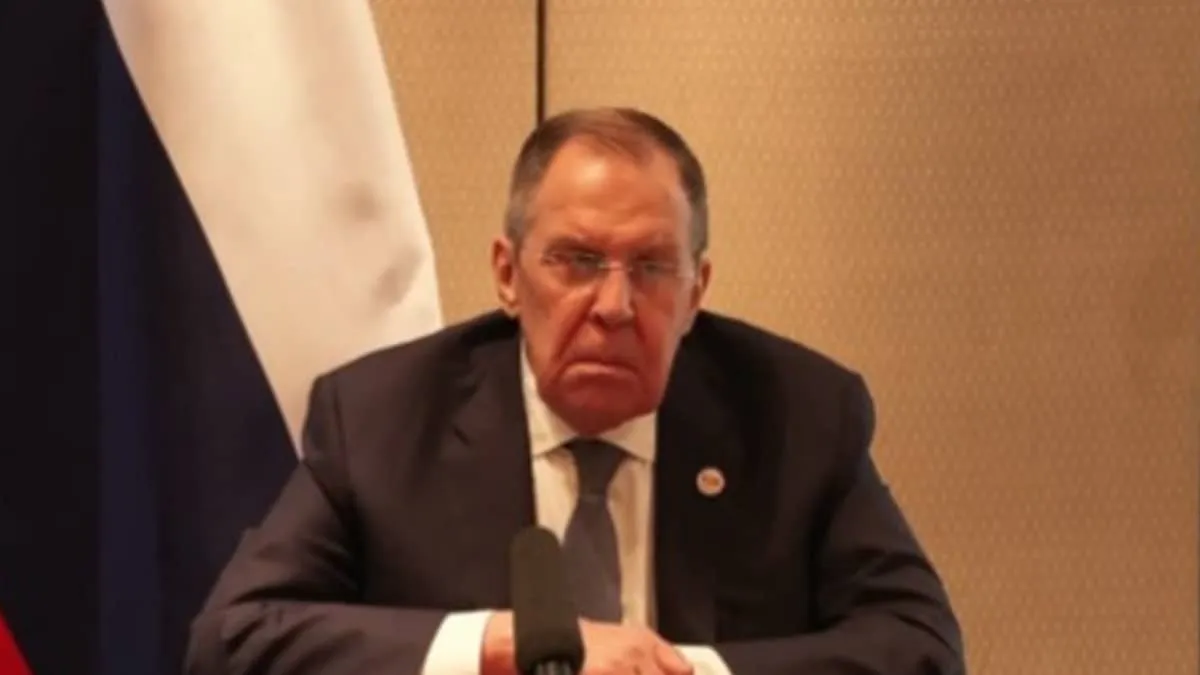
Russian Foreign Minister Sergey Lavrov told reporters in Delhi that the Strait of Hormuz crisis was not caused by Iran, arguing the problem emerged only after US and Israel launched aggression before February 28, 2026. At the BRICS summit’s closing event, Lavrov said Iran had no prior issues with navigation and called for addressing root causes. He also urged long-term mediation role for India, saying it could bring UAE and Iran to dialogue while Pakistan’s efforts focused only on urgent talks.
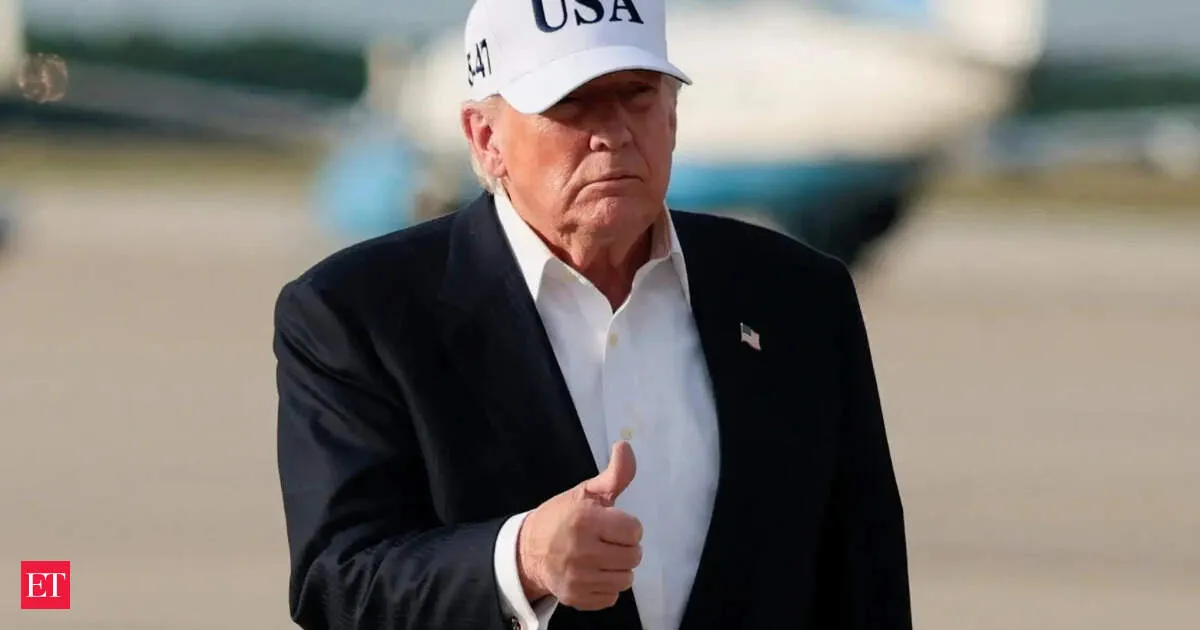
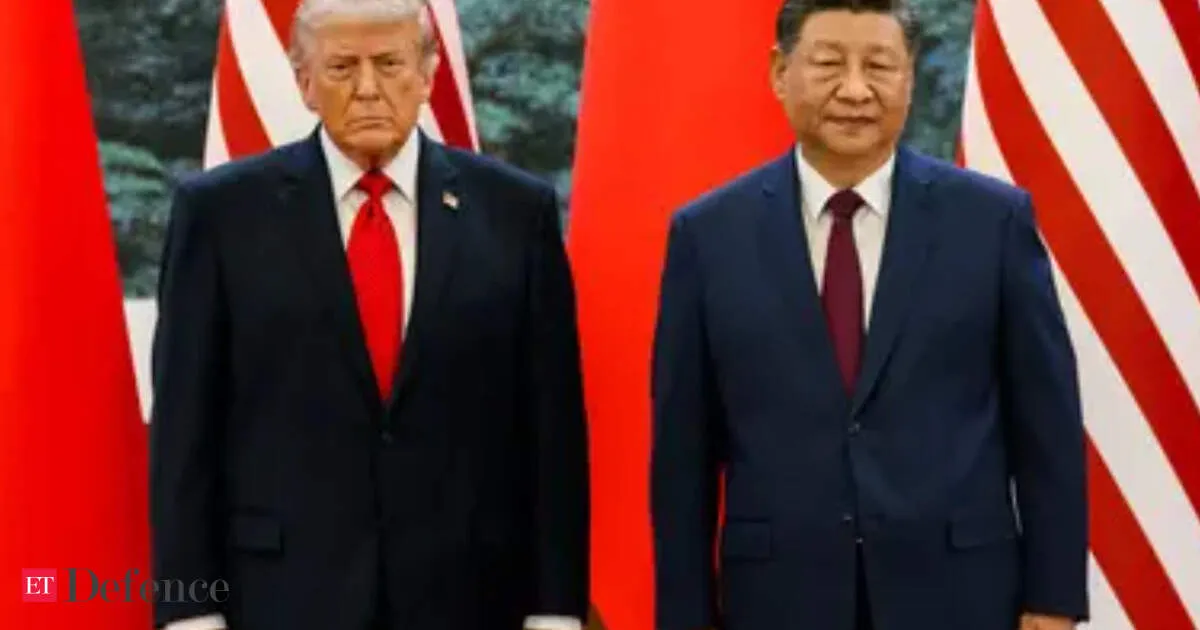
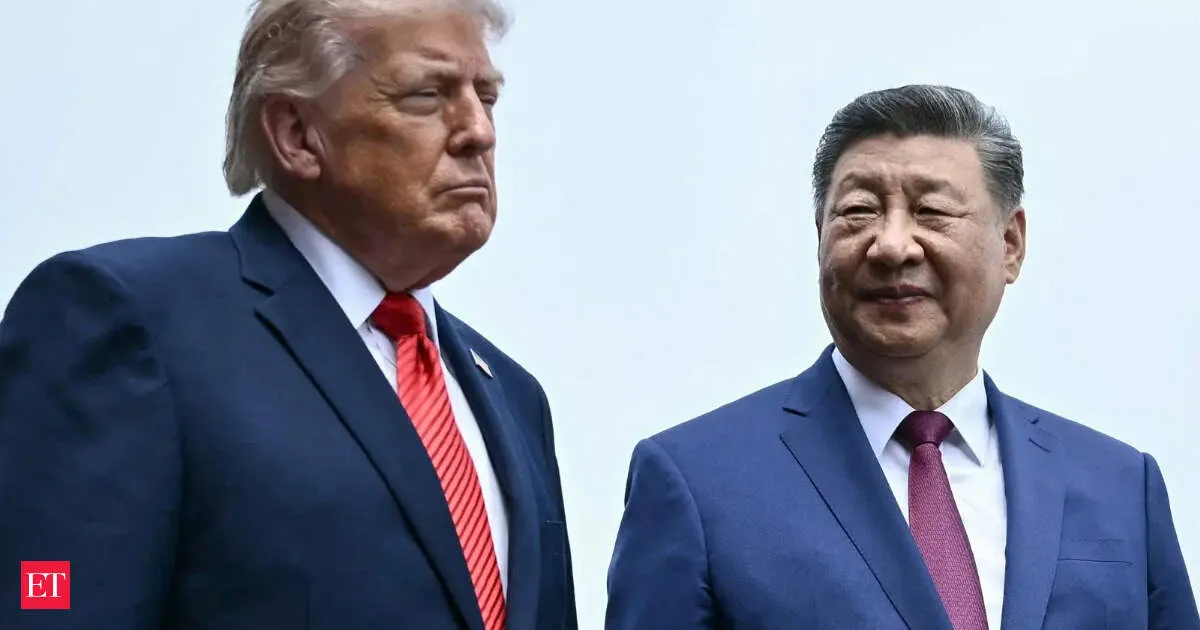
After meeting Xi Jinping in Beijing, Donald Trump said the US and China agreed Iran cannot be allowed to have nuclear weapons. He also claimed the Strait of Hormuz must reopen for global shipping, citing Xi’s opposition to militarising or tolling the waterway. Trump warned his patience is “running out” as US attacks pause but a port blockade continues, with talks stalled over Iran’s enriched uranium stockpile. Incidents include a sunk cargo vessel and unauthorised boarding near Fujairah.
External Affairs Minister S. Jaishankar met Iranian Foreign Minister Seyyed Abbas Araghchi on the sidelines of the BRICS Foreign Ministers’ Meeting in New Delhi. Prime Minister Narendra Modi had held a prior meeting with Araghchi as both sides aimed to strengthen regional stability and multilateral cooperation. At BRICS, Araghchi urged countries to unite against American bullying, calling coercive tactics the “dustbin of history,” and warned of rising global risks as BRICS convenes in a fragile West Asia backdrop.
After talks with China’s Xi Jinping, Donald Trump said his patience with Iran is running out, as the U.S. paused attacks but imposed a port blockade. Diplomacy to end the conflict has stalled because Iran refuses to shut its nuclear program and surrender its enriched uranium stockpile. The Strait of Hormuz remains effectively constrained after Iran responded to U.S.-Israeli strikes. Meanwhile, incidents near the UAE raised fears of escalating maritime control, affecting global energy flows.
Stay informed on the go
Bite-sized news from 100+ trusted sources, right in your pocket.
Oil prices rose Friday, pushing Brent above $105 a barrel, as traders grew wary of ship attacks and seizures near the Strait of Hormuz despite Iran’s claim that around 30 vessels crossed safely. Markets are also tracking US China talks in Beijing. A US naval blockade remains active, and a commercial ship was reportedly seized before being taken into Iranian waters. With the IEA warning the market may stay severely undersupplied until October, analysts warn the squeeze could last into late 2027.
Oil prices rose on Friday as investors stayed nervous about attacks and seizures tied to the Strait of Hormuz, even after Iran said around 30 vessels had crossed since Wednesday evening. Brent futures climbed to $106.32 a barrel and WTI to $101.71, with analysts pointing to tight supply as the dominant driver. The White House said Donald Trump and Xi Jinping agreed on keeping Hormuz open, while a ship was reportedly seized near the UAE. Separately, an Indian livestock cargo vessel sank off Oman.
Swipe through stories, personalise your feed, and save articles for later — all on the app.