The US SEC has signaled tougher enforcement on private funds, with enforcement chief David Woodcock warning the regulator is focused on risks rather than volume. Key concerns include liquidity problems, fee practices, and conflicts of interest. The SEC says it will prioritize cases carefully to protect investors and markets, and expects firms to ensure representatives understand client needs and product risks.
SEBI is proposing major changes to India’s share buyback framework. Open market buybacks are set to return, while the mandatory role of merchant bankers may be scaled back. The regulator also plans tighter safeguards around promoter shareholding and minimum public shareholding. The overall goal is to simplify buyback execution while strengthening investor protection.
Your news, in seconds
Get the Beige app — every story in 60 words, updated hourly. Free on iOS & Android.
CARE Ratings and the National Stock Exchange have made PaRRVA operational, a Sebi-conceptualised framework meant to independently validate securities performance claims. The platform focuses on verifying risk-return data and standardising disclosures so investors get comparable, credible information as market participation grows. It’s designed to reduce reliance on unverified marketing figures.
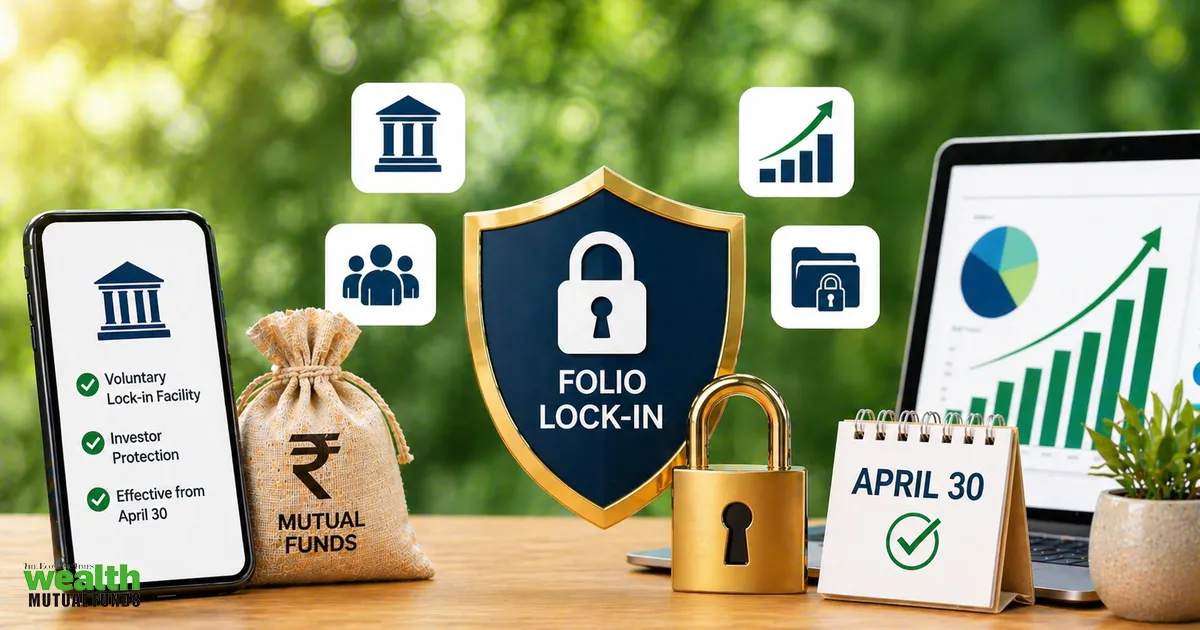
Sebi has enabled a new optional feature for mutual fund investors: a voluntary lock-in that temporarily blocks withdrawals and debits from their folios. Fifteen AMCs, including PPFAS Mutual Fund, are rolling it out. The facility is available for both demat and non-demat holdings and can be accessed through MF Central, giving investors tighter control without full exit restrictions.
Sebi has proposed changes to broker regulations aimed at better handling partially paid securities. The plan focuses on stricter payment timelines and a faster mechanism to retrieve pledged investments, reducing long delays that hurt liquidity and investor confidence. At the same time, the framework keeps some flexibility for difficult cases where timelines may be challenging, balancing efficiency and practicality.
Nippon Life India Asset Management is set to pay more than 96 crore rupees to settle SEBI charges tied to alleged investments of customer funds into high-risk Yes Bank bonds. The move is said to have contributed to large investor losses after Yes Bank was declared insolvent. The settlement includes funds expected to be returned to affected investors, with allegations of external influence in the decisions.
Never miss a story
Set alerts for the topics and sources you care about. Download Beige for free.
The US Securities and Exchange Commission and Gautam Adani and Sagar Adani have jointly requested more time in a US court, proposing a revised schedule for major submissions in a civil securities case. The SEC sued in November 2024, alleging investor misrepresentation. The Adanis deny wrongdoing and are pushing to dismiss the fraud suit.
SEBI’s consent order mechanism, modeled on the US SEC’s plea-bargaining approach, is meant to quickly resolve alleged defaults by market infrastructure and registered intermediaries. But the process is drawing scrutiny over how transparent it really is, with observers questioning whether consent settlements explain outcomes clearly enough for stakeholders and investors.
SEBI’s investor protection mechanisms can, in theory, return ill-gotten gains to affected investors. But in the Jane Street index manipulation case, experts warn compensation is not automatic. With only an interim order so far, victims may still need to clear legal and procedural barriers, making any actual payouts uncertain and potentially delayed.
A Bombay High Court decision involving a widow’s case against CDSL may have wider fallout for investors. The ruling could allow many client claims tied to broker defaults involving major depositories CDSL and NSDL. If leveraged, wronged account holders may find new legal pathways to seek restitution, potentially reshaping how such failures are handled in India’s market infrastructure.
Reading on mobile?
Open Beige in the app for a smoother experience — free on iOS and Android.
Yes Bank’s 2020 bailout restored stability, but rewards and losses were uneven. SBI converted an INR 2,450 crore lifeline into roughly a 3.6x gain, while retail AT1 bondholders were wiped out and still haven’t been compensated. The episode questions how India protects investors when systemic safety comes first—and whether the balance will shift.
Swipe through stories, personalise your feed, and save articles for later — all on the app.