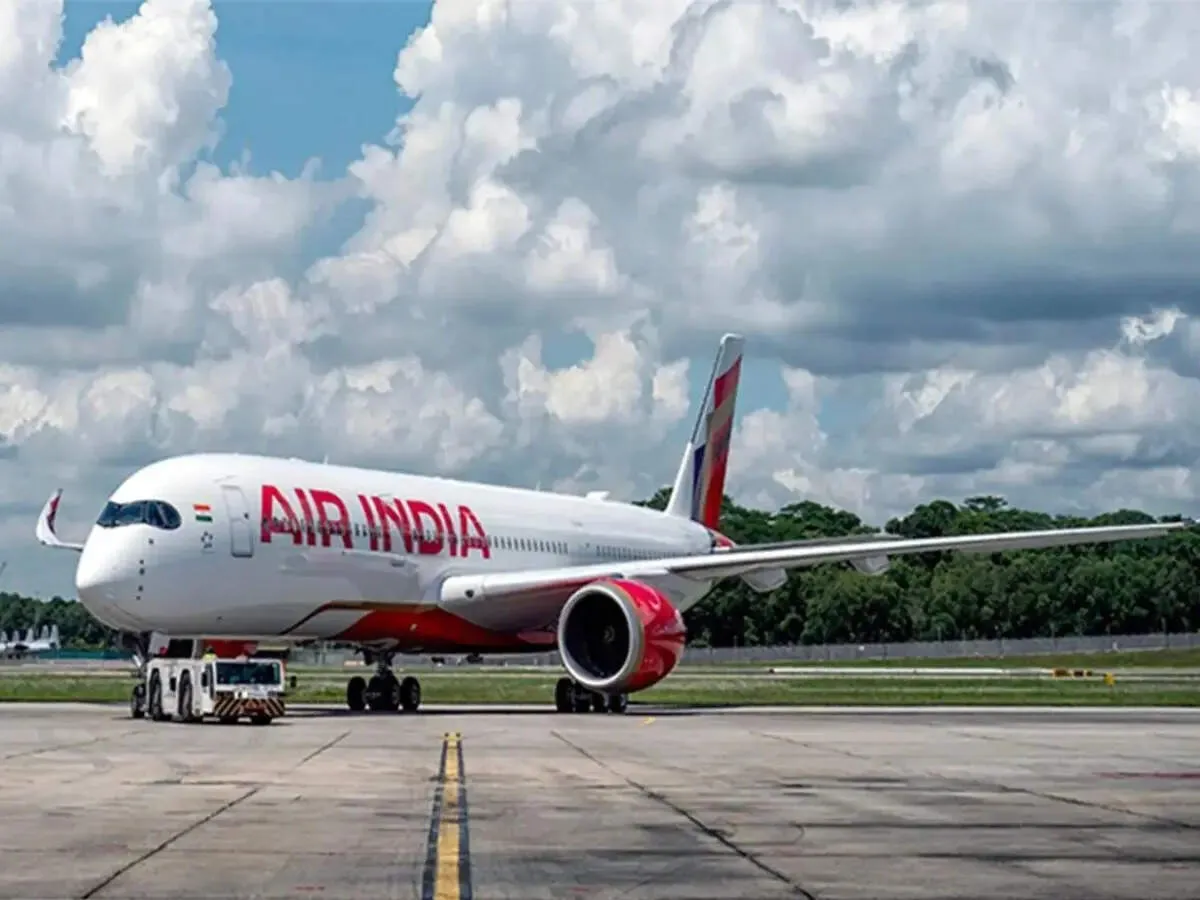
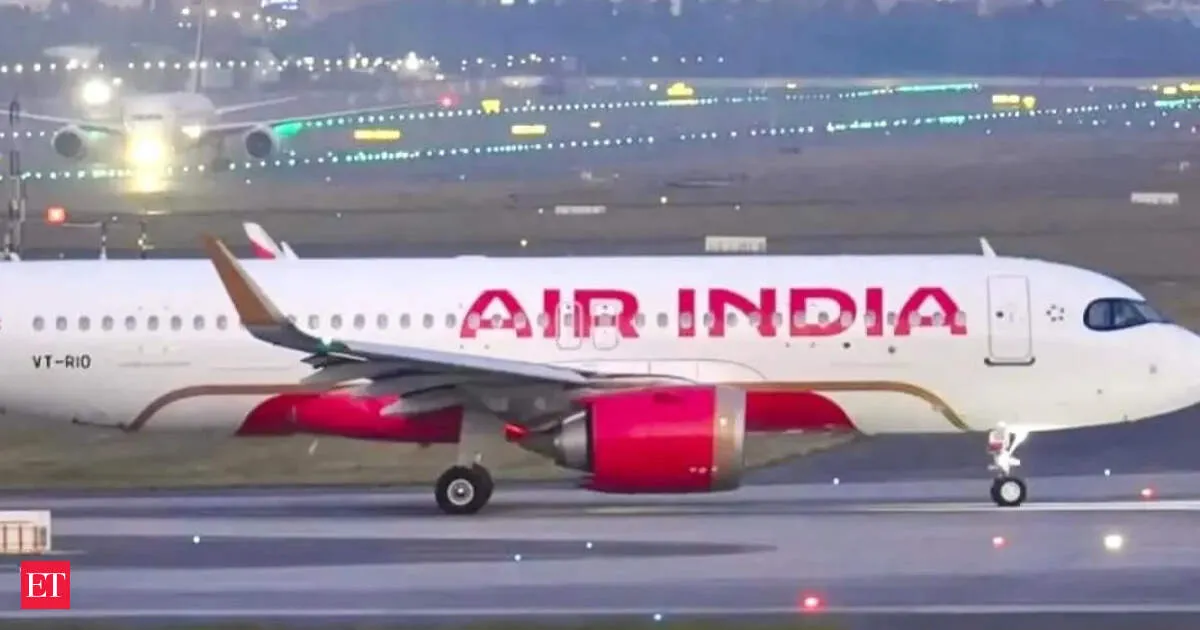
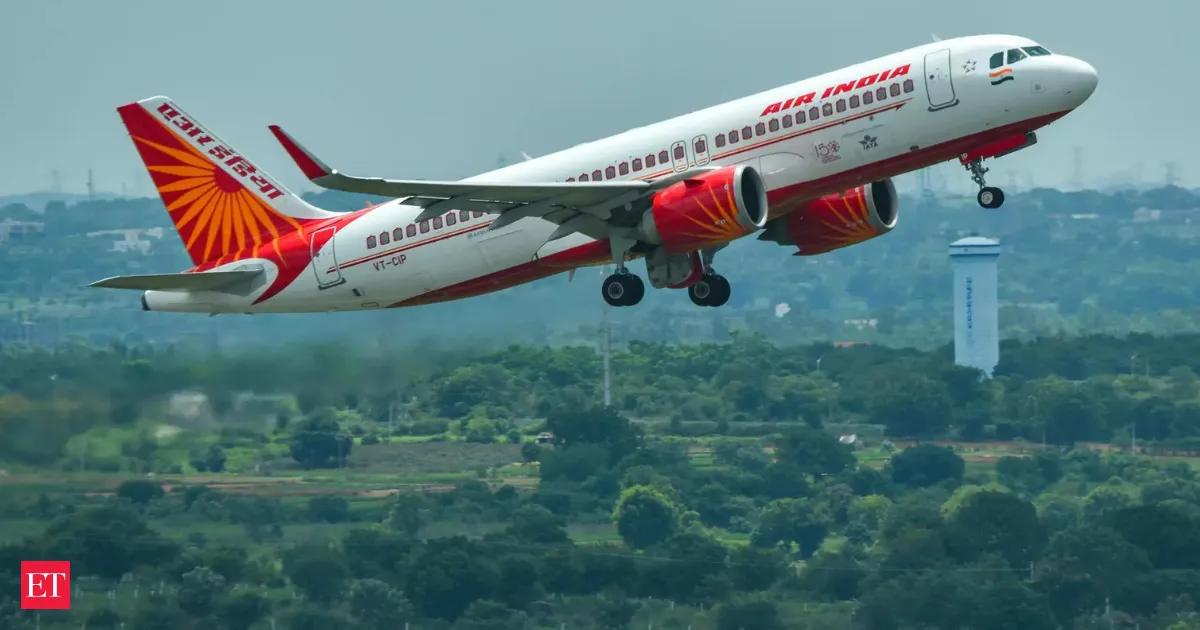
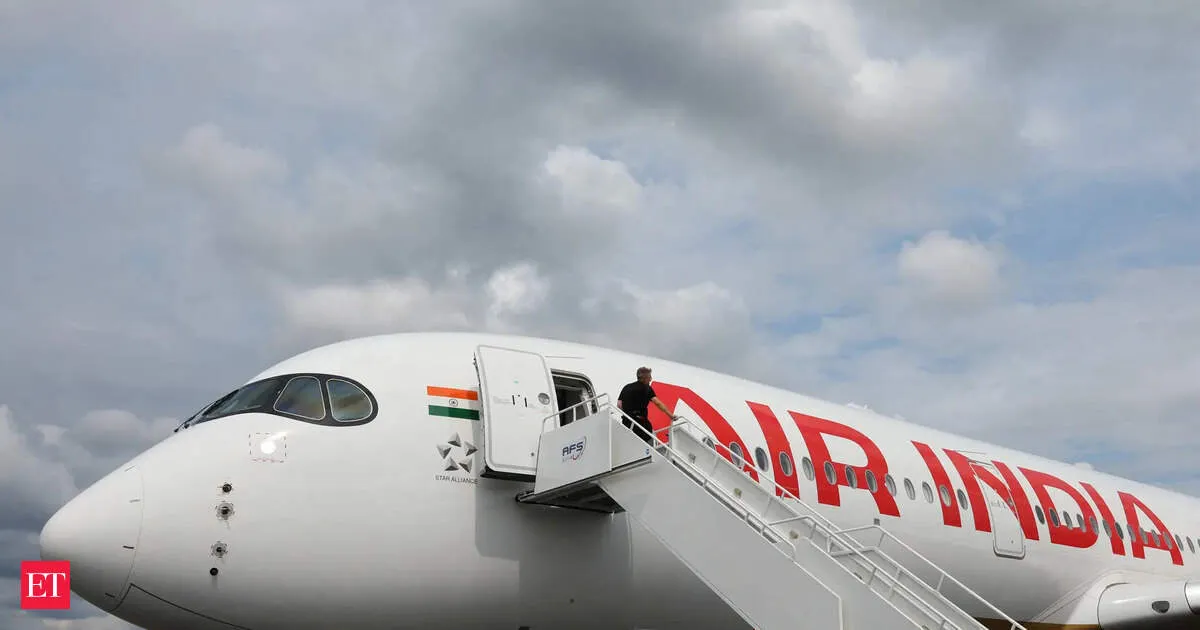
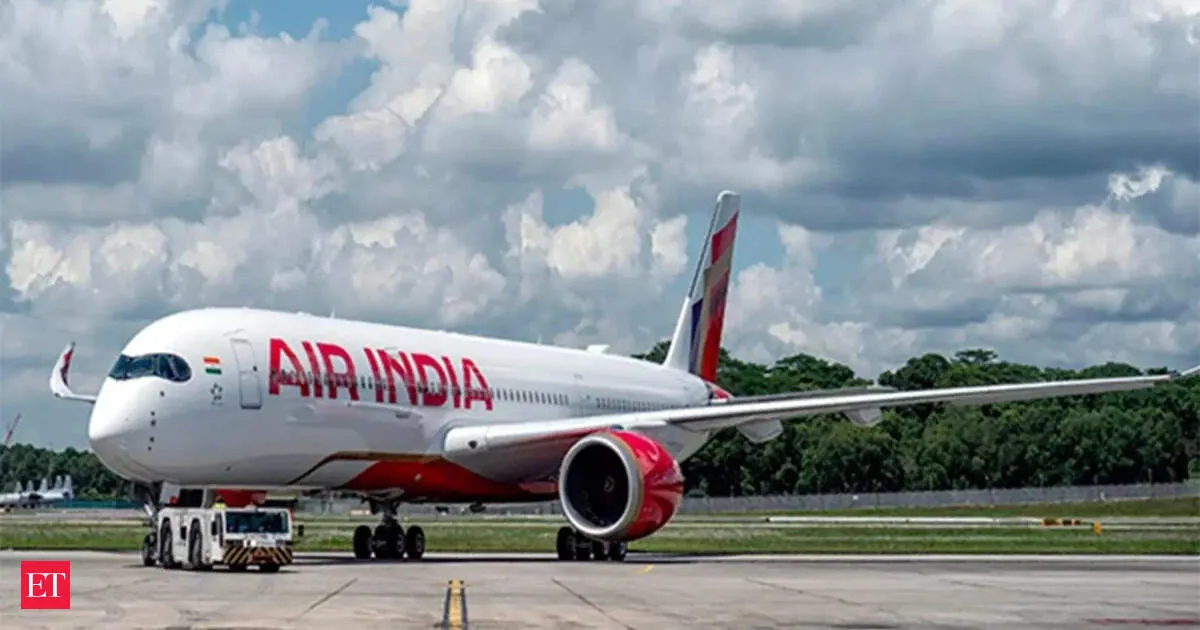
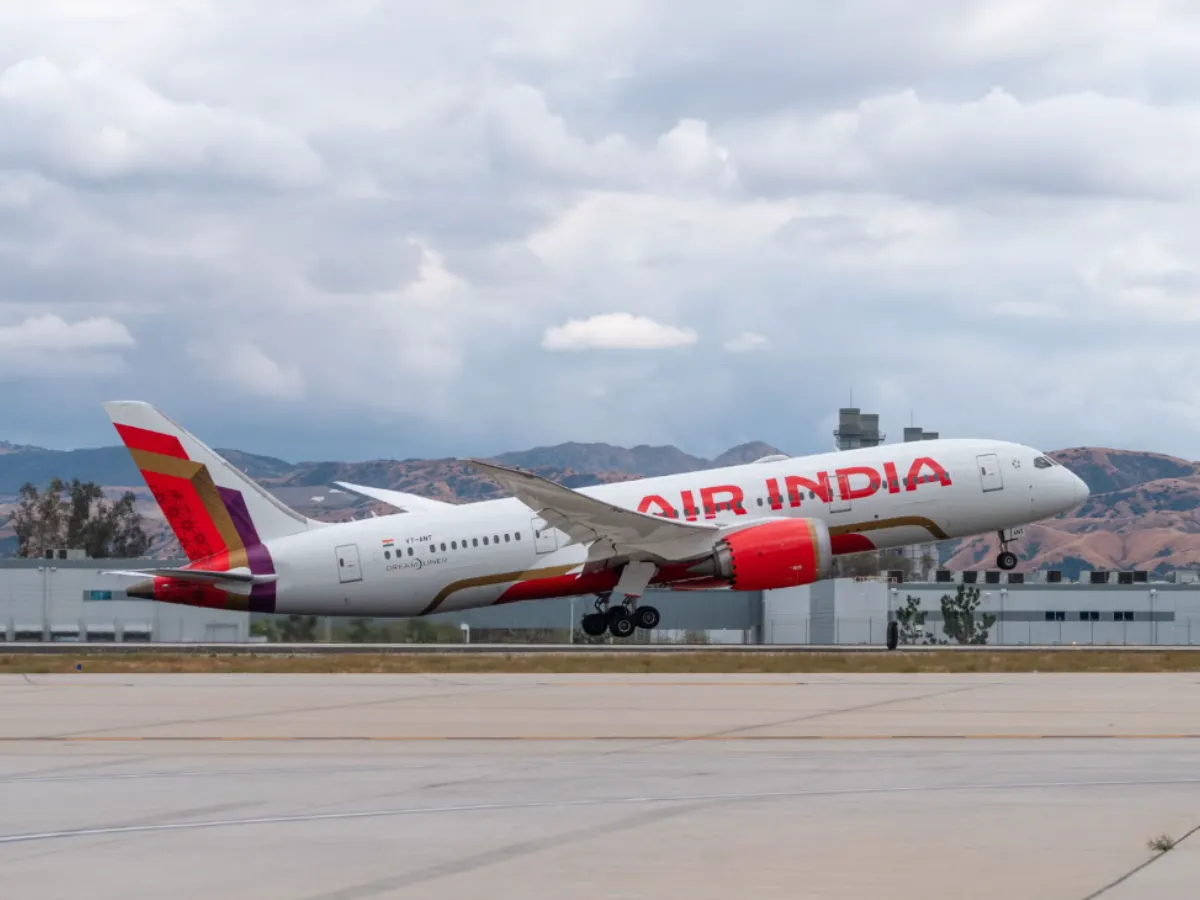
Air India will temporarily suspend and reduce flights on multiple international routes from June to August 2026, citing airspace restrictions and high jet fuel prices. The airline says the changes are meant to strengthen network stability and will provide affected passengers with alternate options. Even with the adjustments, Air India expects to keep operating over 1,200 international flights monthly.
Air India pushed back against claims it will cancel all international flights until July, saying the reality is more limited. The carrier is temporarily reducing some overseas operations, citing soaring jet fuel costs and longer flight times caused by airspace constraints—factors that are squeezing profitability on specific international routes.
Your news, in seconds
Get the Beige app — every story in 60 words, updated hourly. Free on iOS & Android.
A viral post claims Air India has cancelled all international flights until July 2026. But the airline has not grounded its global operations. Instead, it has temporarily reduced services on specific routes as costs rise and geopolitical tensions persist. Flights to key destinations are still operating, though some long-haul sectors are seeing lower frequency.
Thailand will raise its international passenger service charge by more than 50% to 1,120 baht at six major airports from June 20. The government says the higher fee will help finance airport expansion and infrastructure upgrades, including terminal work and improved safety technology. Officials add the new rate is still competitive versus other regional hubs.
Air India has cut international flights until July, blaming a sharp jump in jet fuel prices and airspace restrictions. The airline’s CEO said rising costs are driving the changes, with domestic services also impacted though less severely. Air India has responded by raising fares and introducing fuel surcharges to offset expenses, drawing criticism from Congress over “gross mismanagement.”
India’s civil aviation ministry has issued SOPs for a new hub-and-spoke model for international air travel. Air India will begin trials in June, aiming to connect domestic routes to global destinations with smoother immigration and baggage transfers. The plan is also designed to better use airport infrastructure nationwide, reducing friction for passengers during international journeys.
Never miss a story
Set alerts for the topics and sources you care about. Download Beige for free.
Air India plans to start international flights from Varanasi by adopting India’s hub-and-spoke model. The move is designed to bring global connectivity to cities beyond top metros, improve route efficiency, and cut passenger travel time by reducing reliance on congested hub airports. If implemented, Varanasi could become a key gateway for long-haul travel.
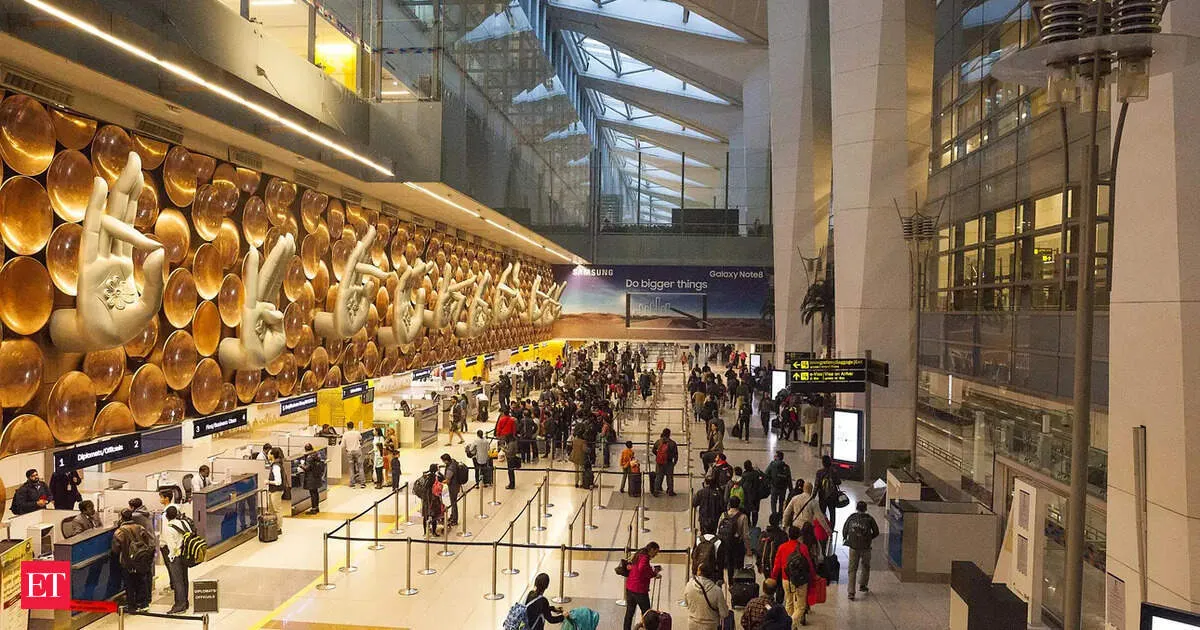
Indira Gandhi International Airport in Delhi is preparing a major international ramp-up. Starting in early May, Terminal 3’s Pier C will begin handling international passengers, expanding the airport’s annual international capacity by nearly 50%. The move is expected to reduce bottlenecks and strengthen Delhi’s position as a global aviation hub as more routes move through T3.
Akasa Air announced it will launch direct Mumbai–Hanoi flights from September 4, 2026, marking its entry into Vietnam. The airline plans to run four weekly services on the route, aiming to boost travel demand and improve connectivity between India and Southeast Asia as Hanoi and Vietnam attract more Indian travellers.
International flights from Tehran’s Imam Khomeini Airport are scheduled to resume on Saturday, with early services to Istanbul and Muscat. The move signals Iran’s phased reopening of its airspace after weeks of travel disruption, as the country gradually restores global air links by reopening major airports across the country.
Reading on mobile?
Open Beige in the app for a smoother experience — free on iOS and Android.
Swipe through stories, personalise your feed, and save articles for later — all on the app.