Tips Music has issued an official clarification after a court granted interim protection to Puja Entertainment in a dispute over alleged unauthorized use of Bollywood intellectual property. Tips Music strongly disputed the claims, saying they are malicious and misconceived, and pointed to film titles involved, including an upcoming release tied to the controversy.
The Bombay High Court ruled in favour of Sun Pharmaceutical Industries in a trademark dispute against United Biotech. It restrained United Biotech from using a similar mark, holding that Sun Pharma’s “Octride” has the stronger claim. The case relates to drugs used for acromegaly and carcinoid tumours, with the judgment protecting Sun’s reputation and goodwill.
Your news, in seconds
Get the Beige app — every story in 60 words, updated hourly. Free on iOS & Android.
Zee Entertainment has filed a lawsuit against the Reliance-Disney joint venture, alleging it continued using Zee’s copyrighted music without permission after existing licensing agreements expired. Zee is seeking $3 million in damages, underscoring intensifying disputes over content and intellectual property rights across India’s fast-evolving media market.
The US has raised fresh concerns about India’s high customs duties on IP-intensive goods and a proposed mandatory blanket license for AI developers using copyrighted works. India is still on the US “Priority Watch List” over weak IP protection, with fears including trade secret disclosure and patent revocations, especially affecting the pharmaceutical sector.
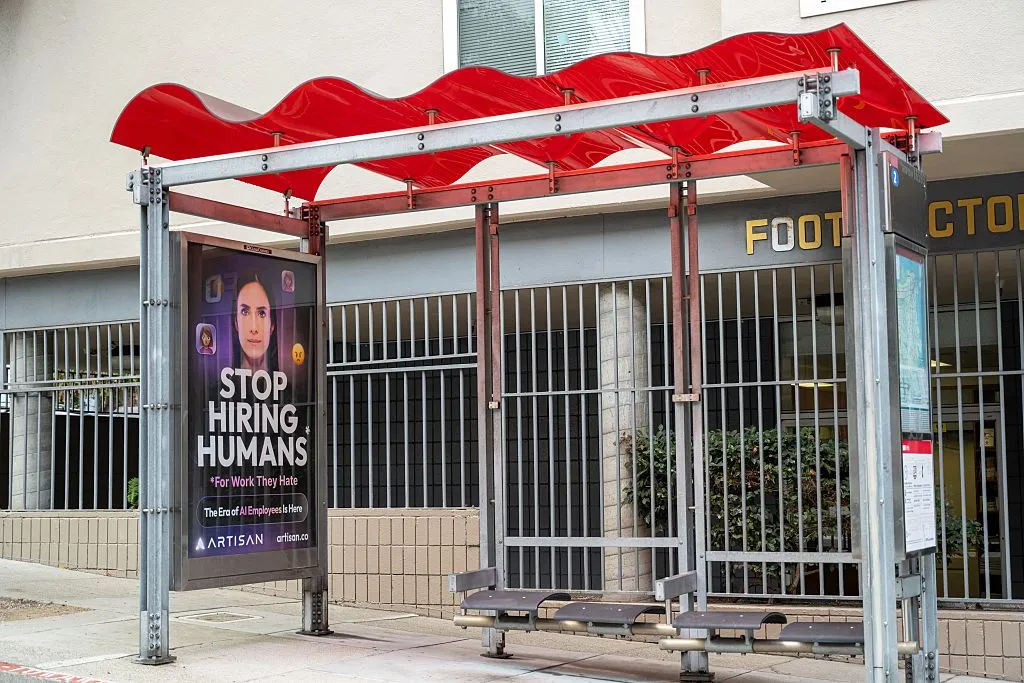
The creator behind “This is Fine” alleges AI startup Artisan copied his artwork, escalating tensions around generative AI and creator rights. The dispute follows an ad campaign by Artisan featuring billboards that go further—urging businesses to “stop hiring humans.” The back-to-back claims are now raising questions about ethics, consent, and accountability in AI branding.
India maintains that its intellectual property rules for pharmaceuticals are WTO compliant, even as the United States continues to press for stronger protections. The dispute comes as India supplies about 20% of global generic medicines, putting generics access and the domestic industry at the center of the argument. Both sides remain locked in long-running policy differences.
Never miss a story
Set alerts for the topics and sources you care about. Download Beige for free.
The US Trade Representative has placed Vietnam on the Priority Foreign Country list for inadequate intellectual property protection, while India, China, and Russia remain on the Priority Watch List. The move signals heightened concern over enforcement of IP rights, with the US pointing to negotiations and possible investigations to protect American innovators.
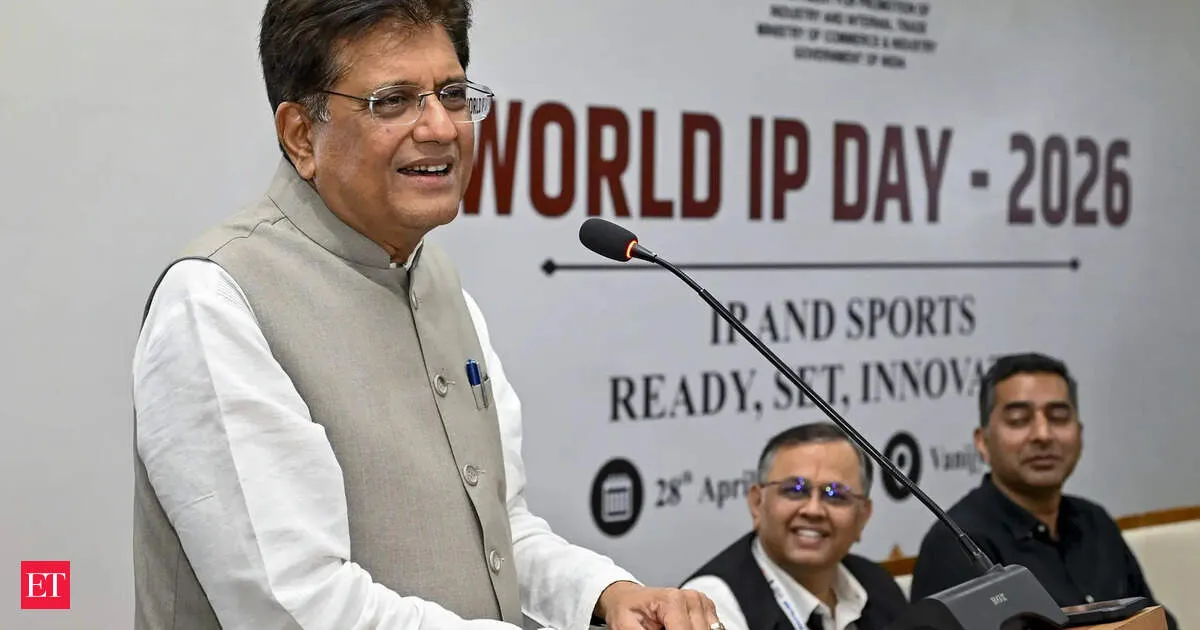
India is accelerating trade negotiations, with a faster push toward a free trade agreement with Canada. Talks are also advancing with Chile and Peru, but discussions with the Gulf Cooperation Council have been temporarily paused amid the conflict in West Asia. Separately, India plans to waive intellectual property fees for sporting goods for the next three years.
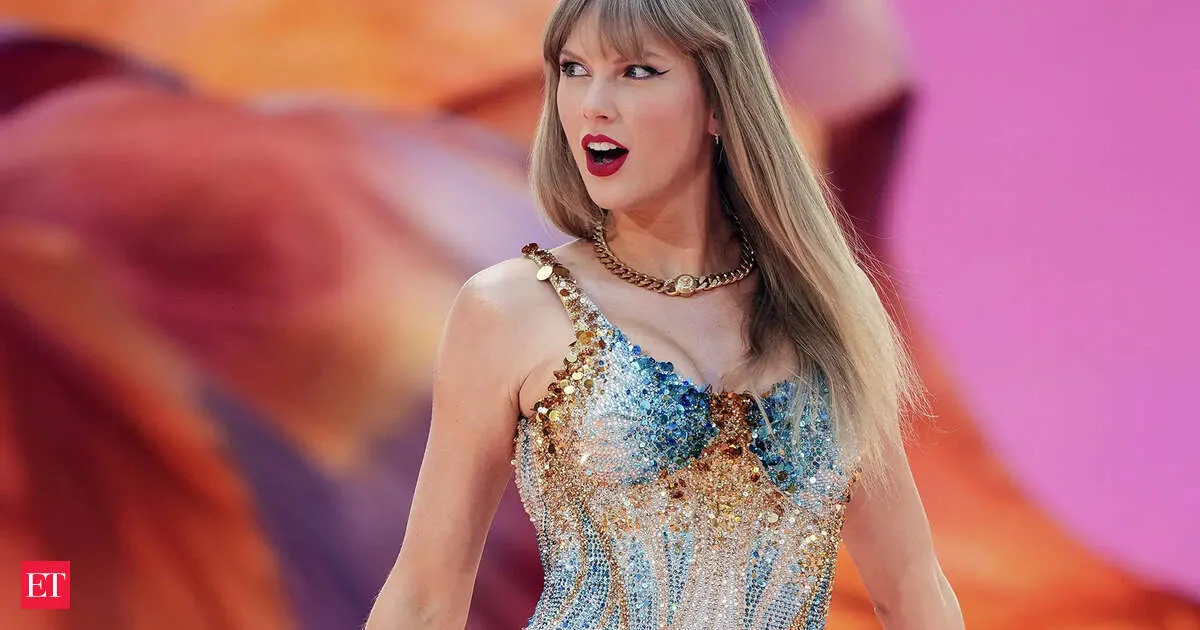
Pop star Taylor Swift has filed new trademarks covering her voice and performing image, alongside specific spoken phrases. The filing comes as AI deepfakes and misuse of celebrity likenesses spread, raising the stakes for impersonation and unauthorized content. Swift’s move aims to add an extra legal layer against exploitation—potentially even before misuse escalates further.
Delhi-based inventor Rajiv Rai Sachdev says Procter & Gamble used his neem-based decoction and processing method in its Whisper Ultra Clean sanitary pads. The Himachal Pradesh High Court has quashed P&G’s plea to dismiss the complaint, keeping the intellectual property battle alive and potentially setting up a costly legal fight over scientific know-how and product claims.
Reading on mobile?
Open Beige in the app for a smoother experience — free on iOS and Android.
AI firms are increasingly buying startups to quickly assemble “full-stack” capabilities as enterprises ramp up large-scale AI deployments. The push is less about headcount and more about securing complementary product features and valuable intellectual property. With the market changing rapidly, consolidation is emerging as the fastest route to cover gaps and win enterprise-ready AI systems.
The White House has accused China of industrial scale theft of intellectual property from American AI labs, saying the alleged practice exploits US innovation. Reporting by the Financial Times suggests the administration is preparing a direct crackdown. The move signals a hardening of international technology relations, with AI security at the center of US-China tension.
Swipe through stories, personalise your feed, and save articles for later — all on the app.