In his latest quarterly financial disclosures, President Donald Trump reported stock and bond purchases and sales worth tens of millions of dollars across major US companies during the first quarter. Filings covering over 100 pages show buying ranges that include Nvidia, Oracle, Microsoft, Boeing and Costco, alongside notable selling of Microsoft, Meta and Amazon. The White House says independent managers executed trades via index-replicating programs, while Trump is not required to specify asset classes in the same way lawmakers do.
Despite reports that Apple may involve Intel in some chip efforts, experts expect Taiwan Semiconductor Manufacturing Co to remain Apple’s primary manufacturing partner. The reason: TSMC’s advanced process technology, dependable production, and edge in packaging and yields are viewed as hard to replace—especially for Apple’s most important devices.
Your news, in seconds
Get the Beige app — every story in 60 words, updated hourly. Free on iOS & Android.
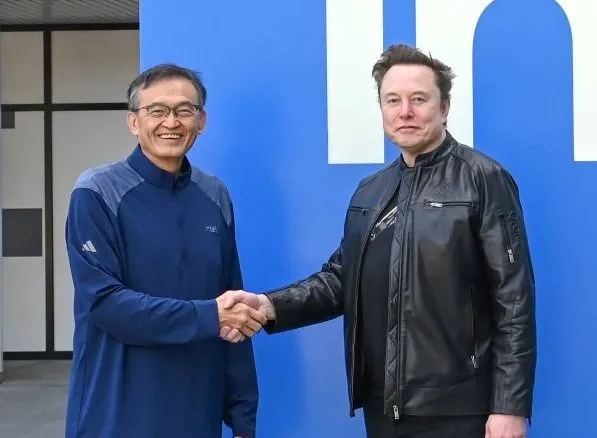
Intel’s CEO Lip-Bu Tan has steered the chipmaker toward customer-first partnerships, drawing interest from Apple and Tesla and striking a surprising deal involving Elon Musk. The strategy has already pushed Intel’s stock to a record high, raising hopes of a turnaround. But with industry competition intensifying, Tan now faces the bigger test: a real breakthrough in chips manufacturing and performance.
Intel’s shares have surged roughly 490% over the past year, fueling headlines about a dramatic comeback. But the move may reflect Wall Street’s optimism more than Intel’s pace of execution, suggesting investors are betting on a turnaround that could be unfolding more slowly than the stock implies.
Apple and Intel have reportedly reached a preliminary deal where Intel would manufacture chips for Apple devices, a potential manufacturing win for Intel and a capacity boost for Apple. The report says the US government played a role in the talks. Both Intel and Apple shares rose on the news, with the move also diversifying Apple’s chip sourcing strategy.
Apple is reportedly in exploratory talks with Intel and Samsung as it searches for backup chip suppliers in the US. The move follows recent supply disruptions that exposed how vulnerable production can be. The news has already shaken markets, with Intel’s stock jumping roughly 12%, signaling investor optimism about a potential manufacturing role for Apple’s future chips.
Never miss a story
Set alerts for the topics and sources you care about. Download Beige for free.
US stocks surged as the Dow gained over 350 points, the S&P 500 pushed to fresh highs, and the Nasdaq climbed nearly 250 points. The rally was powered by Intel reaching an all-time high alongside broad strength in tech and semiconductors. Oil prices fell sharply, with WTI dropping around 3%, while select companies like Pfizer and Anheuser-Busch posted stronger-than-expected results.
Intel shares surged 12% to an all-time high after results topped expectations and revived investor confidence in the chipmaker’s turnaround. The move was amplified by reports and chatter around a potential Apple manufacturing partnership, alongside a dramatic quarter rework. Observers are also weighing political momentum as headlines tie recent gains to the current U.S. administration’s claims.
Dutch quantum processor startup QuantWare has raised $178 million in new funding, with Intel Capital among the backers. The investment is set to expand QuantWare’s production capabilities as quantum computing aims to deliver dramatically faster data processing. With the sector projected to grow into a multi-trillion market over the next decade, the deal signals accelerating efforts toward real-world deployment.
Apple has reportedly held exploratory discussions with Intel and Samsung Electronics about producing the main processors for its devices, according to Bloomberg, citing people familiar with the talks. The move, if pursued, could diversify Apple’s chip supply chain and reshape how key processors are manufactured, with implications for US-based production and long-term sourcing strategy.
Reading on mobile?
Open Beige in the app for a smoother experience — free on iOS and Android.
Intel has appointed Alex Katouzian, formerly a Qualcomm executive, to lead its PC and “physical AI” division. Intel’s goal is to reshape its PC strategy using Katouzian’s mobile chip expertise and to blend those capabilities with the fast-emerging field of physical AI, signaling a potential pivot in how the company builds computing platforms.
US antitrust authorities have wrapped up their review of Intel’s investment in SambaNova, clearing the expansion of its stake. Intel put in $35 million in the chip startup, following an earlier investment and with plans to add another $15 million. The clearance effectively removes a major regulatory hurdle as Intel deepens its push into new chip technology.
Nvidia, AMD, and Intel led a sharp fall in chip stocks as AI spending worries hit sentiment ahead of major mega-cap earnings. The Magnificent Seven opened broadly lower, with just Apple gaining. Higher oil and elevated bond yields added pressure on valuations, while concerns over OpenAI revenue growth further cooled AI optimism.
After an Intel layoff, a man in his 60s is scrambling to find new work as reemployment proves far harder than expected. He’s learning new skills, applying broadly, and relying on determination while financial pressure and health concerns limit how long he can wait. His account highlights how career change and age can collide during downsizing.
Follow your favourite sources
Track sources, tags and categories — all in the Beige app.
The US government’s stake in Intel has jumped about 300%, reaching $36 billion. The deal, announced in August, implies an almost $27 billion paper return. Intel CEO Lip-Bu Tan reportedly secured the investment after a charm offensive to rebuild relations with President Donald Trump, who had earlier called for Tan’s ouster.
Intel’s turnaround is accelerating: its stock has surged beyond dot-com era peaks, powered by unexpected AI chip demand. Sales of Xeon server CPUs reportedly included previously written-off inventory, helping drive a more than 24% rally. Analysts say the move reflects a wider semiconductor rebound as AI infrastructure spending keeps ramping and competitors benefit too.
Intel stock surged nearly 28% in a single session, pushing the company above $80 to record highs. The move reflects explosive AI-driven demand, reinforced by strong Nvidia support. A stake said to have been entered near $20 per share in August 2025 is now worth about $36 billion, alongside Intel expanding AI chip production and foundry services tied to U.S. supply-chain priorities.
US markets moved sharply in opposite directions: the Dow slid over 150 points while the Nasdaq rose nearly 0.9% and the S&P 500 held steady gains. The shock came from Intel’s more-than-25% surge after strong earnings, fueled by AI data-center demand and a near-10% weekly run in semiconductors. Rising oil above $100 from Iran tensions weighed on industrials, while consumer sentiment stayed near record lows.
Stay informed on the go
Bite-sized news from 100+ trusted sources, right in your pocket.
Qualcomm’s stock surged more than 8% as investors piled into semiconductors after strong Intel earnings and improving industry sentiment. Still, the rally’s durability hinges on Qualcomm’s April 29 report, where investors will weigh demand signals against lingering smartphone weakness and memory constraints. The next update could determine whether momentum continues or fades.
American chip stocks hit fresh record highs as Intel’s strong revenue forecast fueled confidence in the AI boom. The broader semiconductor sector followed with notable earnings momentum, lifting names like AMD and Arm. Even Nvidia, the world’s most valuable company, rose—signaling investors’ belief that demand for AI infrastructure will keep accelerating.
Swipe through stories, personalise your feed, and save articles for later — all on the app.