In the late 1940s, chemist Harry Coover and colleagues sought a clear plastic, but one cyanoacrylate compound behaved “wrong,” sticking fiercely to lab surfaces instead of forming a controllable transparent polymer. Scientists later realized the flaw was a feature: the material undergoes ultra-fast polymerization on tiny traces of moisture and surface ions, creating near-instant bonds. After shifting from plastics research to adhesive development, cyanoacrylate appeared in medicine around 1958 and grew into a widely used commercial product.
Maruti Suzuki India has selected six startups for its accelerator program to build new technology-driven business solutions for automotive operations. The partnership targets smarter plant safety and higher efficiency, with an expectation that product development cycles will shrink. It also aims to strengthen material traceability and improve customer engagement, helping the company modernize operations and prepare for what’s next.
Your news, in seconds
Get the Beige app — every story in 60 words, updated hourly. Free on iOS & Android.
Atal Innovation Mission hosted the AIM SUMVAAD Central India Edition in Indore at RRCAT, uniting government, industry, academia, incubators, and startups. The summit launched the Madhya Pradesh Incubation Consortium and Rajasthan’s Thar Incubation Alliance while focusing on stronger state-centre collaboration, inclusive entrepreneurship, and scaling innovation. Leaders stressed incubators as engines of scalable ventures and patient, research-led growth.
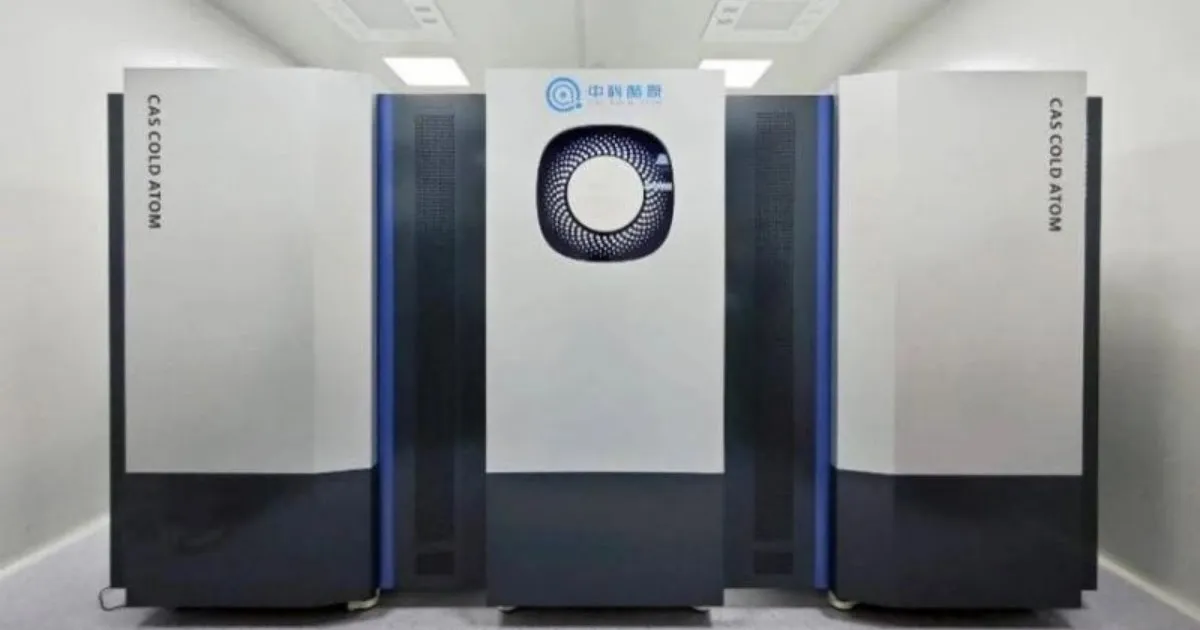
China has unveiled the Hanyuan-2, a dual-core quantum computer with 200 qubits that reportedly consumes under 7 kW. Built in Wuhan by CAS Cold Atom Technology, it uses neutral atom arrays—sidestepping superconducting or ion-trap cryogenic demands. The cabinet-style system uses a compact laser cooling setup, aiming for easier operation and industrial deployment in fields like AI, pharma, and defense.
Karnataka’s State Planning Commission is proposing a push to decentralize the tech ecosystem beyond Bengaluru, targeting tier-II and tier-III cities. The roadmap includes Karnataka Innovation Orchestration Centers designed to accelerate deeptech incubation and R&D, aiming to help the state emerge as a global benchmark for technology-driven development.
India and Australia are shifting from strategic alignment to practical defence industrial cooperation, but experts warn that intent must become action. They call for implementation-focused partnerships, co-development, and joint innovation to strengthen sovereign capabilities in the Indo-Pacific. Deeper industrial ties, they say, will support regional stability and improve the security architecture.
Never miss a story
Set alerts for the topics and sources you care about. Download Beige for free.
Adobe says firms are getting agentic AI ready the right way by repairing workflows before rolling out AI tools. In India, Adobe describes its teams as a major engine of innovation, driving nearly one third of global innovation including Firefly AI. The company expects AI-fueled adoption across fashion, jewelry and travel as younger users expand online transactions.
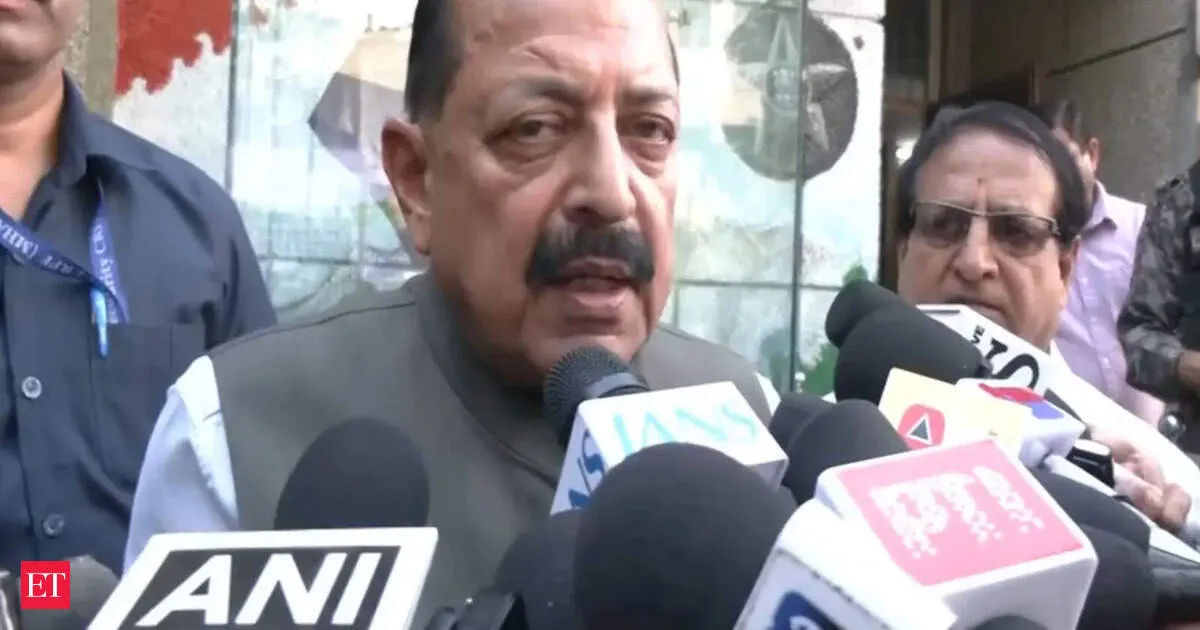
Minister Jitendra Singh says India’s newly launched Research, Development and Innovation Fund is drawing strong interest from private players. Backed by Prime Minister Narendra Modi, the scheme targets high-risk, high-impact breakthroughs, with companies funding 50% of projects. More than 200 proposals are currently being assessed, pointing to growing momentum toward national self-reliance and economic security.
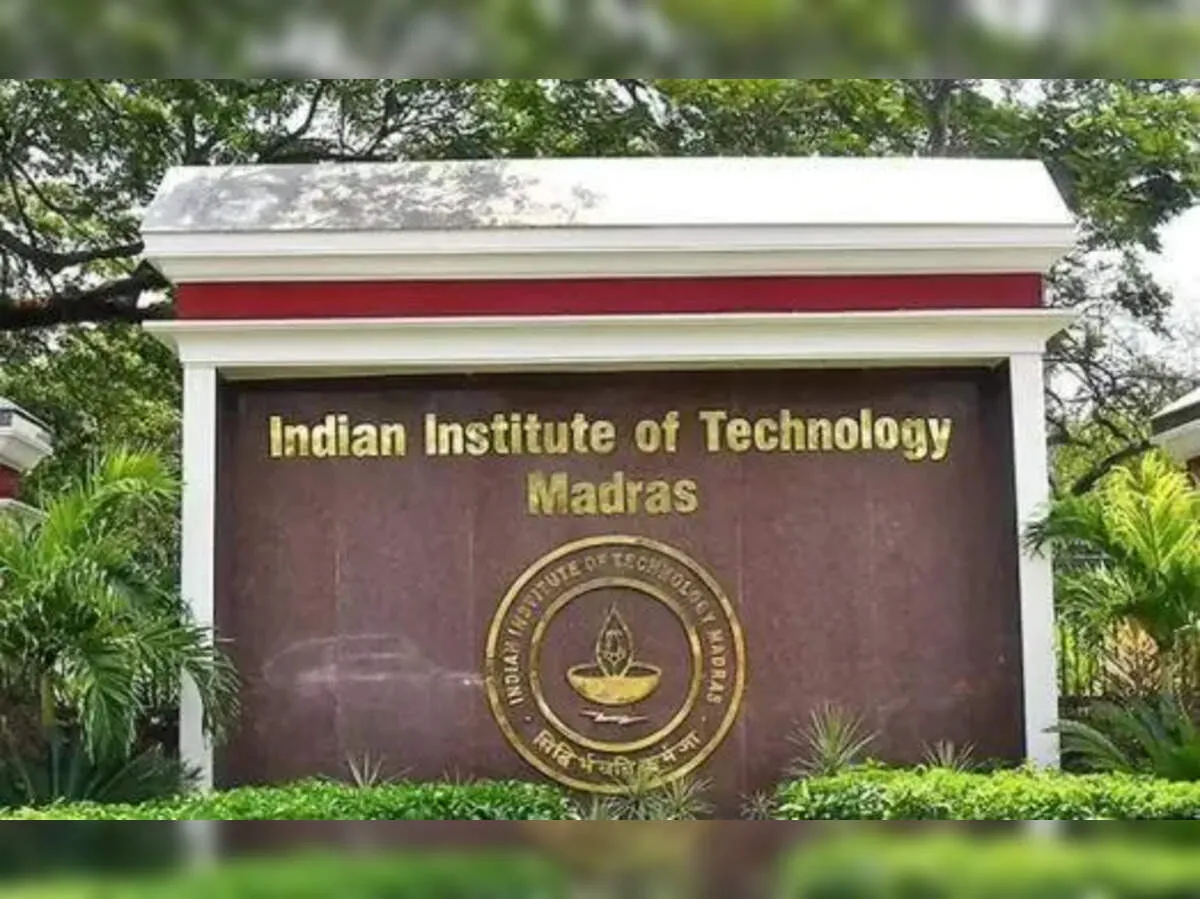
IIT Madras Global Research Foundation has launched its first US center in Menlo Park, California, signaling a major push to strengthen India’s deep-tech ecosystem. The center is designed to connect Indian deeptech startups with international capital and market access, positioning the institute as a gateway to global opportunities and partnerships.
Top European tech leaders are calling for simpler, faster AI regulation, warning that the current framework is limiting innovation and growth. They argue Europe needs stronger industrial policy and easier merger approvals to help domestic companies scale. The push comes as rivals elsewhere move ahead with AI deployed in real-world products, making the timing feel urgent.
Reading on mobile?
Open Beige in the app for a smoother experience — free on iOS and Android.
NASSCOM CoE says it will scale India’s AI innovation by prioritizing real-world deployment, not just pilots. By linking startups, businesses, and government, it aims for measurable impact and unbiased curation to select solutions. The plan includes expanding AI centers nationwide, targeting growth beyond metros into Tier II and Tier III cities.
Researchers say barocal could enable refrigeration without traditional greenhouse-harming refrigerants. By applying pressure to “plastic crystals,” the material shifts state and absorbs heat, potentially offering a cheaper and nonpolluting alternative to today’s cooling systems. If results scale, it could disrupt everything from home fridges to cold storage for food and drinks.
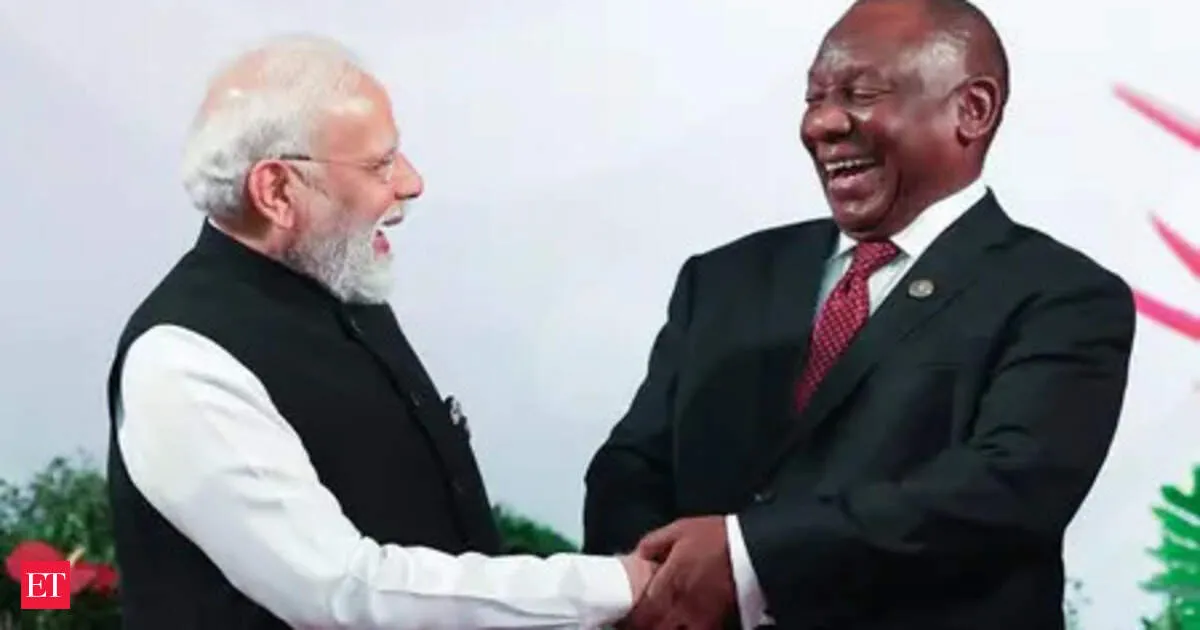
India will host the fourth India Africa Forum Summit after a gap of a decade, aiming to deepen cooperation through strategic partnership, investment, and innovation. The summit will include high level meetings and business discussions focused on inclusive transformation. India says its development support reflects a non predatory approach to strengthen long term engagement with African nations.
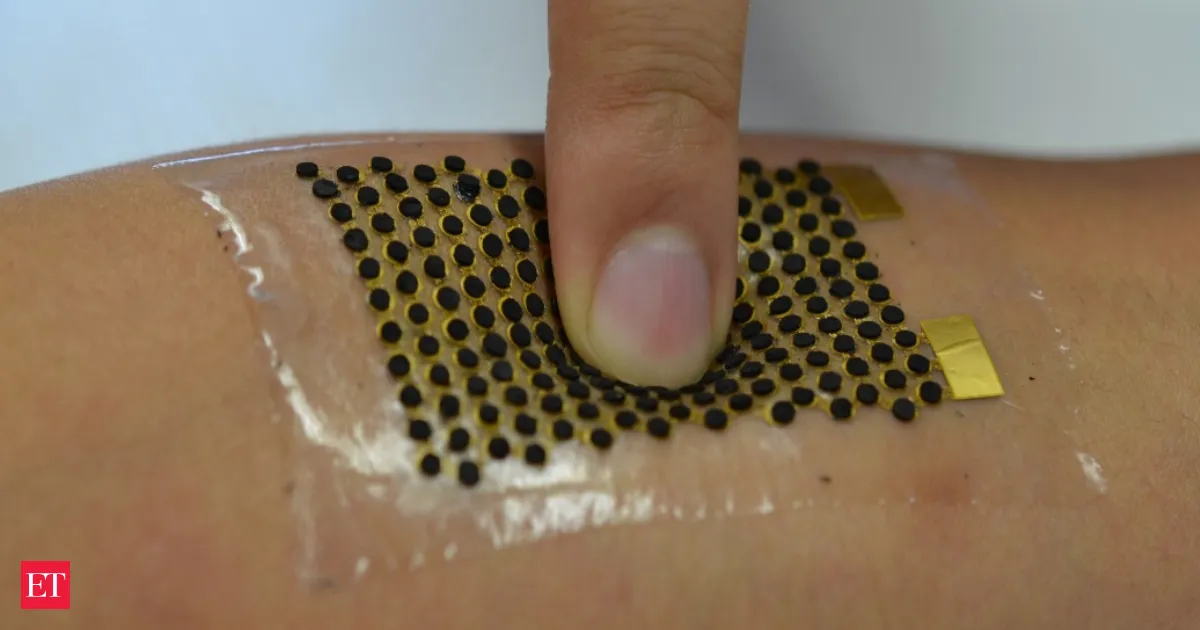
Japanese scientists say they’ve built a wearable that generates electricity from human sweat using special enzyme ink. The breakthrough could remove batteries and charging cables entirely, while still powering low-energy sensors. Once operating, the device can wirelessly transmit data—an approach that may reshape the design of future health monitoring gadgets by making them more sustainable and convenient.
Follow your favourite sources
Track sources, tags and categories — all in the Beige app.
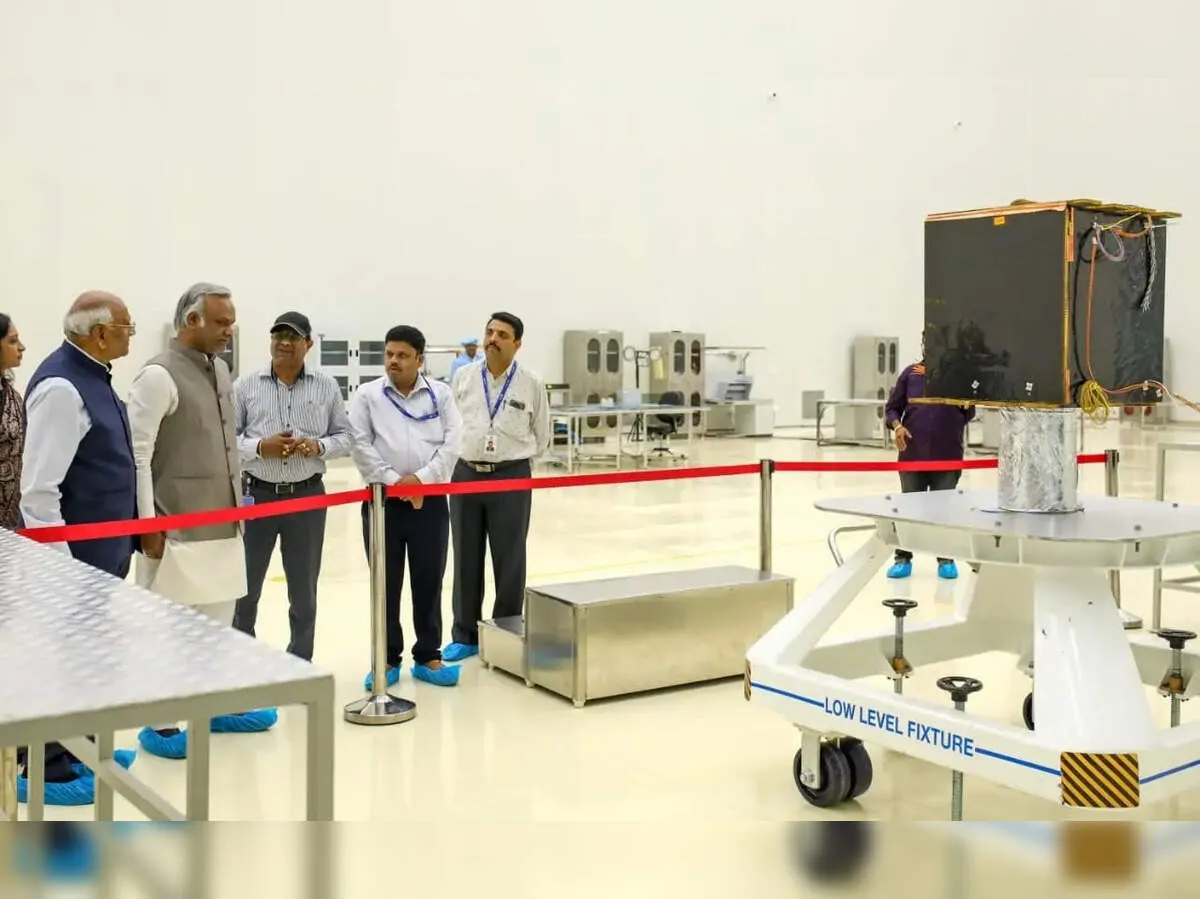
Karnataka has launched India’s first state-led Centre of Excellence for Space Technology (CoE SpaceTech Foundation) in Bengaluru. The initiative is designed to close the gap between research and market-ready solutions by backing applied innovation, training talent, and building an ecosystem. It will bring together government, industry, startups, and academia to help accelerate India’s space economy.
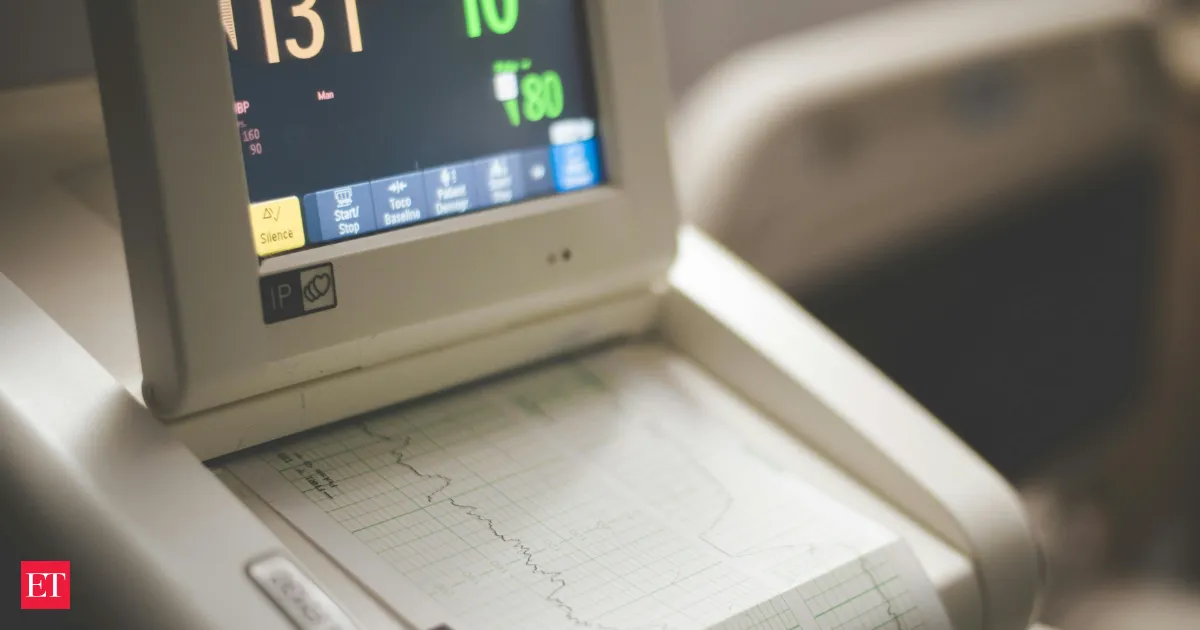
In 1956, inventor Wilson Greatbatch was tinkering at his workbench when an unexpected wiring mistake produced a steady electrical pulse that mimicked a heartbeat. That accidental signal became the spark for pacemaker design, driving years of engineering before the first implantable devices. The result: far better survival and quality of life for heart patients worldwide.
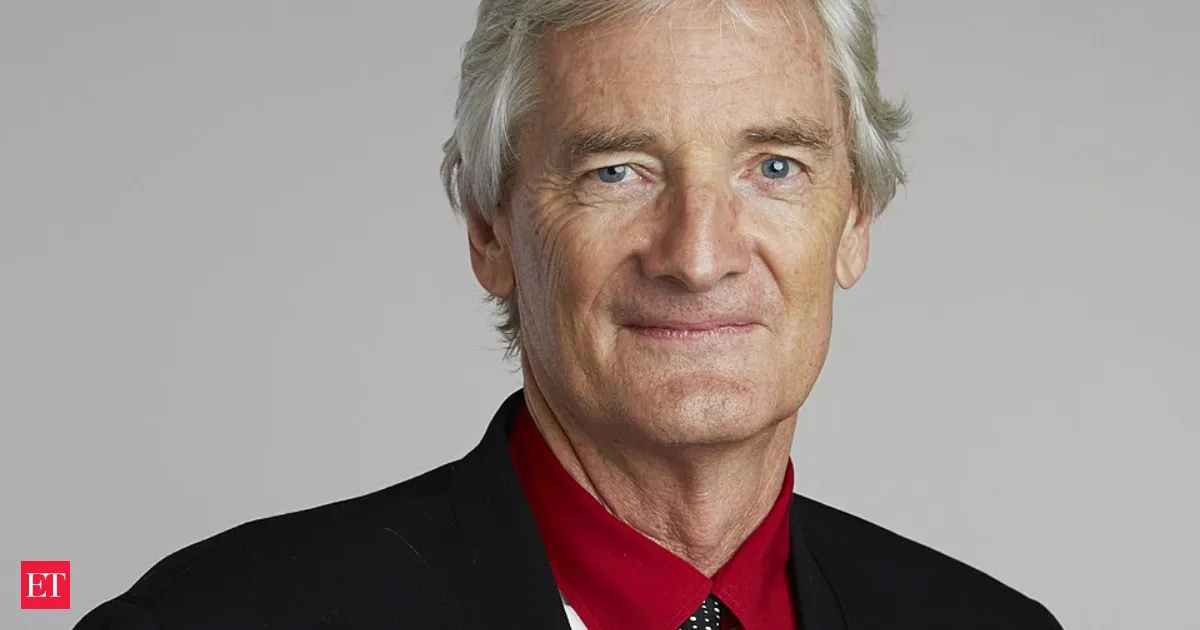
James Dyson’s bagless vacuum breakthrough began with a basic household annoyance: a vacuum that lost suction. Instead of accepting the failure, he pursued a 15-year cycle of experimentation and engineering, built on cyclonic separation principles. The result turned everyday frustration into a billion-dollar product and a powerful reminder that innovation often starts small.
Maharashtra’s cabinet approved an Artificial Intelligence Policy 2026 that targets a Rs 10,000 crore investment and aims to generate 1.5 lakh new jobs. The plan includes setting up AI Excellence Centres and Innovation Cities to speed AI adoption across sectors. The policy also focuses on building a skilled workforce and creating an ecosystem for innovation.
Stay informed on the go
Bite-sized news from 100+ trusted sources, right in your pocket.
India has outlined a two phase Digital Public Infrastructure roadmap aimed at reaching a 30 trillion economy by 2047. DPI 2.0 runs from 2025 to 2035 to build capable citizens, while DPI 3.0 spans 2035 to 2047 to spur prosperity through innovation. The plan targets MSMEs, farmers, education, and health, pushing local economic growth.
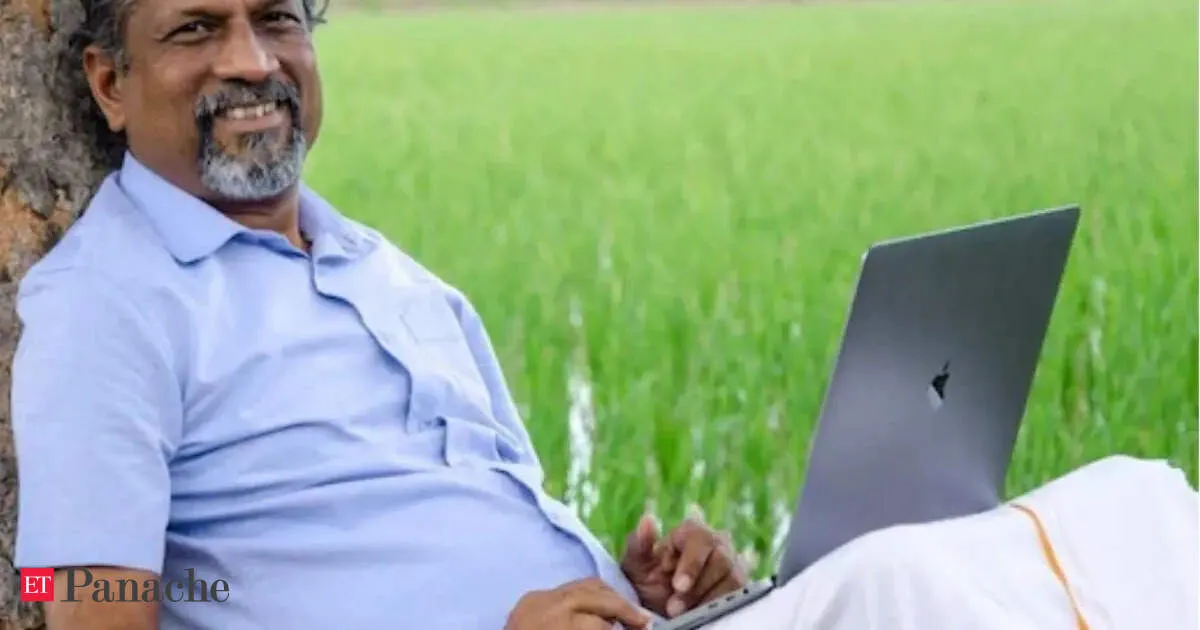
Zoho founder Sridhar Vembu has urged NRIs, particularly in the US, to return to India. He argues that America’s perception of India is changing and links that respect to India’s growing economic strength. Vembu says bringing back overseas talent can speed up innovation and guide India’s youth, strengthening the country’s global standing.
Swipe through stories, personalise your feed, and save articles for later — all on the app.