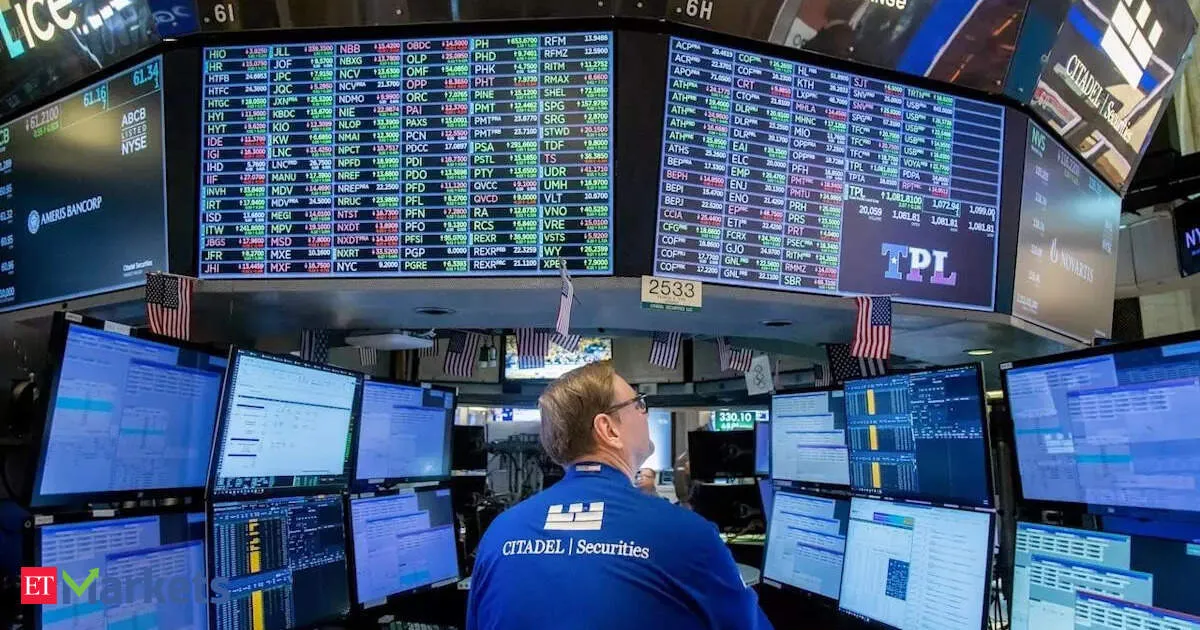
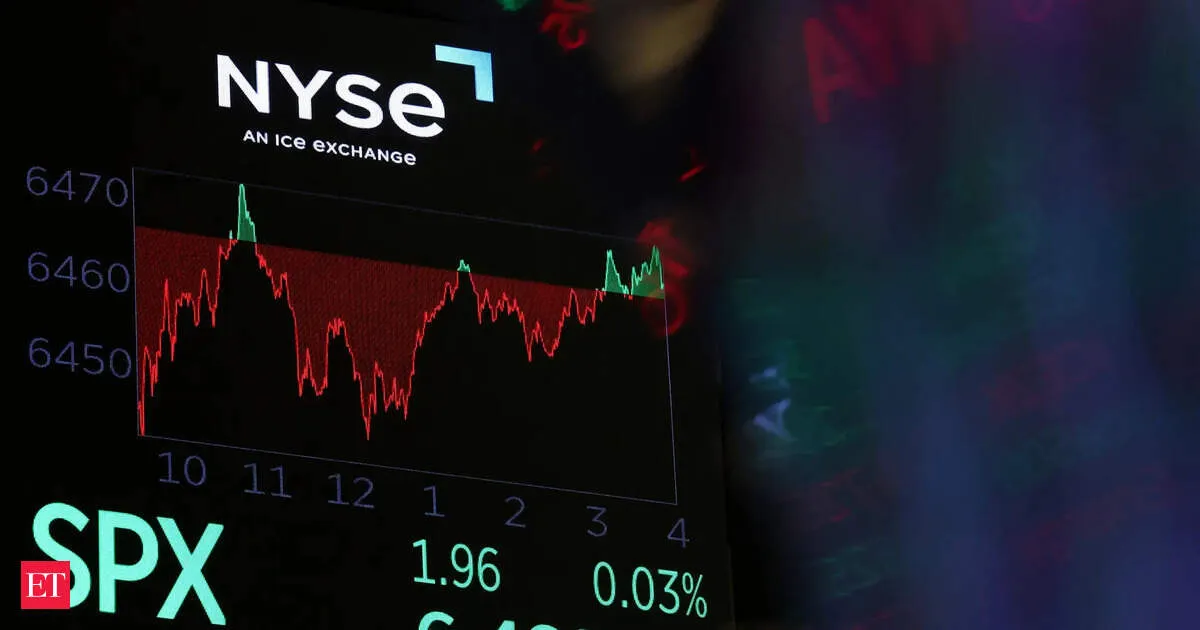
US stocks fell sharply on Friday, reversing AI-driven record momentum as crude prices surged and stoked global inflation worries. Benchmark Treasury yields jumped, making bonds more appealing than equities and weighing on risk appetite. The Trump-Xi summit produced little, while US-Iran tensions—after sharp comments—raised doubts about the Strait of Hormuz reopening. Despite the pullback, the S&P 500 notched its seventh straight weekly gain. Incoming Fed chair Kevin Warsh faces mounting pressure amid sticky inflation concerns.
US stocks pulled back from record highs as crude oil surged and Treasury yields climbed, reviving inflation worries. All three major indexes fell, with AI-driven tech stocks hit hardest as investors rotated toward bond yields and reassessed how aggressively the Federal Reserve might act. The move followed Middle East tensions after US-Iran-related uncertainty and raised concerns about global borrowing costs, with the 10-year yield reaching its highest level since May 2025.
Your news, in seconds
Get the Beige app — every story in 60 words, updated hourly. Free on iOS & Android.
US markets took a sharp turn lower on Friday, May 15, 2026, with the Dow, S&P 500 and Nasdaq all falling after President Donald Trump concluded his China visit without easing key investor worries. The S&P 500 slid to 7,436 and the Nasdaq fell 1.25%. Nvidia dropped nearly 4% and Amazon also slipped as Treasury yields jumped on hotter-than-expected inflation data. Oil topped $108, the dollar strengthened, while gold and silver plunged amid renewed volatility and Iran uncertainty.
Gold prices are tumbling sharply, falling over 13% since the U.S.-Iran conflict escalated on February 28. Spot gold dropped 2% to around $4,557 per ounce, the lowest in weeks, with losses extending for a fourth straight session. The move is being blamed on rising oil prices fueling renewed inflation fears, higher U.S. Treasury yields, and a stronger dollar. Markets have also grown more skeptical about near-term rate cuts, weighing on the non-yielding metal.
US stock futures show a split: the Dow Jones and S&P 500 are red, while the Nasdaq stays green. The driver appears to be a jump in crude prices above 120, lifting costs across sectors. Energy-heavy and cost-sensitive industries like transport and manufacturing get hit first, pulling broader indices down even as technology-linked stocks remain relatively resilient.
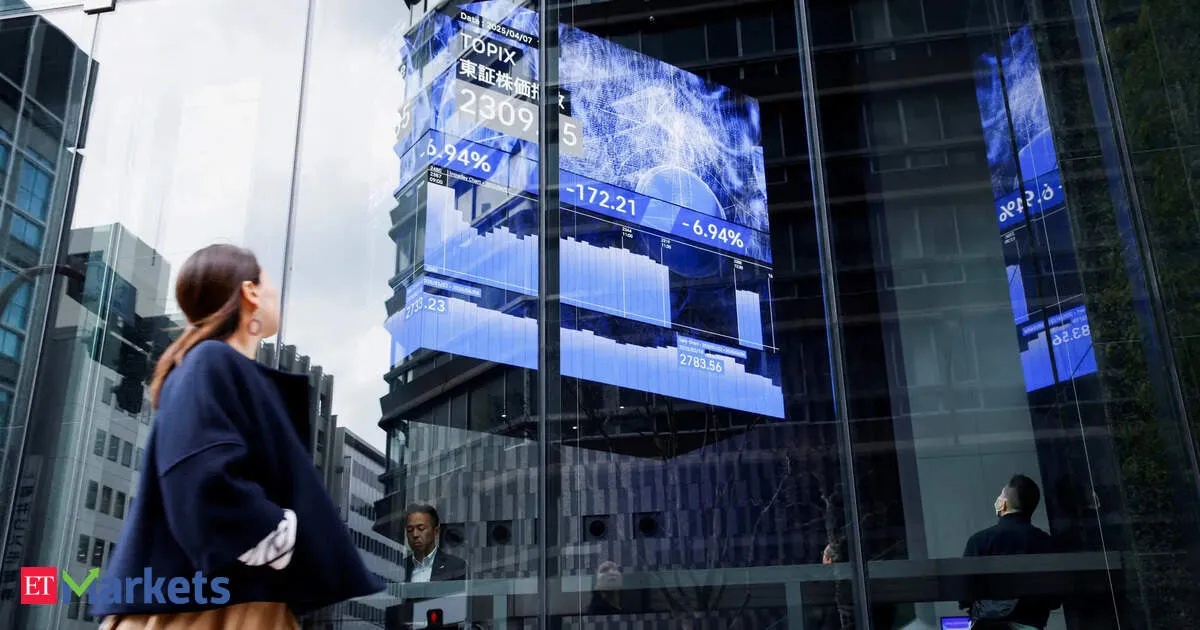
Japanese government bond yields climbed on Thursday, with the benchmark 10-year JGB yield reaching a 29-year high. Markets reacted to reports of possible U.S. military action to end the Iran stalemate, which pushed oil to a four-year high. The surge raised fresh inflation concerns, driving bond yields higher as investors repriced rates expectations.
Never miss a story
Set alerts for the topics and sources you care about. Download Beige for free.
US markets slipped sharply today, with the Dow dropping below 49,200, the S&P 500 nearing 7,160, and the Nasdaq falling over 50 points. Oil jumping above $100 reignited inflation fears, while Federal Reserve uncertainty kept traders cautious. Surprisingly, gold and silver also fell, pointing to liquidity stress rather than a rush to safety. Tech sentiment weakened too after Microsoft’s OpenAI shift.
Iran’s oil blockade standoff has traders watching the Strait of Hormuz as oil prices hover around $108 a barrel, up nearly 50% since the war began. Iran says it could reopen the choke point carrying close to 20% of global oil supply, demanding the US lift its blockade and push toward ending the conflict. For now, tankers remain stuck and disruption keeps inflation worries alive.
Asian markets pulled back from record highs as oil prices climbed again amid renewed shipping troubles in the Gulf near the Strait of Hormuz. The move follows a strong Wall Street session but signals fragile risk appetite in Asia-Pacific, with MSCI’s broad index slipping 0.5%. Futures also point to a weaker European start.
Japan’s government bond yield curve steepened as investors turned cautious ahead of a 30-year debt auction. Higher oil prices and a weaker yen intensified inflation concerns, lifting long-term yields. Traders are also factoring in global jitters, including geopolitical tensions tied to Iran and strong U.S. payroll data.
Reading on mobile?
Open Beige in the app for a smoother experience — free on iOS and Android.
Indian government bonds fell on the first trading day of the new fiscal year, with the 10-year yield edging toward an eleventh straight increase. Traders cited higher oil prices after President Trump signaled ongoing attacks linked to Iran, alongside caution before the first FY27 debt sale. Inflation fears and the possibility of rate hikes further pressured sentiment.
Swipe through stories, personalise your feed, and save articles for later — all on the app.