India’s government is preparing consultations on managing fallout from the West Asia war, with PM Narendra Modi urging citizens to save fuel. Officials are considering measures to conserve energy and protect foreign exchange, while industry leaders are likely to be brought into discussions to keep supplies steady and limit economic pressure.
The government is considering a new initiative called Rural Prosperity and Rural Resilience to directly connect industries with rural producers. The plan is designed to strengthen value chains by improving skills and expanding market access, while encouraging distributed manufacturing and greater corporate presence in rural areas. It also aims to transform local livelihoods by combining enterprise support with digital systems.
Your news, in seconds
Get the Beige app — every story in 60 words, updated hourly. Free on iOS & Android.
Skills Secretary Debashree Mukherjee said large industries could be allowed to engage apprentices up to 25% if they already met the 15% requirement in the past three years. Firms would also need to pay at least 30% above the mandated minimum rates and retain employment for at least 35% of apprentices, tying expansion to outcomes.
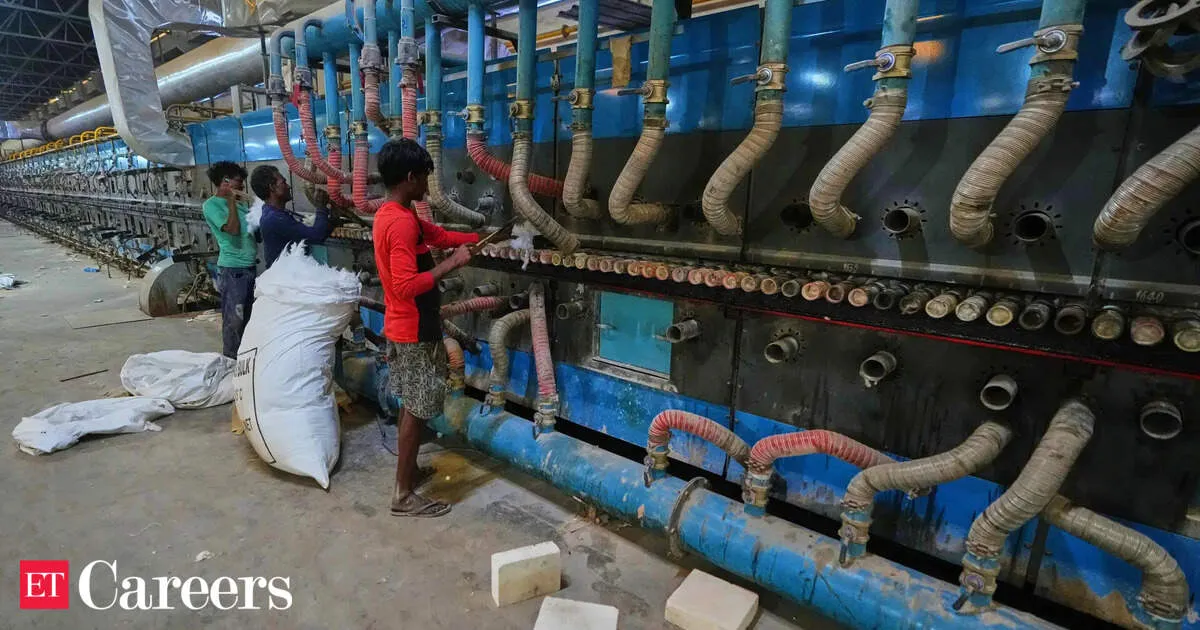
India’s manufacturing sector is moving toward AI for better efficiency and quality, and early adopters are seeing tangible gains. But a new report argues the biggest barrier isn’t the technology—it’s execution. Companies struggle with integration and data readiness, while startups push practical tools to help factories deploy AI effectively. The outlook: human-AI collaboration, not job losses.
WTC Mumbai has submitted a memorandum seeking GST issue redressal, spotlighting emerging challenges faced by the industry. The document outlines key concerns and puts forward recommendations aimed at improving how GST-related problems are addressed, signaling growing pressure on policymakers to respond to business difficulties and streamline compliance.
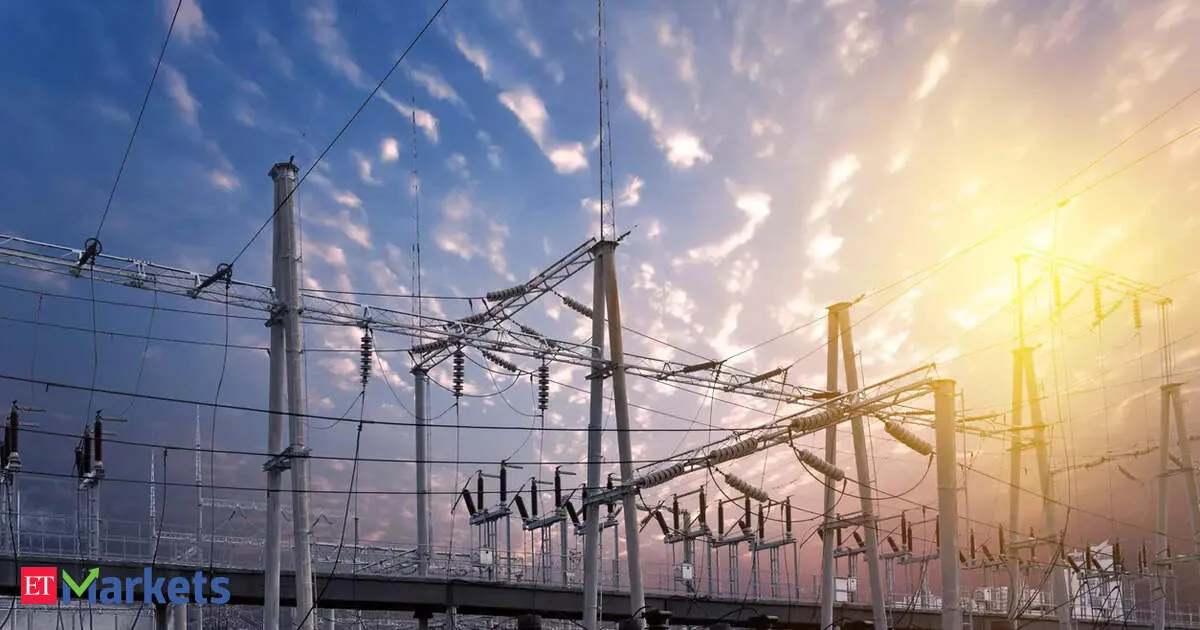
India’s Draft Electricity (Amendment) Bill, 2025, proposes ending cross-subsidies, enabling private distribution, and setting tariffs closer to actual costs. If implemented, industrial power bills—especially for energy-intensive players like steel, cement, aluminium, and data centres—could fall, lifting margins. States with currently “distorted” tariffs are expected to benefit the most from the reset.
Never miss a story
Set alerts for the topics and sources you care about. Download Beige for free.
Ahead of the Union Budget process, the Finance Ministry has invited suggestions from industry and trade bodies on possible changes to duty structures, tax rates, and the broadening of the tax base. The communication covers both direct and indirect taxes and asks stakeholders to provide economic justifications for proposed changes.
Swipe through stories, personalise your feed, and save articles for later — all on the app.