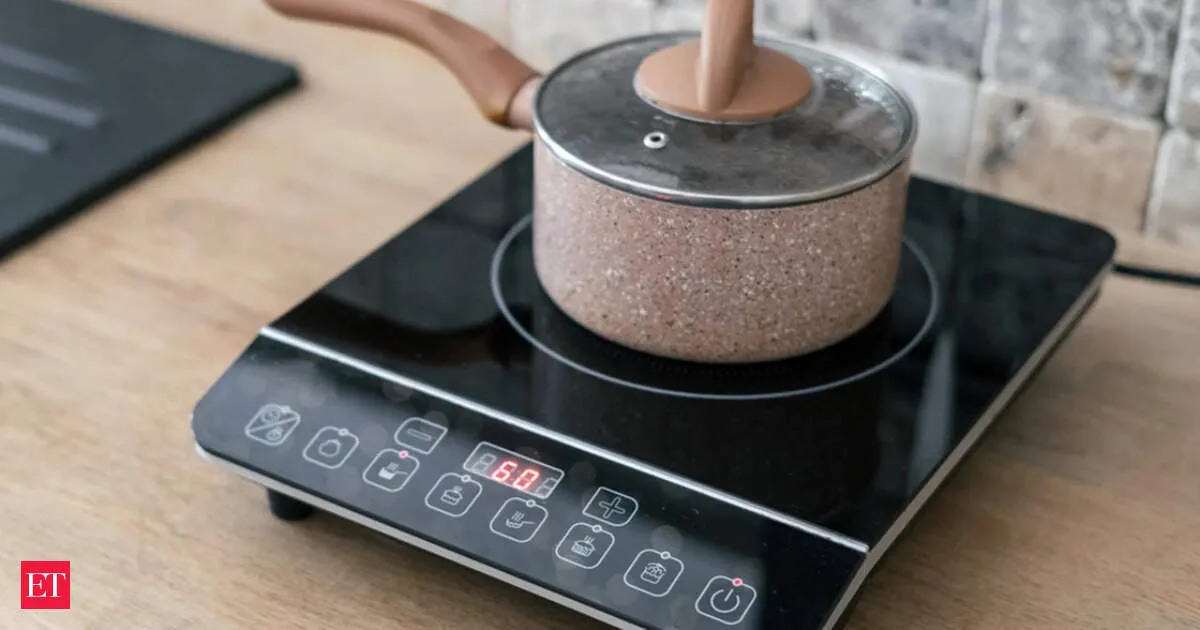
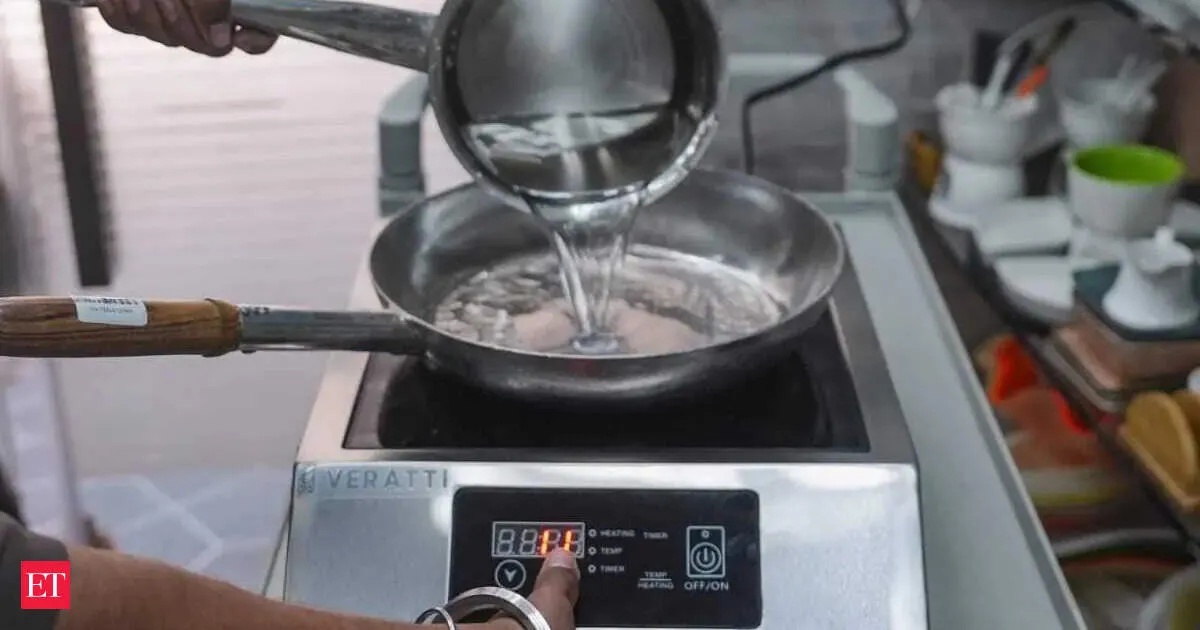
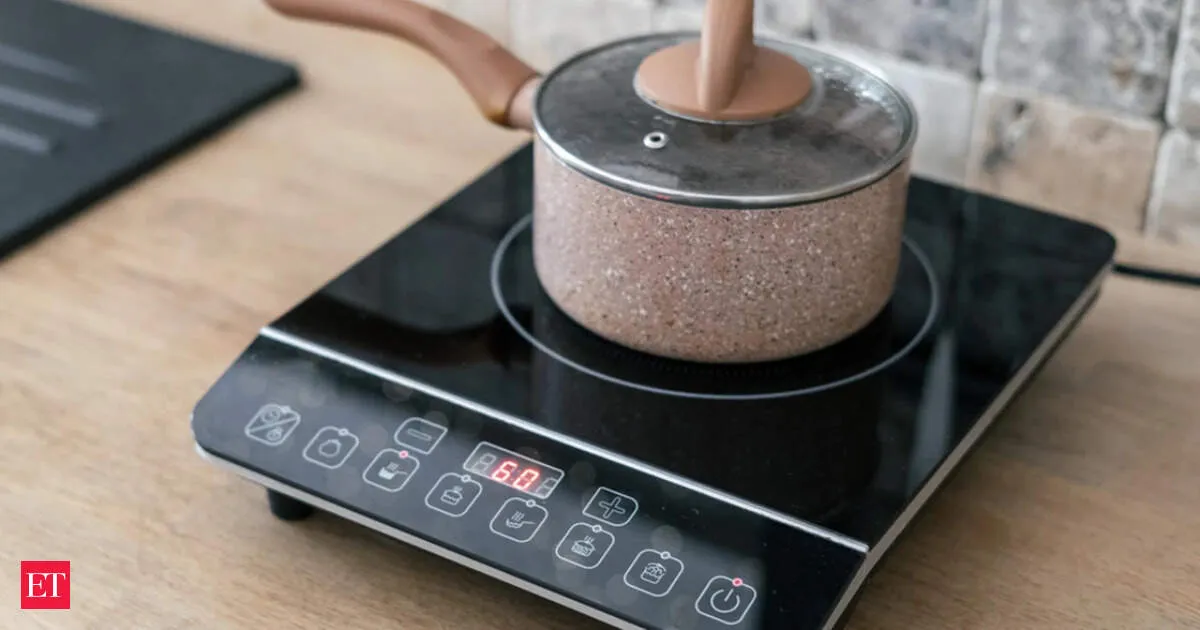
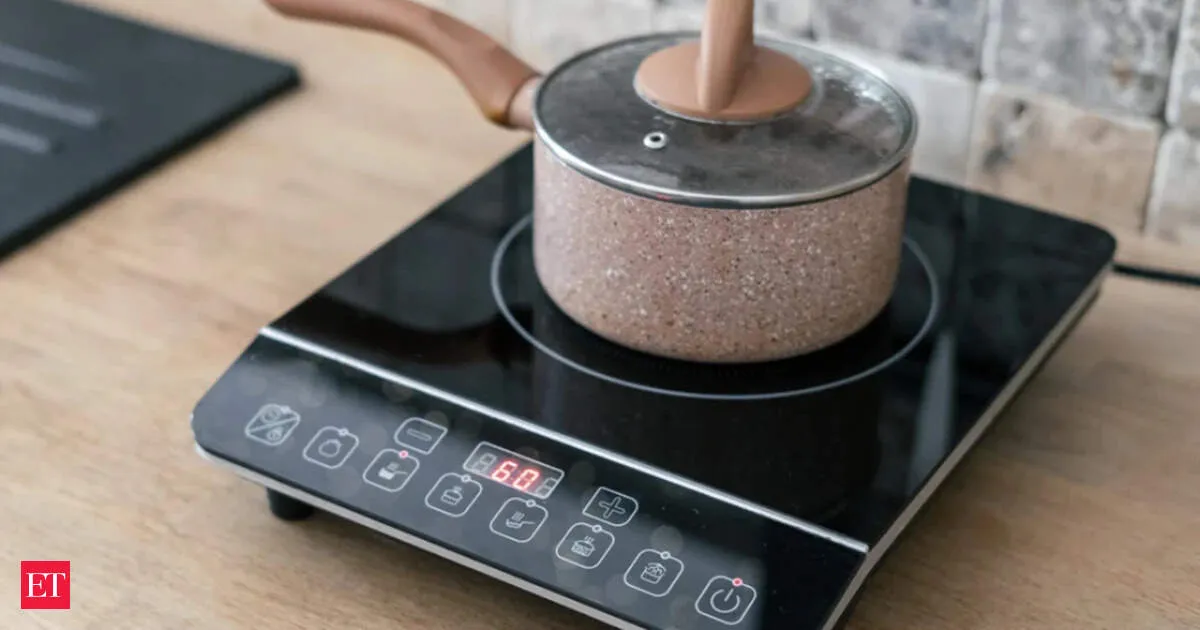
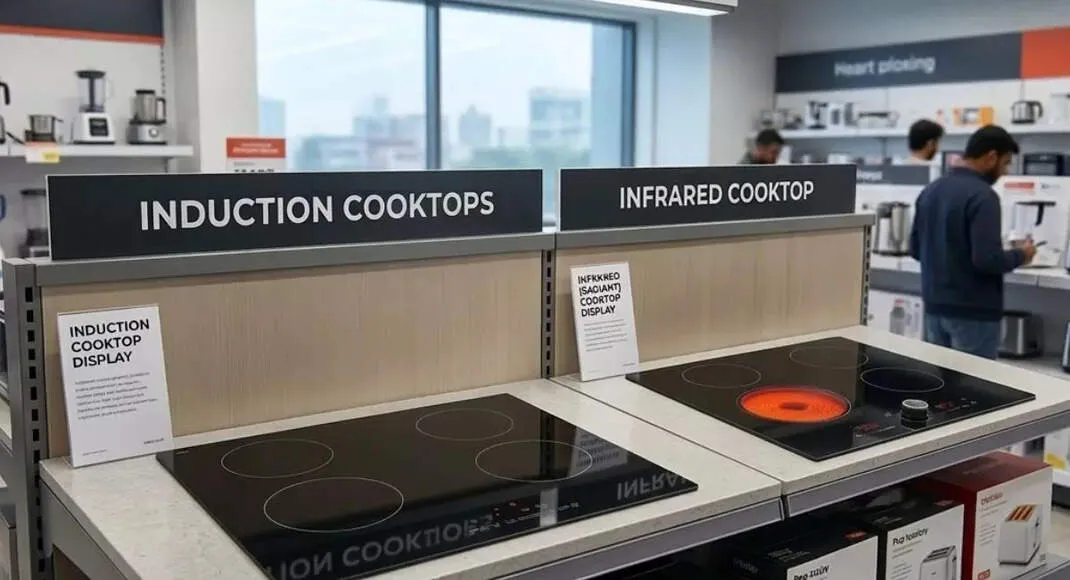
The government is pressuring manufacturers to ramp up induction cooktop production as it plans to acquire millions of units in the next 18 months. The move aims to accelerate a shift away from LPG cooking toward electricity-based cooking, signaling a major policy push on household energy choices and industrial capacity.
India is weighing incentives for induction cooktops as it looks to speed up the switch from LPG to electric cooking powered by solar. The government is considering support under the PM Suryaghar Muft Bijli Yojana, alongside possible tax cuts and lower import duties to reduce prices and spur domestic production. The push comes as energy pressures intensify amid wider regional turmoil.
Your news, in seconds
Get the Beige app — every story in 60 words, updated hourly. Free on iOS & Android.
Facing the West Asia crisis and supply pressures, the government is considering policy changes to improve access to induction cooktops. Officials are reportedly discussing a cut in customs duties on key components and a possible reduction in GST, aiming to lower prices for consumers and boost uptake of energy-efficient cooking appliances.
India is considering lowering customs duties on induction cooktop components and reducing GST on the appliances themselves. The move is intended to encourage local manufacturing, improve supply conditions, and make electric cooking more affordable. To tackle lingering demand-supply gaps and price volatility, the government is also easing quality control orders selectively to protect raw material availability.
When Iran-war disruptions tightened LPG supply, Indian households increasingly turned to induction cooktops, creating a sudden spike in demand. That shift raises a harder question than “can consumers adapt”: can India produce induction cooktops at scale quickly and reliably. The article argues energy security hinges on many overlooked supply-chain details, not just end-user choices.
Swipe through stories, personalise your feed, and save articles for later — all on the app.