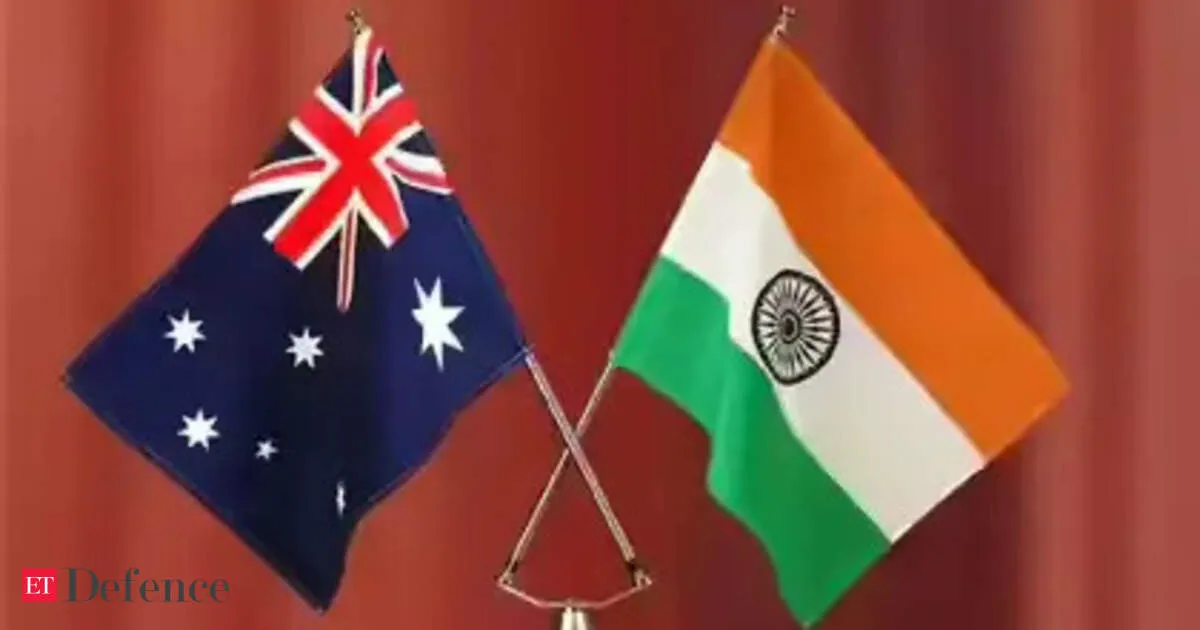
India and Australia are shifting from strategic alignment to practical defence industrial cooperation, but experts warn that intent must become action. They call for implementation-focused partnerships, co-development, and joint innovation to strengthen sovereign capabilities in the Indo-Pacific. Deeper industrial ties, they say, will support regional stability and improve the security architecture.
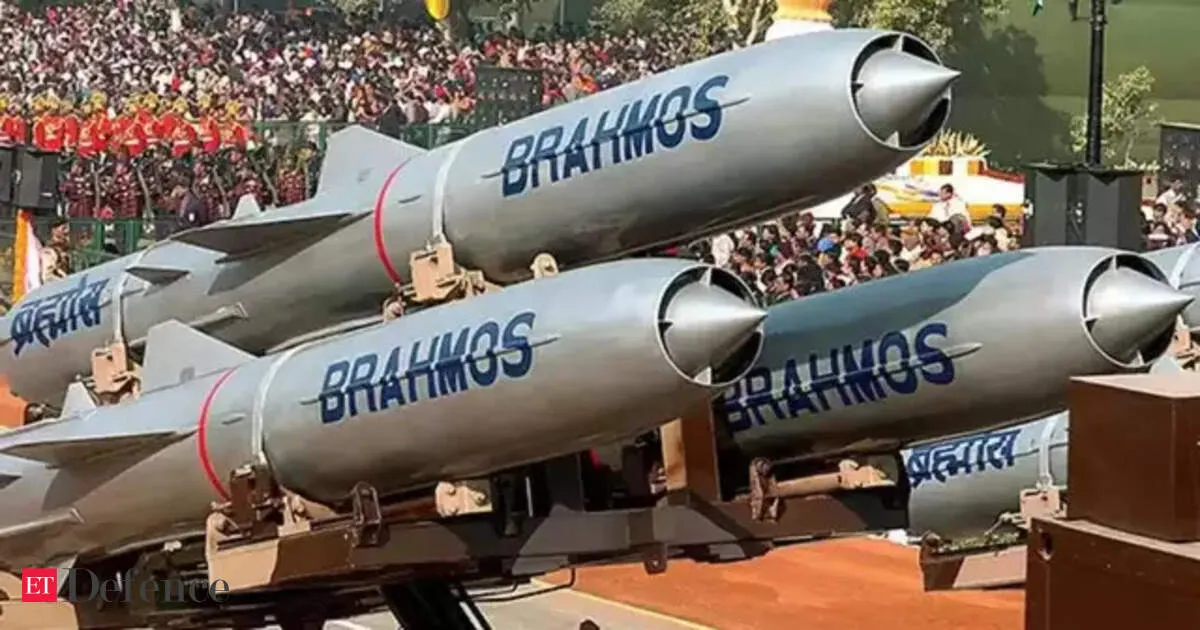
Vietnamese President To Lam’s visit to India is expected to center on deepening defense ties, with a potential BrahMos missile purchase reportedly high on the agenda. India sees Vietnam as vital to Indo-Pacific stability as China’s influence grows. Officials may announce cooperation, but sources indicate no weapons deal signing is expected during the visit.
Your news, in seconds
Get the Beige app — every story in 60 words, updated hourly. Free on iOS & Android.
The Indo-Pacific Economic Framework for Prosperity (IPEF) is facing mounting challenges, with new analyses suggesting its underlying momentum is weakening. A key factor cited is the shift in global trade posture during Donald Trump’s presidency, whose aggressive policies have complicated cooperation and reduced confidence in the framework’s direction.
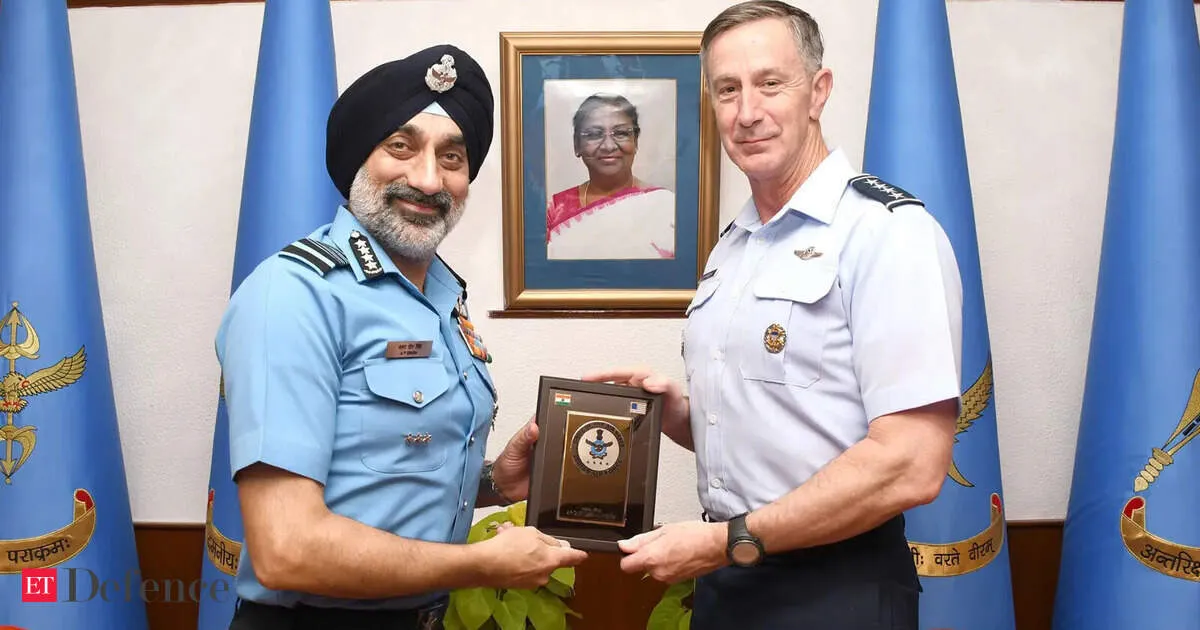
US Pacific Air Forces Commander General Kevin Schneider visited India from April 19 to 25 to strengthen the US-India defense partnership and support a secure Indo-Pacific. He met senior Indian defense leaders, including the Indian Air Force chief, to discuss expanding operational collaboration and boosting logistics cooperation as part of deeper bilateral coordination.
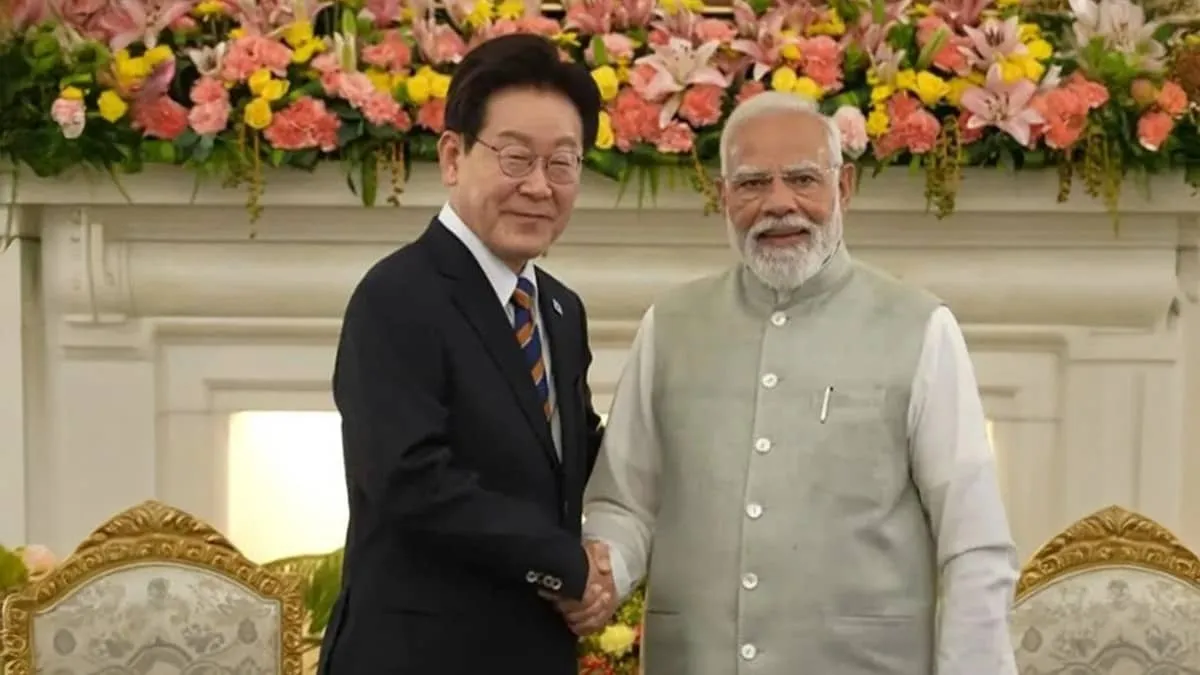
India and the Republic of Korea have agreed to significantly deepen their strategic partnership, prioritizing defence cooperation, economic security, industrial collaboration and emerging technologies. The two sides also reiterated their shared commitment to maintaining a free, open Indo-Pacific. The move signals closer coordination across defence and supply-chain resilience as both governments look toward future technology cooperation.
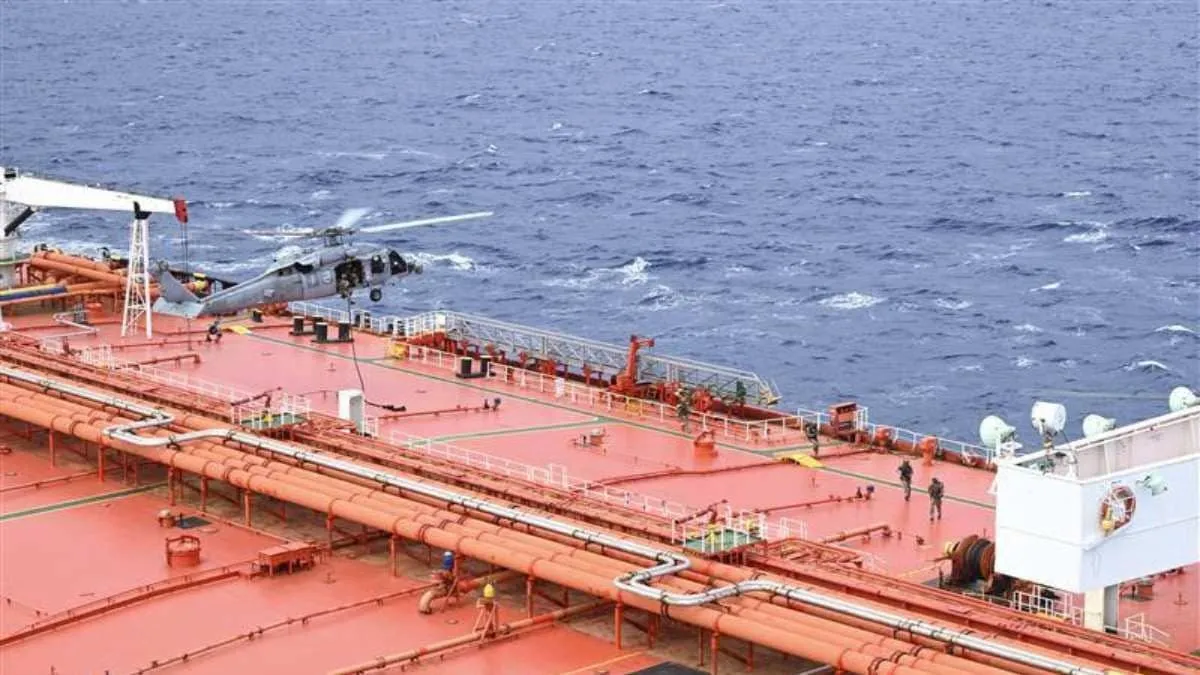
The US says it carried out a night-time boarding of an Indo-Pacific oil tanker sanctioned for allegedly smuggling Iranian crude. The operation, shared by the defence department on X, was framed as part of wider global maritime enforcement to disrupt illicit networks and prevent material support reaching Iran. Washington also warned that international waters won’t shield sanctioned vessels.
Never miss a story
Set alerts for the topics and sources you care about. Download Beige for free.
Swipe through stories, personalise your feed, and save articles for later — all on the app.