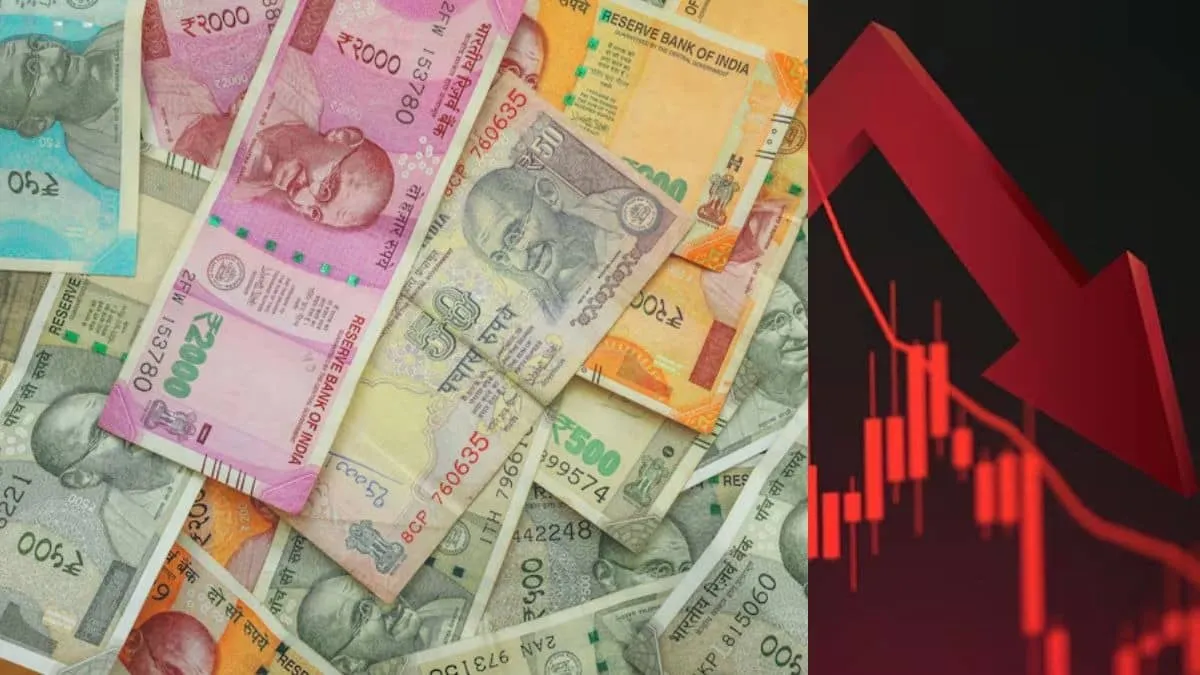
The Indian rupee slid to an all-time low of 96.14 against the US dollar on Friday, fueled by foreign fund outflows and a stronger dollar index (99.28). The bigger trigger was Brent crude jumping to $109.20 per barrel after shipping disruptions in the Strait of Hormuz. While experts urge citizens not to panic, they warn of a gradual squeeze on wallets as higher energy import costs ripple into transport, logistics, and ultimately food and essentials.
India is deploying emergency measures to shield the economy from Iran war fallout. State oil refiners raised gasoline and diesel prices by over 3% after crude surged, while authorities tightened gold import rules and temporarily banned sugar exports. Delhi government staff were asked to work from home twice a week to conserve fuel. With the rupee slipping past 96 per dollar, a widening trade deficit, and foreign investor outflows, officials are also exploring incentives for foreign bond investors.
Your news, in seconds
Get the Beige app — every story in 60 words, updated hourly. Free on iOS & Android.
The Indian rupee hovered near 96 per US dollar in a volatile Thursday session driven by persistent foreign fund outflows, oil-fueled inflation, and worsening balance of payments concerns. It hit a record intraday low of 95.96, then partially rebounded after reported central bank intervention via dollar sales. The rupee still closed weaker at 95.76, and dealers linked momentum to a Bloomberg report suggesting potential tax reductions for foreign investors in Indian bonds, which may impact longer-term inflows.
India has tightened rules for duty-free gold imports under the advance authorisation scheme, a day after raising customs duties. The DGFT now caps gold imports at 100 kg per licence and requires firms to meet at least 50% of earlier export obligations before receiving further approvals. The government says the scheme risks “price arbitrage” and misuse through quick large shipments. It also introduces mandatory physical inspections for new applicants and adds fortnightly and monthly reporting on import and export activity.
The Indian rupee has hit a record low near 96 per US dollar as elevated oil prices and portfolio outflows increase pressure on the economy. Policymakers are reportedly weighing tax reductions for foreign investors in bonds to pull in more dollar inflows. With persistent balance of payments deficits and rising wholesale inflation, rupee weakness appears set to continue.
The rupee has hit a record low as investor outflows and an oil-driven energy shock tied to the prolonged U.S.-Iran conflict intensify pressure on India’s economy. With the Strait of Hormuz effectively shut, economists have cut growth forecasts, lifted inflation expectations, and warned the current account strain could keep the rupee under sustained selling pressure.
Never miss a story
Set alerts for the topics and sources you care about. Download Beige for free.
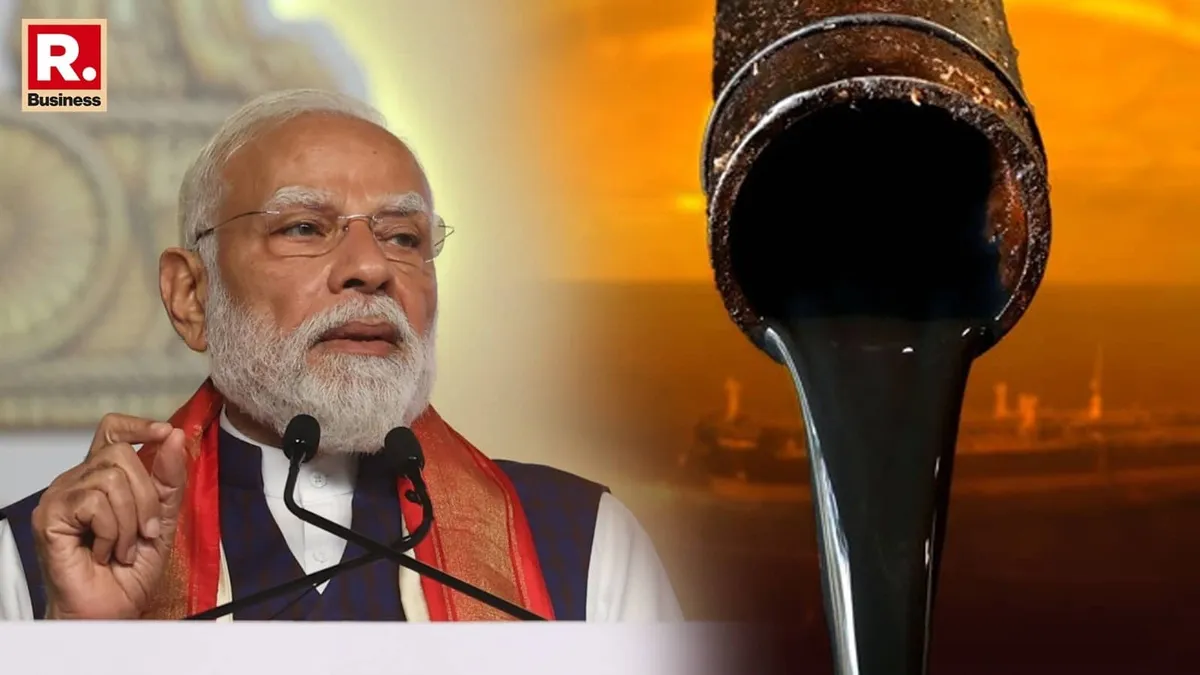
India’s stocks fell after PM Narendra Modi asked citizens to delay gold purchases and foreign travel, a rare direct appeal that analysts say is aimed at “economic self-defense.” Experts argue it can act as a buffer for forex by reducing demand for imports linked to gold and foreign spending. Rather than signaling weakness, they frame it as preventive macro-management during a correction.
Brent crude climbing and a weakening rupee are putting India’s inflation and growth outlook under pressure. For now, policymakers are cushioning the blow through controlled fuel pricing and tax tweaks that limit immediate retail impacts. But if oil prices stay elevated, those buffers may fail—pushing retail fuel and broader inflation higher with a stronger macro effect.
Indian travelers heading abroad this summer are facing a sharp cost surge, with tour packages rising 20–25%. Escalating tensions in West Asia are lifting oil and airfare prices, while a weaker rupee further inflates expenses. As a result, outbound travel drops significantly, with the UAE and Gulf effectively grinding to a near stop, while Far East and domestic travel gain interest.
The Indian rupee ended Tuesday higher, helped by unwinding of leftover arbitrage positions. At the same time, traders shifted attention to two potential market triggers: a US deadline tied to reaching a deal with Iran and the Reserve Bank of India’s upcoming monetary policy decision, both expected to shape currency and rate expectations.
Reading on mobile?
Open Beige in the app for a smoother experience — free on iOS and Android.
The Indian rupee rallied sharply on Thursday, hitting its best day in more than a decade. The surge followed tighter RBI measures aimed at curbing speculative positions against the currency. Markets are now watching whether the crackdown can sustain gains, recalling 2013 when extraordinary steps were used to stabilize FX conditions amid similar stress.
The U.S. dollar’s recent slide may be nearing an end as economic resilience, easing fears around policy, and geopolitical shifts strengthen the currency’s outlook. Traders are watching the Dollar Index trend toward 100 to 102, signaling firmer fundamentals. That could put pressure on the Indian rupee, with both global and domestic factors building a case for depreciation.
The Indian rupee hit a record low, falling past 95 per US dollar for a third straight session. Traders saw only temporary support after the RBI tightened banks’ forex position caps, but broader Asian currency weakness and risks tied to the Middle East conflict continued to pressure the currency. Analysts warn the relief may be short-lived.
The Indian rupee closed nearly unchanged on Wednesday, stuck between two opposing forces. A retreat in crude oil prices offered mild support, but steady dollar demand from local importers, including oil marketing companies, offset the boost. With importer bids continuing to absorb gains, the currency ended flat despite the softer energy price backdrop.
Follow your favourite sources
Track sources, tags and categories — all in the Beige app.
The Indian rupee strengthened as easing oil prices improved currency sentiment and cut hedging costs. With importers facing less pressure on payments, demand dynamics for foreign exchange looked healthier. The combination of lower crude outflows and cheaper risk management is providing short-term relief to market participants watching both inflation and import bills.
Swipe through stories, personalise your feed, and save articles for later — all on the app.