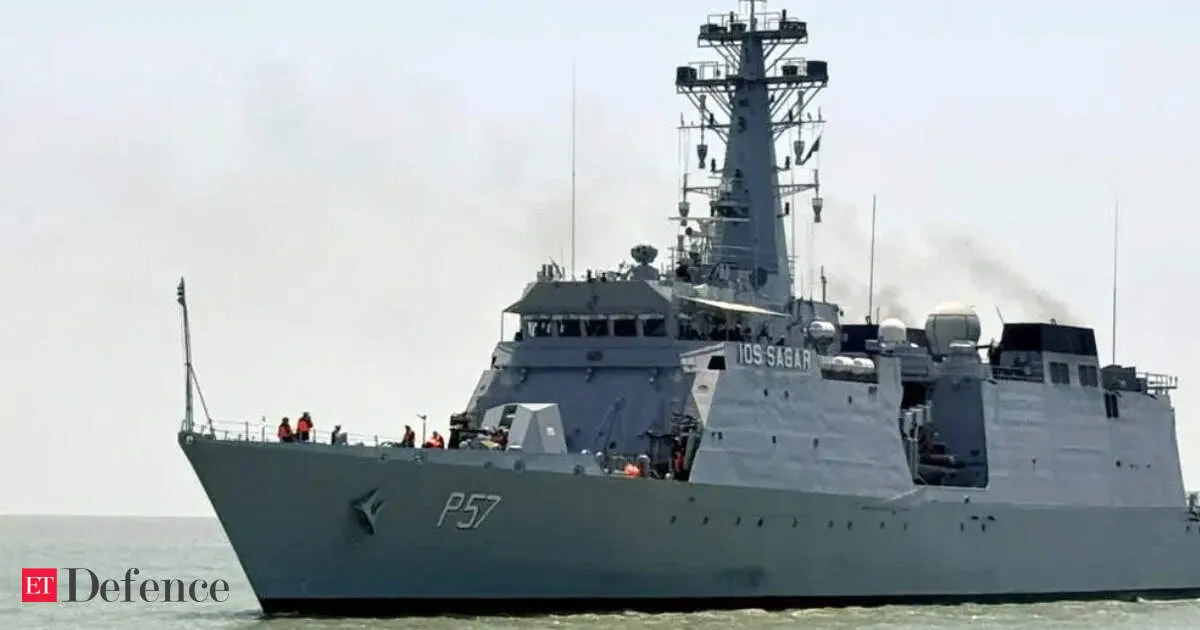
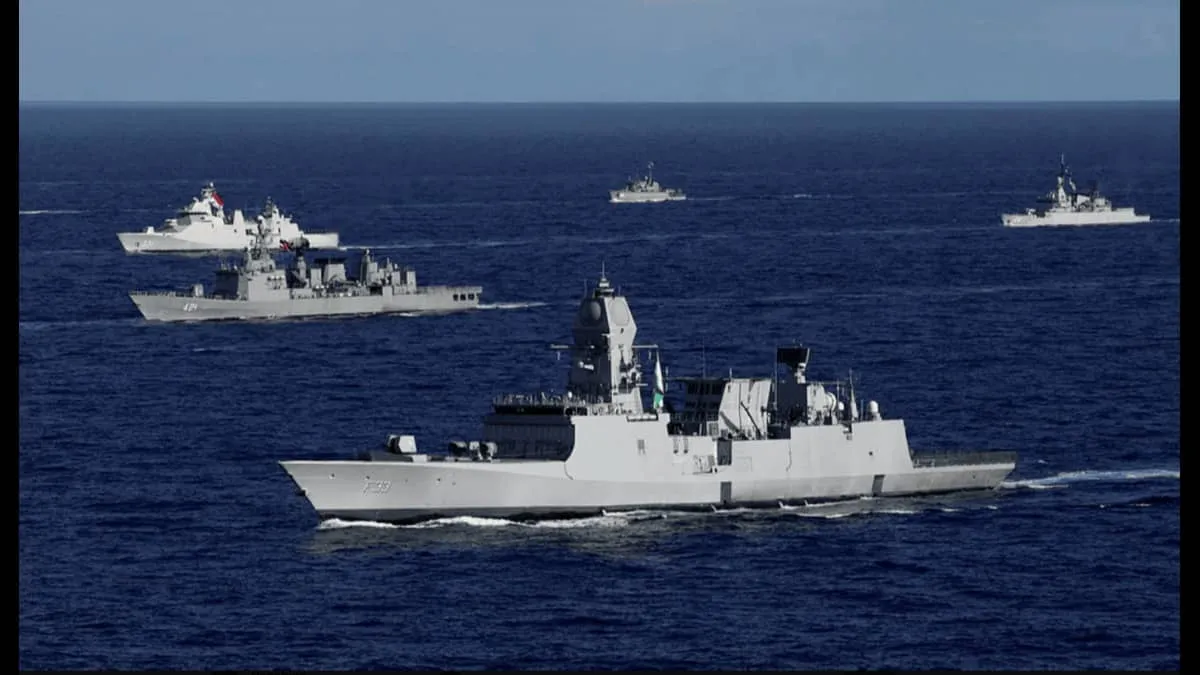
Indian Naval Ship Sunayna has docked at Colombo for a three-day port call as part of India’s IOS SAGAR deployment in the Indian Ocean Region. The initiative brings together a combined crew from India and 16 partner countries, including Sri Lanka, marking the deployment’s seventh port call since it set out from Mumbai in April 2026. During its stay, the ship will be open to visitors, including school children and members of the Indian diaspora, before it departs May 18 for a PASSEX with Sri Lanka’s Navy.
A UN event at headquarters in New York celebrated the Indian Navy’s traditional stitched-plank sail vessel INSV Kaundinya’s maiden voyage from Porbandar to Muscat. Co-organised by the Indian and Oman missions, the programme highlighted centuries-old Indian Ocean trade routes and peaceful maritime exchange, while speakers linked the theme to today’s shipping-route pressures. Indian officials referenced tensions around West Asia’s waterways, stressing cooperation, trust, and the Law of the Sea framework as oceans governance needs shared purpose.
Your news, in seconds
Get the Beige app — every story in 60 words, updated hourly. Free on iOS & Android.
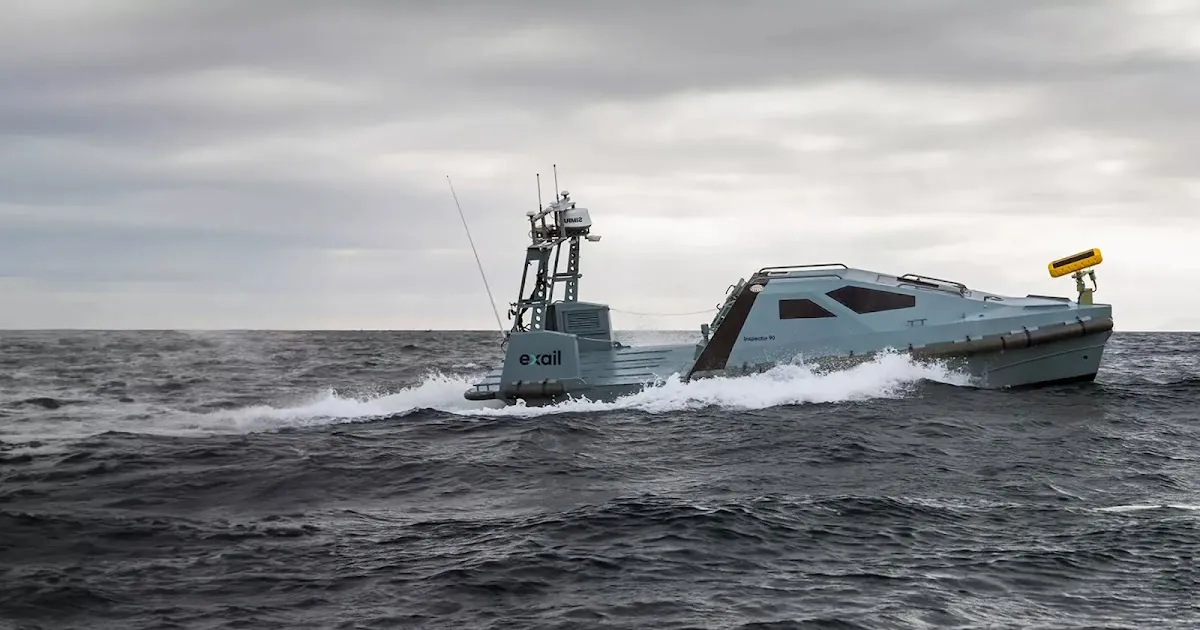
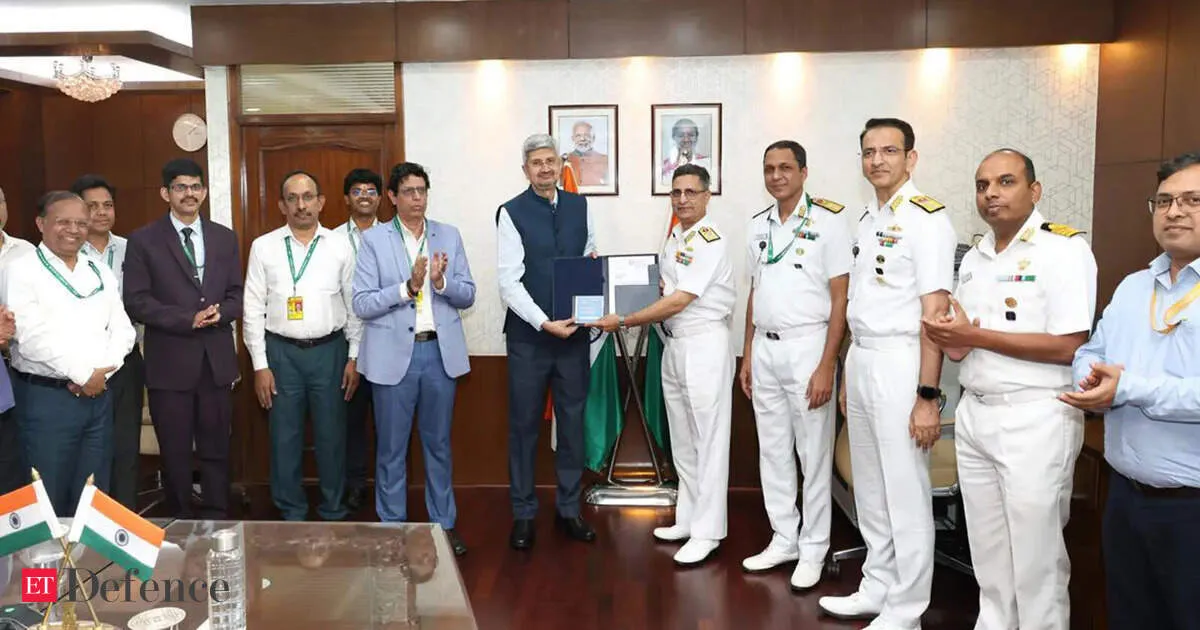
L&T has partnered with France’s Exail to provide an advanced Unmanned Mine Counter-Measure (MCM) Suite for the Indian Navy’s Mine Counter Measure Vessels programme. The system combines autonomous and remotely operated capabilities to detect, classify, identify and neutralise mines from a safe stand-off distance. L&T will act as prime contractor, offering the suite to all shipyards building 12 MCMVs, with Exail as technology partner. The effort aligns with Aatmanirbhar Bharat and Make in India, aiming to strengthen maritime security and build self-reliant defence manufacturing in India.
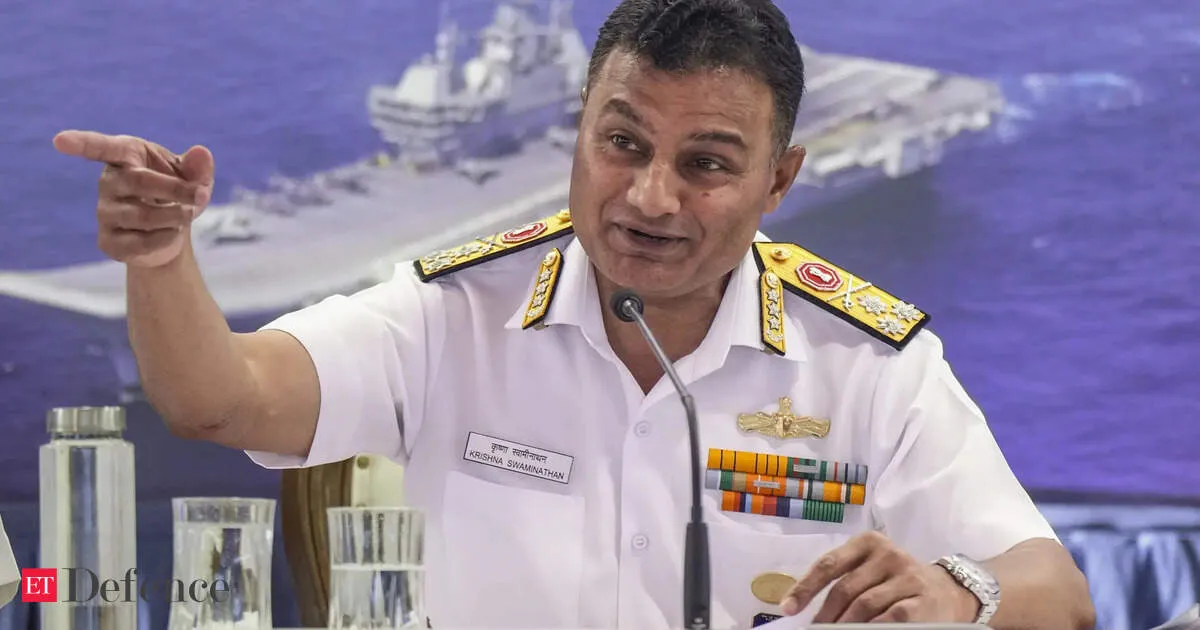
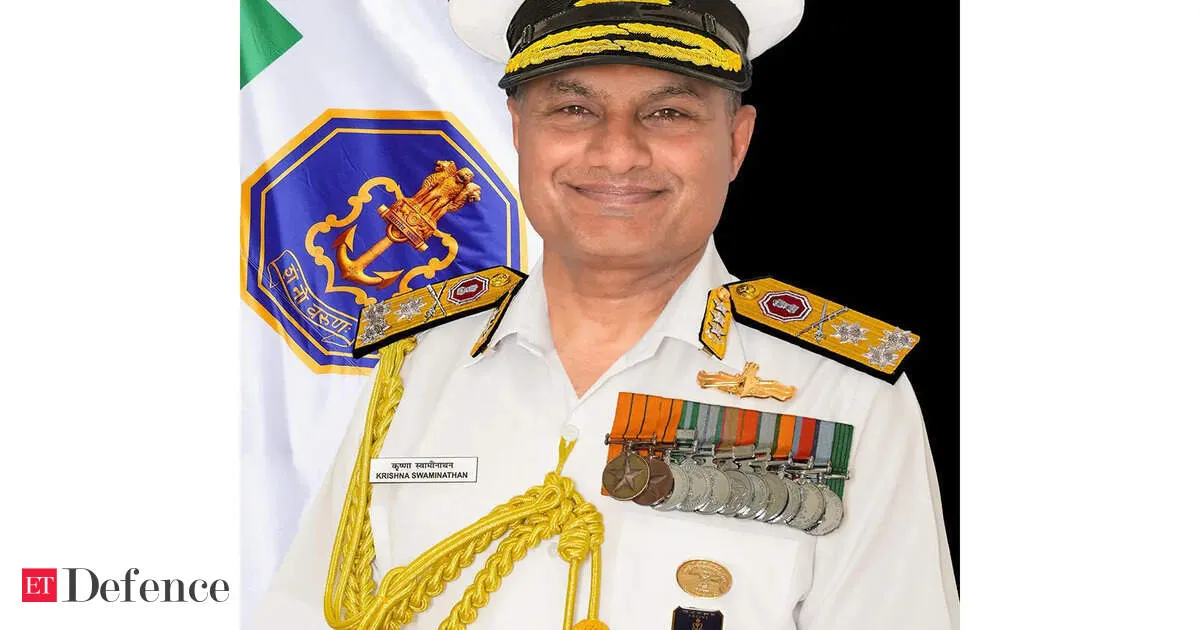
Vice Admiral Krishna Swaminathan, Navy chief designate and Western Naval Command flag officer commanding, said India is prepared to “quell” any misadventure originating across the border. He stressed that India has been a victim of terrorism “for several years” and cannot accept such activity, especially when it comes from foreign soil. He defended Operation Sindoor, launched after the 2025 Pahalgam attack, saying it targeted terrorist camps and infrastructures in Pakistan and Pakistan-occupied Kashmir to ensure India negotiates terrorism from strength.
India-bound LPG tanker MV Sunshine is safely transiting the Strait of Hormuz with support from the Indian Navy and related agencies. Iran’s Deputy Foreign Minister said stability in the strait would improve safety and invited Indian efforts to ease regional tensions, citing strong India-Iran cultural links.
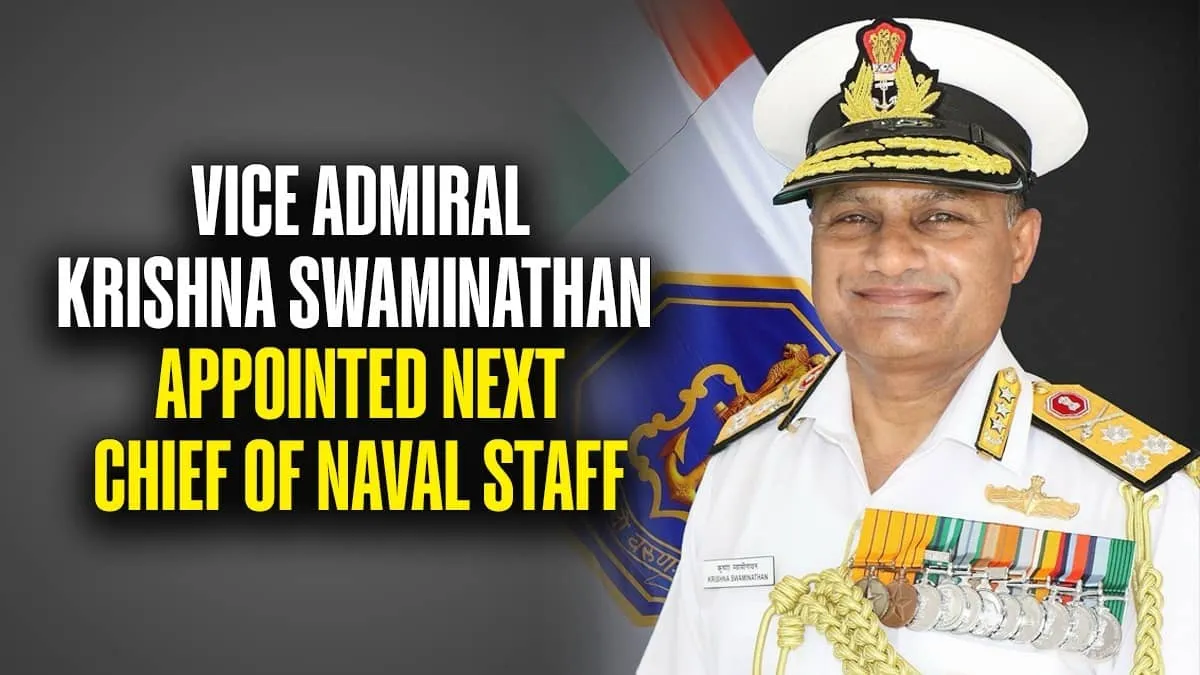
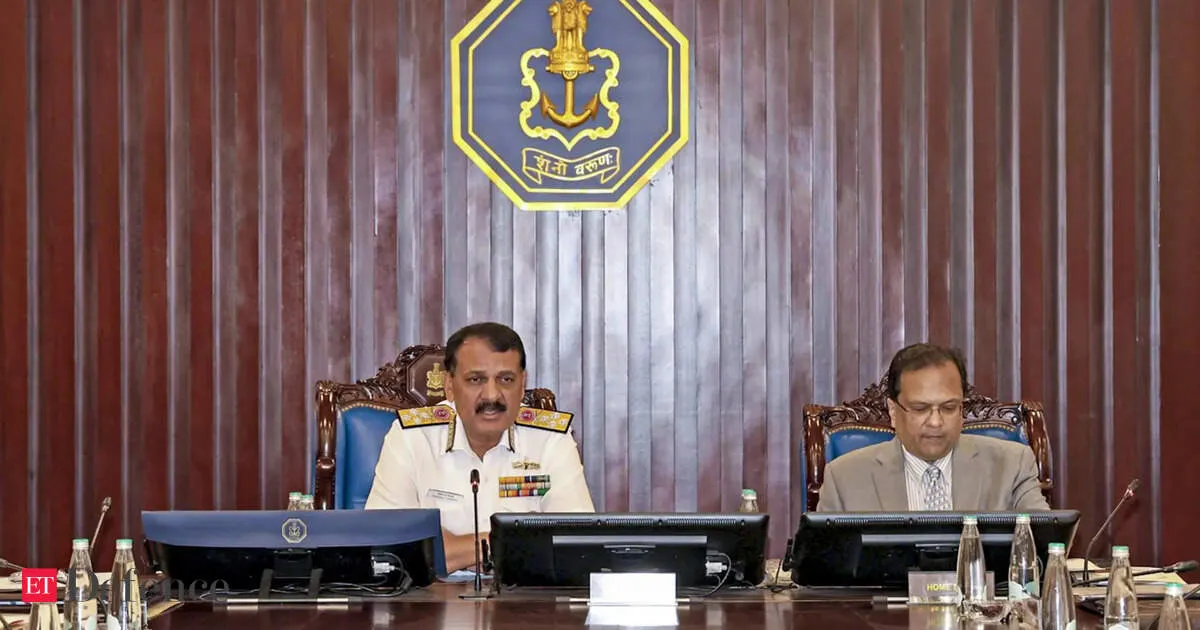
The Ministry of Defence has appointed Vice Admiral Krishna Swaminathan as the next Chief of the Naval Staff. He takes over as Admiral Dinesh Kumar Tripathi’s tenure ends with retirement on May 31. Swaminathan, commissioned into the Indian Navy in 1987, is noted for specialization in Communication and Electronic Warfare, a key focus for modern maritime strategy.
Never miss a story
Set alerts for the topics and sources you care about. Download Beige for free.
Vice Admiral Krishna Swaminathan has been appointed as the next Chief of the Naval Staff, taking over from Admiral Dinesh Kumar Tripathi, who will retire on May 31, 2026. Swaminathan, a decorated officer with strong operational and staff experience, previously served as the Vice Chief of the Naval Staff. The move signals a key leadership transition for the Indian Navy.
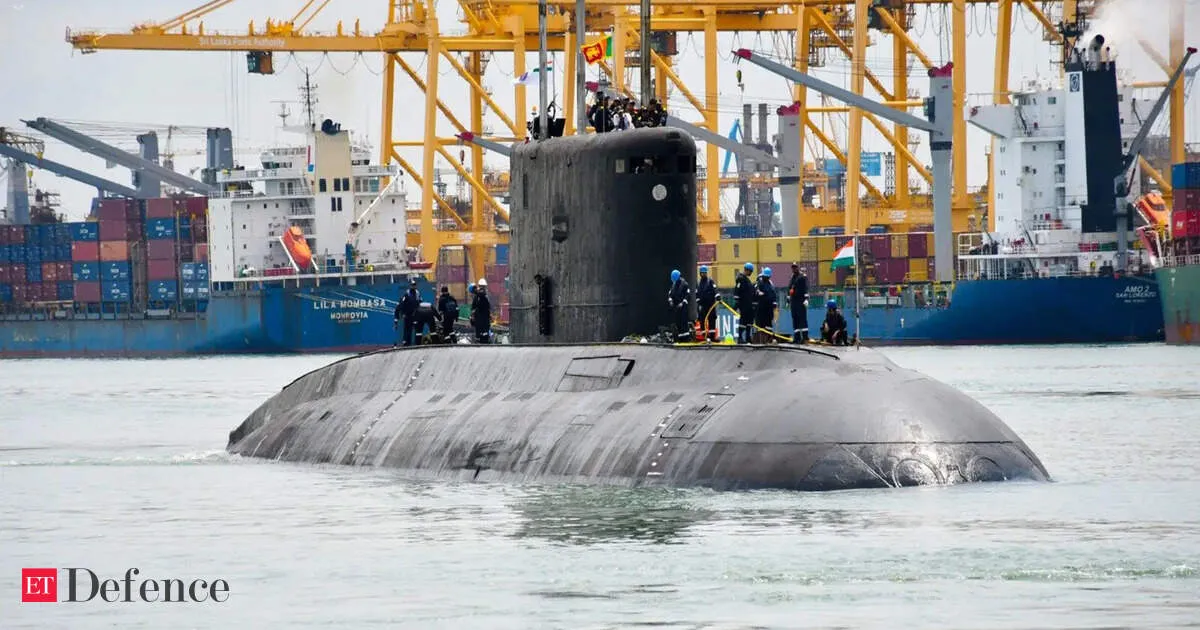
Indian Navy submarine INS Sindhukesari has arrived at Colombo port, welcomed by Sri Lanka’s Navy with full military traditions. The crew will take part in on-ground programs during the visit. It comes after recent joint deep-sea dives between the two navies, aimed at improving underwater search and rescue capabilities and coordination beneath the surface.
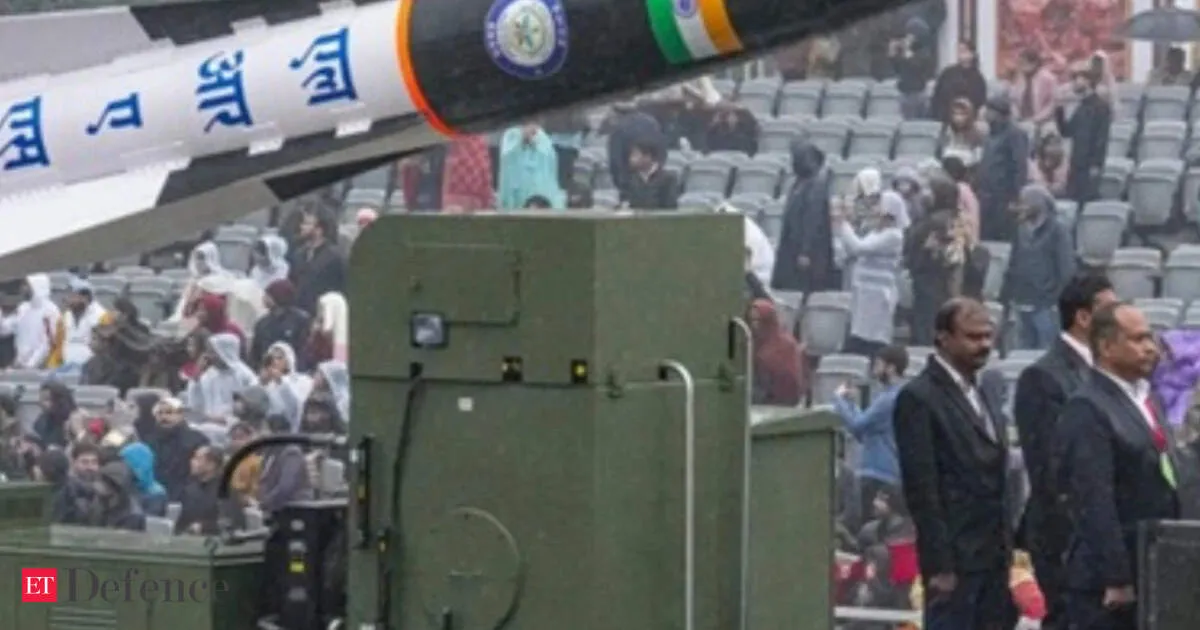
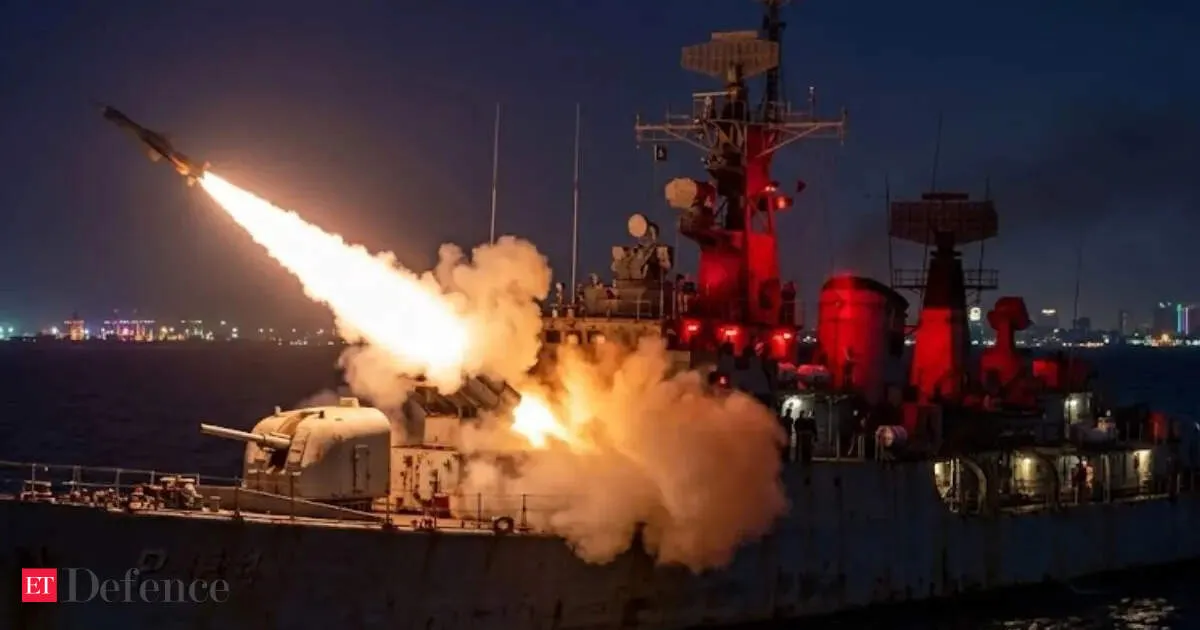
India has carried out the second successful flight test of a DRDO long-range hypersonic anti-ship missile off the Odisha coast. The missile can travel up to Mach 10 and is designed to extend India’s maritime strike capability into deep ocean zones. Officials say the development aims to strengthen deterrence against regional rivals and enhance defence readiness at sea.
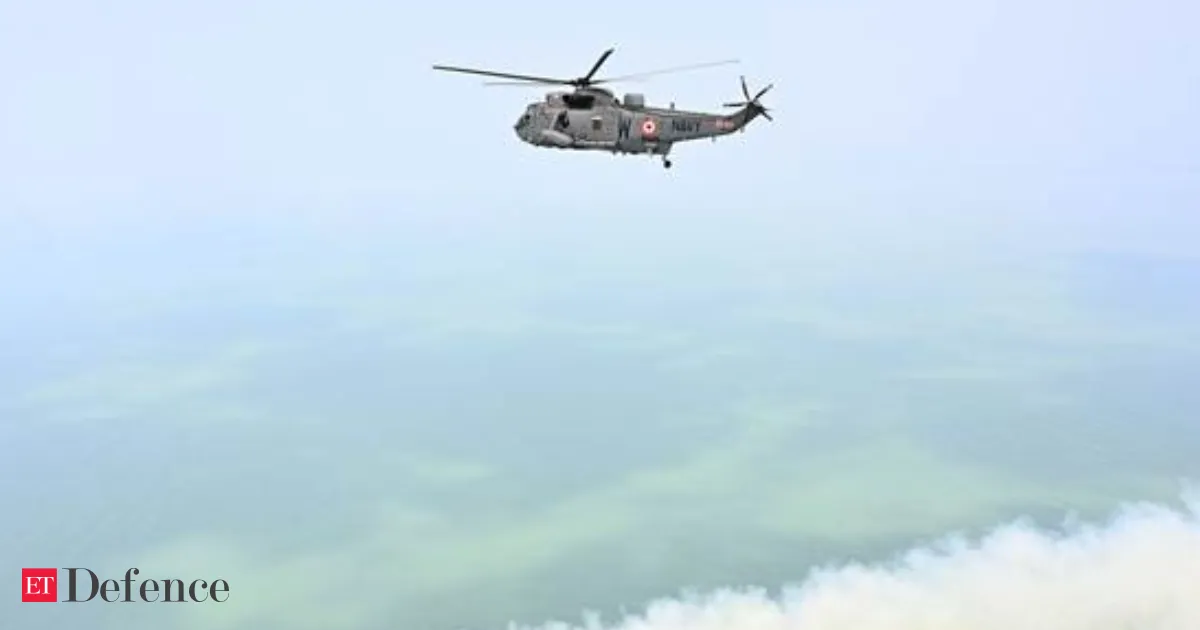
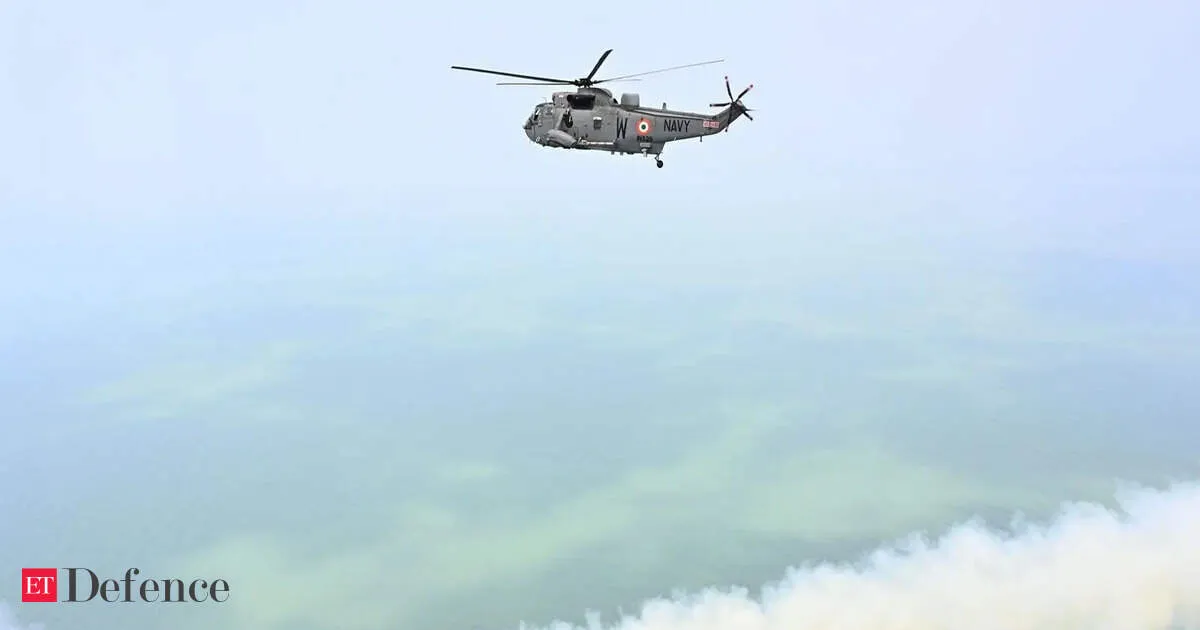
India’s DRDO and Navy carried out a landmark salvo test of the Naval Anti-Ship Missile Short Range (NASM SR) from a helicopter off Odisha. The indigenously developed missile struck its target at waterline, underscoring improved precision and naval strike capability. Officials say the successful firing significantly strengthens India’s anti-ship defence readiness along coastal waters.
Reading on mobile?
Open Beige in the app for a smoother experience — free on iOS and Android.
DRDO and the Indian Navy conducted a maiden successful salvo launch of the NASM-SR air-launched anti-ship missile system. During the trial, two missiles were fired in quick succession from the same helicopter, marking the first salvo launch for this advanced class of weapon and demonstrating rapid multi-shot capability against maritime targets.
DRDO and the Indian Navy have completed advanced hydrodynamic performance assessment and model testing for a frontline warship, meeting global standards. In parallel, DRDO unveiled tracked and wheeled armoured platforms featuring a 30mm crewless turret, ATGM capability, and around 65% indigenous content—signalling faster progress across naval and land defence development.
DRDO and the Indian Navy have achieved a major milestone by successfully completing hydrodynamic testing of a frontline warship design. The work showcases advanced ship hydrodynamics and simulation expertise, validating performance claims earlier than traditional timelines. The result strengthens India’s naval development capabilities and adds momentum to the country’s push for competitive, modern warship technology on the global stage.
Pakistan says it has successfully test-fired the Taimoor air-launched cruise missile, an indigenous weapon it claims can hit enemy ships from up to 600 km away. Analysts see the move as strengthening Pakistan’s maritime strike reach amid recent naval developments. India’s naval leadership has previously pointed to Pakistani constraints during Operation Sindoor, making this test especially sensitive.
Follow your favourite sources
Track sources, tags and categories — all in the Beige app.
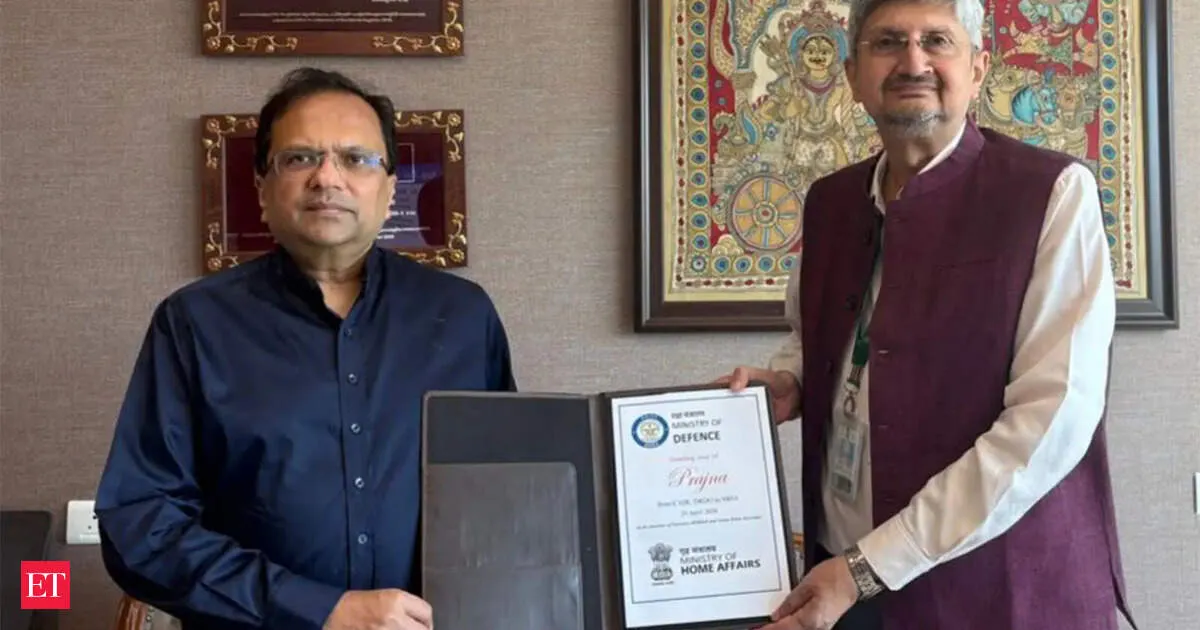
India’s Ministry of Home Affairs has received DRDO’s AI enabled satellite imaging system Prajna to strengthen internal security and counter terrorism operations. The move adds real time imaging capability for surveillance and faster threat assessment. Separately, the Indian Navy tested the Air Droppable Container ADC 150, designed to speed delivery of essential supplies to ships at sea.
Navy chief Admiral Dinesh K Tripathi visited the Andaman and Nicobar Command, urging stronger operational synergy among the Army, Navy, Air Force and Coast Guard. He stressed jointmanship, preparedness and the islands’ strategic value for maritime surveillance and security across the Indo-Pacific. Personnel were praised for professionalism and readiness as emerging challenges are expected to rise.
Swipe through stories, personalise your feed, and save articles for later — all on the app.