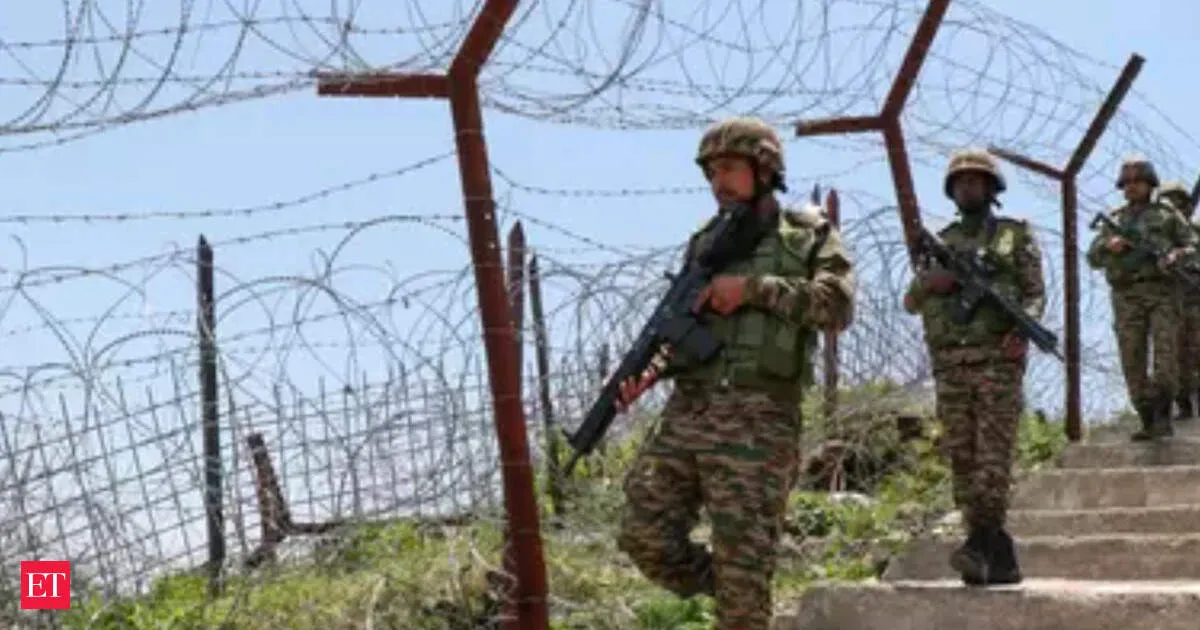
Alert army troops in Poonch district swiftly intercepted an infiltration attempt at the Krishna Ghati sector along the Line of Control. After noticing unusual movement, they moved to intercept and neutralized one intruder linked to Lashkar-e-Taiba. The incident underlines the armed forces’ heightened vigilance to prevent incursions in sensitive border areas.
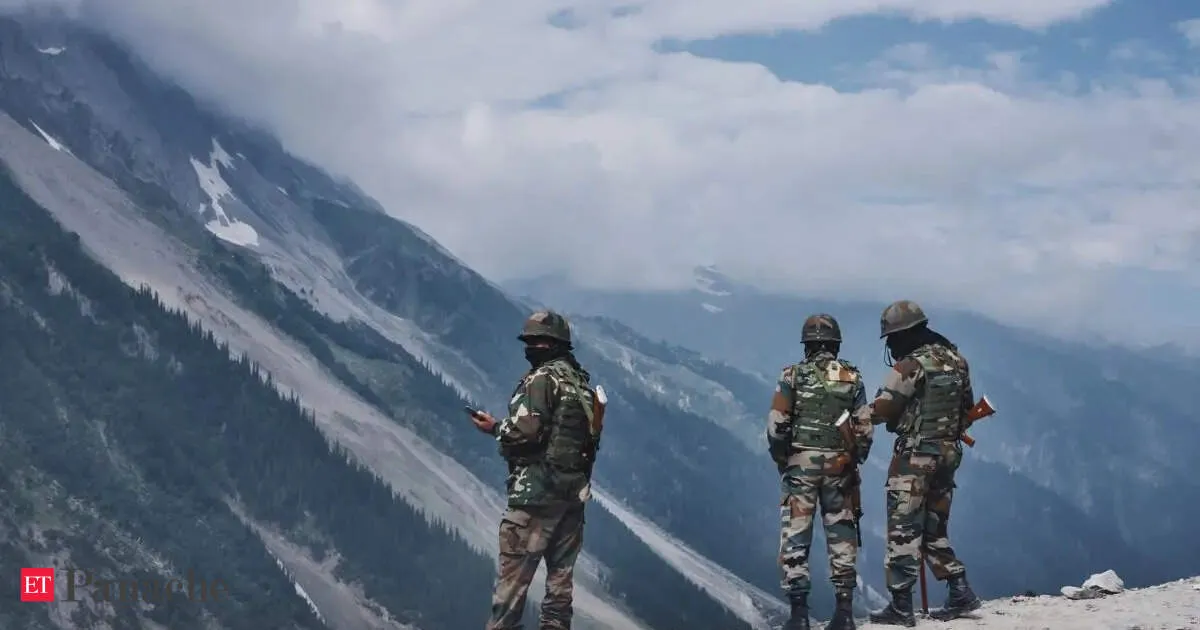
The Indian Army’s White Knight Corps foiled an infiltration attempt in the Krishna Ghati sector of the Line of Control near Poonch on Tuesday. Alert troops detected suspicious movement about 300 metres inside Indian territory and responded quickly, neutralising one intruder. Officials said the action prevented any breach of the LoC.
Your news, in seconds
Get the Beige app — every story in 60 words, updated hourly. Free on iOS & Android.
The Indian Army has launched the community radio station “Sangam 88.8” in Rajouri’s Doongi block, aiming to strengthen local culture while expanding opportunities for border-area youth. The station shares crucial information and government schemes and also gives children a platform to showcase talents—an outlet created to address the limited prospects in remote regions.
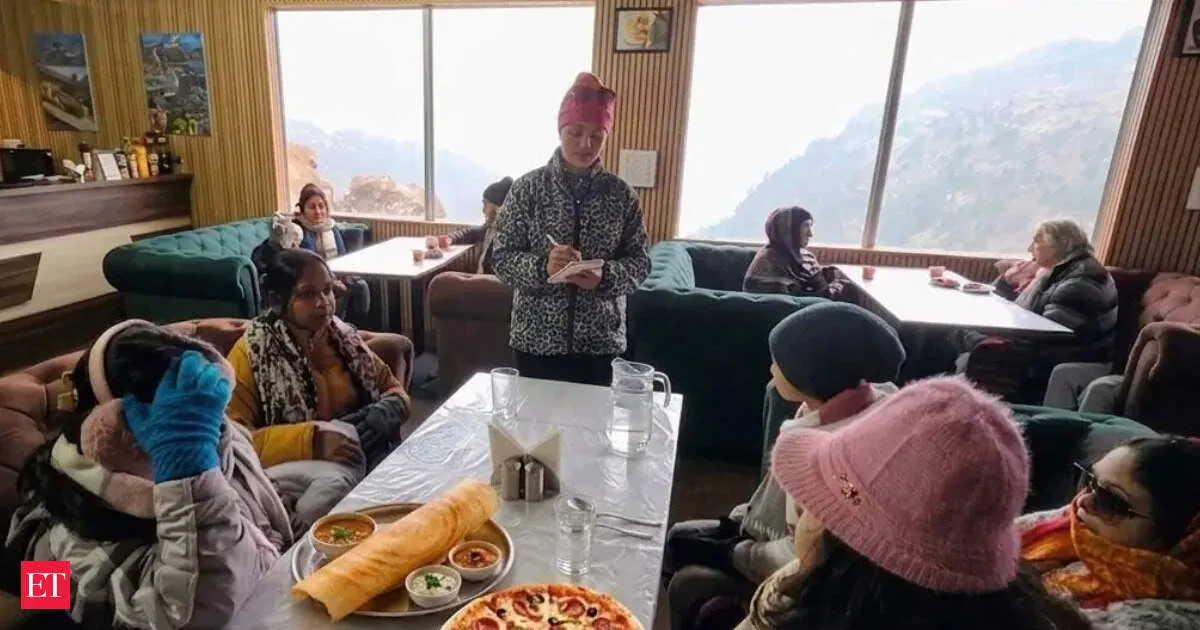
A new women-led cafe has opened near the Baba Harbhajan Singh Shrine in East Sikkim at an altitude of 13,000 feet. Supported by Trishakti Corps, the initiative is designed to create local employment while drawing tourists to border areas. Beyond food, it spotlights regional heritage and strategic geography, showing how military and civilian efforts can deliver inclusive, community-led growth.
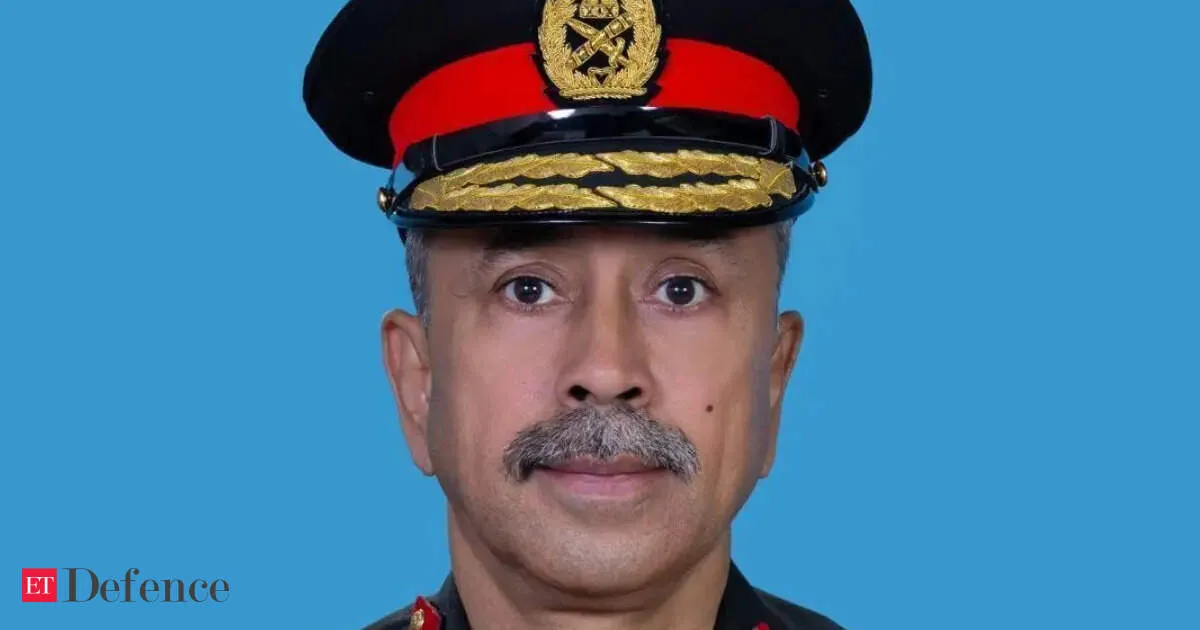
The government has appointed Lieutenant General N S Raja Subramani (Retd.) as the next Chief of Defence Staff, effective from when he assumes charge. Alongside the CDS role, he will also serve as Secretary to the Government of India in the Department of Military Affairs. Previously, he was Military Adviser at the National Security Council Secretariat.
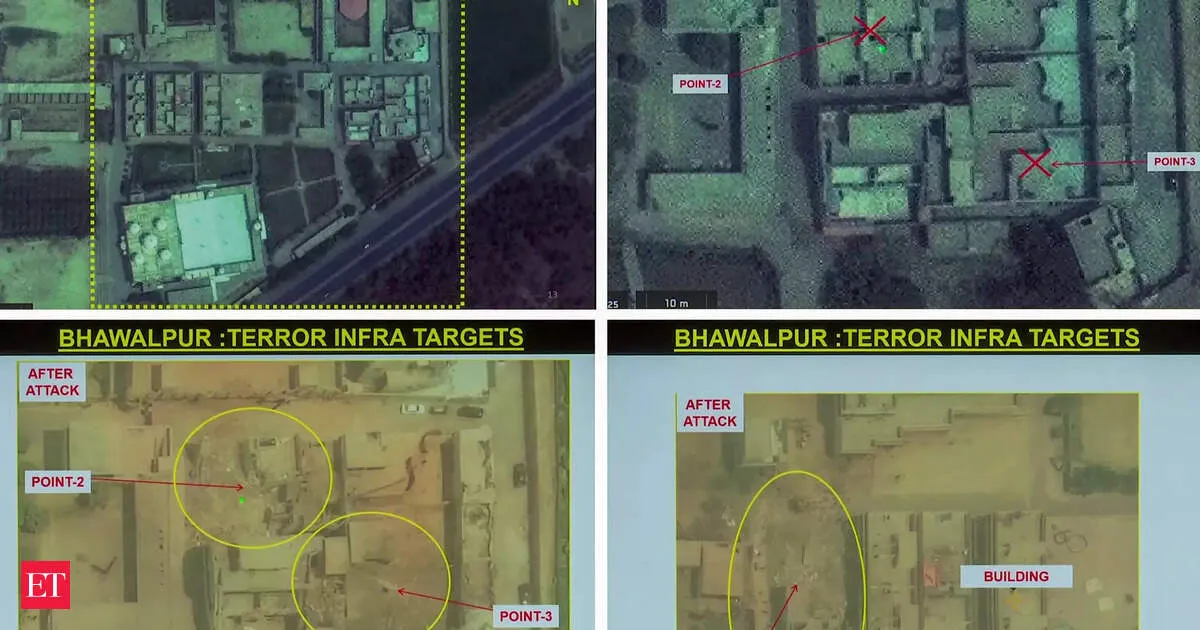
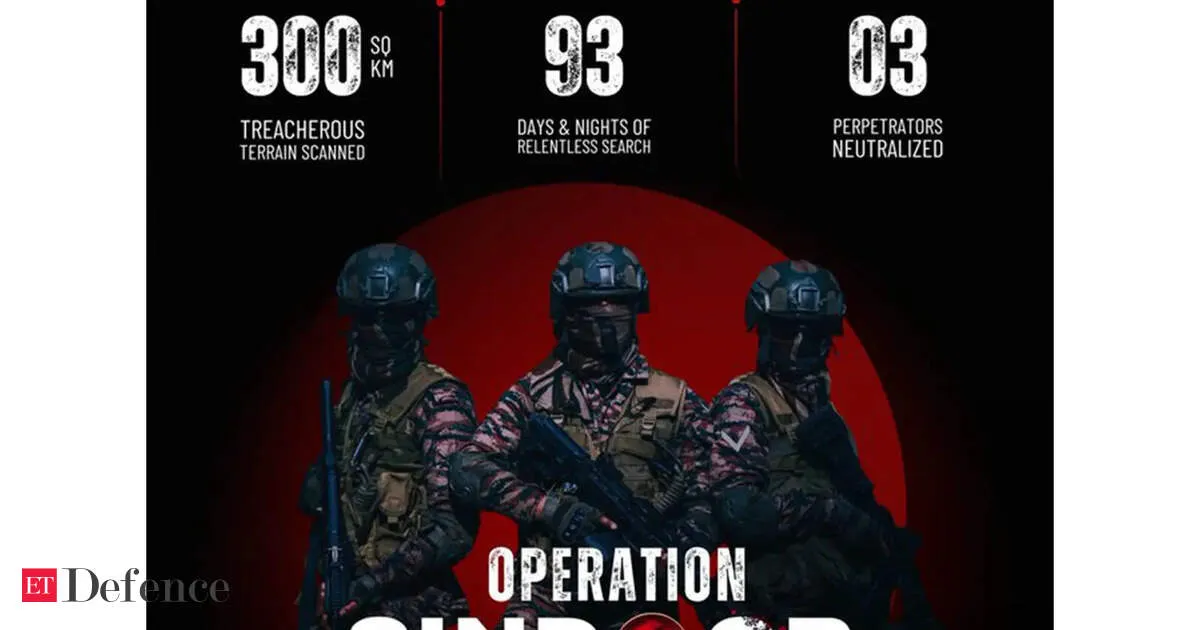
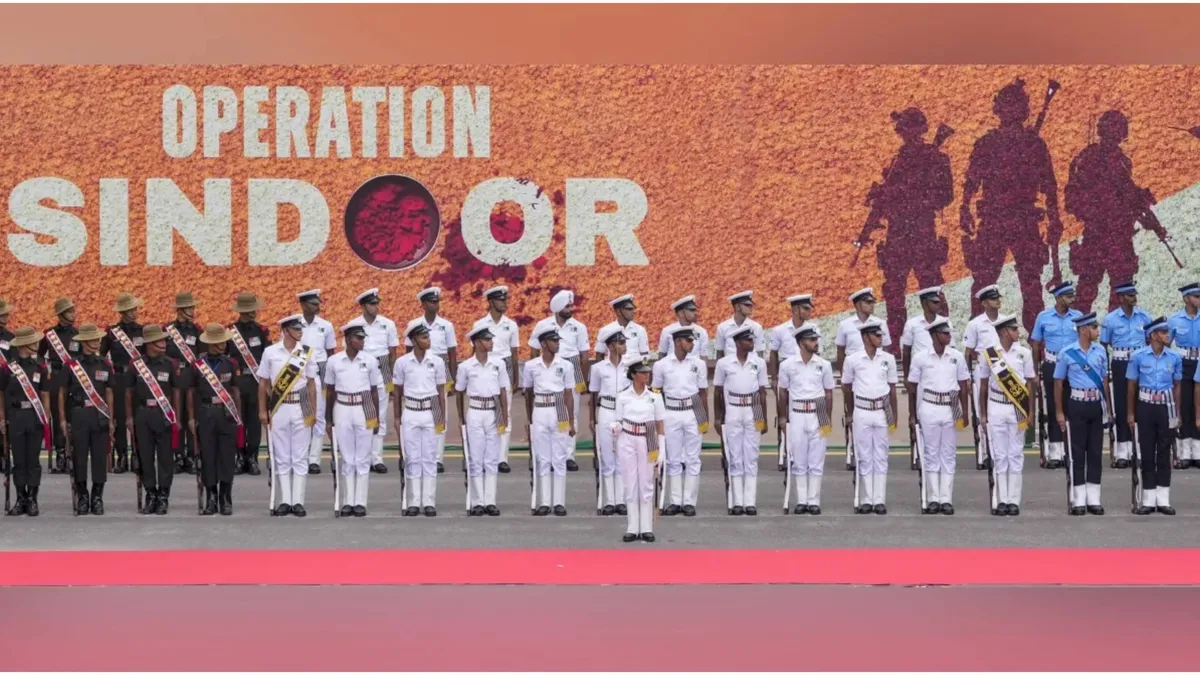
On the first anniversary of Operation Sindoor, India’s top military commanders disclosed that Indian forces struck 11 Pakistani airfields, destroyed 13 aircraft, and decimated nine terrorist camps. Officials say the operation reset India’s threshold for cross-border action by achieving clear objectives and bringing hostilities to a close after Pakistan sought negotiations.
Never miss a story
Set alerts for the topics and sources you care about. Download Beige for free.
The Defence Ministry has cleared a Rs 1,476 crore contract for Bharat Electronics Limited, aiming to supply five ground-based mobile electronic systems for the Indian Army. The platforms are designed to strengthen surveillance capabilities while improving battlefield networking and communications, giving troops better situational awareness and connectivity as operations evolve.
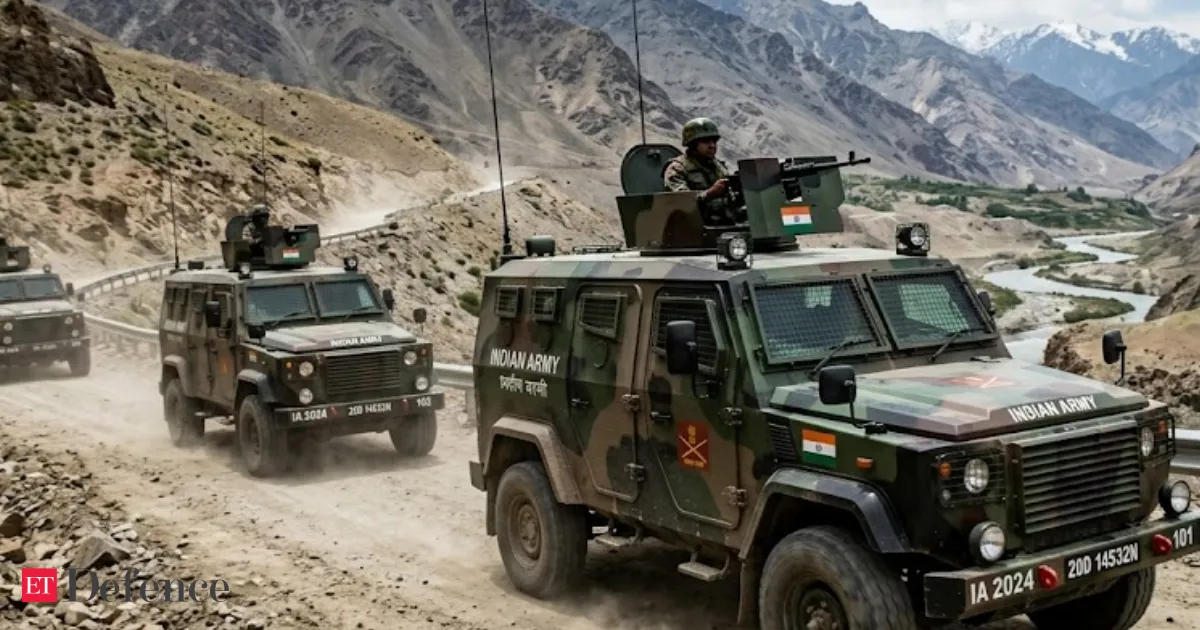
The Indian Army has started the procurement process for 159 bullet-proof troop carriers for operations in Jammu and Kashmir and Ladakh. The vehicles are meant to improve mobility and protection for Rashtriya Rifles personnel in difficult terrain, including high altitudes up to 5,000 meters. The move also aligns with the Make in India initiative to boost domestic manufacturing.
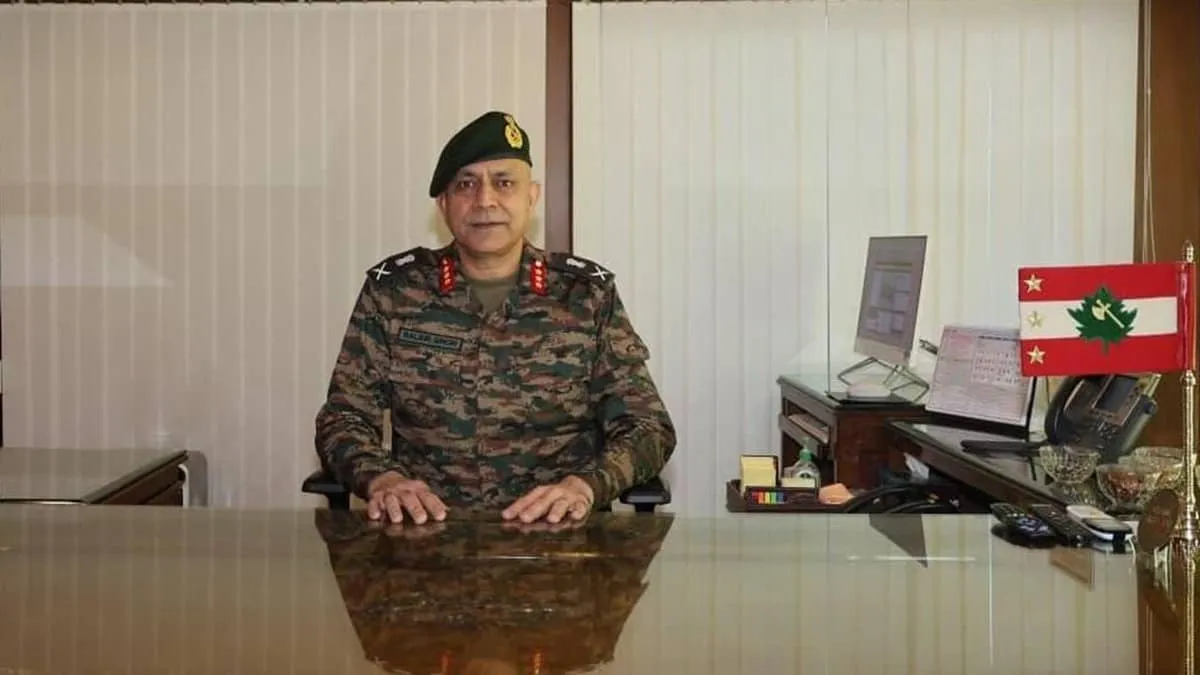
Lieutenant General Balbir Singh has assumed command of the Chinar Corps, the Indian Army’s key formation in the Kashmir Valley, as counter-terror operations remain active. The leadership change signals sharper attention to securing the Line of Control while also sustaining internal stability and peace across the region.
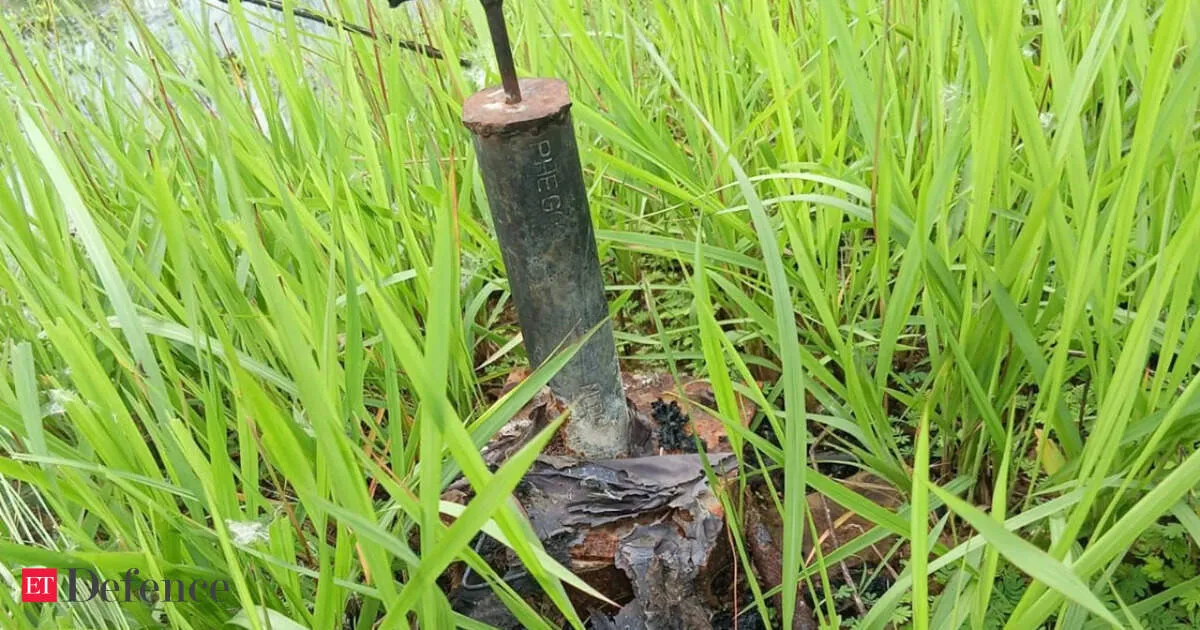
Indian Army troops in Manipur’s Churachandpur district found a suspected explosive near Moulsang village. A bomb disposal team was rushed to the spot, and an explosive detector dog confirmed the presence of the device. Engineers then destroyed old ordnance in a controlled manner, preventing any harm and protecting local civilians and regional security.
Reading on mobile?
Open Beige in the app for a smoother experience — free on iOS and Android.
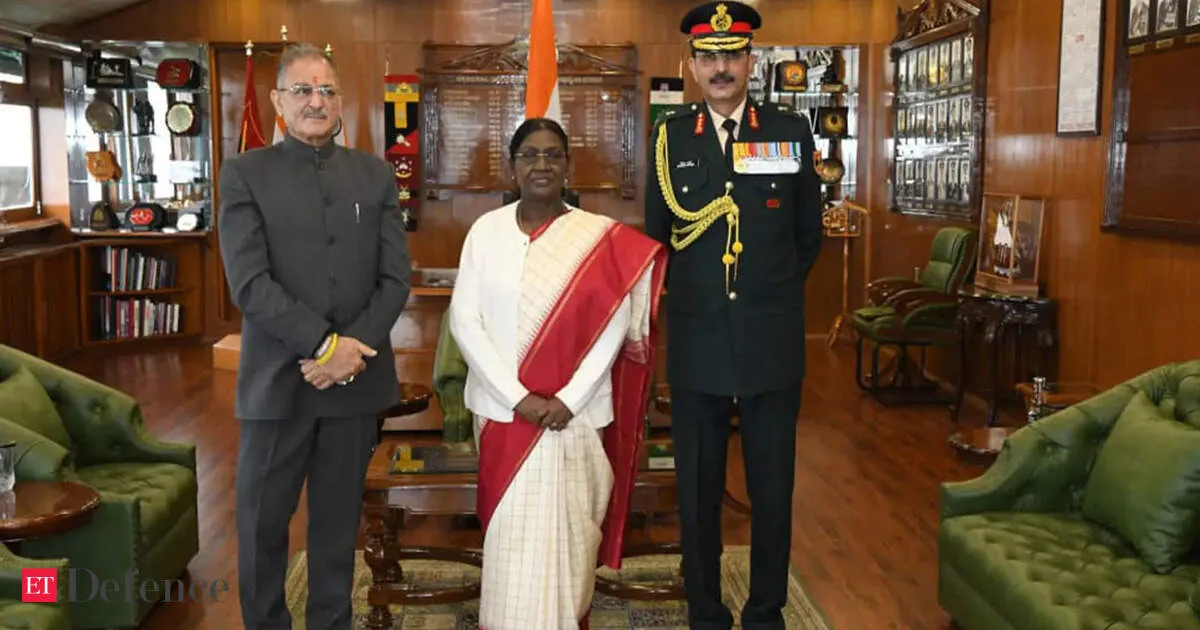
President Droupadi Murmu visited the Army Training Command (ARTRAC) and urged it to raise the Indian Army’s operational preparedness. Praising ARTRAC’s drone training, niche technologies, and digitization efforts, she said the command is central to warfare concepts, resource development, and international engagements—framing stronger training as key to military glory and a developed India.
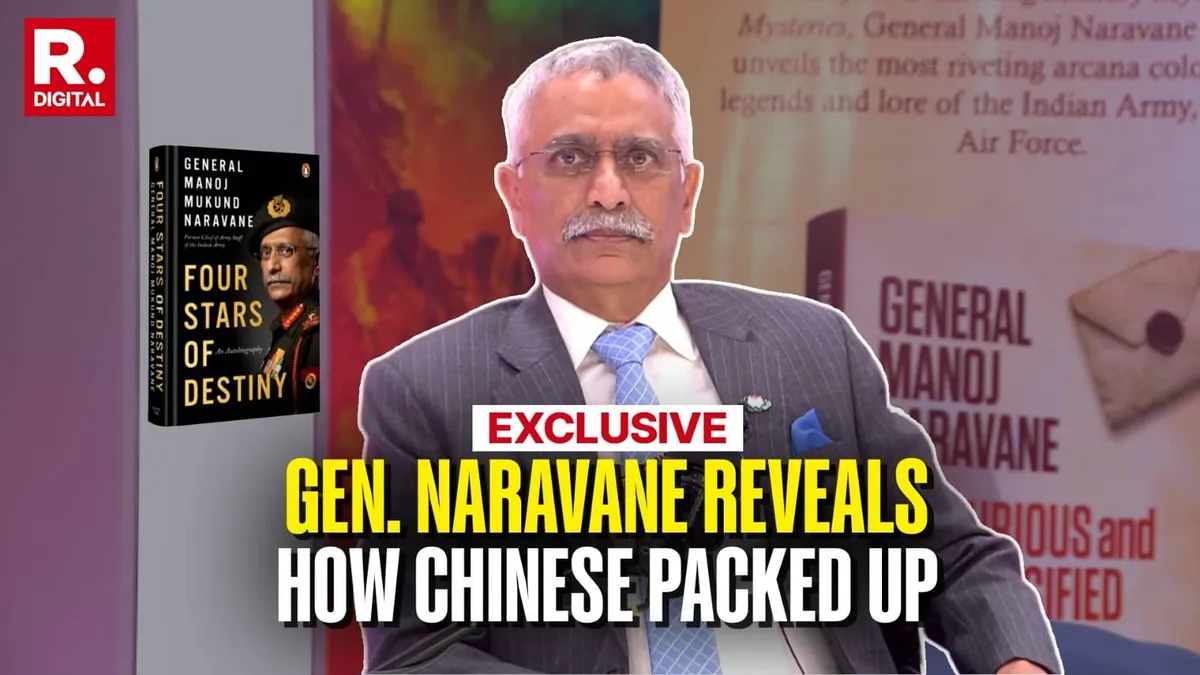
Retired Army chief Gen Manoj Mukund Naravane addressed a controversy over an unpublished memoir, saying his interpretations of the Galwan events were drawn from publicly available reportage. In an exclusive interview, he also launched his new book on military myths and mysteries while firmly reiterating that India’s armed forces remain apolitical and above politics.
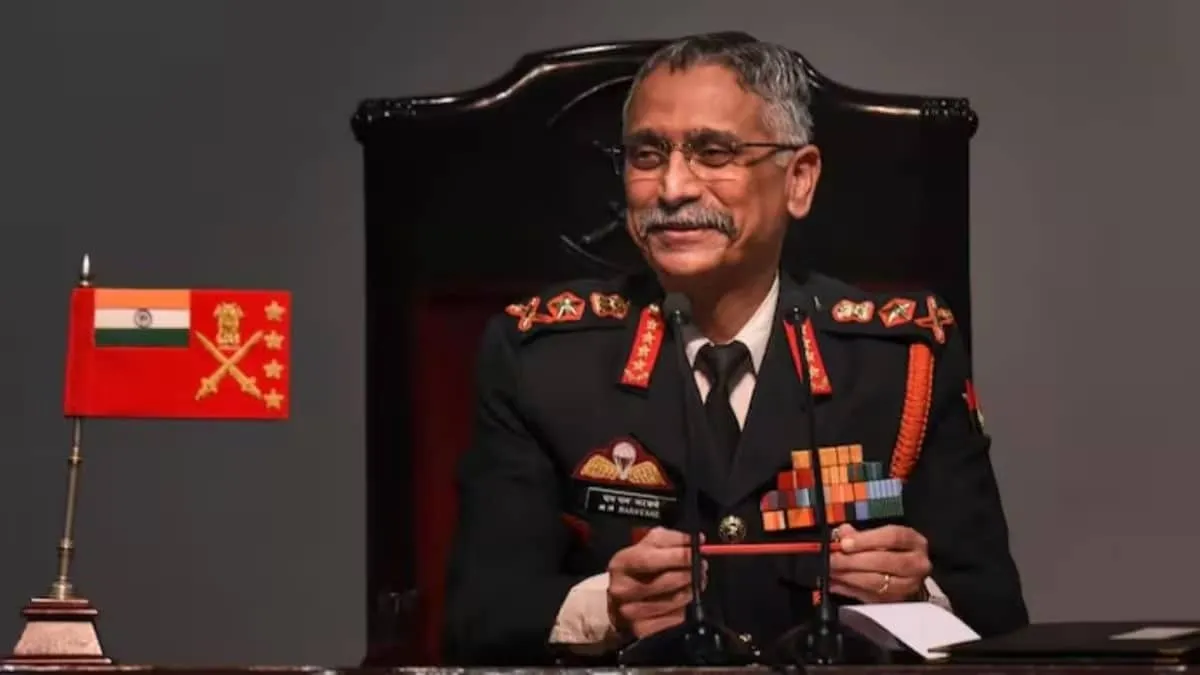
Former Indian Army chief General Manoj Mukund Naravane urged that the Army, Navy and Air Force remain insulated from political narratives. He argued that the military, like the judiciary and press, is integral to democracy, but should not be pulled into partisan politics. At the same time, he stressed that individual service members retain democratic rights, including voting.
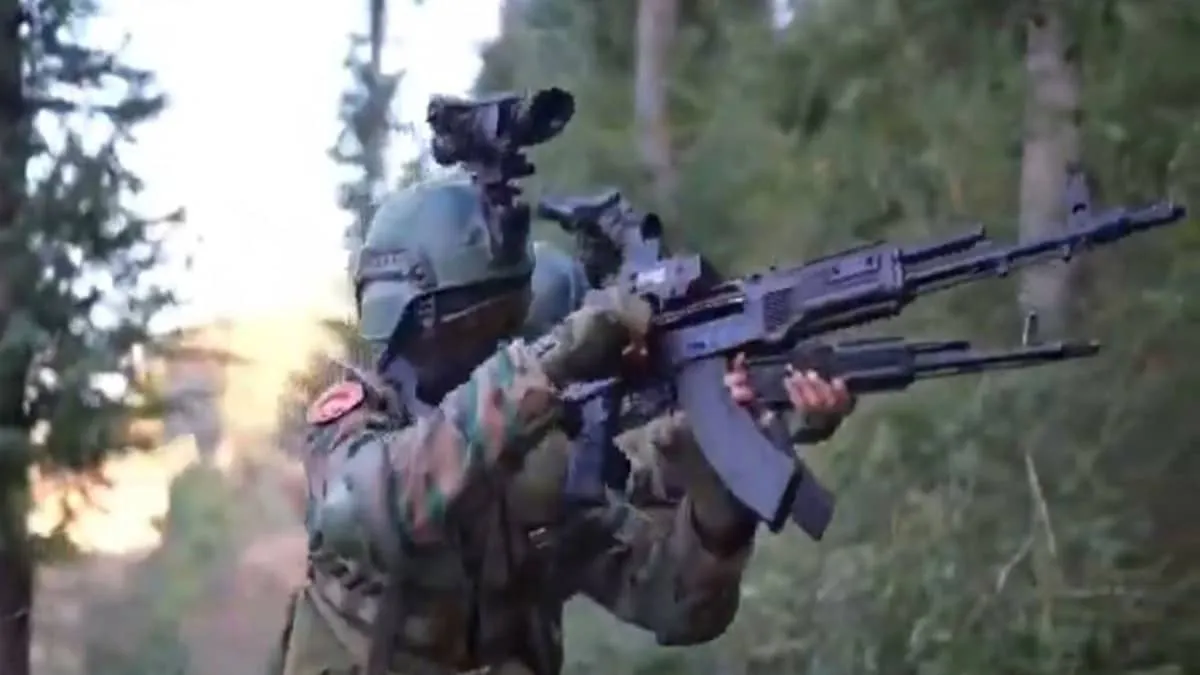
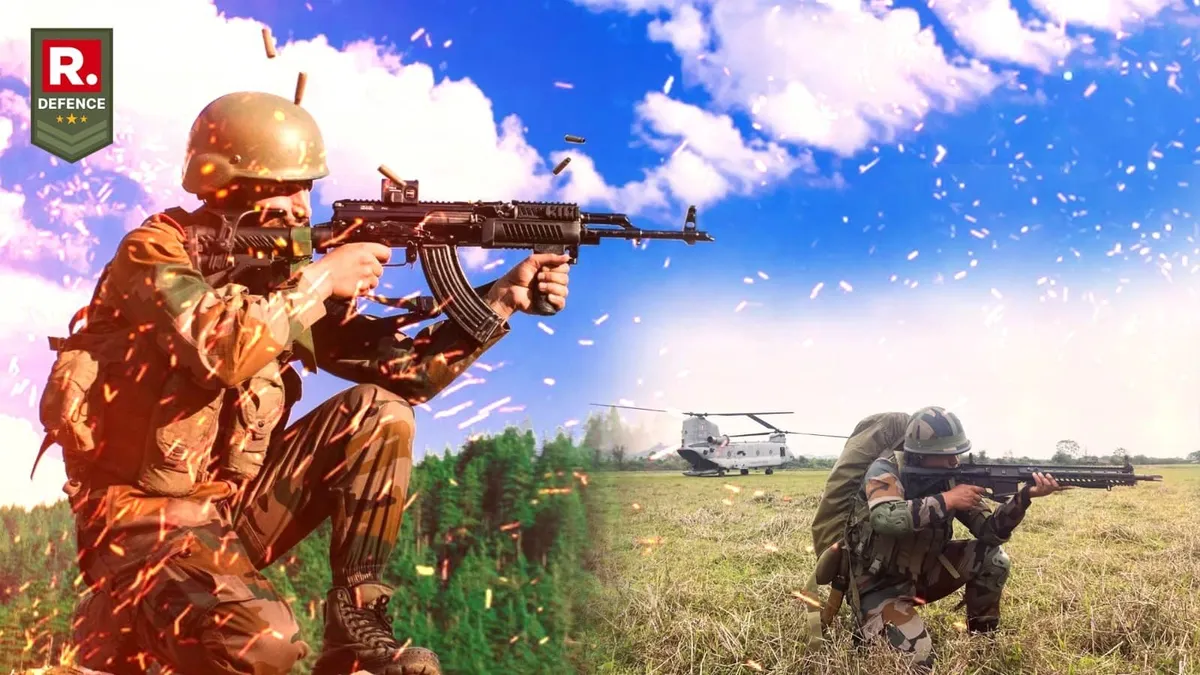
India’s armed forces are moving beyond the long-serving INSAS rifle, adopting a dual-rifle approach built around two new platforms: Russia’s AK-203 and America’s SIG 716. The update aims to modernize infantry firepower and improve flexibility on the battlefield, signaling a broader overhaul of small-arms doctrine and procurement strategy for future operations.
Follow your favourite sources
Track sources, tags and categories — all in the Beige app.
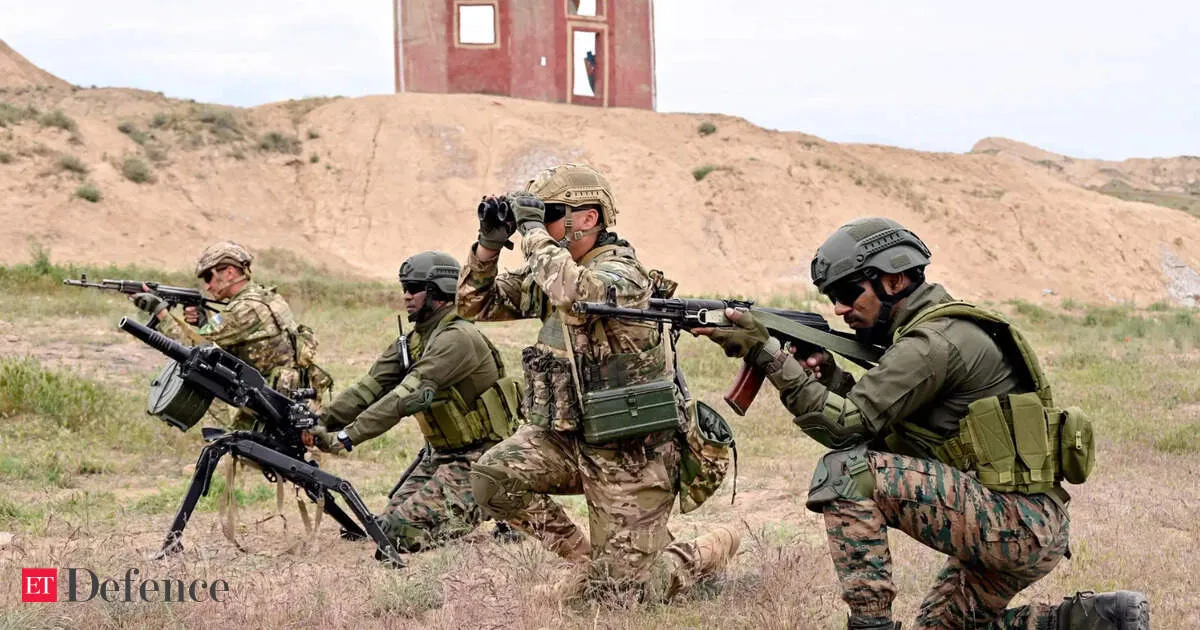
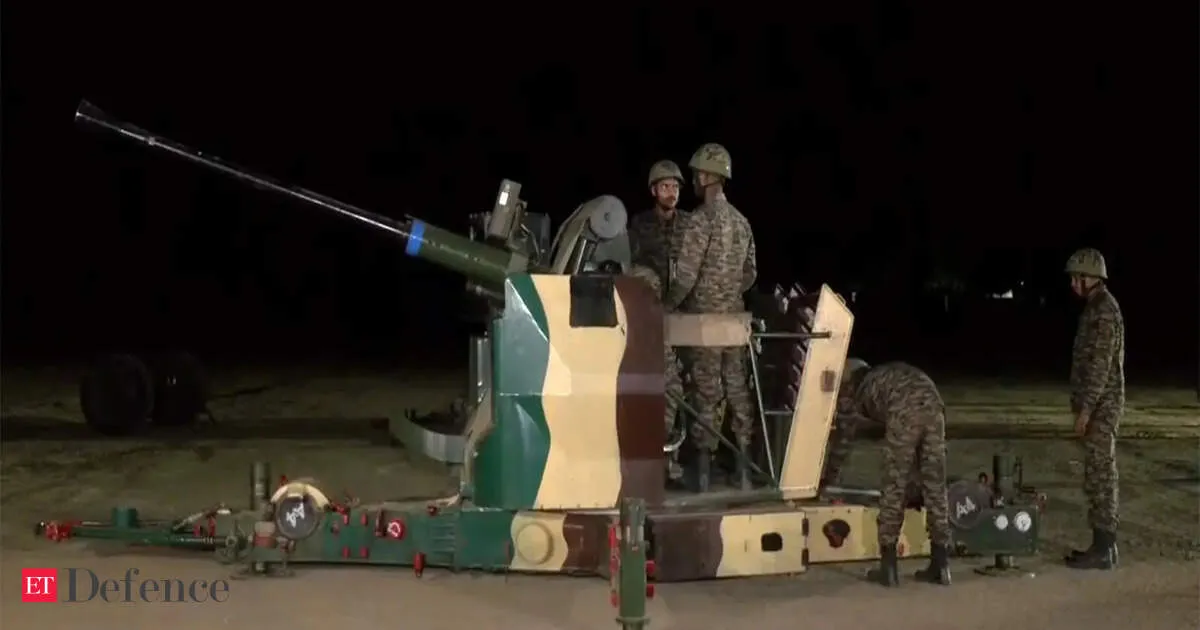
The Indian Army’s air defence regiment in Gujarat marked the first anniversary of Operation Sindoor with a major field exercise. It combined L70 gun drills with unmanned aerial systems for surveillance, target acquisition and real-time intelligence across difficult terrain. The drills also highlighted waterborne capability, with specialised battle groups executing fast manoeuvres through shallow waters using assault boats.
On the first anniversary of the Pahalgam terror attack that killed 26 people, the Indian Army reiterated its resolve against terrorism, pointing to the decisive military action under “Operation Sindoor.” In a firm warning, it said retaliation for acts against India is assured, tying the message to the anniversary of the deadly attack.
A retired Indian Army officer’s firsthand account of 138 days on the Siachen Glacier reads like a survival log, including 98 days of intense firing. He faced relentless cold and danger, losing 19 kilograms and going without bathing for months. His stark comparison to COVID-era isolation reframes “hardship,” arguing perspective changes when survival is on the line.
A year after the April 22, 2025 Pahalgam terror attack, Col Lamba revisited Operation Sindoor, recalling the war strategy and the difficult balance India faces now. While public pressure for stronger action grows, he warned that escalation risks remain high, turning the Valley’s fragile return to normal into a deeper strategic test for 2026.
Stay informed on the go
Bite-sized news from 100+ trusted sources, right in your pocket.
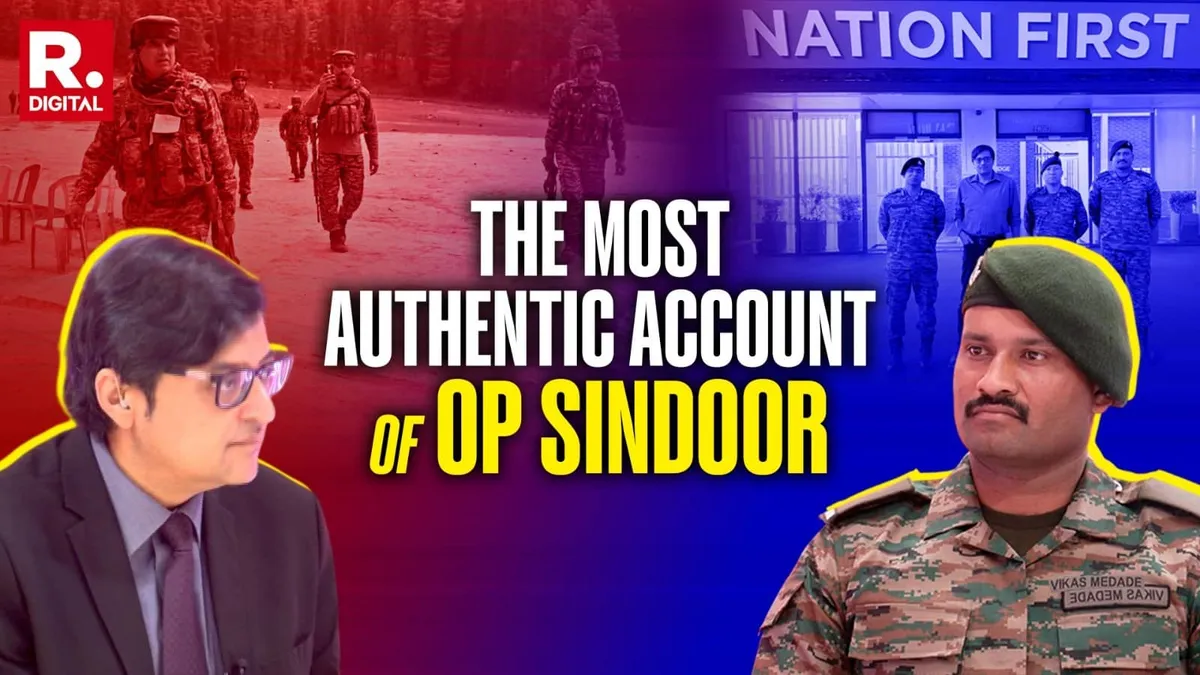
Havildar Vikas Ramdas of the 18 Maratha Light Infantry, speaking on national television, recalled Operation Sindoor and a high-stakes moment when his team faced intensified enemy shelling. He says his quick decision to tactically move the weapon through concealed areas was critical—because waiting even briefly could have worsened the threat as fire from the Pakistan post escalated.
Ahead of the first anniversary of the April 22, 2025 Pahalgam attack in Jammu and Kashmir, the Indian Army recalled Operation Sindoor. The terrorist strike, backed by Pakistan, killed 26 civilians as attackers entered a village near the tourist spot. The Army urged terrorists not to cross India’s boundaries, tying the remembrance to an unmistakable deterrent message.
Swipe through stories, personalise your feed, and save articles for later — all on the app.