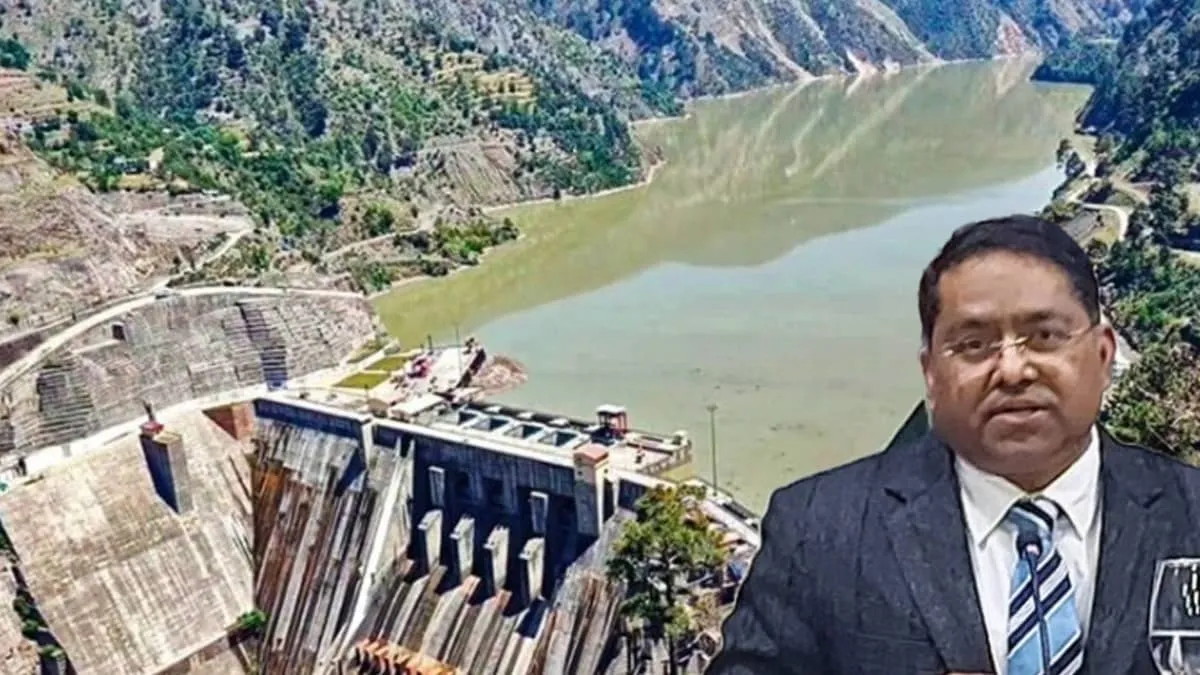
India has rejected a new Court of Arbitration (CoA) award under the Indus Waters Treaty, calling the tribunal illegally constituted and without authority. MEA spokesperson Randhir Jaiswal said the CoA issued an “award on maximum pondage” on May 15, supplementing an earlier interpretation ruling. India reiterated it never recognized the CoA and declared any proceedings, awards, or decisions null and void. The move adds to India Pakistan tensions over Indus River water sharing and management, with India keeping the treaty framework in abeyance.
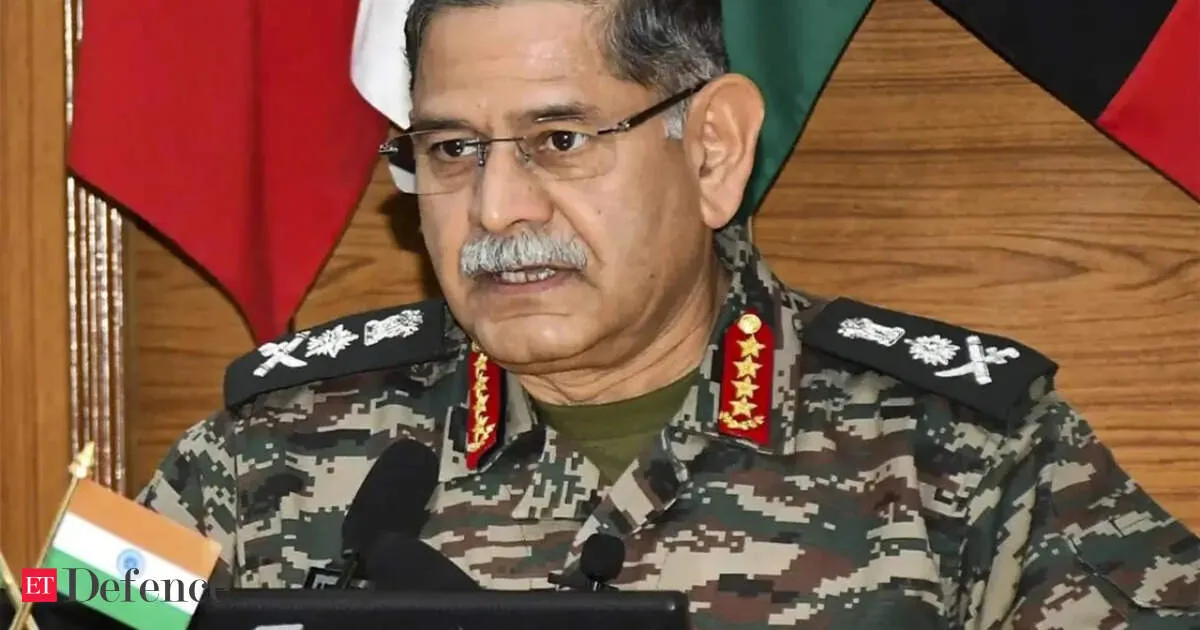
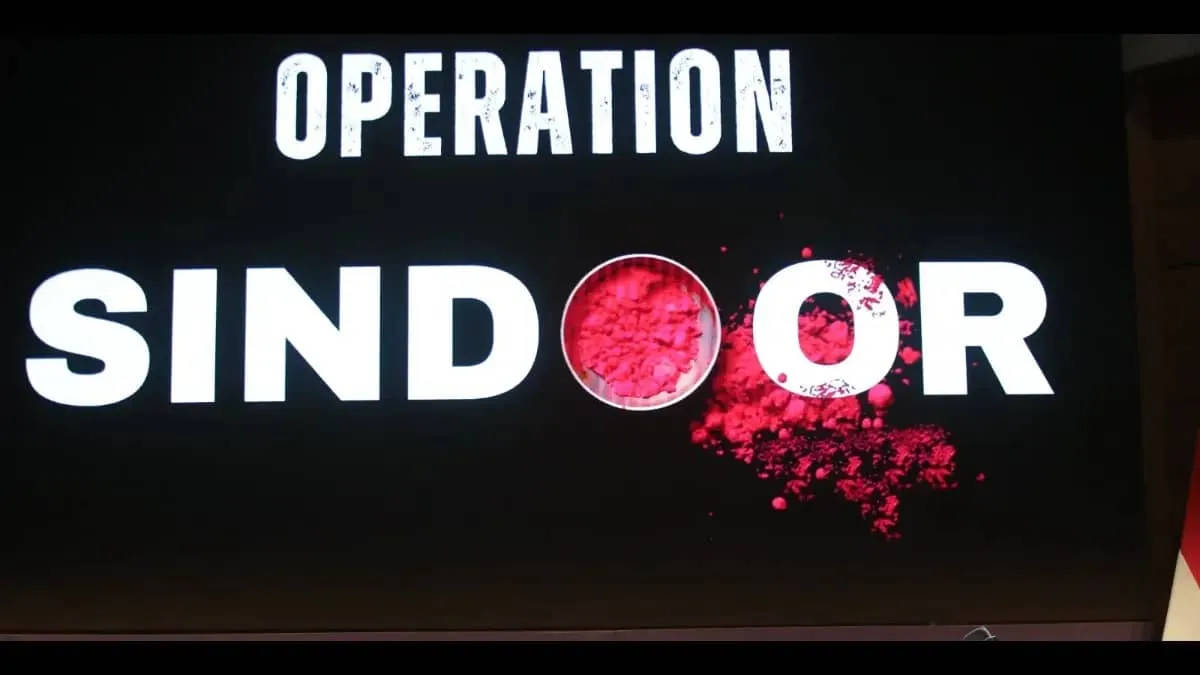
Indian Army chief Gen Upendra Dwivedi delivered a blunt message to Pakistan, saying that if Islamabad continues to harbour terrorists and operate against India, it must decide whether it wants to remain part of the “geography or history.” He spoke during an event days after India marked the first anniversary of Operation Sindoor, launched in early May last year as retaliation for the Pahalgam attack. The nearly 88-hour conflict included retaliatory offensives under the same operation, ending after an understanding.
Your news, in seconds
Get the Beige app — every story in 60 words, updated hourly. Free on iOS & Android.
Chief of Defence Staff Gen Anil Chauhan said Indian forces secured superior situational awareness and battlefield transparency during Operation Sindoor, dominating the escalation matrix across four days. The nearly 88-hour conflict followed precision strikes that avenged a terror attack. He also stressed that future warfare demands clear objectives and well-defined exit strategies to manage escalation risks.
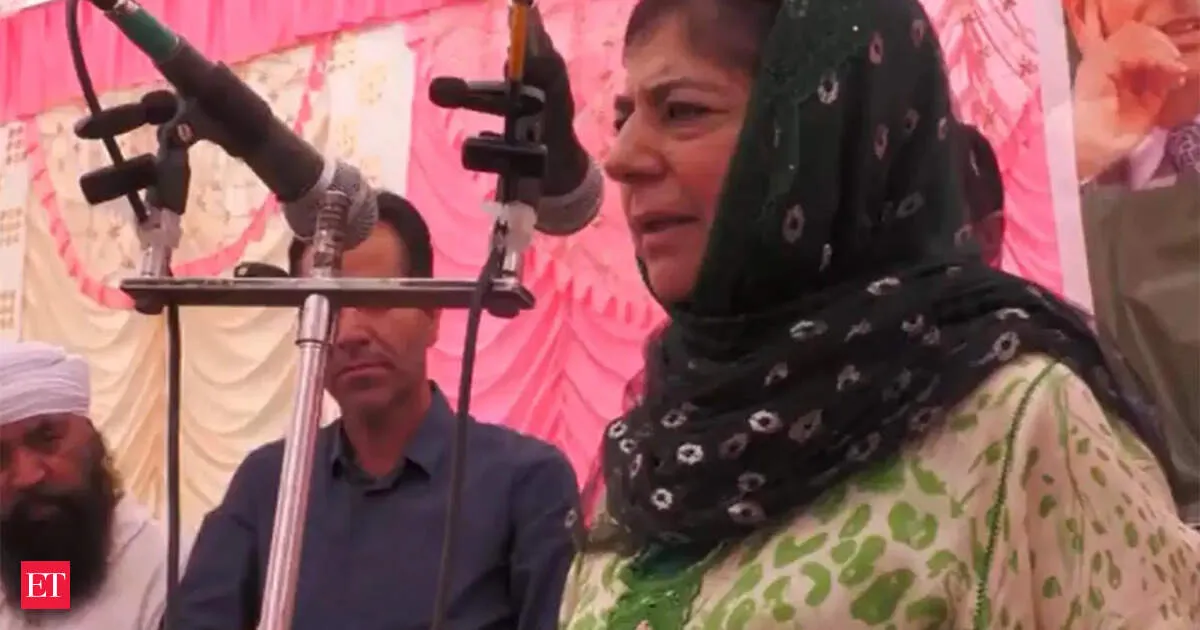
Jammu and Kashmir former chief minister Mehbooba Mufti welcomed RSS general secretary Dattatreya Hosabale’s call for India Pakistan dialogue. She said sustained, open talks are key to durable peace in the region, citing earlier dialogue periods under Atal Bihari Vajpayee and Manmohan Singh when militancy and atrocities declined.
Former army chief Manoj Naravane has backed RSS leader Dattatreya Hosabale’s call for engaging Pakistan, arguing that friendship among common people can strengthen national ties. Naravane highlights people-to-people contact, including sports, and “track two” diplomacy as key tools. While India prefers peace, he adds that force can be used if disputes demand it.
India’s forces reportedly hit 11 Pakistani air bases in a coordinated wave on 10 May, including Nur Khan near Pakistan’s top command in the Islamabad Capital Territory. The report challenges Pakistan’s version of a mutually honour-preserving ceasefire, pointing instead to procurement activity and the reality of where strikes landed, reshaping the post-situation narrative.
Never miss a story
Set alerts for the topics and sources you care about. Download Beige for free.
In a rare humanitarian move amid tense India Pakistan relations, Pakistan returned the body of 7 year old Zulkarnain Ali to India via the Teetwal Bridge. The child from Ladakh was swept away by the Suru River into Pakistan occupied Kashmir. His repatriation followed weeks of negotiations and culminated in a final handover to his family.
Lieutenant General Rajiv Ghai reacted sharply to Pakistan Army chief Asim Munir’s move to promote himself to Field Marshal after Operation Sindoor, calling India’s reaction “amusement.” He emphasized that Indian forces have carefully identified terror launch pads, training camps, and supporting infrastructure along the Line of Control and even across the International Boundary.
India’s top military officials have asserted that no terrorist safe haven in Pakistan is secure. They say India will decide the timing and method of any strike, and that terrorism will face consequences without “misadventure” going unanswered. The officials pointed to Operation Sindoor as setting a new response standard, crediting indigenous weapon systems and claiming Pakistan suffered major losses.
Pakistan says it is ready to begin meaningful, productive dialogue with India, while also marking the anniversary of a past conflict. Pakistani officials stressed that any future act of aggression would be met firmly, even as they continue building military capabilities. The comments suggest India’s security concerns remain shaped by historical tensions and will weigh on negotiations.
Reading on mobile?
Open Beige in the app for a smoother experience — free on iOS and Android.
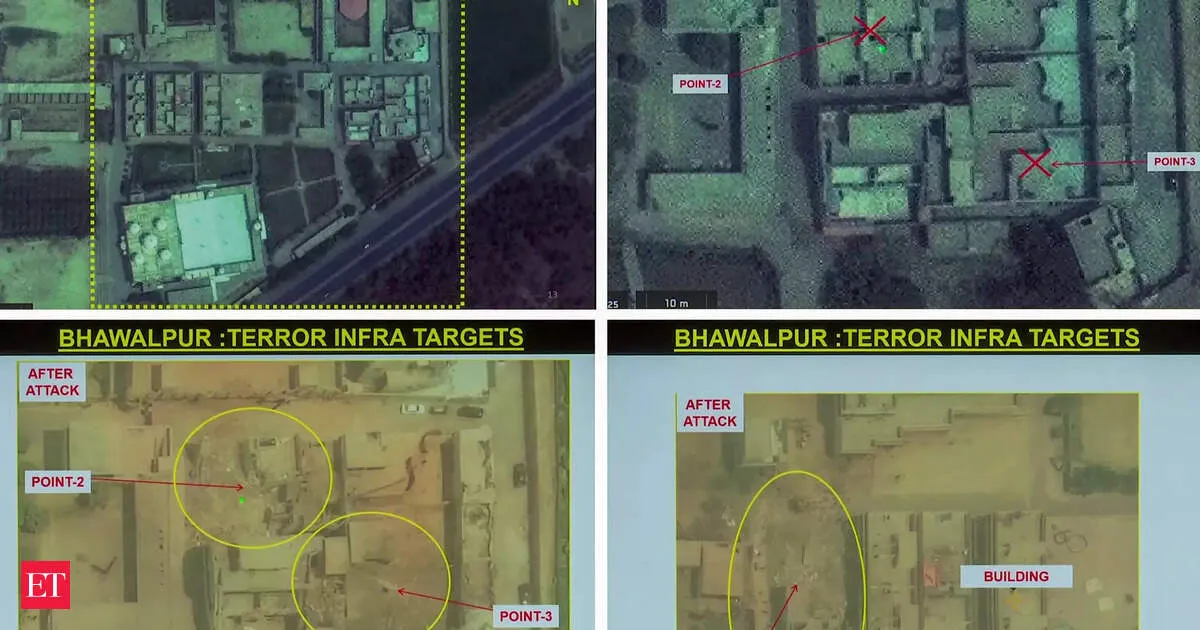
On the first anniversary of Operation Sindoor, India’s top military commanders disclosed that Indian forces struck 11 Pakistani airfields, destroyed 13 aircraft, and decimated nine terrorist camps. Officials say the operation reset India’s threshold for cross-border action by achieving clear objectives and bringing hostilities to a close after Pakistan sought negotiations.
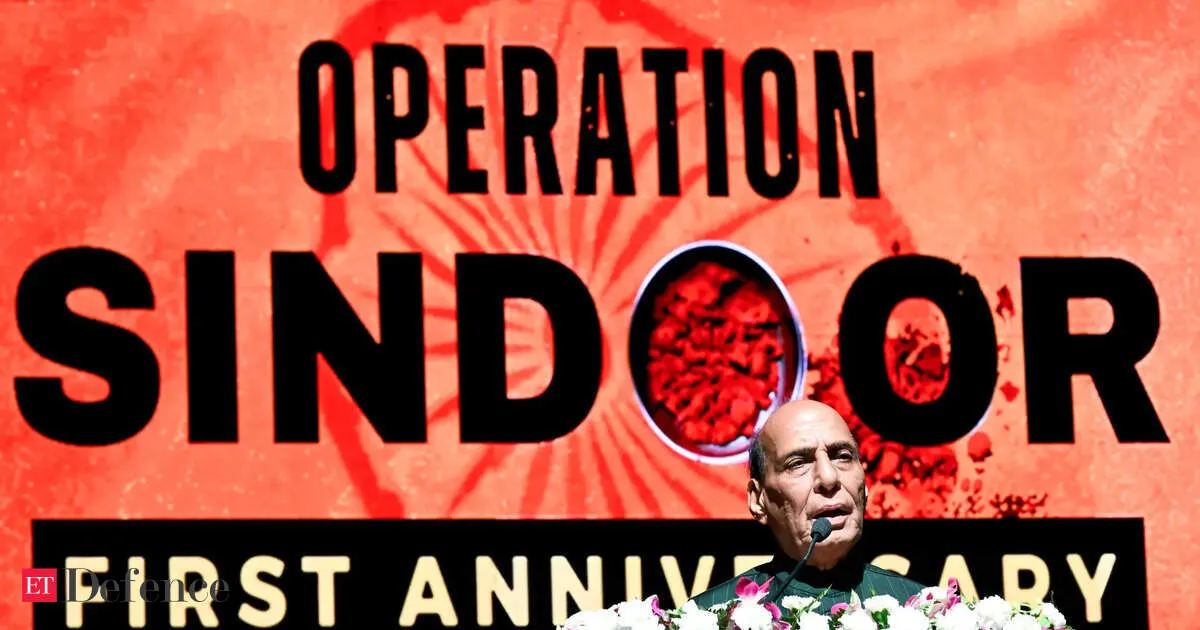
India marked the first anniversary of Operation Sindoor, launched after the Pahalgam terror attack. The military action targeted terror infrastructure in Pakistan-occupied Kashmir and Pakistan, with officials calling it a symbol of national resolve. The anniversary was used to reaffirm India’s position against terrorism and those believed to support it, highlighting the operation’s precision and decisiveness.
Defence Minister Rajnath Singh commemorated Operation Sindoor, presenting it as a decisive response to a terror attack. Indian forces targeted terror launchpads across Pakistan and Pakistan-occupied Jammu and Kashmir, eliminating over 100 terrorists. Pakistan retaliated, sparking broader conflict, after which India’s strikes were followed by a ceasefire that ended hostilities.
A year after Operation Sindoor, India has decided to keep the Indus Water Treaty suspended, maintaining its posture of keeping dam gates shut. The move signals a hardening stance toward Pakistan, with India arguing that meaningful cooperation cannot exist amid terror threats and that the treaty is “unjust.”
Follow your favourite sources
Track sources, tags and categories — all in the Beige app.
Nearly a year after India’s response to the Pahalgam terror attack, Operation Sindoor targeted terror infrastructure in Pakistan and PoJK. Austrian aerial warfare analyst and historian Tom Cooper has now described India’s action as a clear-cut military victory, pointing to what he says was India’s decisive advantage during the confrontation.
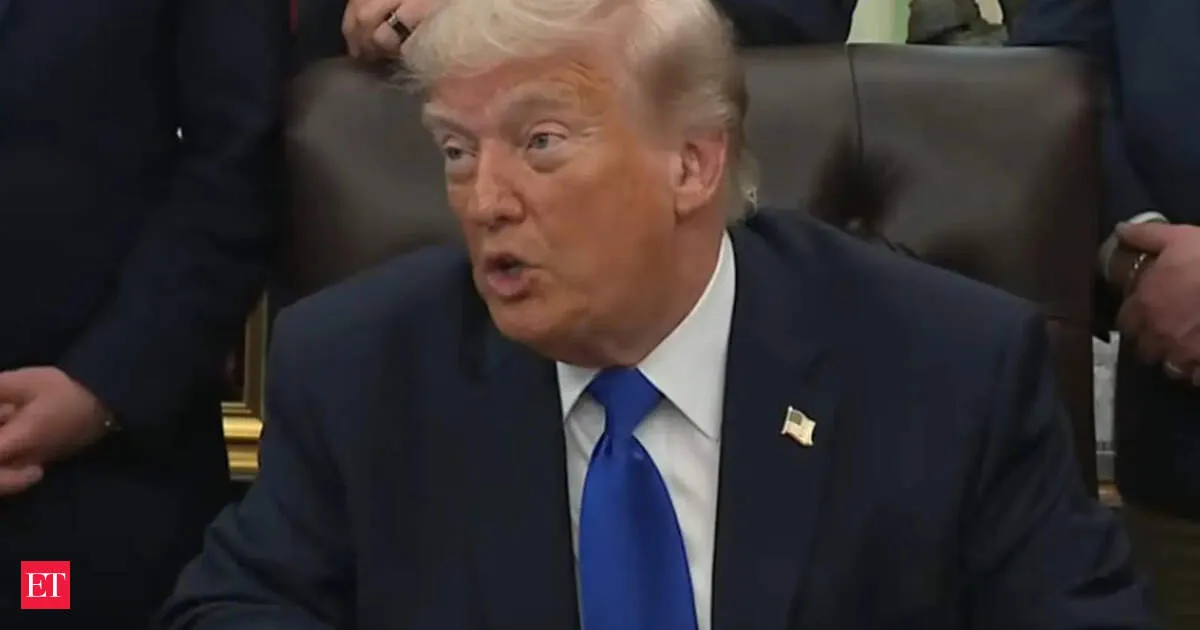
Donald Trump says he resolved the India Pakistan conflict in 2025 by threatening 200 percent tariffs to prevent fighting between nuclear-armed rivals, claiming it saved millions of lives. India disputes that account, saying the ceasefire happened after Pakistan’s DGMO contacted India’s counterpart. The dispute also follows India’s Operation Sindoor after a terror attack.
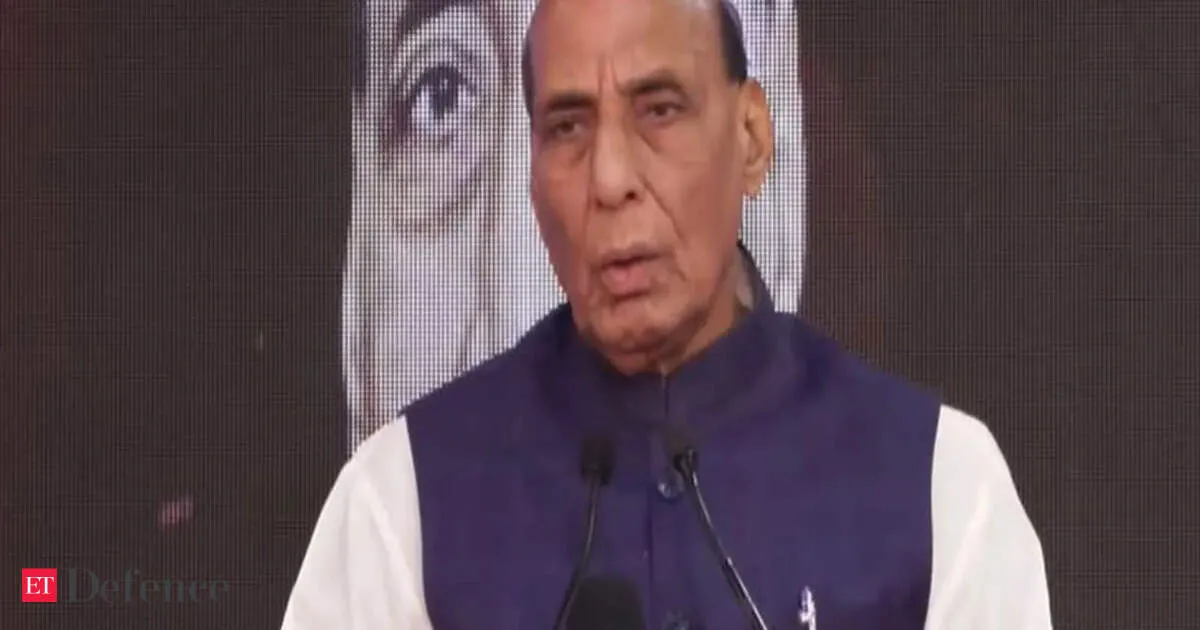
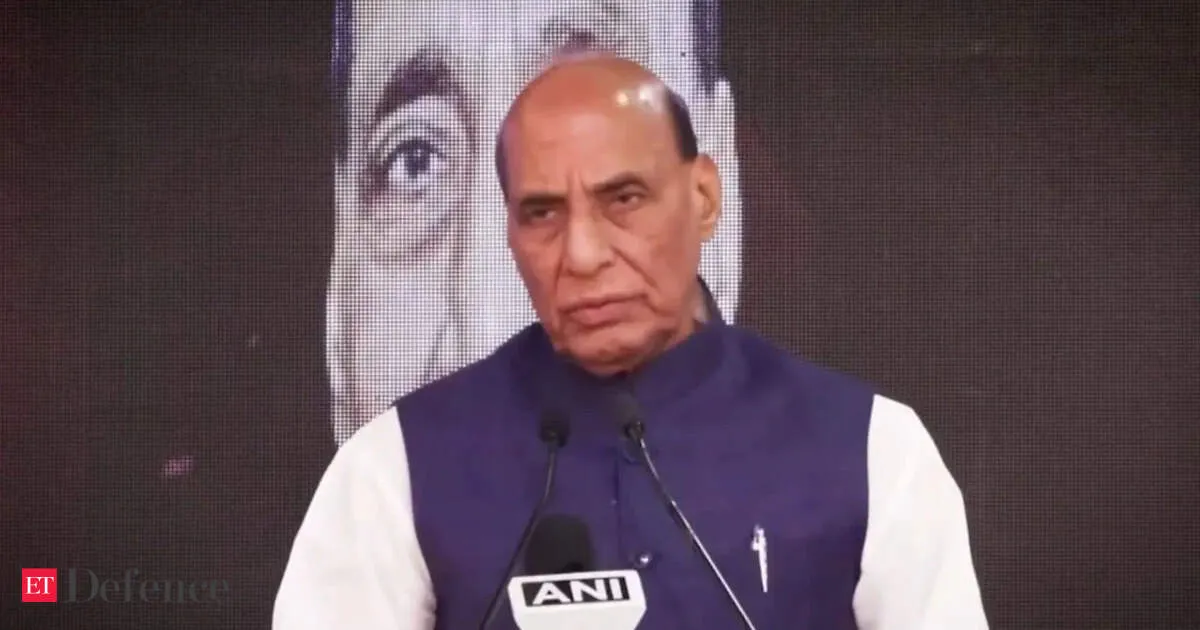
Defence Minister Rajnath Singh says India’s struggle against terrorism is anchored in protecting humanity’s core values, not slogans. He points to a shift toward decisive action, citing Operation Sindoor as a showcase of India’s integrated military capability. Singh adds that India has taken a tougher stance against terrorism and its sponsors, while defence exports continue to rise.
Defence Minister Rajnath Singh on Wednesday underscored India’s strategic strengths, saying the country excels in information technology while Pakistan is associated with international terrorism. He further stated that India is ready for a prolonged conflict and has improved its surge capacity, signaling tighter preparedness for extended operational demands.
Stay informed on the go
Bite-sized news from 100+ trusted sources, right in your pocket.
Jammu and Kashmir Police have registered an FIR in Doda after reports that pro-Pakistan posters featuring Pakistan Prime Minister Shehbaz Sharif and Field Marshal Asim Munir appeared in the Pul Doda area. A geo-tagged video of the posters quickly went viral online. Police are now investigating the video’s authenticity and working to identify those behind the alleged act.
On the one-year anniversary of the Pahalgam attack, Union Defence Minister Rajnath Singh delivered remarks in Germany that were cryptic yet direct toward Pakistan. He stressed India has never attacked anyone unprovoked, while implying that provocations will not be tolerated. The comments have reignited attention on India’s security stance and cross-border tensions.
Swipe through stories, personalise your feed, and save articles for later — all on the app.