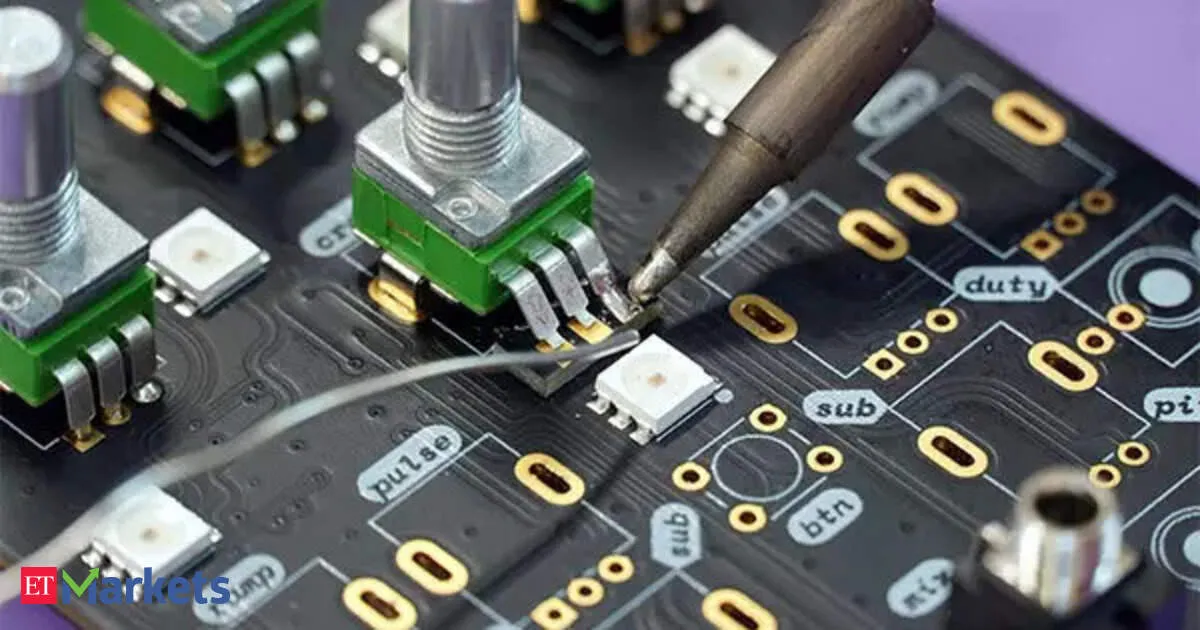
Samsung and SK Hynix logged record profits of $59.7 billion in the March 2026 quarter, exceeding the total profit of all listed India Inc companies in any prior quarter. The windfall is linked to surging AI-related capital spending, with memory chips sitting at the core of demand—highlighting how chip supply chains are powering the next AI boom.
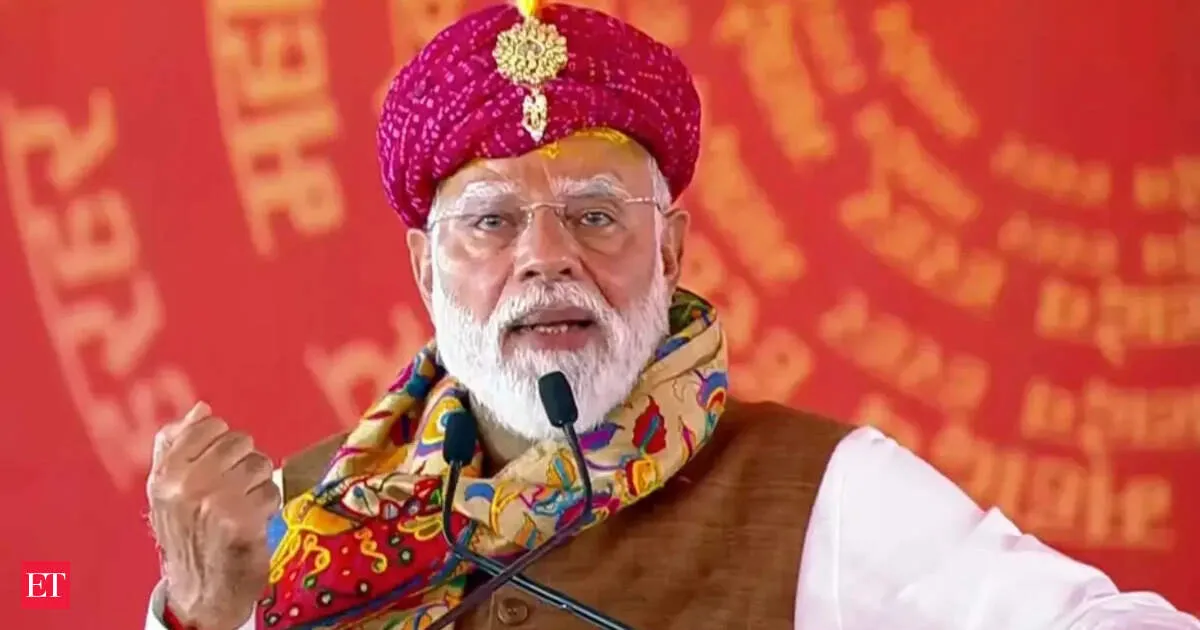
Prime Minister Narendra Modi urged Indians to rein in “reducible” expenses, naming items like fuel, foreign travel, and gold. India Inc reads the message as a nudge toward self-reliance and moderated consumption rather than alarm. With global pressures, including the West Asia crisis, weighing on economic sentiment, industry leaders say the focus should stay on domestic investment and cutting import dependence.
Your news, in seconds
Get the Beige app — every story in 60 words, updated hourly. Free on iOS & Android.
Indian companies are preparing to invest more than $20.5 billion in the United States, with plans spanning technology, pharmaceuticals, and manufacturing. US Ambassador Sergio Gor said the move is meant to deepen business ties between the two countries, while supporting American job creation and strengthening supply chains through new ventures and expanded operations.
India’s corporate elite turned the Met Gala into a showcase of “fashion is art,” with standout looks from Isha Ambani, Ananya Birla and Natasha Poonawalla. Birla paired Robert Wun couture with a Subodh Gupta sculpture mask, while Poonawalla wore a custom Marc Quinn orchid creation, blending high fashion with contemporary art references.
After a two-year stretch of heavy equity selling, Indian promoters flipped in 2026, pouring more than $4 billion into buying their own company stocks. The move, seen across major groups including Adani and GMR, comes as valuations stabilize following a market correction and is read as renewed belief in long-term growth, especially for asset-heavy businesses.
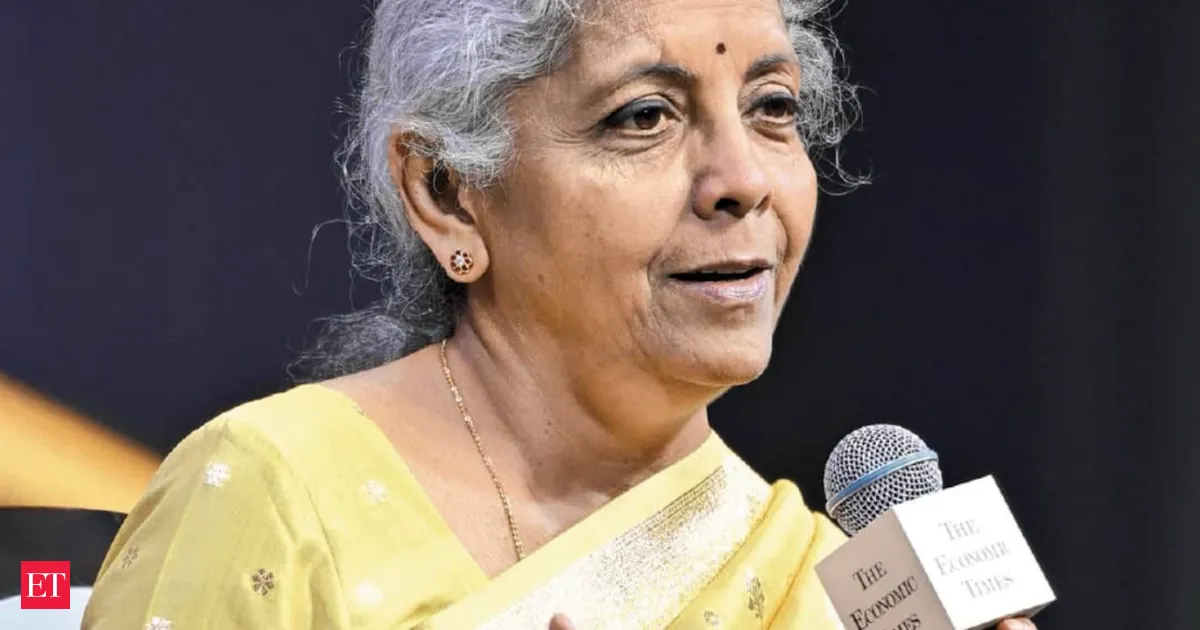
Finance Minister Nirmala Sitharaman said she is preparing reforms aimed at easing business compliance while leaning on strong domestic consumption to help India weather global risks. She also pointed to the growing cybersecurity challenge posed by advanced AI models, signaling government action to protect industry. Sitharaman added that the reform push will continue to support manufacturing and overall growth for India Inc.
Never miss a story
Set alerts for the topics and sources you care about. Download Beige for free.
Corporate earnings for India Inc in the March 2026 quarter rose in double digits, with banking and finance companies leading the boost. While Reliance Industries reported a profit decline, gains across other sectors more than offset it. Revenue growth climbed to its strongest level in seven quarters, and IT firms also delivered sharp profit increases. More results are expected soon.
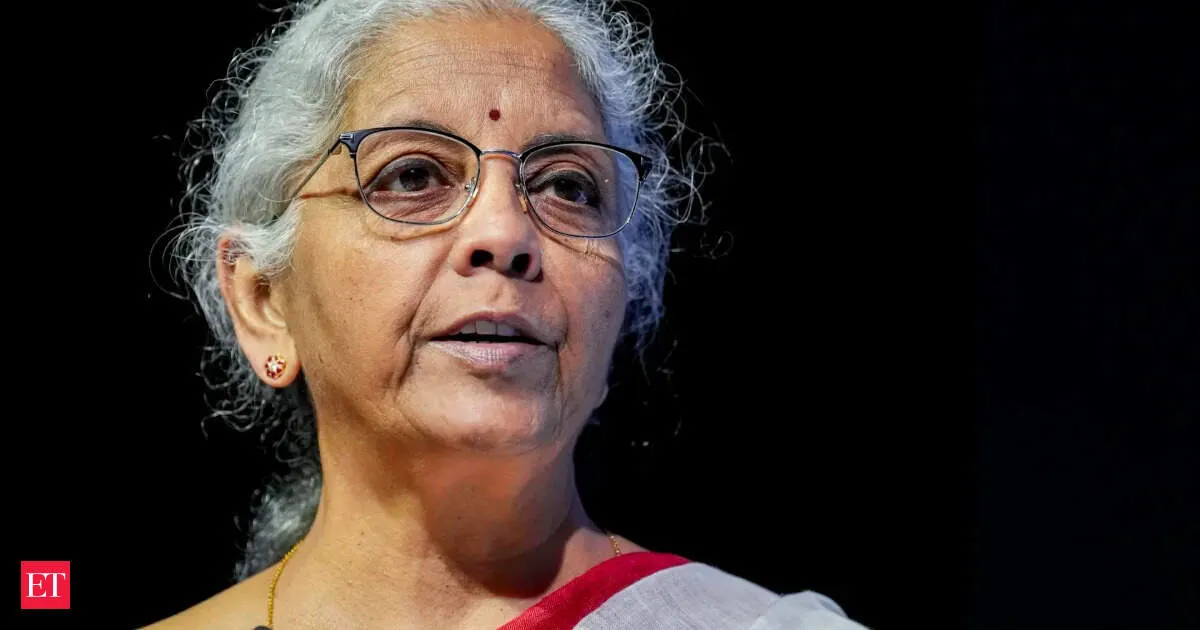
Finance Minister Nirmala Sitharaman promised support for farmers hit by rising input costs, while urging India Inc to expand capacity and share what it needs to invest more. She acknowledged concerns around capital outflows and reiterated India’s readiness for reforms. She also flagged ongoing engagement with the US and Anthropic on AI model risks, and said the strategic sale of IDBI Bank will proceed.
India Inc’s C suite hiring rose 12.1% year on year in calendar 2025, outpacing earlier growth rates. The surge is most evident in CEO and COO roles, pointing to companies prioritizing execution certainty and operational resilience even as the business environment stays unsettled. Leadership teams are being expanded to navigate volatility with faster decision making.
Even as geopolitics and fast-moving AI roil global markets, Indian companies are still pursuing leadership hires. Executive search agencies report steady interest in senior candidates, with demand clustering around technology, industrial firms, and newer high-growth sectors. For now, the scramble for top talent continues—hinting that corporate strategy is adapting rather than pausing.
Reading on mobile?
Open Beige in the app for a smoother experience — free on iOS and Android.
Indian companies are planning to hire more mid-level professionals, with salary hikes expected to stay moderate between 5% and 10% for 2026–27. While budgets tighten, firms also face persistent attrition risks, especially among mid-senior employees. The move suggests employers want experienced growth without escalating pay and retention costs.
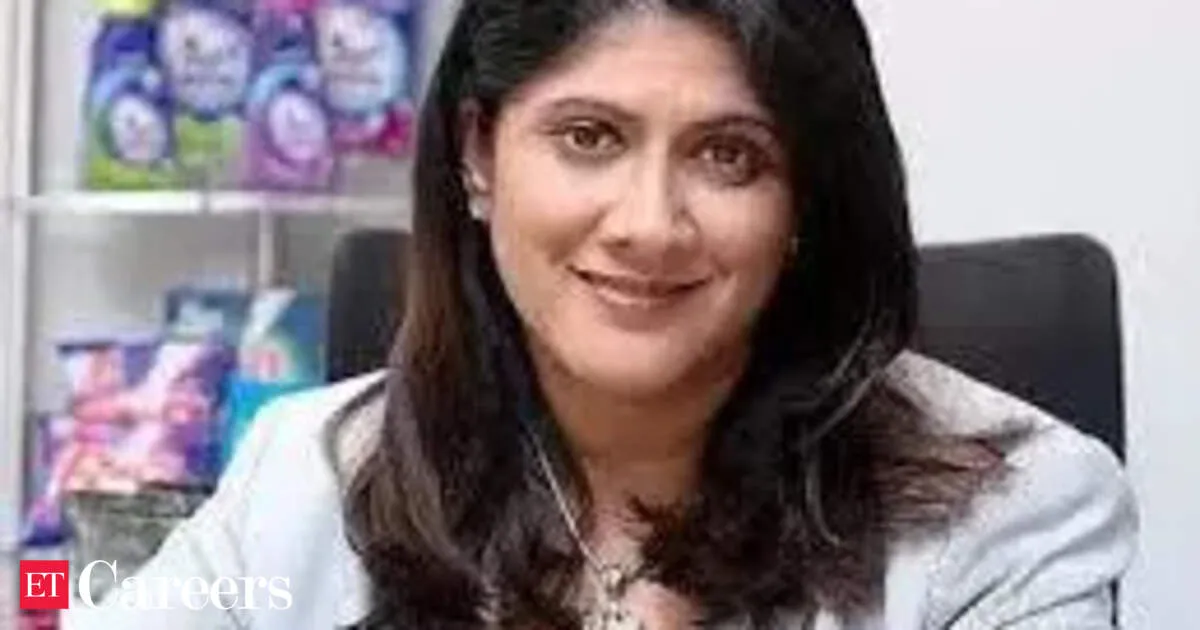
Hindustan Unilever has appointed Priya Nair as its next CEO and managing director, effective August 2025, signaling another milestone for women at the helm of India’s corporate world. Yet the article stresses that female leadership at top levels remains rare, with ongoing hurdles around hiring, retention, and career progression slowing broader change across sectors.
Rising West Asia tensions are putting India’s energy and logistics system under stress. The risk is not only supply stoppages, but the ballooning of freight and insurance costs that can squeeze corporate margins and widen deficits. While strong balance sheets provide some protection, long volatility may pressure earnings, capex plans, and the credit cycle.
Indian companies expect salary increases to remain steady at around 9.1% in 2026, according to a report. Life sciences and manufacturing are forecast to lead with the biggest hikes, while most industries should see stable or positive trends. The report flags ITeS as the lone sector with a slight dip, with junior staff and individual contributors seeing the highest averages.
Follow your favourite sources
Track sources, tags and categories — all in the Beige app.
With global uncertainty clouding growth, Indian companies are turning to professional CEOs and paying them handsomely. In BSE 200 firms, the number of CEOs earning over $1 million (₹8 crore) jumped nearly 71% to 145 in FY25, while promoter-led CEOs stayed mostly steady at 65—signaling a clear shift in boardroom strategy.
Swipe through stories, personalise your feed, and save articles for later — all on the app.