Morgan Stanley believes India can lift nominal growth toward 12% even as a West Asia crude oil crisis squeezes the global outlook. The bank says earnings growth has already turned after a six-quarter mid-cycle slowdown and should improve further, supported by RBI and government reflationary steps such as rate cuts, bank deregulation, liquidity infusion, and targeted capex in energy, defence, semiconductors, fertilisers, and data centres. Challenges remain, including limited direct AI exposure for equities and AI disruption risks for services exports.
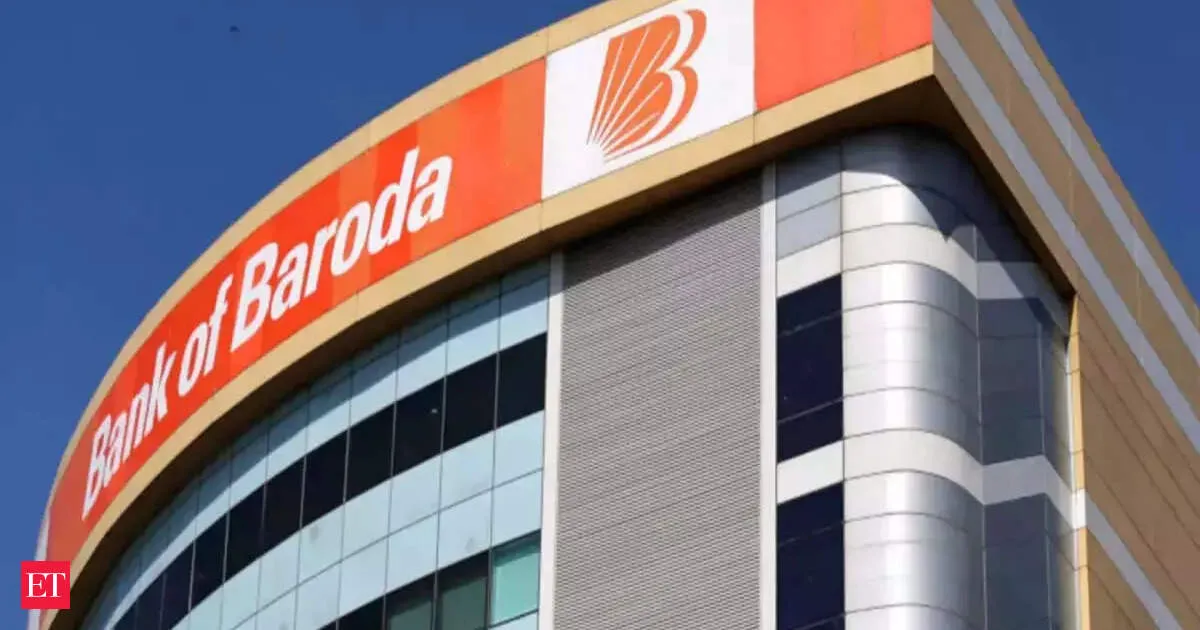
Bank of Baroda, India’s second-biggest state lender, says it aims to double its balance sheet within five years. CEO Debadatta Chand points to expected economic growth, rising credit demand, and a push into fee-based income. He also argues that scale and capital strength will be crucial as policymakers discuss creating even larger state-run banks.
Your news, in seconds
Get the Beige app — every story in 60 words, updated hourly. Free on iOS & Android.
India’s growth is projected to cool in FY27 to 6.7% as the lift from recent tax cuts fades and crude oil prices rise. BMI warns these pressures could weigh on consumption and investment while nudging inflation higher. With weak economic momentum already visible, an Iran-linked oil shock and a potentially weaker monsoon add fresh downside risks.
S&P Global Market Intelligence has cut India’s FY27 growth forecast to 6.6%, citing fallout from the Iran war. The report warns that geopolitical stress is tightening fiscal space, limiting capital expenditure and potentially constraining infrastructure spending. While medium-term strength may come from services, manufacturing, and AI, debt-to-GDP is expected to climb in the near term.
India’s economic growth is forecast to cool to 6.6% in FY27, driven by external shocks including energy supply disruptions and higher oil prices. A new S&P outlook warns that reaching the Viksit Bharat target by 2047 will hinge on faster reforms in energy and food security, including a comprehensive energy storage policy to blunt future volatility.
Even as the Nifty faces a $39 billion foreign institutional investor selloff, BlackRock’s Ben Powell says he remains overweight on India. His view rests on normalized valuations and durable medium-term growth, supported by demographics and policy reforms. Powell argues the current foreign withdrawal is driven by short-term concerns—AI-driven risk appetite and an energy crunch—rather than a break in India’s fundamentals.
Never miss a story
Set alerts for the topics and sources you care about. Download Beige for free.
French building materials firm Saint-Gobain plans to invest nearly $1 billion in India over the next five years, banking on population growth and rapid urbanisation. The company’s push across infrastructure projects reflects a broader shift toward emerging markets. Saint-Gobain says it aims to triple its business in India within ten years, underscoring long-term expansion ambitions.
Apple CEO Tim Cook said he is “over the moon” about India’s growth, pointing to rising middle-class demand and strong double-digit expansion across product categories. The March quarter brought standout iPhone momentum and record Services revenue, even as supply constraints and AI spending shape the outlook. Meanwhile, Indian VC activity snapped back in late April with funding more than doubling week-on-week, led by multiple $20M-plus rounds.
In today’s ETtech Top 5, Tim Cook said India is one of Apple’s biggest growth engines, underscoring the company’s expanding focus on the market. Meanwhile, Palo Alto Networks is set to acquire Portkey, signaling fresh momentum in cybersecurity. Together, the moves highlight how tech giants are doubling down across consumer devices and security services.
Tim Cook, the outgoing Apple CEO, called India a “huge opportunity” as Mac, iPad, and iPhone sales keep growing at double-digit rates. He said Apple’s current smartphone and PC market share is still small, meaning room to expand with India’s growing middle class and many first-time Apple buyers. But supply constraints for some Macs and iPhones, plus rising memory costs, may pressure results.
Reading on mobile?
Open Beige in the app for a smoother experience — free on iOS and Android.
Apple CEO Tim Cook says he’s “over the moon” about India, calling it a major growth opportunity. The iPhone maker is already seeing momentum in the country and has opened its sixth store, underscoring how India fits into Apple’s broader global expansion strategy.
Global consumer brands are upbeat about India again, with companies including Mondelez, Coca-Cola, Pernod Ricard, Reckitt Benckiser and Carlsberg posting double digit growth in the March quarter. The rebound follows recent volatility, and the article points to recent GST changes as a key boost to consumption. India remains a top growth market for these international firms.
Nomura expects India’s growth to slow in the first half of FY27 as supply disruptions weigh on activity, even as demand remains resilient. The economy is forecast to recover in the latter half, leading to 6.8% full-year growth. Supportive policies and easing trade tensions are tailwinds, but the Iran conflict is flagged as a key risk.
Reckitt reported double-digit growth for its India business in Q1 2026, driven by strong performances from Dettol and Durex. The company said the momentum came partly from expanding its coverage footprint. Globally, emerging markets like India and China led overall growth, and Reckitt expects continued strength in these regions.
Follow your favourite sources
Track sources, tags and categories — all in the Beige app.
India’s economy could keep expanding above 7 percent a year even if crude oil stays elevated at about USD 90–100 per barrel, according to Assocham. The industry group points to historical patterns showing consumption-driven resilience and expects growth to remain strong through 2026–27, despite some global forecasts calling for a slowdown.
India’s private sector activity expanded in April, with both manufacturing and services rebounding strongly, according to PMI data. The uptick came even as firms faced higher costs linked to the Middle East conflict and oil shock. Domestic demand stayed resilient, companies increased stockpiling, and employment improved, signaling confidence despite global risks.
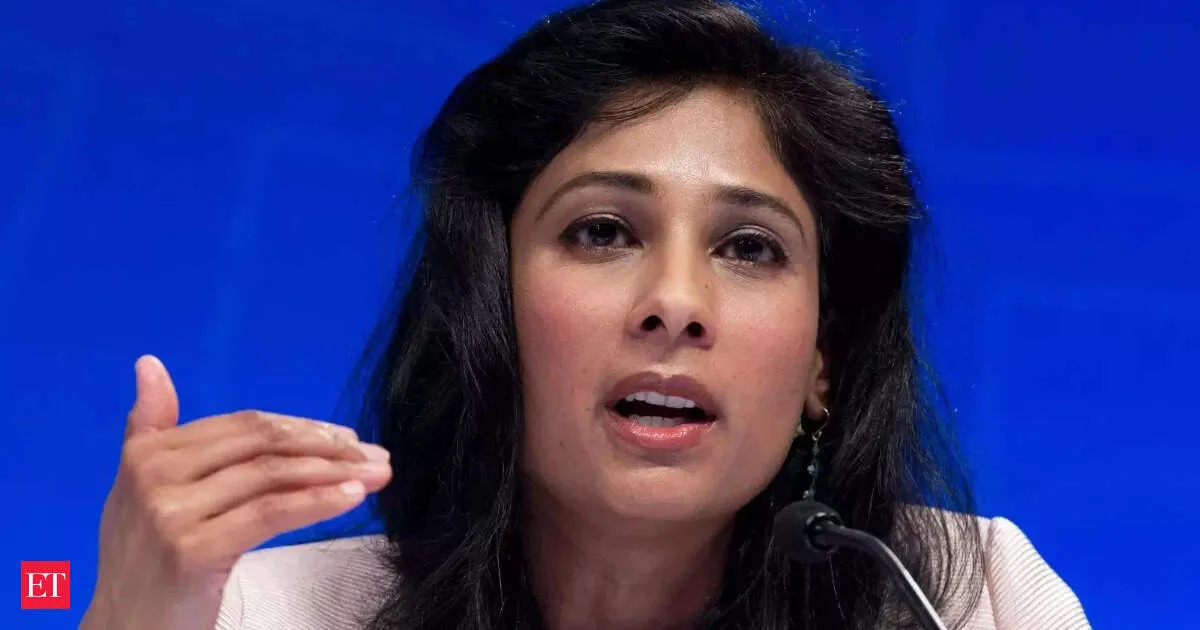
India’s economic growth is projected to hold near 6.5% this year, Gita Gopinath says, even as global uncertainty—especially the West Asia crisis—directly weighs on activity. She warns inflation may look contained only because firms are absorbing costs. That cushion could fade, pushing food prices higher. Oil shocks could spread across multiple sectors and even delay rate cuts.
India’s direct-to-consumer brands are expanding faster than ever, powered largely by Tier 2 and Tier 3 cities. For FY26, these smaller markets are projected to contribute nearly 66% of new orders, lifting order volumes by 33% and increasing GMV by 32%. With the D2C sector expected to reach $60 billion by 2030, growth is shifting beyond metros.
Stay informed on the go
Bite-sized news from 100+ trusted sources, right in your pocket.
RBI Governor Shaktikanta Das says the global economy is entering a fresh storm, with financial markets across countries thrown into turmoil. He notes stress is showing up across equity, bond and currency segments. Despite the global volatility, Das adds that economic activity in India remains stable, offering some cushion for the domestic outlook.
Civil Aviation Minister K Rammohan Naidu reviewed progress in drone research, development, and component manufacturing, outlining a push to accelerate India’s drone ecosystem. The review is aimed at strengthening local capabilities and scaling production, with a stated goal of making India the world’s third-largest drone market by 2030.
Swipe through stories, personalise your feed, and save articles for later — all on the app.