Germany’s academic exchange agency DAAD is redesigning its India strategy. Instead of focusing mainly on sending students to Germany, DAAD plans long-term partnerships with Indian institutions to expand joint research and academic collaboration. The agency is also encouraging more German students to study in India, aiming to strengthen durable ties between the two countries’ education ecosystems.
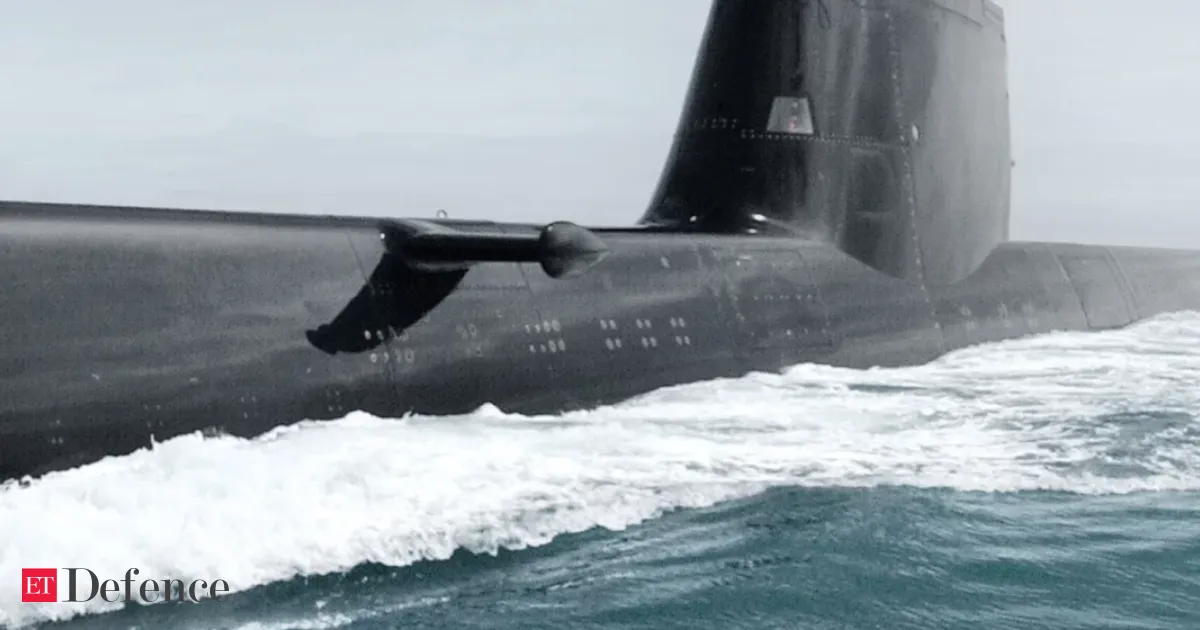
India is set to acquire advanced German TKMS Type 214 submarines as defence ministers toured a submarine facility together. The deal is reported at roughly $8–10 billion and is said to include technology transfer and local manufacturing. Six submarines will be built in India, with the first expected in about seven years, marking a major step-up in underwater capability.
Your news, in seconds
Get the Beige app — every story in 60 words, updated hourly. Free on iOS & Android.
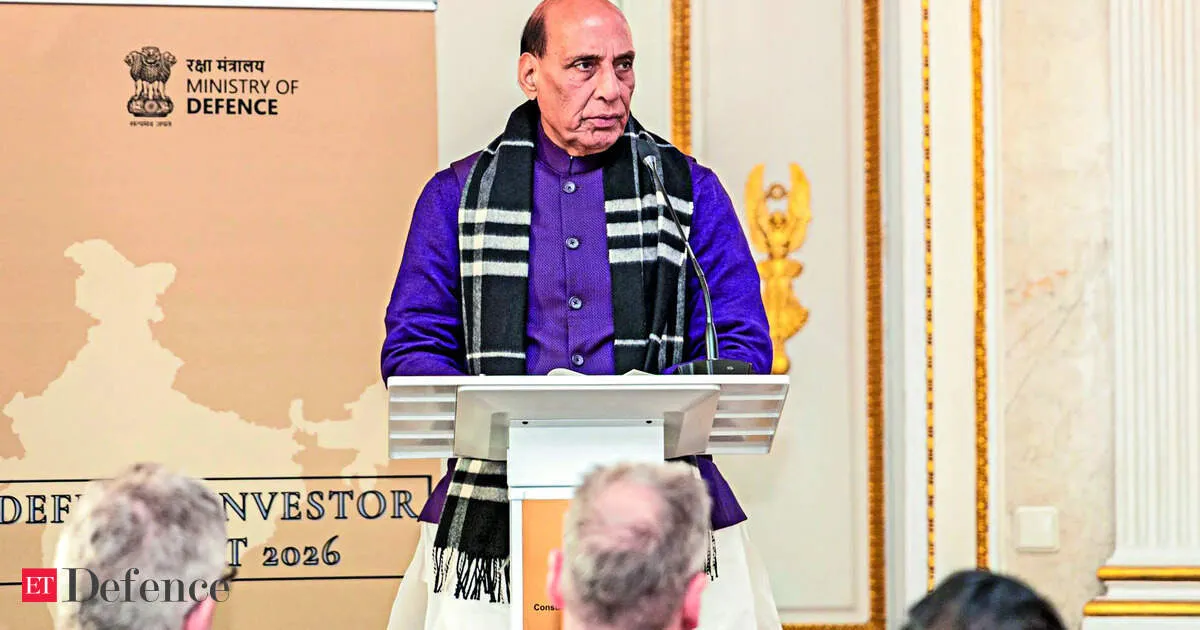
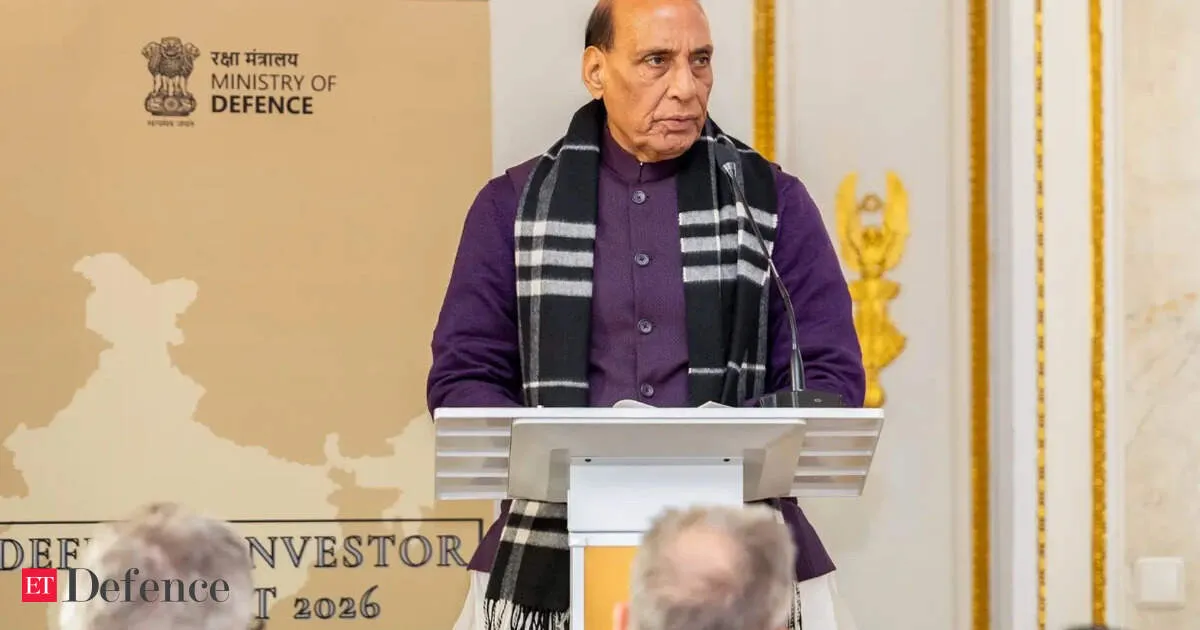
Defence Minister Rajnath Singh says the India-Germany defence partnership is a long-term strategic bet to diversify global supply risks. By collaborating on weapon systems, both sides can strengthen resilience in shifting supply chains. Singh pointed to India’s large market, skilled workforce and expanding industrial capacity, including opportunities to jointly develop advanced radar, sensors and AI-enabled drones for mutual growth and self-reliance.
Defence Minister Rajnath Singh has called on German firms to partner with India for co-development and co-production of modern defence systems. He pointed to India’s expanding market and skilled workforce, pitching the collaboration as a way to build resilient supply chains and enable long-term investment. The effort will target niche technologies and deeper strategic cooperation.
Swipe through stories, personalise your feed, and save articles for later — all on the app.