New York Sugar Week ended amid near five-year lows, but traders are watching two volatile levers: Brazilian fuel economics and El Niño’s potential hit to India’s cane. With Brazil’s large crops already pressuring raw sugar, mills may shift cane toward gasoline-related ethanol, depending on the “sugar mix.” Estimates range as low as 45% versus last year’s 50.4%. Petrobras has held gasoline prices steady despite broader gains, affecting ethanol demand. Separately, El Niño-driven dryness could influence India output, at a time when exports are already curtailed and restrictions are debated for 2026-27.
Indian textile industry bodies have asked the government to scrap an 11% import duty on raw cotton after domestic prices jumped about 25% in two months. They say this crop year’s cotton output could fall roughly 10% short of initial expectations, with current production estimated at 29.2 million bales versus domestic demand of 328 lakh bales. Manufacturers also argue they’re losing ground to Vietnam and Bangladesh, where cotton imports enter duty-free, while a newly approved ₹5,659 crore cotton productivity mission is underway.
Your news, in seconds
Get the Beige app — every story in 60 words, updated hourly. Free on iOS & Android.
India’s merchandise exports and imports with West Asia fell more than 28% in April, the second straight monthly contraction, as ship movements were severely disrupted by the US-Israel-Iran conflict. Exports to the region dropped 28% to $4.16 billion and imports fell 31.64% to $10.47 billion. Trade with the UAE and parts of Saudi Arabia weakened, while Oman imports surged. The Strait of Hormuz restrictions are throttling a key route, threatening sectors like gems, engineering, electronics, and oil-linked supplies.
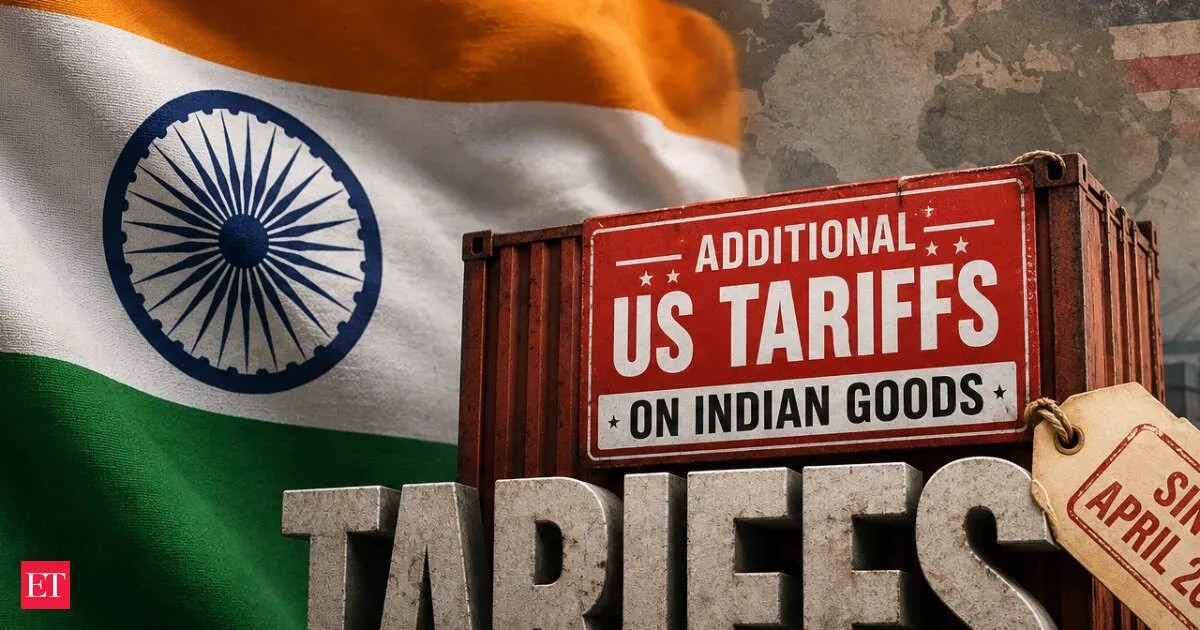
Starting April 2025, the US rolled out multiple tariffs on Indian goods, with rates shifting between reciprocal measures and duties tied to India’s Russian oil purchases. Some actions were suspended or revised over time. The biggest twist came when US courts struck down parts of the reciprocal tariff system, changing the pressure on exporters and trade negotiations.
Renault is reshaping its India business by creating a dedicated powertrain manufacturing unit, while merging vehicle manufacturing and sales under one structure. The reorganization is designed to strengthen India’s role as an export base, with Renault aiming for 2 billion euros in annual exports by 2030. The company says operations and stakeholder relationships will remain unaffected.
India’s exports gained strong momentum in April even as tensions persist in West Asia, Commerce Minister Piyush Goyal said. He pointed to improving global demand and newly inked trade agreements as key drivers for outbound shipments. Exporters are also pushing to expand market access, while progress continues on discussions surrounding an India-US trade deal.
Never miss a story
Set alerts for the topics and sources you care about. Download Beige for free.
The US has moved to impose tariffs on branded drug imports, aiming to spur domestic manufacturing. But the impact may be limited because key exemptions cover companies investing in US production and imports from countries with trade agreements. Generics are unaffected, leaving Indian exporters of branded medicines needing to reassess the new compliance and pricing rules.
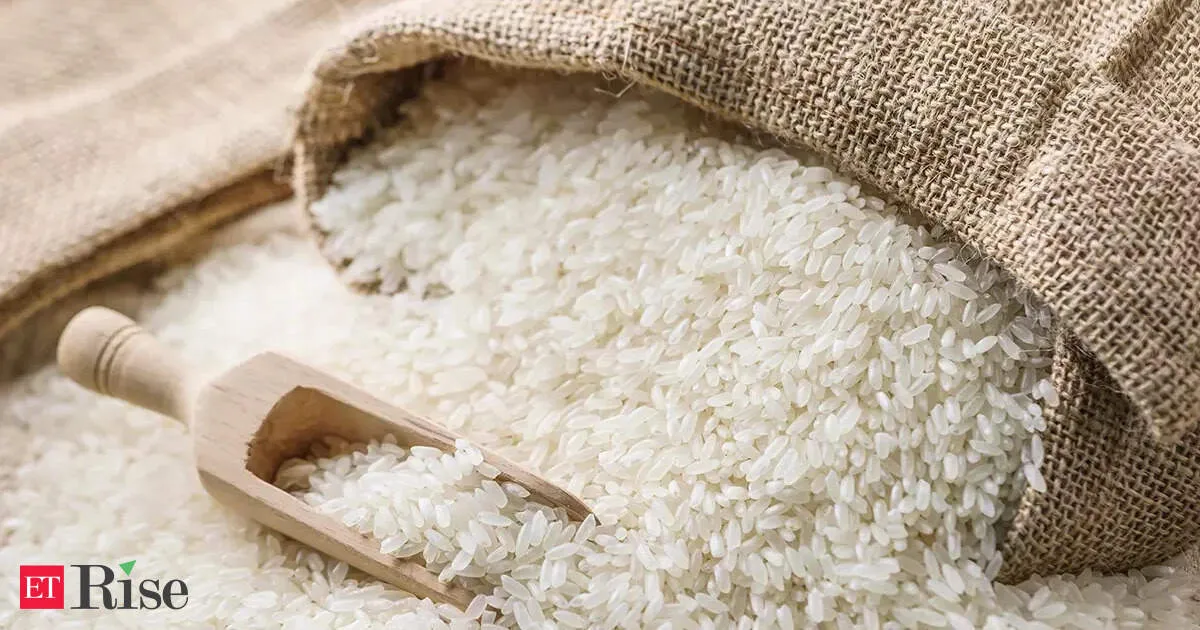
Asia’s rice prices are moving unevenly as India keeps export rates steady despite muted demand. Vietnamese rates edged higher on tighter supplies and rising production costs, while Thailand’s prices also inched up. In Bangladesh, rice remains costly for consumers even after a good harvest, highlighting how supply-side pressures are still feeding prices.
India’s electronics exports jumped about 24% in the last fiscal year, with smartphones driving nearly a 22% rise. The gains are linked to the government’s production-linked incentive push, while major markets included the US, UAE, and China. The results underline India’s fast-growing clout as a global manufacturing hub for electronics.
Indian engineering exports surged past $10 billion in February 2026, recording double-digit growth despite geopolitical tensions and global economic slowdown. Shipments gained momentum across key destinations, with China emerging as a standout market as volumes doubled. Strong performance was also seen in other major regions including Saudi Arabia and the UK, helping sustain the export rebound.
Reading on mobile?
Open Beige in the app for a smoother experience — free on iOS and Android.
Swipe through stories, personalise your feed, and save articles for later — all on the app.