Domestic institutional investors (DIIs) ramped up buying across large-cap India in the March 2026 quarter despite steep market declines. Financials led the list, with HDFC Bank emerging as the top buy, followed closely by ICICI Bank and major tech and telecom names. IT giant Infosys, Kotak Mahindra Bank, Bharti Airtel, and Reliance were also heavily accumulated. Eternal’s quick-commerce surge stood out, while multiple stocks recorded both large net buys and significant price drops.
Foreign institutional investors have accelerated their exit from Indian equities, selling about $53 billion since late 2024 and pushing the MSCI India index down roughly 8% between September 2024 and May 2026. In Q4, HDFC Bank topped the list with foreign investors cutting 47.95 crore shares and selling Rs 41,449 crore, alongside heavy selling in Kotak Mahindra Bank and Bharti Airtel. Despite the pressure from FIIs, domestic institutions have increasingly taken the lead.
Your news, in seconds
Get the Beige app — every story in 60 words, updated hourly. Free on iOS & Android.
Foreign institutional investors have withdrawn about $53 billion from Indian equities since late 2024, pressuring many large-cap names even as MSCI India fell roughly 8% from September 2024 to May 2026. Yet in Q4, FIIs increased holdings in several stocks in value terms. State Bank of India led with a Rs 9,319 crore rise in FII holdings during the March 2026 quarter, followed by Power Grid, NTPC, Vedanta and others, including stock broker Billionbrains Garage Ventures and GE Vernova T&D India.
Mutual funds made complete exits from eight different stocks in April, as reported in Prime Database’s monthly release. Fund houses sold all existing holdings across names including Sanghi Industries, Yuken India, Credo Brands Marketing, Indo Borax & Chemicals, Roto Pumps, Sathlokhar Synergys E&C Global, GFL and Sanstar. The largest selloff was in Sanghi Industries, where 1.92 crore shares were offloaded for about Rs 92.27 crore, while the remaining exits ranged from small to mid-sized positions.
A sudden surge in block trades is reigniting optimism for India’s equity capital markets after a weak start to 2026. May block trade proceeds hit Rs 200 billion, the highest so far this year, driven by major deals including stake sales at Adani Ports and Special Economic Zone and investment platform Groww. The rebound contrasts with lackluster IPO fundraising and lagging equity performance.
Groww stock slid as much as 7% to an intraday low of ₹180.15 after reports said early investors could offload shares worth up to ₹4,750 crore via block deals. The move coincides with the expiry of its six-month post-IPO lock-in, freeing nearly 418.2 crore shares to trade. Despite the dip, the company recently posted sharp profit and revenue growth.
Never miss a story
Set alerts for the topics and sources you care about. Download Beige for free.
Foreign investors stayed net sellers of Indian equities in April, but the outflow pace eased sharply versus March. FIIs shifted to buying in power, capital goods and metals, while financial services, healthcare, oil & gas and automobiles saw continued heavy selling pressure. The divergence points to sector-specific bets as global uncertainty persists.
Six BSE 100 stocks hit fresh 52 week highs even as the broader market remained weak. Bajaj Auto, along with Nestlé India, Adani Ports and Special Economic Zone, Cummins India, Apollo Hospitals Enterprise and Titan Company, have rallied as much as 22% over the past month, highlighting pockets of strength in specific sectors and names.
During the March quarter’s market slump, Life Insurance Corporation of India deployed nearly $2 billion into 10 stocks, adding to positions in names such as Bajaj Finance, Bharti Airtel, TCS, and Infosys despite price declines. LIC also trimmed exposure in other holdings, signaling a selective contrarian strategy rather than broad buying.
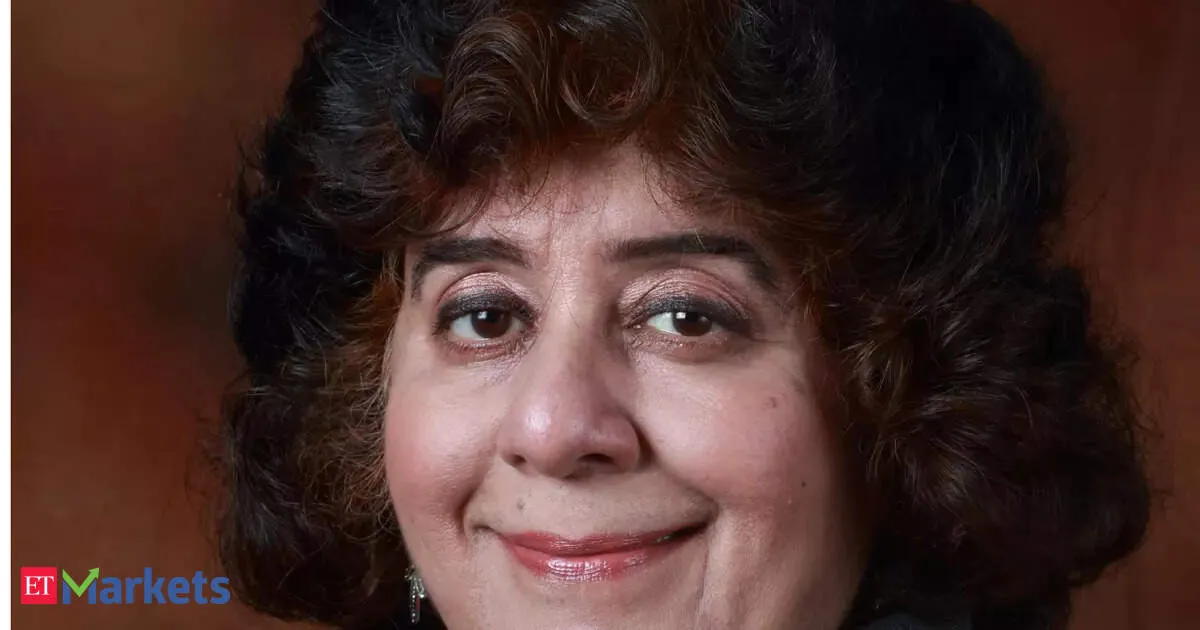
Devina Mehra of First Global says Indian equities are moving through a bottoming zone, urging investors to stay invested rather than exit on earnings disruptions. She expects sector rotation to continue and forecasts 2026 to be better than 2025. Mehra flags power as a key growth theme and argues IT is evolving, not dead.
Reading on mobile?
Open Beige in the app for a smoother experience — free on iOS and Android.
Indian markets ended higher as auto, FMCG, and IT stocks led the move. Strong Q4 earnings powered gains for GRSE, CEAT, and Vedanta, lifting sentiment across sectors. But several names fell, including REC, Cohance Lifesciences, and India Cements, highlighting how results drove a sharp, stock-by-stock reshuffle for Wednesday trade.
HSBC has cut its India equity exposure and increased its focus on South Korea, pointing to Korea’s sharp earnings growth. The bank says India’s earnings recovery is genuine but gradual, and its stance remains long-term bullish. HSBC frames the move as tactical rather than structural, urging investors to stay optimistic and target emerging Indian sectors.
Foreign institutional investors extended their selloff in 2026, dumping Indian equities worth Rs 17,140 crore last week and pushing April outflows to Rs 43,967 crore. The pressure is being linked to geopolitical worries and weak sector leadership, dragging domestic indices. Traders now watch the next global cues, with the US FOMC and Japan’s rate decision likely to steer the next move.
Swipe through stories, personalise your feed, and save articles for later — all on the app.