Indian refiners are preparing for a potential reduction in Russian oil imports as a US waiver set to expire this weekend nears. Geopolitical tensions tied to the Iran war have disrupted Persian Gulf supplies, pushing India toward more Russian crude in recent weeks—making the waiver’s end a high-stakes moment for sourcing and costs.
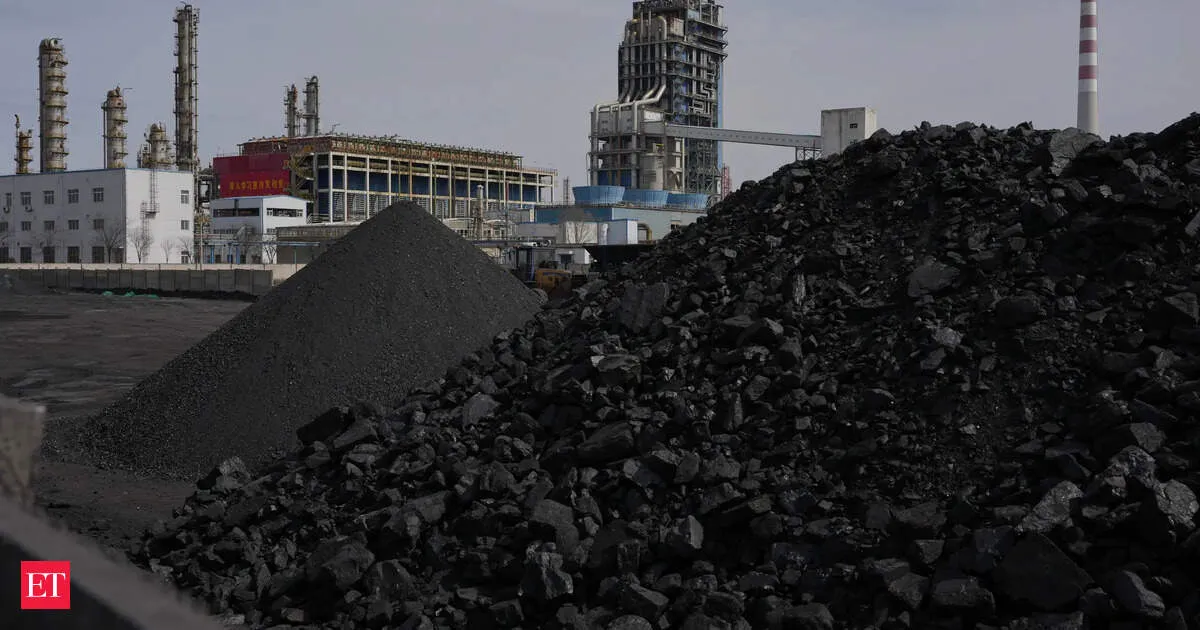
India’s power debate is shifting from “enough electricity” to “reliable electricity” during non-solar hours. Citi warns that fast renewable growth strains evening and night demand, exposing gaps in transmission and storage. Battery storage and flexible thermal generation could become essential, while delays in adding capacity may trigger new shortages. Coal remains key for stability.
Your news, in seconds
Get the Beige app — every story in 60 words, updated hourly. Free on iOS & Android.
Amid the West Asia crisis and a sharp jump in global crude prices, India’s fuel market has stayed comparatively stable. The article points to resilient domestic demand, expanding refining capacity, rising renewable energy output, and targeted government interventions that helped blunt the impact on consumers and keep fuel prices from tracking the global spike.
Reliance Industries is ramping up liquefied petroleum gas (LPG) production while cutting alkylates, a gasoline-blending component. The company is doing this to offset expected losses from reduced Middle East LPG imports. With India facing a severe cooking fuel shortage, the government has urged refiners to maximize LPG output to protect household supply.
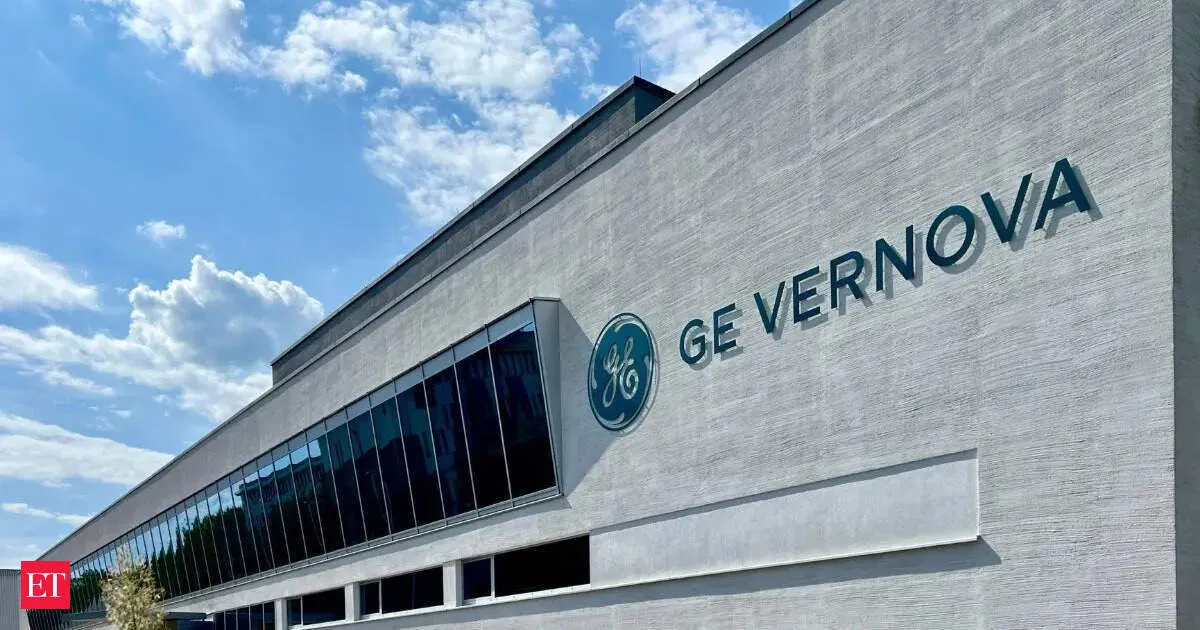
GE Vernova has secured an order to supply nine pumped-storage units for Megha Engineering & Infrastructures’ Upper Sileru hydropower plant in Andhra Pradesh. The 1.35 GW project, due by 2030, is set to become one of India’s largest. Pumped storage will help stabilize the grid and balance renewable power, with GE handling design, manufacturing, commissioning, and control systems.
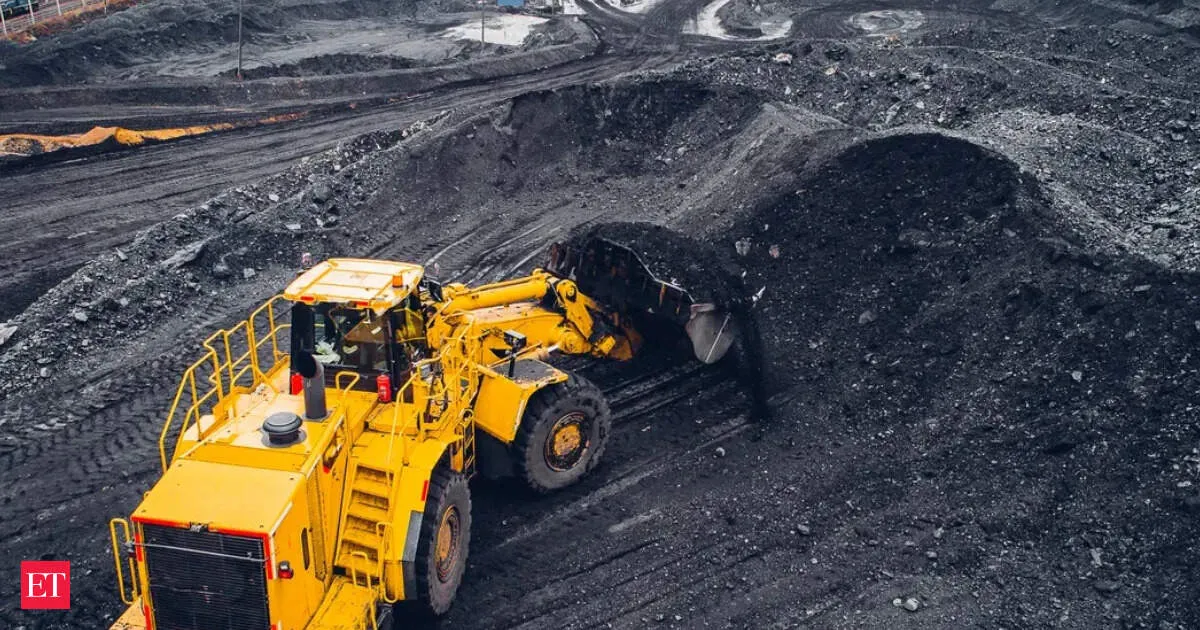
Coal India’s April production fell 9.7%, a rare jolt for the company that supplies fuel for most of India’s electricity. The timing is especially worrying as summer power demand hits new highs, raising the risk of coal shortages at thermal plants and ripple effects across power-dependent industries.
Never miss a story
Set alerts for the topics and sources you care about. Download Beige for free.
The West Asia war is reshaping diesel demand, cutting bulk sales to oil companies by 30-50% as large customers switch to buying from retail pumps. With retail diesel priced about ₹50 per litre cheaper, the shift is deepening losses for oil marketing companies, though state transport corporations remain exempt from higher bulk pricing. The widening gap is driving even more customers to seek alternatives.
India’s renewable power generation hit a record high in 2025, driven by solar and wind reaching new individual highs. The rapid rollout and output growth pushed coal generation down, signaling a clear shift in the energy mix. Still, coal remains the dominant source of electricity, underscoring how far the transition has to go.
Nilesh Shah of Kotak Mutual Fund, and a member of the PM’s economic advisory council, says India must reduce vulnerability to energy shocks by accelerating electrification and rapidly scaling up nuclear power. His argument centers on cutting dependence on energy imports and strengthening long-term energy security as global disruptions threaten supply and prices.
Adani Power has formed a new company, Rawatbhata-Raj Atomic Energy, to broaden its nuclear power push. The firm is a wholly owned subsidiary of Adani Atomic Energy Ltd, underscoring the group’s long-term commitment to atomic energy. The move adds to India’s expanding nuclear capacity, with private players increasingly taking a role in generation plans.
Reading on mobile?
Open Beige in the app for a smoother experience — free on iOS and Android.
Swipe through stories, personalise your feed, and save articles for later — all on the app.