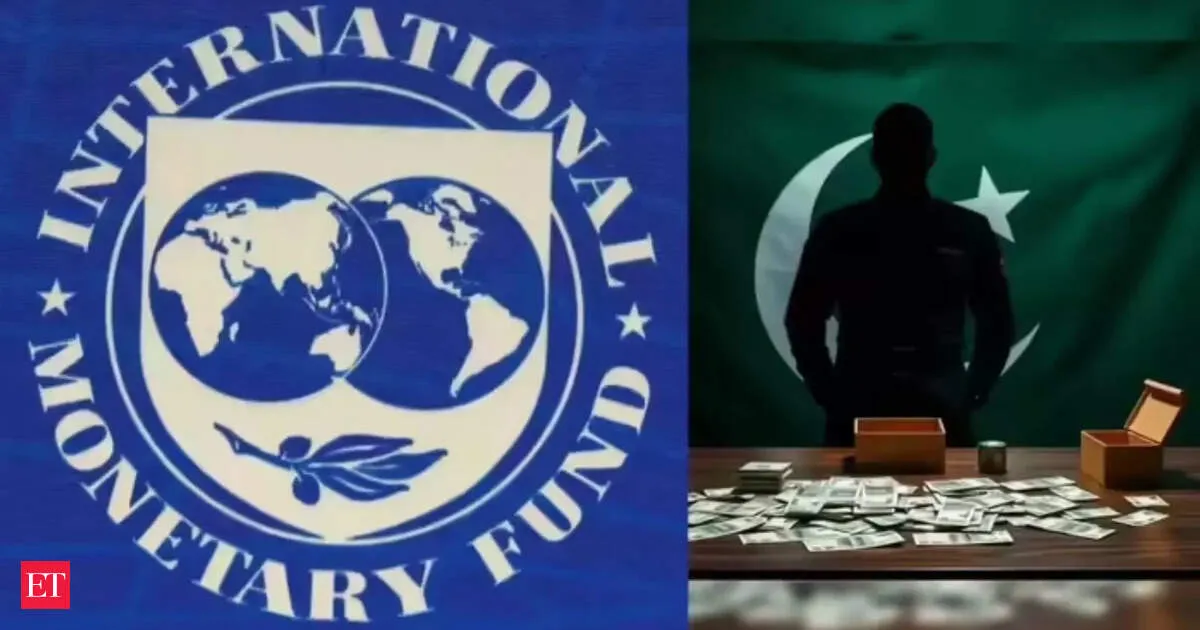
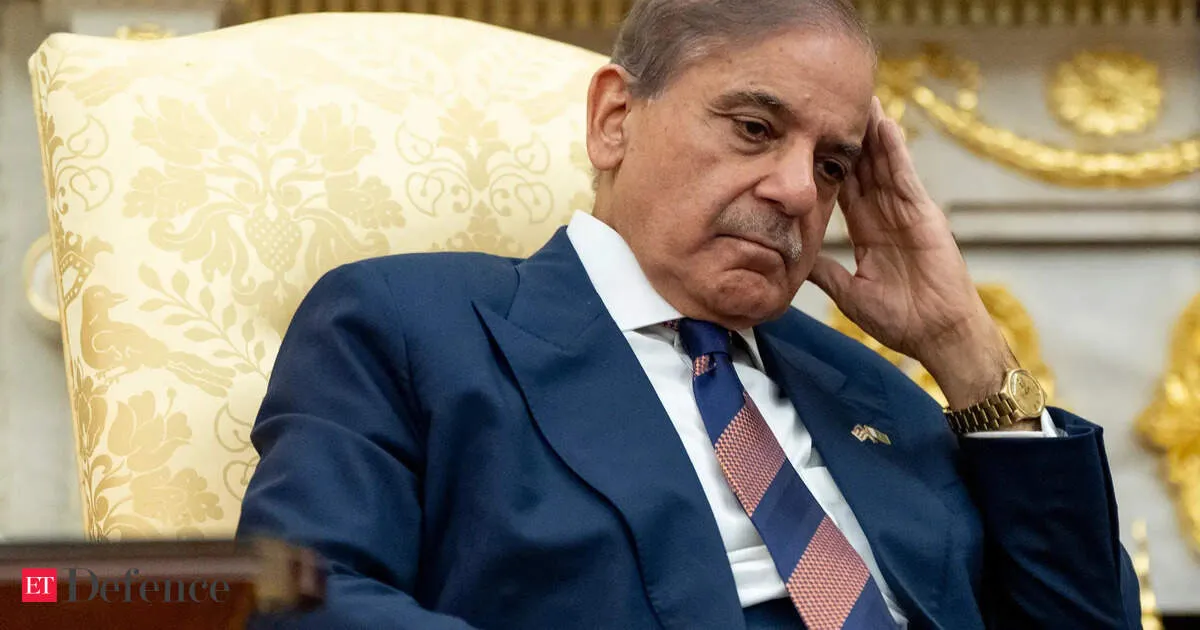
Pakistan is preparing its 2026-27 budget with an IMF-linked reform programme, aiming to lift defence spending by about PKR 100 billion. Defence expenditure is estimated at PKR 2.665 trillion, up from PKR 2.564 trillion this year. The IMF projects federal revenues to climb to PKR 17.144 trillion, over PKR 2 trillion higher than the current year, alongside a 13.5% increase. The plan also includes digitising all federal and provincial payments by June 2027, identifying 10 corruption-prone institutions, and strengthening provincial anti-corruption agencies.
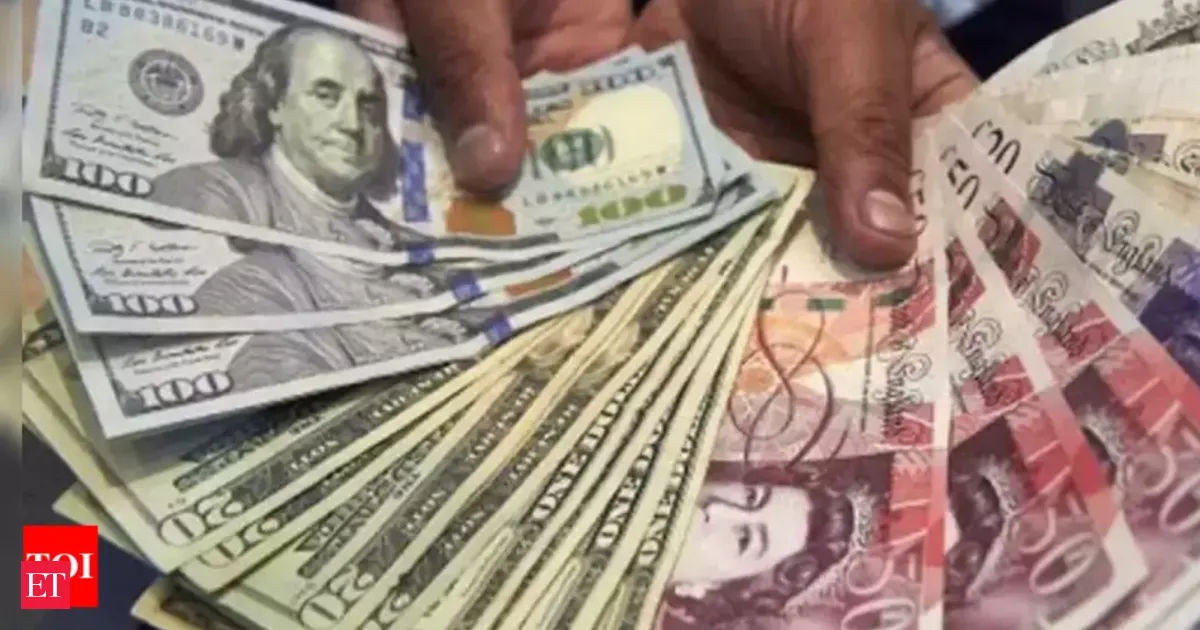
India’s foreign exchange reserves climbed by $6.295 billion to $696.988 billion in the week ended May 8, the RBI said. The previous week saw reserves fall by $7.794 billion to $690.693 billion. The increase was driven by higher foreign currency assets, which rose by $562 million to $552.387 billion, and a major $5.637 billion jump in gold reserves to $120.853 billion. SDRs and India’s IMF reserve position also edged up.
Your news, in seconds
Get the Beige app — every story in 60 words, updated hourly. Free on iOS & Android.
Pakistan has received a USD 1.3 billion IMF disbursement through two funding streams: the Extended Fund Facility and the Resilience and Sustainability Facility. The central bank said the package is meant to support economic stabilization while also tackling climate-related challenges as part of the IMF’s broader resilience agenda.
The IMF has urged Pakistan to take swift and strict action against trade-based money laundering ahead of the FY 2026-27 federal budget. The IMF flagged concerns about suspicious financial activity and noted gaps in how beneficial ownership information is shared, pressing Pakistan to strengthen financial oversight mechanisms before budget decisions come due.
The IMF projects about $2.5 billion in net income for 2026, rising to $2.6 billion in 2027 and 2028. It expects precautionary balances to reach $35.9 billion by 2026, giving the fund added financial cushioning. The IMF will keep its lending rate margin at 60 basis points for member countries.
The IMF board approved reviews of Pakistan’s existing loan programmes, enabling the country to access roughly $1.32 billion in fresh funding immediately. The decision follows programme assessments tied to Pakistan’s economic targets, signaling continued support as Pakistan navigates repayment and stabilization challenges.
Never miss a story
Set alerts for the topics and sources you care about. Download Beige for free.
The IMF has warned that AI driven cyber incidents could produce extreme losses that ripple into the financial system. It says funding strains may follow, solvency concerns could emerge, and markets could see wider disruption as vulnerabilities evolve faster. The warning highlights how AI is changing both the scale of cyber risk and the potential for broader financial instability.
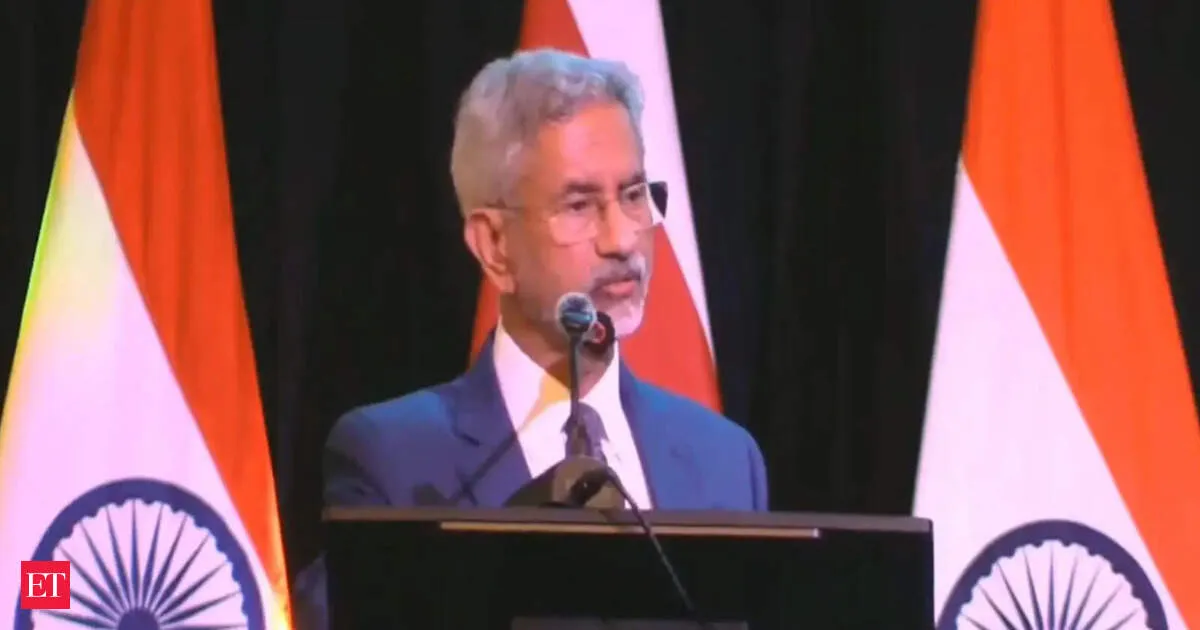
External Affairs Minister S Jaishankar, during a Caribbean tour, said India helps “de-risk” the international economy. He cited IMF projections that India will contribute about 17% of global growth in 2026. The minister added that India is still the fastest-growing major economy, supported by strong momentum and stabilising domestic inflation.
The IMF says AI powered tools are set to fuel cyberattacks that threaten global financial stability. With finance systems deeply interconnected, a single breach can rapidly spread risk. The IMF urges stronger international cooperation and faster defenses, warning that emerging economies may be hit harder due to weaker cybersecurity infrastructure and preparedness.
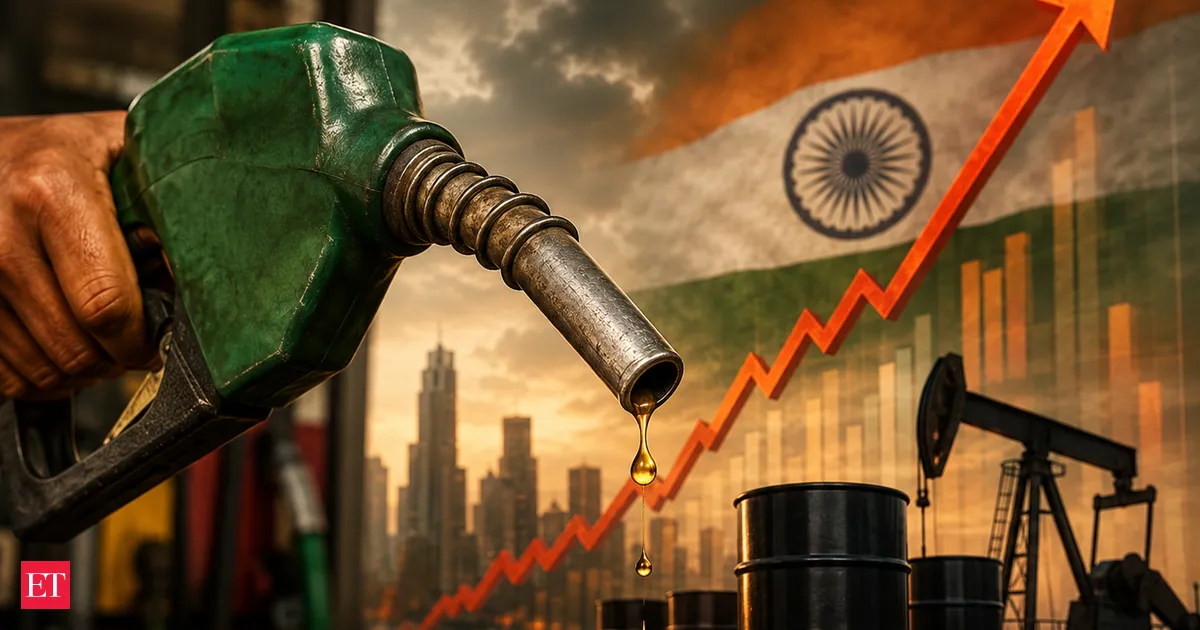
With assembly elections over, speculation is growing that India may see petrol and diesel price hikes. Despite government assurances, the IMF urges the country to pass on rising crude oil costs to consumers, arguing it could curb demand and help the market adjust. The IMF also backs targeted subsidies for vulnerable groups rather than broad price controls.
Reading on mobile?
Open Beige in the app for a smoother experience — free on iOS and Android.
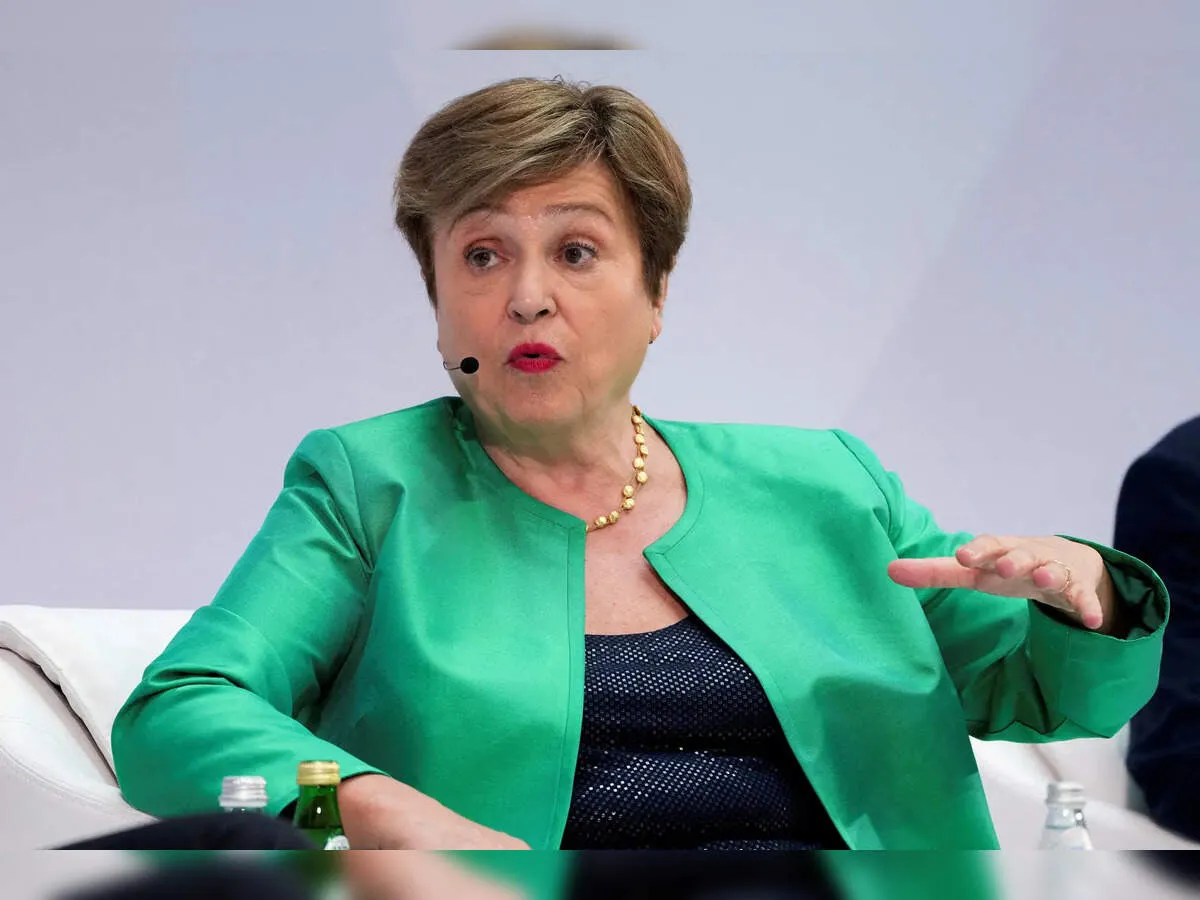
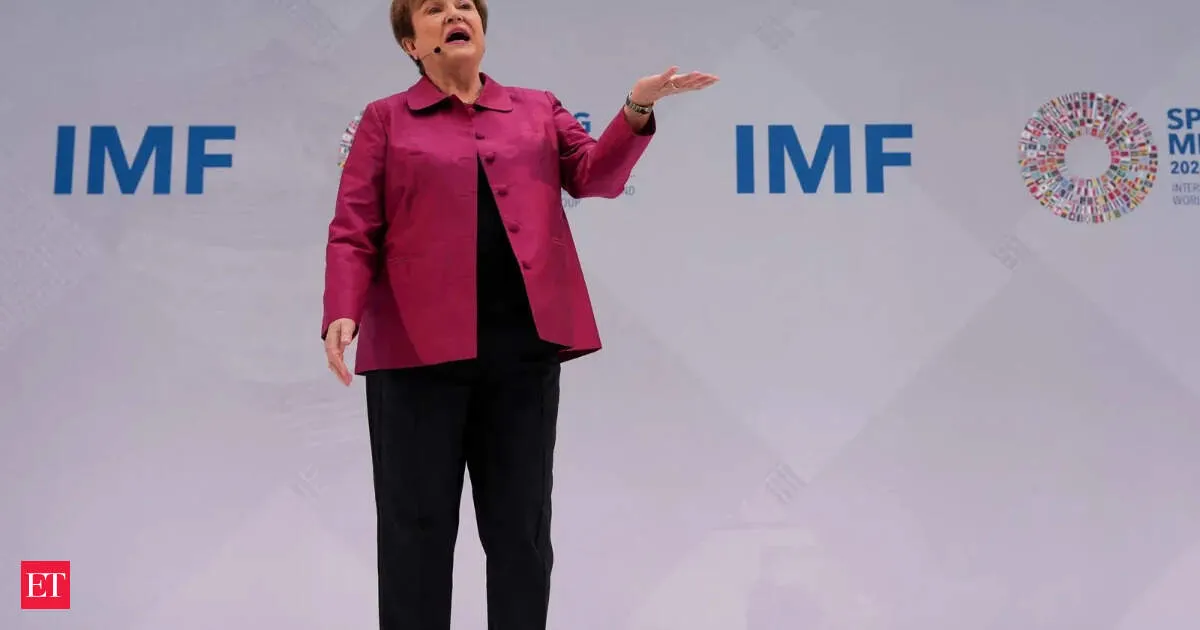
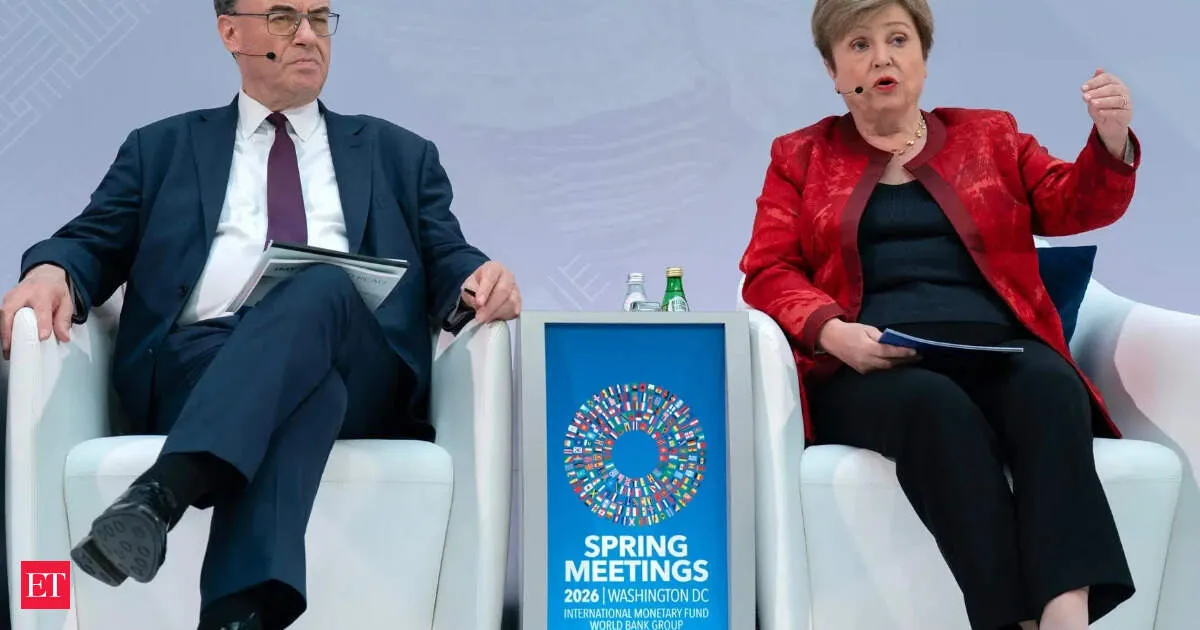
IMF chief Kristalina Georgieva warns the global economy could face a much worse outcome if the Middle East conflict drags into 2027. She cautioned that oil prices may climb to $125 per barrel, weighing on growth and de-anchoring inflation expectations. The IMF also flags risks from physical oil shortages.
An IMF working paper says Indias digitalisation of public administration has raised productivity in MSMEs, with the biggest gains in states that rolled out more reforms. The study credits simpler digital systems for reducing compliance costs, improving transparency, and enabling faster growth for smaller firms—while also helping narrow productivity differences across the country.
UPI marks its 10th year since launch in April 2016, growing from 2 crore to 24,162 crore transactions and handling a massive share of real-time payments worldwide. Finance Ministry data says 703 banks are now live and UPI processes around 66 crore transactions daily. The IMF has also described UPI as the world’s largest real-time payment system.
The IMF has warned Asian countries to keep their economic policies balanced amid escalating Middle East energy disruptions linked to the Iran conflict. It urged governments to build buffers for future shocks and favor targeted financial support rather than broad fuel subsidies. The IMF also cut its global growth outlook, warning that a prolonged crisis could trigger an additional slowdown.
Follow your favourite sources
Track sources, tags and categories — all in the Beige app.
IMF Asia Pacific director Krishna Srinivasan urged Asian governments to keep fiscal discipline and avoid broad fuel subsidies, even as the Iran war tightens global energy supplies. With shortages linked to a logistics logjam at the Strait of Hormuz and rising oil pressures, he cautioned countries to preserve budget room for future shocks rather than rushing into costly coverage.
IMF, World Bank and IEA leaders are urging countries to let energy stocks flow freely to global markets and avoid export controls that can tighten shortages. They say countries facing severe supply impacts are being consulted on concerns, as policymakers seek to keep fuel and energy availability steady during periods of volatility and risk.
The IMF has trimmed its 2026 global growth forecast, citing the ripple effects of the war in the Middle East. It links the downgrade to a major oil price shock and warns that higher energy and food costs could push inflation upward, complicating the outlook for economies already facing fragile demand and tighter budgets.
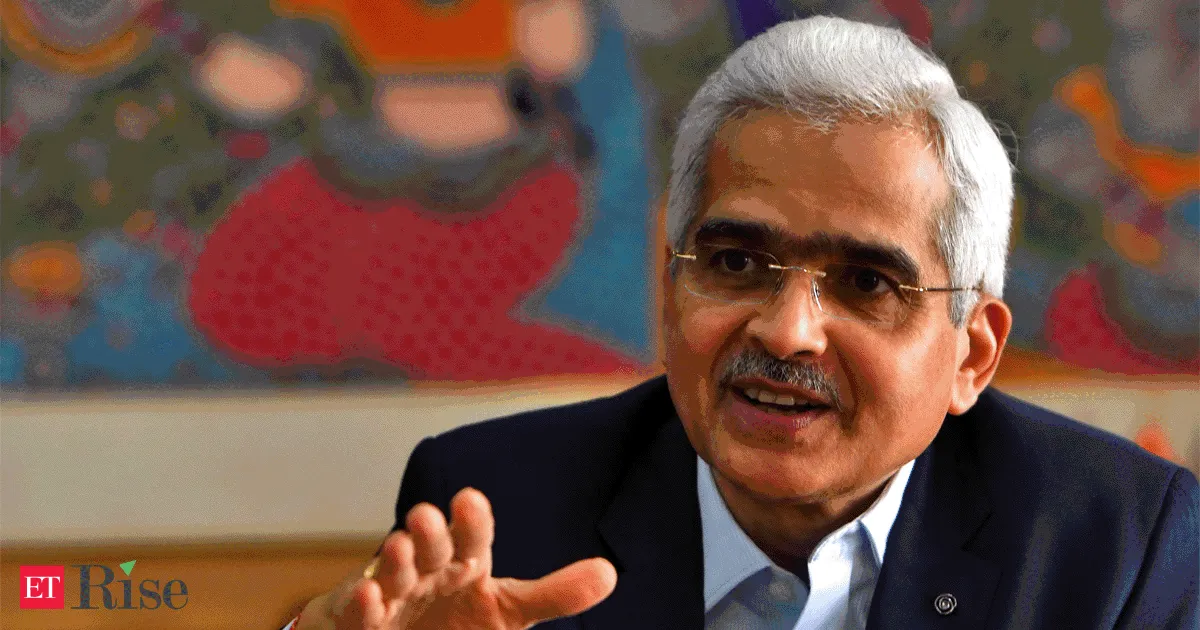
RBI Governor Shaktikanta Das cautioned that inflation pressures are spreading globally even as trade trends move toward deglobalization. With risks to the global economy rising, multilateral institutions like the IMF have lowered growth projections and flagged recession dangers, raising uncertainty for policymakers and markets alike.
Stay informed on the go
Bite-sized news from 100+ trusted sources, right in your pocket.
IMF Managing Director Kristalina Georgieva praised India’s Union Budget as a thoughtful policy agenda, highlighting its emphasis on innovation across research and development, human capital investment, and digitalisation. Her remarks underscore international confidence in India’s investment priorities, especially around skills and technology-led growth—key areas the budget seeks to strengthen for long-term economic resilience.
Swipe through stories, personalise your feed, and save articles for later — all on the app.