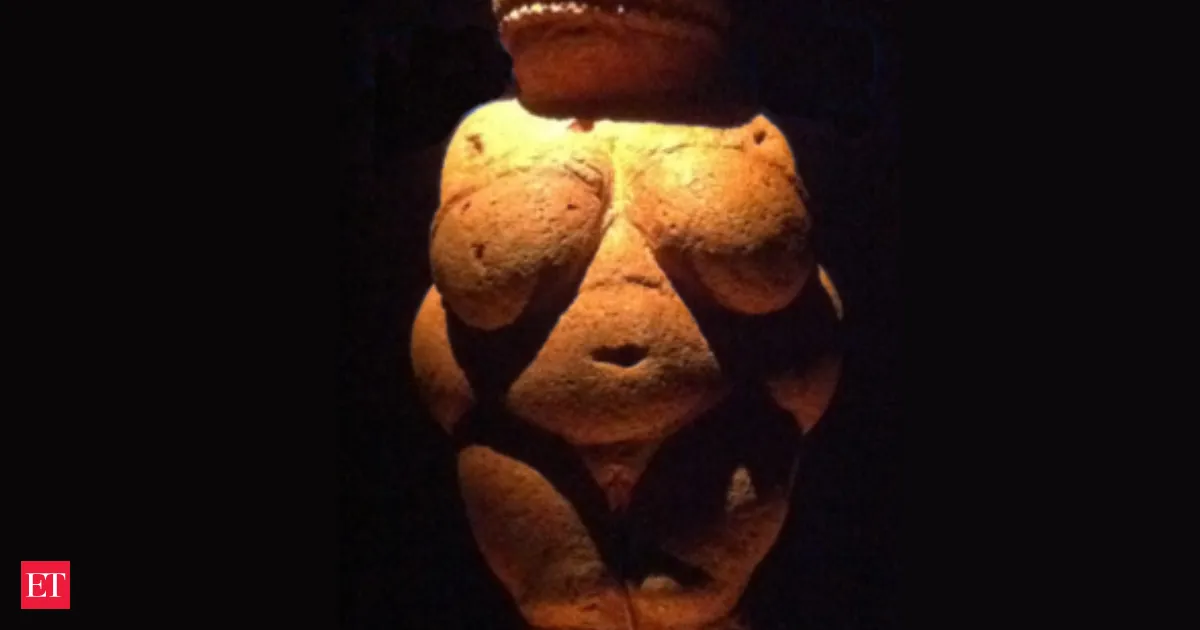
In 1908, during an Austrian excavation near the Danube, workers uncovered the Venus of Willendorf, a tiny chalk-covered figurine now dated to about 29,500 years old. The stylized female form has since fueled debates about whether Ice Age people had advanced artistic traditions—and what the figure may have meant, since its origins remain unresolved.
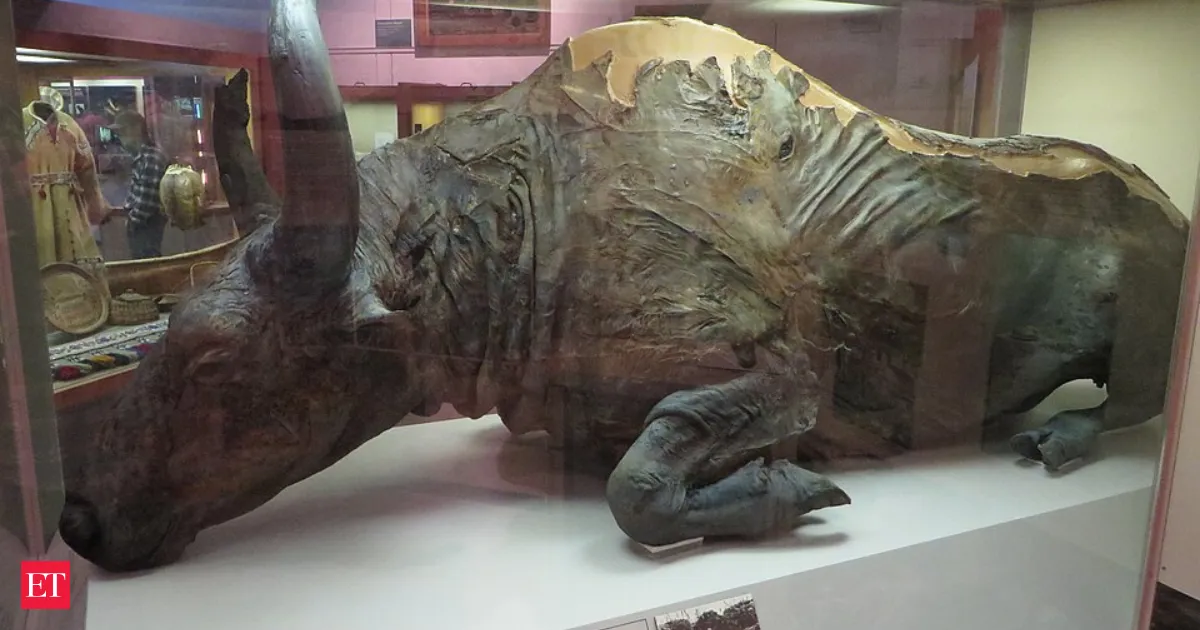
In 1979, miners in Alaska struck paydirt when hydraulic hoses exposed a 36,000-year-old steppe bison nicknamed “Blue Babe.” Kept by permafrost, the carcass retained soft tissues and skin—rare for Ice Age finds. Researchers say the preservation offers fresh clues about how the animal lived, what it ate, and what may have happened in its final moments.
Your news, in seconds
Get the Beige app — every story in 60 words, updated hourly. Free on iOS & Android.
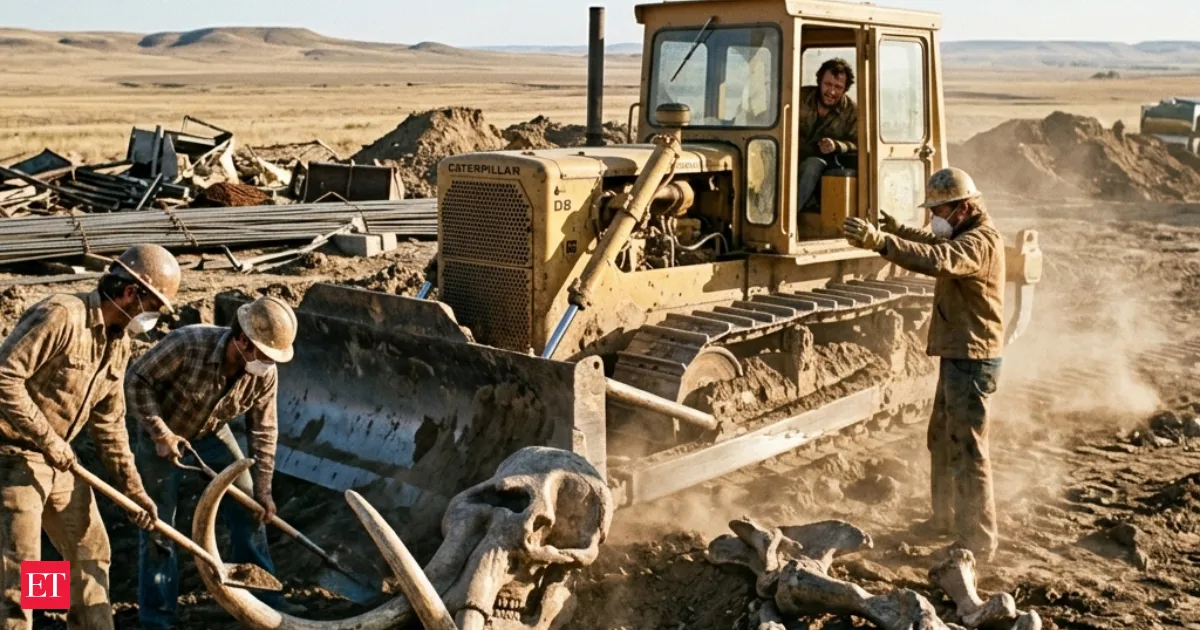
In 1974, workers building in Hot Springs, South Dakota uncovered a rare Ice Age fossil site: a natural pit packed with mammoth remains. What they exposed offered scientists a vivid snapshot of prehistoric North America—along with evidence of how these animals could become trapped. Decades later, the discovery remains one of the continent’s richest mammoth fossil localities.
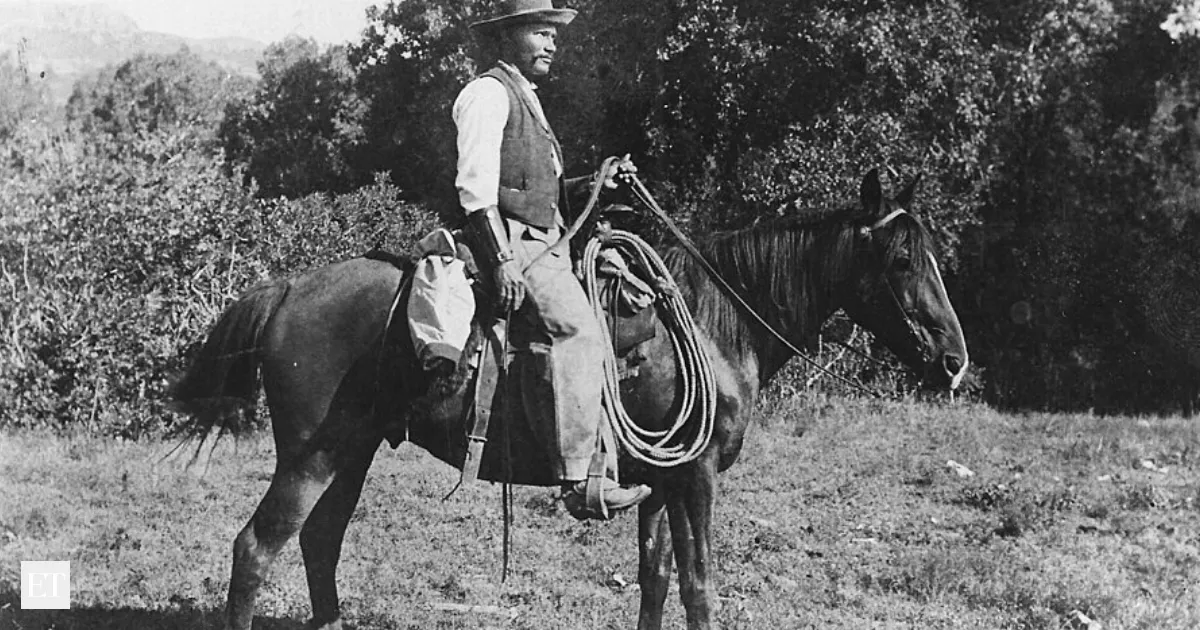
A 1908 storm near Folsom, New Mexico, exposed ancient bones, and local cowboy George McJunkin recognized their significance. Later, archaeologists uncovered a spear point lodged in the ribs of an extinct bison, confirming Ice Age hunters were present. The evidence forced researchers to push back estimates of when humans migrated into North America.
Swipe through stories, personalise your feed, and save articles for later — all on the app.