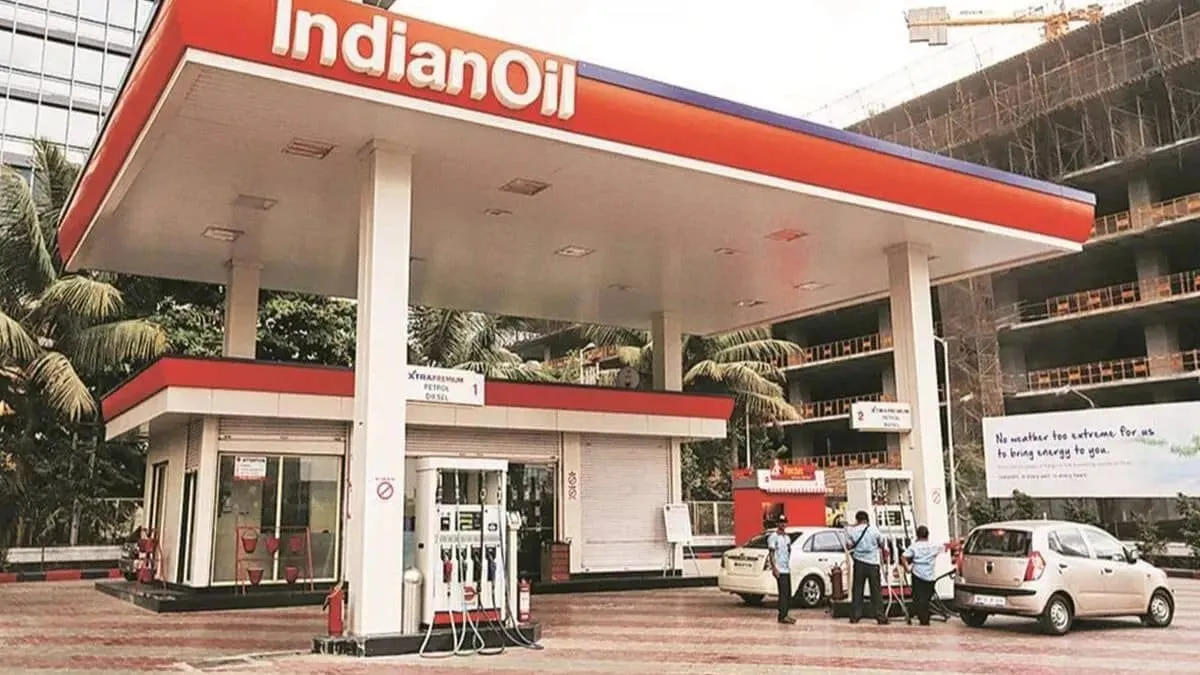
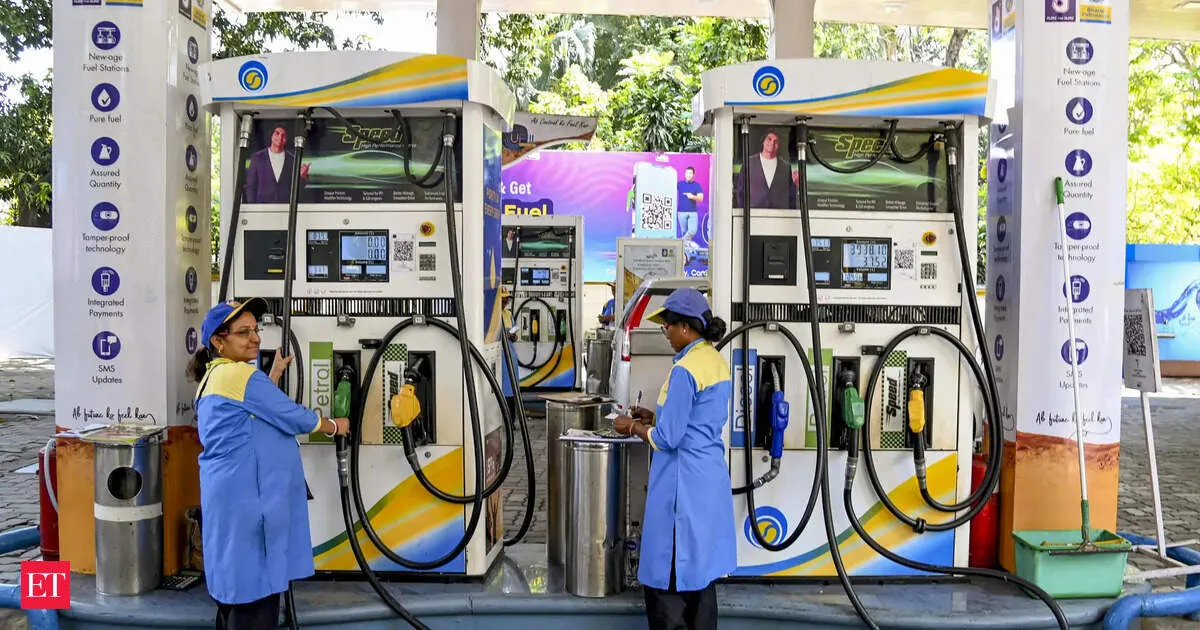
Indian Oil Corporation Limited says its 10 refineries are operating round the clock at above 100 percent capacity to prevent any fuel shortage after the Centre raised petrol and diesel prices by Rs 3 per litre nationwide. IOCL Director (Refineries) Arvind Kumar told ANI the increase is “a very small rise” amid global pressures. Petrol rose to Rs 97.77 in Delhi and over Rs 108 in Kolkata, while IOCL is also pushing zero-emission hydrogen buses for Delhi Metro routes.
India is rapidly reducing reliance on petrol and diesel, pointing to a post-fossil-fuel transport future. Economic pressures, climate goals, and energy security concerns are driving adoption of ethanol, hydrogen, and electricity. New policy moves, including formal recognition of higher-ethanol fuels, could change what consumers see at pumps and how the auto industry prepares for the shift.
Your news, in seconds
Get the Beige app — every story in 60 words, updated hourly. Free on iOS & Android.
Tata Motors has filed a record 144 patent applications in FY26, marking a surge in intellectual property aimed at safer, more reliable vehicles and improved occupant comfort. The company is simultaneously pushing future mobility through investments spanning electric and hydrogen-powered vehicles, signaling a long-term push for technology that can serve both customers and national sustainability goals.
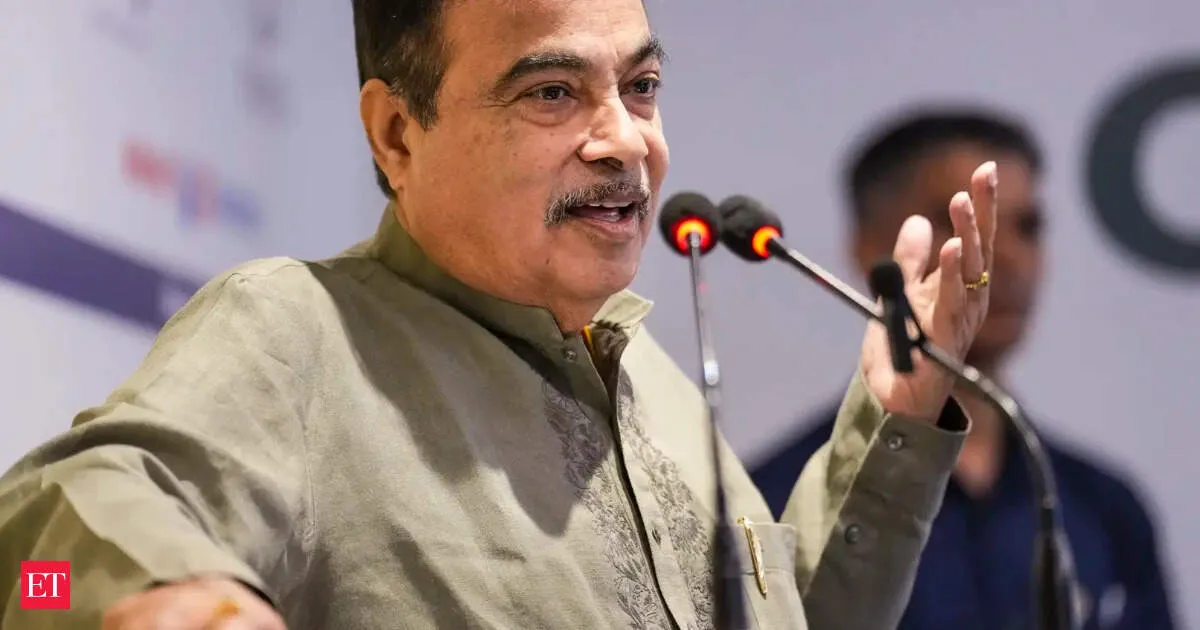
Union Minister Nitin Gadkari says petrol and diesel vehicles have “no future” as India accelerates its shift away from these fuels. He urged manufacturers to move toward cleaner options, flagging hydrogen and ethanol as the way forward. India is already producing ethanol from multiple sources, while pilot projects for hydrogen trucks and buses are in progress.
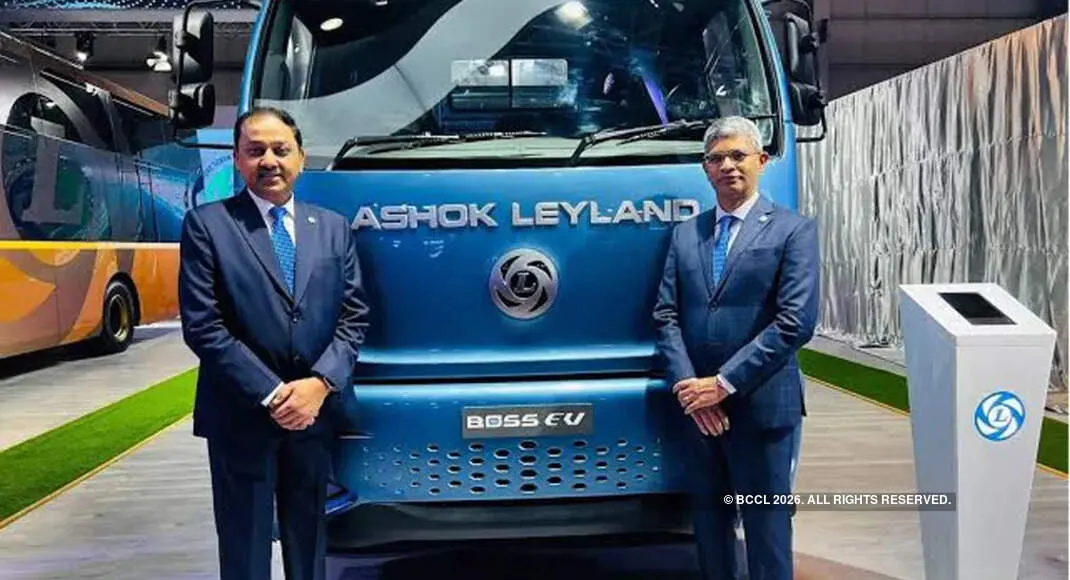
Tata and Ashok Leyland are urging a shift to zero-emission trucks, but the transition faces a hard economic reality in India. Trucks contribute over one-third of transport emissions, yet small fleet owners dominate the market and are unlikely to pay high upfront prices for electric or hydrogen vehicles. Weak policy, limited incentives, and financing gaps further slow adoption.
Swipe through stories, personalise your feed, and save articles for later — all on the app.