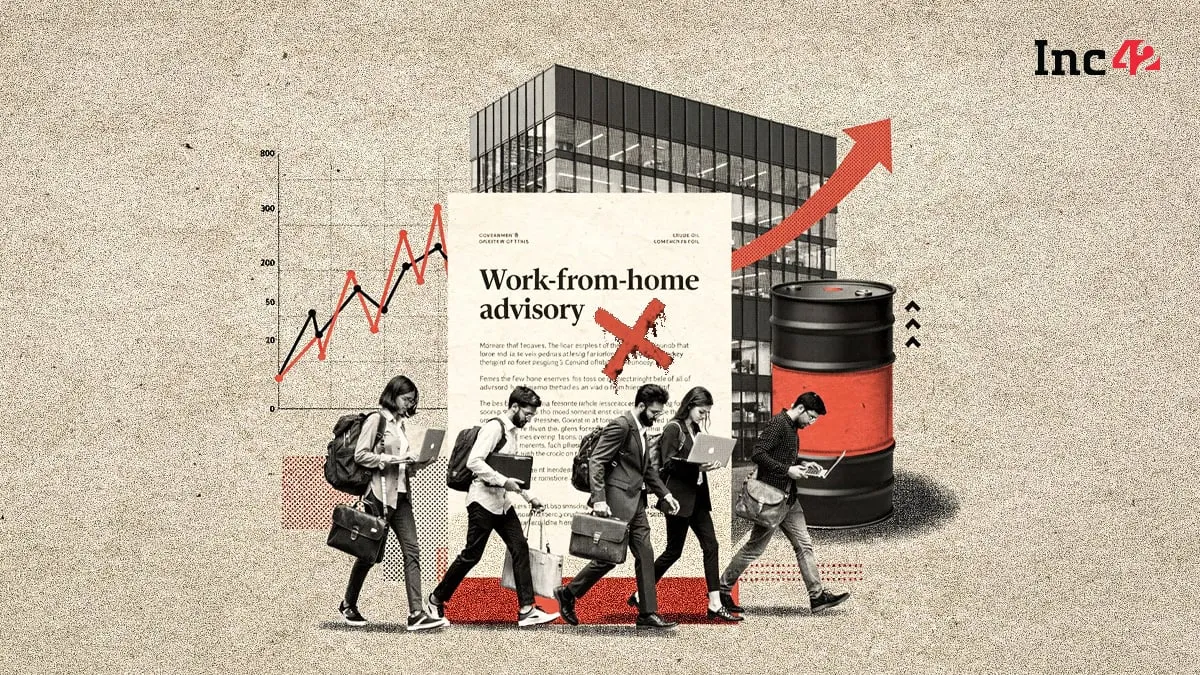
The power ministry has advised its public sector undertakings to test a modern work arrangement: allowing employees to work from home for one day each week. The guidance asks PSUs to assess operational feasibility and, where possible, permit up to 20% of staff to work remotely on any given day. The move aligns with wider reassessments of hybrid work after pandemic-era changes, including new pressures from the Iran conflict’s economic fallout.
Anupam Mittal’s Shaadi.com is shifting 500 employees to one work-from-home day each week, targeting savings of about 30,000 liters of petrol annually. The move comes after PM Modi urged fuel conservation amid supply pressures, and it has ignited debate online on whether hybrid work could ease traffic and reduce pollution across India.
Your news, in seconds
Get the Beige app — every story in 60 words, updated hourly. Free on iOS & Android.
Prime Minister Narendra Modi’s WFH advisory amid West Asia tensions has sparked debate in corporate India, but many Indian startups are holding back. Founders across Delhi NCR, Bengaluru and Mumbai cite pandemic lessons: remote work allegedly slowed execution, complicated collaboration, and made office culture harder to reverse—plus many are stuck with long-term leases.
Indian firms are moving to reduce non-essential domestic and international travel after the Prime Minister urged work from home. Many companies already run hybrid models and are now looking to broaden remote work further. The shift is framed as a proactive way to conserve resources while aligning with national efforts, with travel cuts expected to accelerate across sectors.
A new survey finds nine in 10 Indian professionals believe AI improves their productivity, alongside growing optimism about career and business growth. While flexibility expectations are evolving, economic pressures are rising: many respondents say higher costs could drive them to take second jobs. Employers face the challenge of maintaining trust and collaboration in a hybrid setup.
Swipe through stories, personalise your feed, and save articles for later — all on the app.