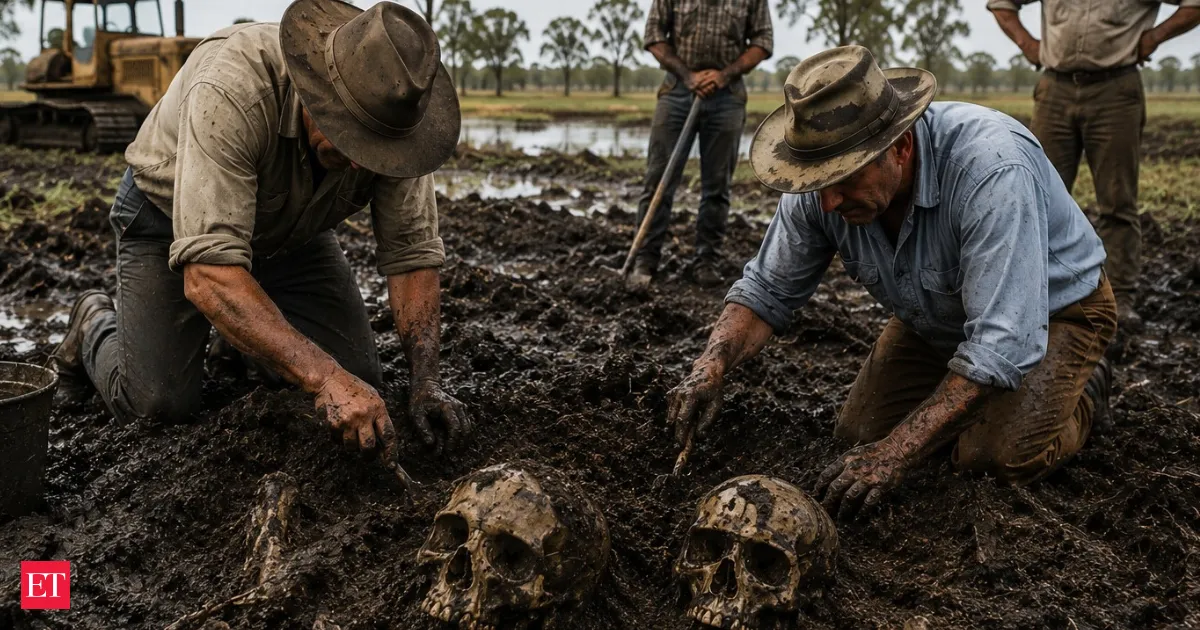
In the 1960s, farmers digging Queensland wetlands unearthed unusual skull fossils at Kow Swamp that fueled claims early Australians looked “archaic.” But later research showed key features could result from cranial deformation. Leg-bone analysis and DNA evidence ultimately identified the remains as anatomically modern humans—an urgent reminder to challenge first impressions in science.
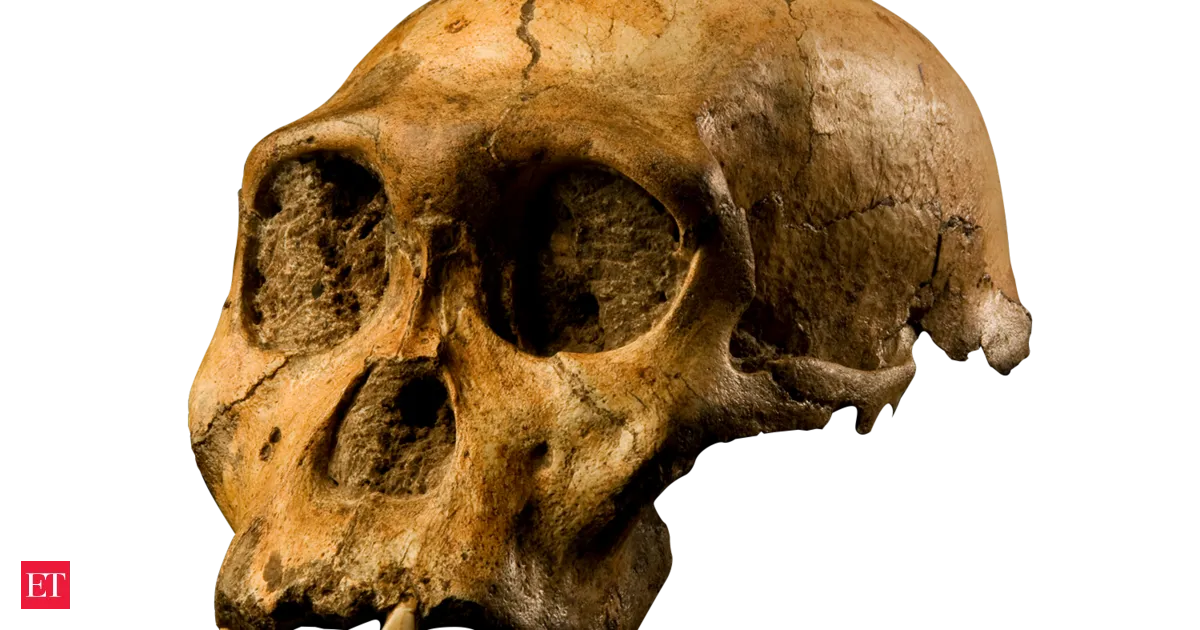
In South Africa, a fossil discovery sparked a major leap in understanding human evolution. In 2008, young Matthew Berger found a bone that helped scientists identify Australopithecus sediba, a long-lost human relative. The fossils offer a rare, detailed glimpse into early hominin anatomy, revealing a surprising mix of ape-like and human-like traits that reshaped key evolutionary questions.
Your news, in seconds
Get the Beige app — every story in 60 words, updated hourly. Free on iOS & Android.
A new study suggests malaria was more than a health threat for early Africans—it helped determine where people settled. Using advanced models, researchers found ancient communities tended to avoid areas with higher disease risk, which fragmented populations over time. That separation may explain part of the genetic diversity seen today, showing disease as a key driver alongside geography and environment.
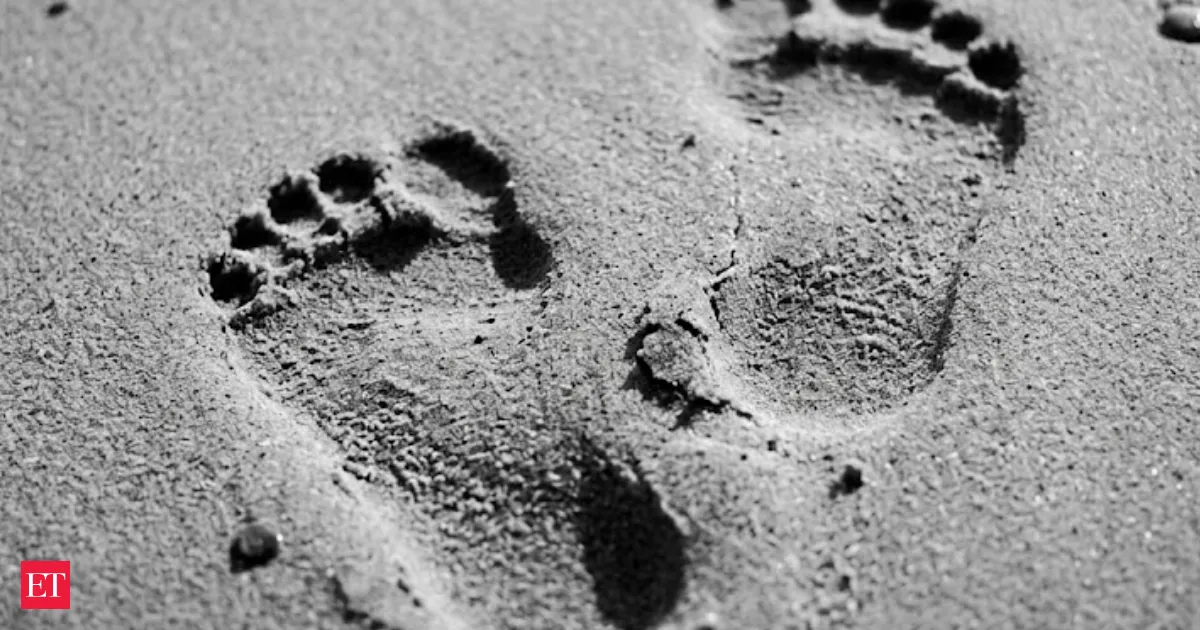
Fossilized Homo sapiens footprints about 115,000 years old have been found in Saudi Arabia’s Nefud Desert, preserved on an ancient lakebed alongside animal tracks. The discovery suggests early humans moved farther into the Arabian interior during a wetter, cooler interglacial period, challenging older ideas about where and when they expanded across the region.
A new Nature study argues human evolution is not slowing down but accelerating, particularly after agriculture reshaped diets and environments. Using genetic evidence, researchers report hundreds of variants shaped by natural selection, overturning the idea that evolution is mostly a past phenomenon and showing how traits across populations continue to change today.
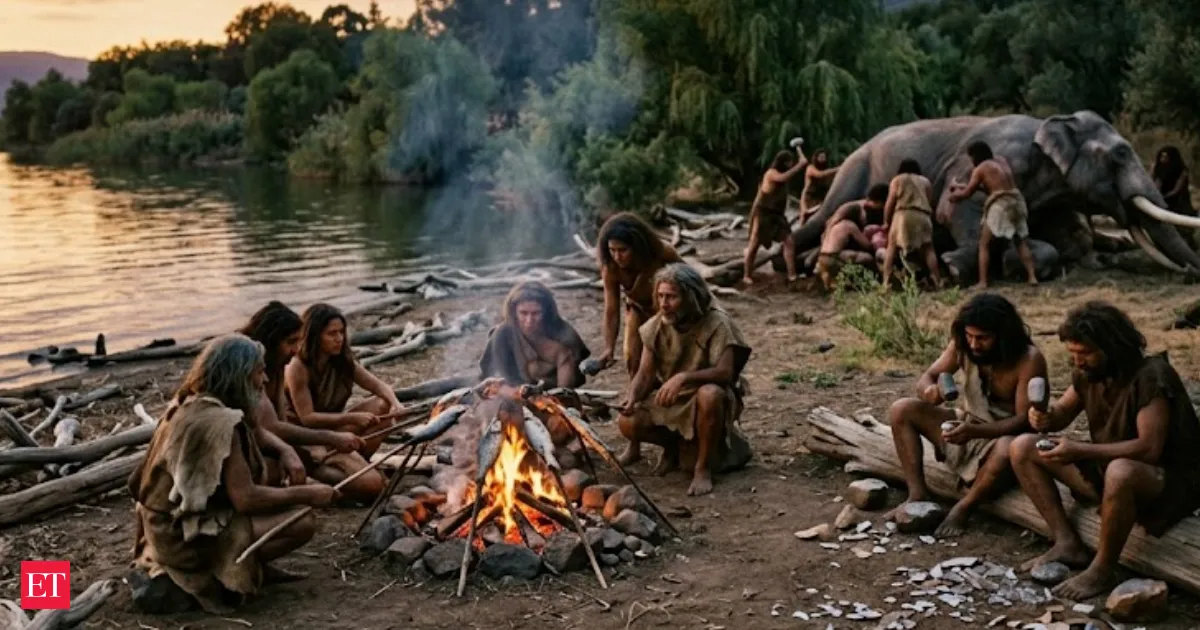
New research on an 800,000-year-old campsite near Israel’s Hula Lake suggests early humans picked the location because driftwood was readily available. The wood likely powered fires for warmth and cooking, making it central to survival. At Gesher Benot Ya’aqov, archaeologists also found tool-making activity and evidence of hunting large animals, showing resource management guided settlement decisions.
Never miss a story
Set alerts for the topics and sources you care about. Download Beige for free.
Swipe through stories, personalise your feed, and save articles for later — all on the app.