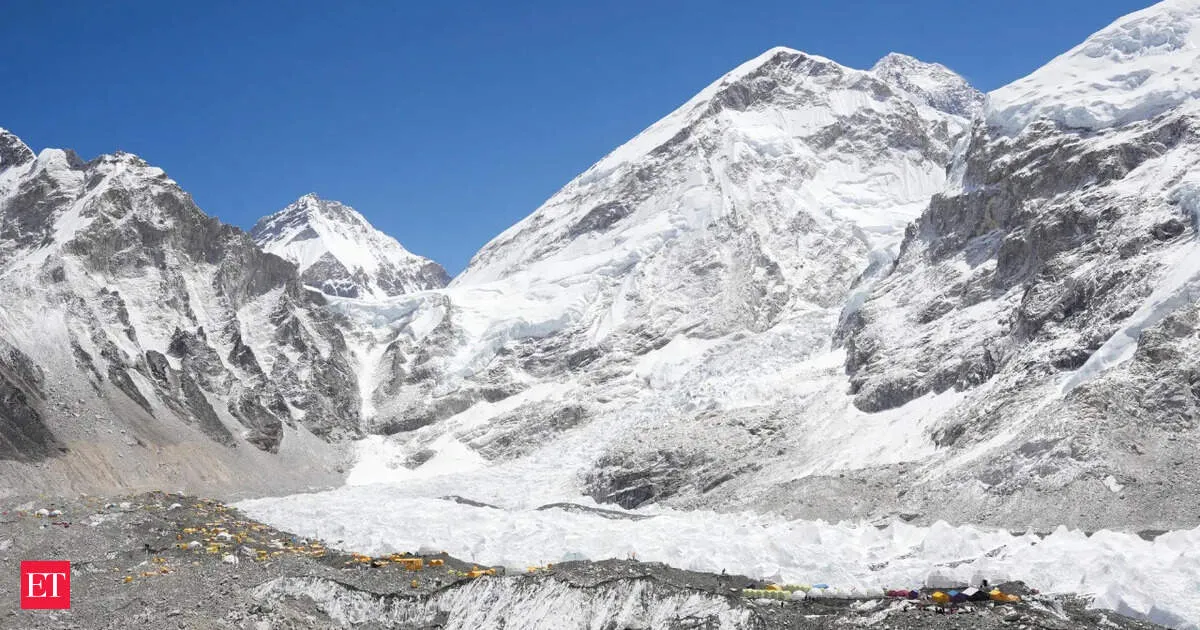
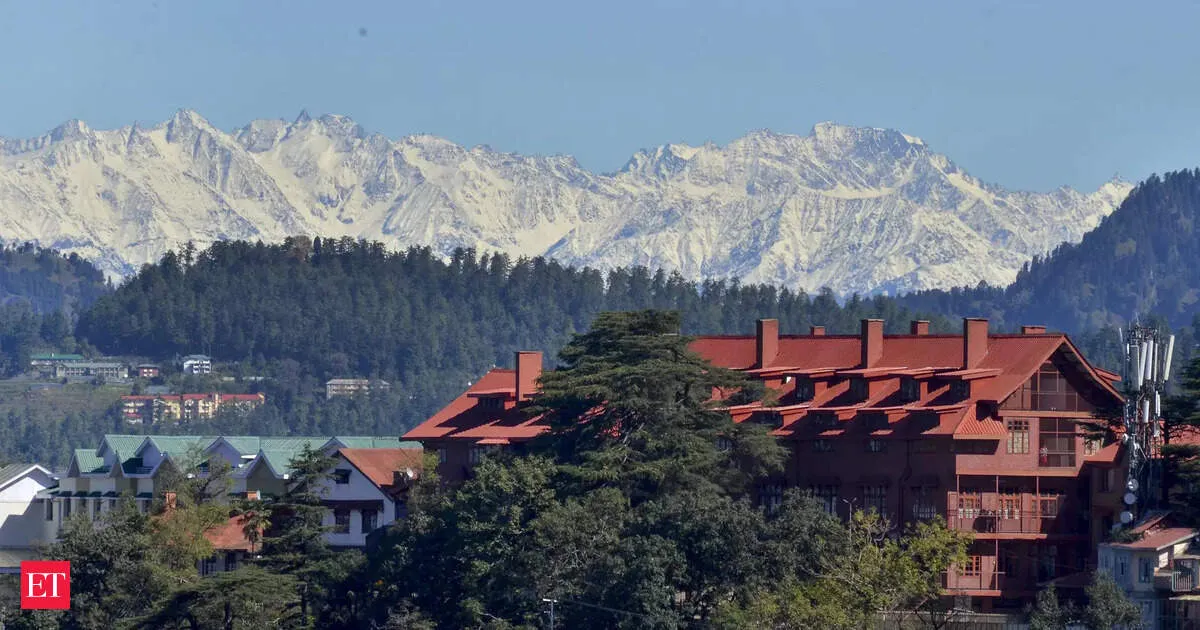
An ICIMOD analysis says the Hindu Kush Himalaya region saw 10 major disasters affecting about 1.2 million people in 2025, with floods and landslides driven by intense monsoon rains across Bangladesh, India, Nepal, and Pakistan. The report warns the growing threat stems from more frequent multi-hazard events occurring together. While deaths and people affected have declined after 2013, analysts caution that data gaps remain. Economic losses were over $6 billion in 2024, highlighting huge stakes for preparedness.
The National Green Tribunal has asked the Centre and other agencies for responses over the threat from hanging glaciers in the central Himalayas. A recent study flags unstable glaciers on steep slopes, raising fears of avalanches and downstream disasters. It also notes a sharp increase in how many people are exposed as high-altitude development expands into vulnerable zones.
Your news, in seconds
Get the Beige app — every story in 60 words, updated hourly. Free on iOS & Android.
Snow cover across the Hindu Kush Himalaya has fallen to its lowest level in more than two decades, with weak snow levels persisting for the fourth year in a row. The result: reduced snow storage, meaning rivers may carry less water. With major basins like the Indus and Mekong seeing sharp declines, nearly two billion people could feel the impact.
Swipe through stories, personalise your feed, and save articles for later — all on the app.