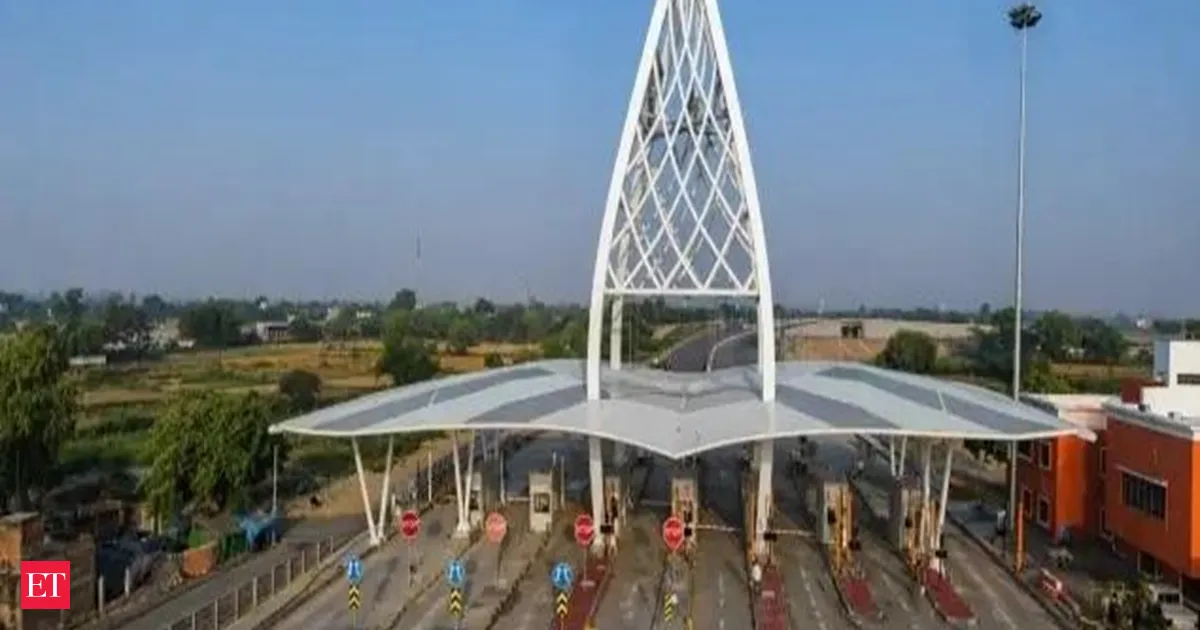
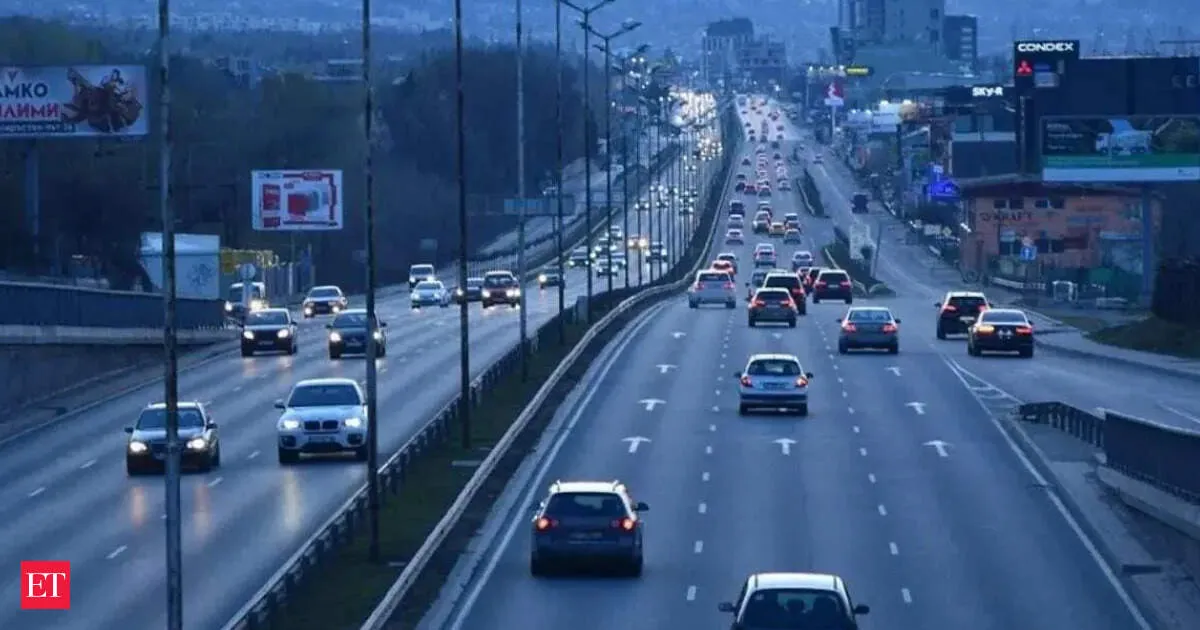
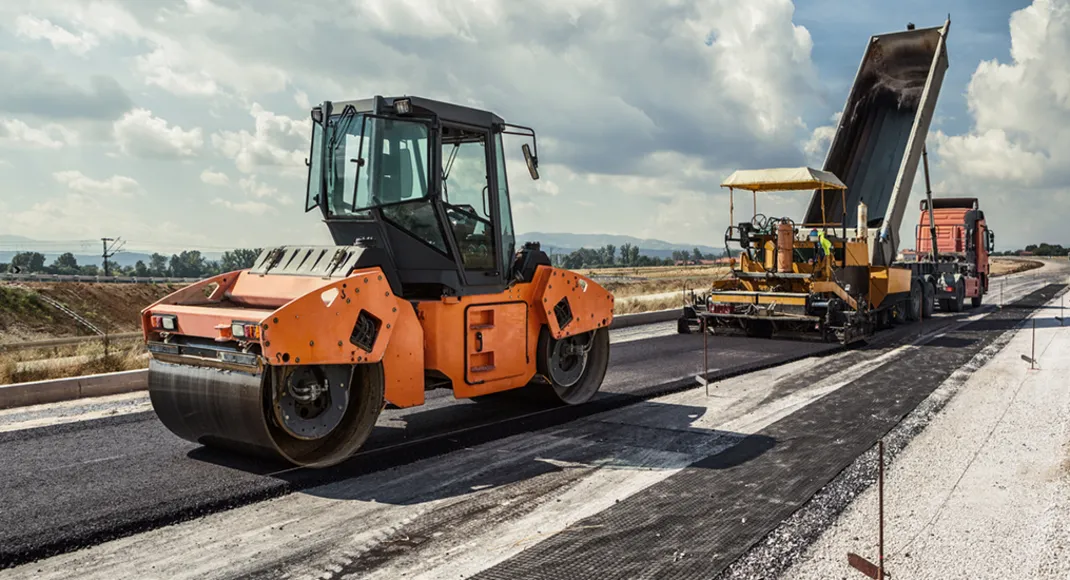
IRB Infrastructure Trust has proposed a non-binding deal to sell two revenue-generating BOT highway assets, valued at about Rs 4,663 crore, to IRB InvIT Fund. The offer covers Solapur Yedeshi NH211 and Chittorgarh Gulabpura NH79, totaling 1,144 lane km. Valuation is based on an independent valuer’s assessment as of March 31, 2026. If approvals and clearances come through, IRB Infra Trust would use proceeds for future opportunities while IRB InvIT gains a larger asset portfolio and longer weighted average concession life, supporting its Rs 1,40,000 crore target by 2029.
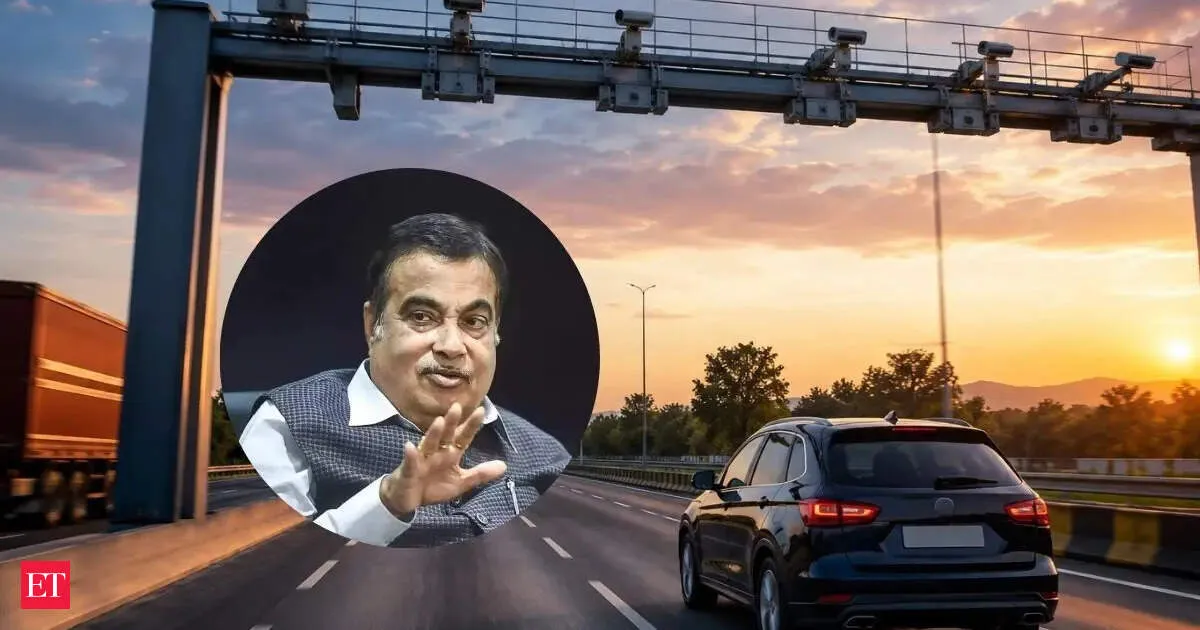
Union Road Transport Minister Nitin Gadkari inaugurated Multi-Lane Free Flow (MLFF) tolling at the Mundka-Bakkarwala plaza on Delhi’s Urban Extension Road-II. The barrier-less system lets vehicles cross without stopping, using FASTag detection and Automatic Number Plate Recognition to automatically deduct tolls while in motion. It aims to cut waiting time and congestion, improve fuel efficiency, and lower emissions for daily commuters. If balance is insufficient or there’s a fault, an Electronic Notice provides 72 hours to pay.
Your news, in seconds
Get the Beige app — every story in 60 words, updated hourly. Free on iOS & Android.
NHAI has settled two major arbitration cases tied to the Panipat Jalandhar stretch of NH 44. An arbitral tribunal awarded NHAI Rs 819.96 crore after disputes where concessionaires reportedly raised claims exceeding Rs 8,375 crore. The settlement marks a significant outcome for the highway project, narrowing a costly legal standoff between the authority and involved firms.
India’s Ministry of Road Transport and Highways has widened access to build-operate-transfer (BOT) highway projects, allowing large institutional investors to bid. The move is intended to deepen private participation in highway development. Previously, such funds largely focused on toll-operate-transfer (TOT) deals, but eased eligibility rules are designed to pull more capital into BOT infrastructure.
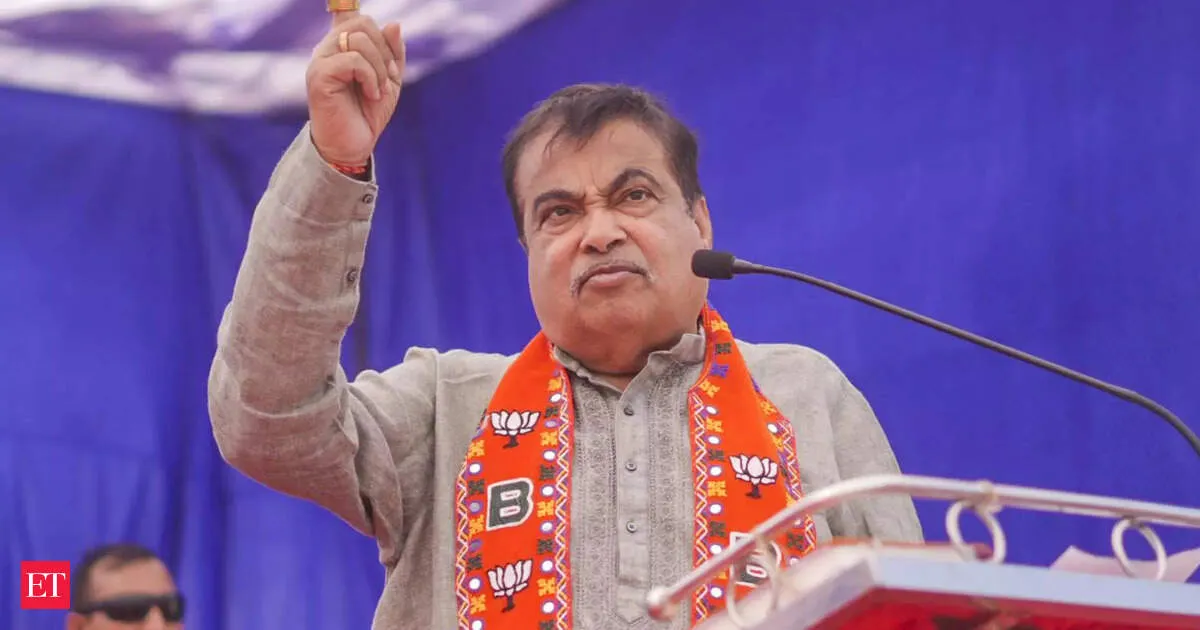
Road Transport and Highways Minister Nitin Gadkari said India’s Multi-Lane Free Flow (MLFF) tolling system will bring barrier-less toll collection that cuts operating costs to 3-4% from 12-15%. Speaking at the Mundka–Bakkarwala launch in Delhi, he cited expected annual fuel savings of about Rs 295 crore, lower travel time, improved logistics efficiency, and reduced carbon emissions by 81,000 tonnes.
A new government policy allows venture capital firms and pension funds to participate in bidding for highway PPP projects, alongside traditional developers. The move is designed to pull in larger pools of capital and longer-term commitment to improve project execution, while pushing for better quality and efficiency across the road sector.
Never miss a story
Set alerts for the topics and sources you care about. Download Beige for free.
India has eased eligibility rules for build-operate-transfer highway projects, allowing pension and sovereign wealth funds to bid directly for new greenfield toll roads. The government’s goal is to attract more private infrastructure capital by letting institutional investors deploy their balance-sheet strength, while partnering with construction expertise. Officials also want BOT’s share in highway awards to rise significantly.
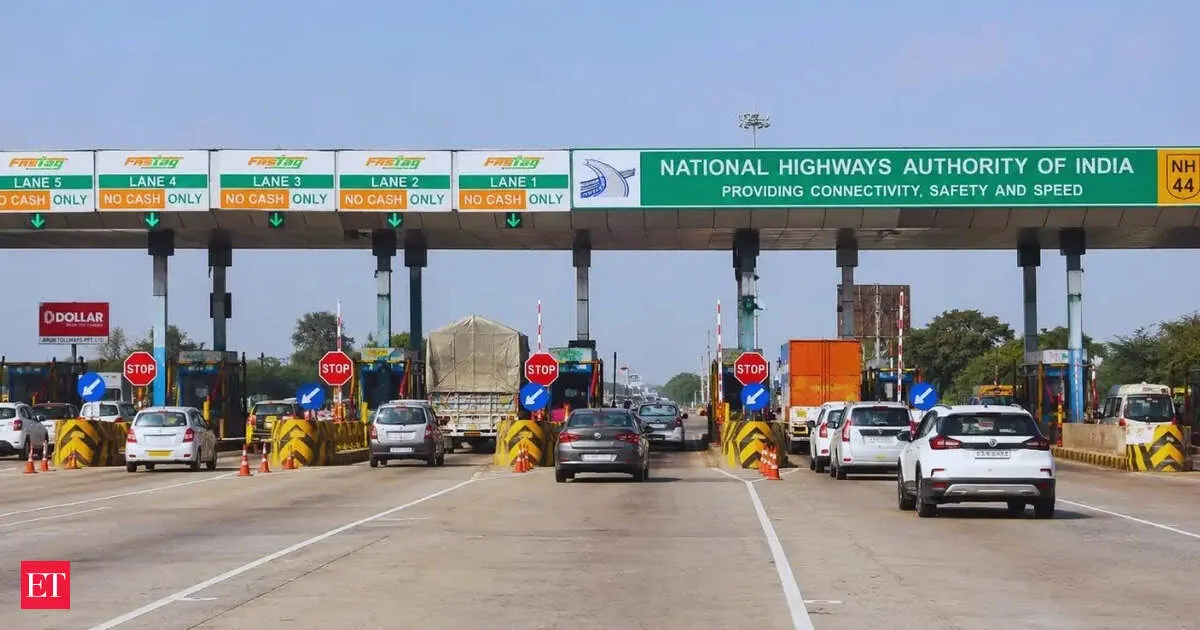
India is set to scrap physical toll plazas by the end of 2026, replacing them with an automated distance based system. Charging will rely on number plate recognition and FASTag to track how far a vehicle travels, so drivers won’t have to stop at toll booths. The goal is to cut congestion and keep highways moving smoothly at speed.
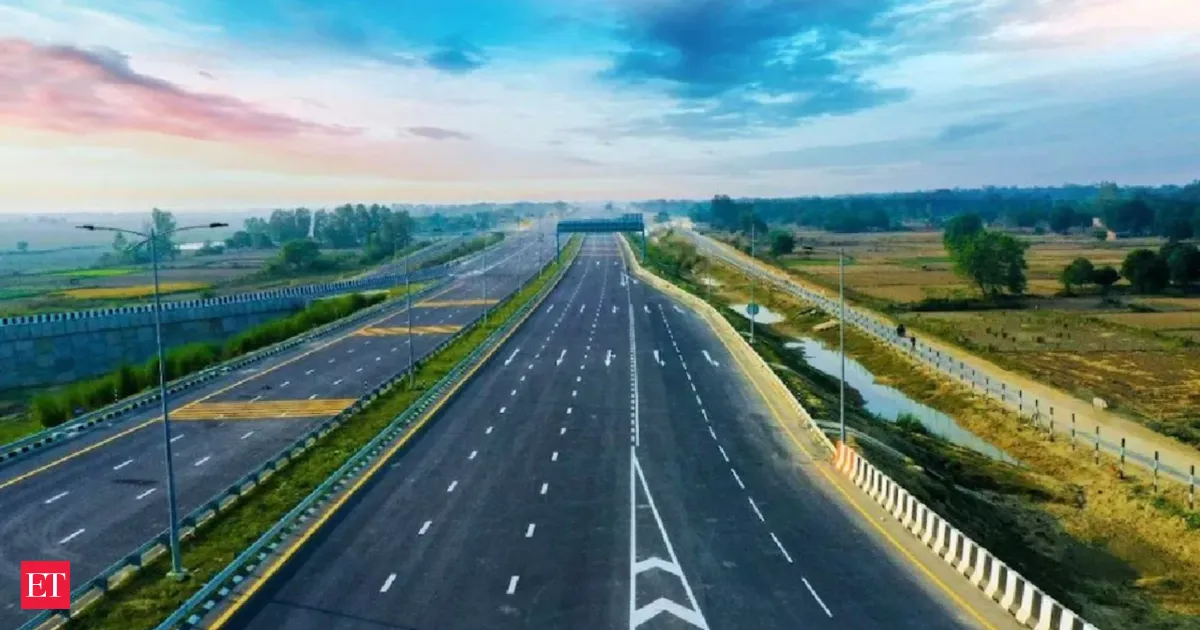
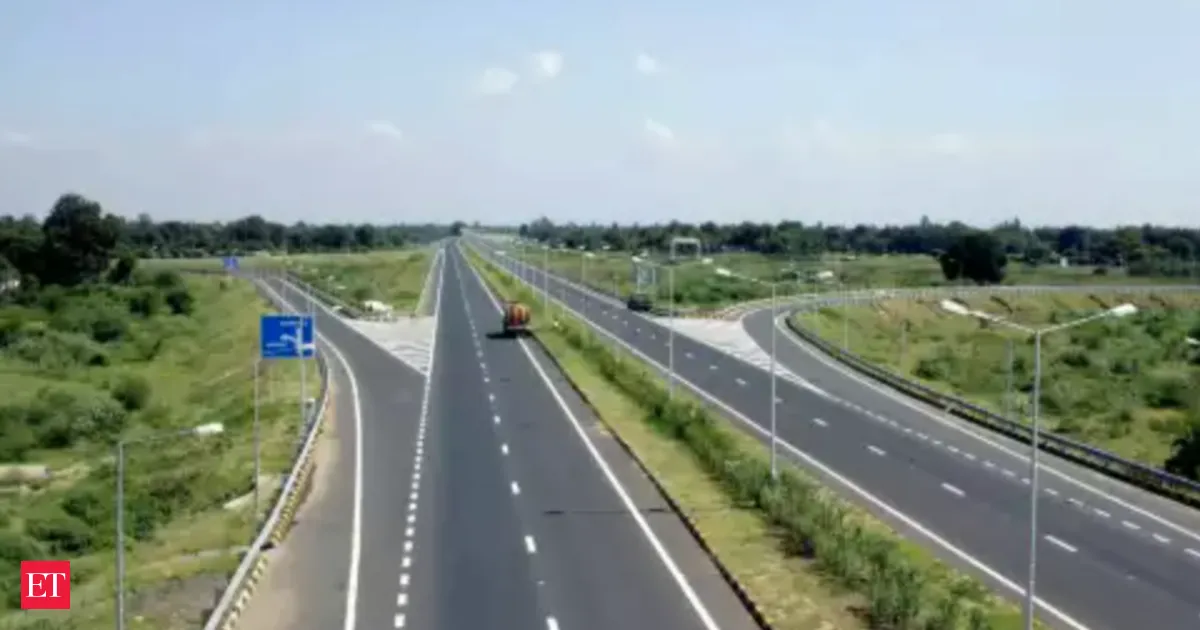
UP’s longest Ganga Expressway is set to slash travel time between Meerut and Prayagraj to about 6 hours, down from roughly 12 hours. The six-lane greenfield project is designed for speeds up to 120 kmph, promising a faster, smoother corridor for travellers once operational.
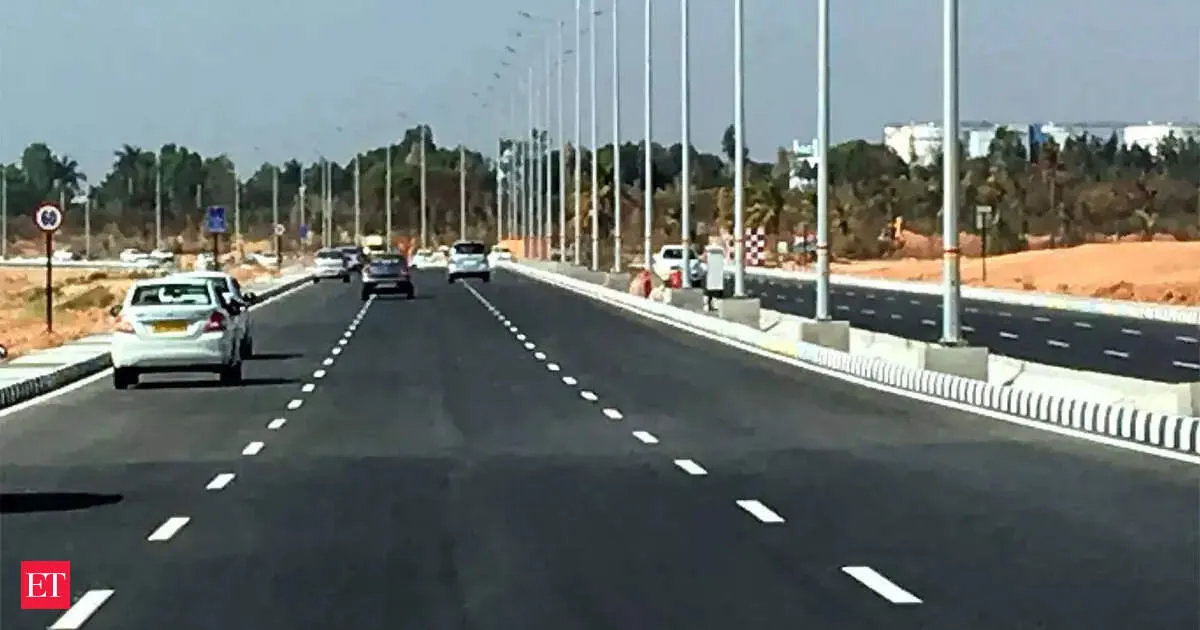
Highway construction in the last fiscal year hit 9,380 km, missing the 10,000 km target and marking the slowest pace since 2017-18. The government cited delays in land acquisition and securing necessary clearances, alongside a sharp drop in awarding new highway projects. Together, these factors stretched timelines and reduced the pace of work nationwide.
Reading on mobile?
Open Beige in the app for a smoother experience — free on iOS and Android.
Tighter highway bidding norms are being rolled out to bring more discipline to road projects. By raising the bar on net worth and technical capabilities, the rules intend to curb cutthroat competition among developers, speed up construction, and better protect quality—an approach aimed at reducing the likelihood of flawed work that leads to potholes.
Swipe through stories, personalise your feed, and save articles for later — all on the app.