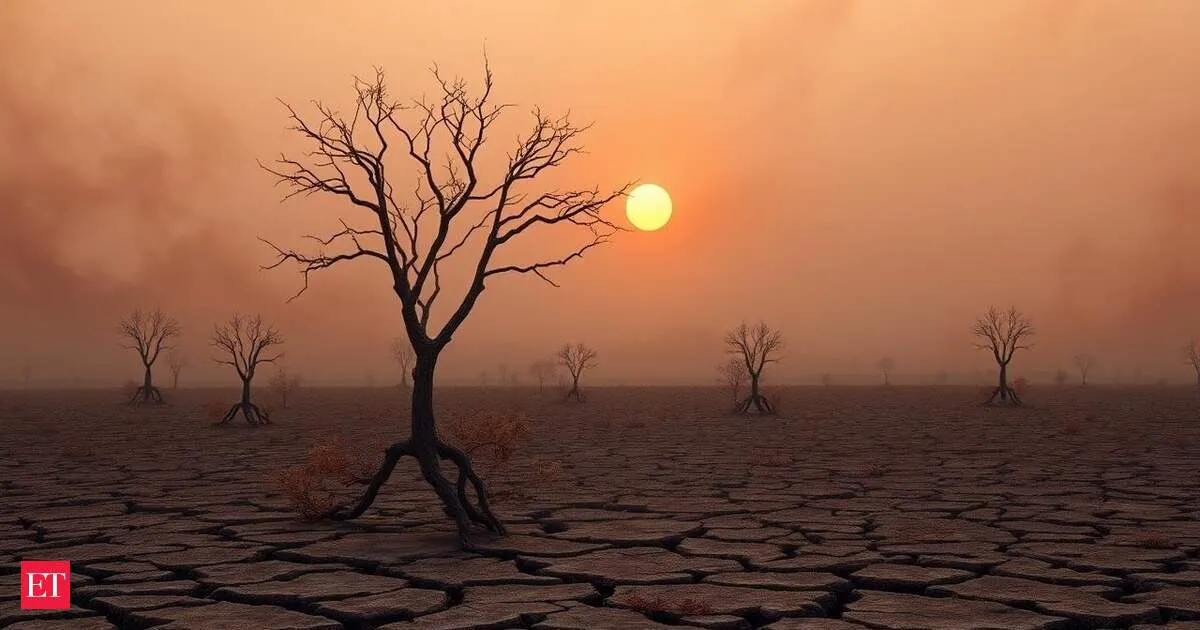
Record wildfires are spreading across Africa and Asia, with scientists warning that conditions could worsen as summer peaks and El Nino strengthens. The combination of climate change and El Nino may trigger unprecedented weather extremes. In Africa alone, land burned is already up 23% compared with the previous record, raising alarms over heat, drought, and fire risk.
India’s worsening heatwaves are driving power demand to record highs, putting pressure on the grid during peak hours. Renewable energy is increasingly covering parts of that spike, but limited storage capacity and weak grid flexibility threaten reliability. The result: meeting demand during extreme heat depends not just on more renewables, but faster, scalable storage and smarter grids.
Your news, in seconds
Get the Beige app — every story in 60 words, updated hourly. Free on iOS & Android.
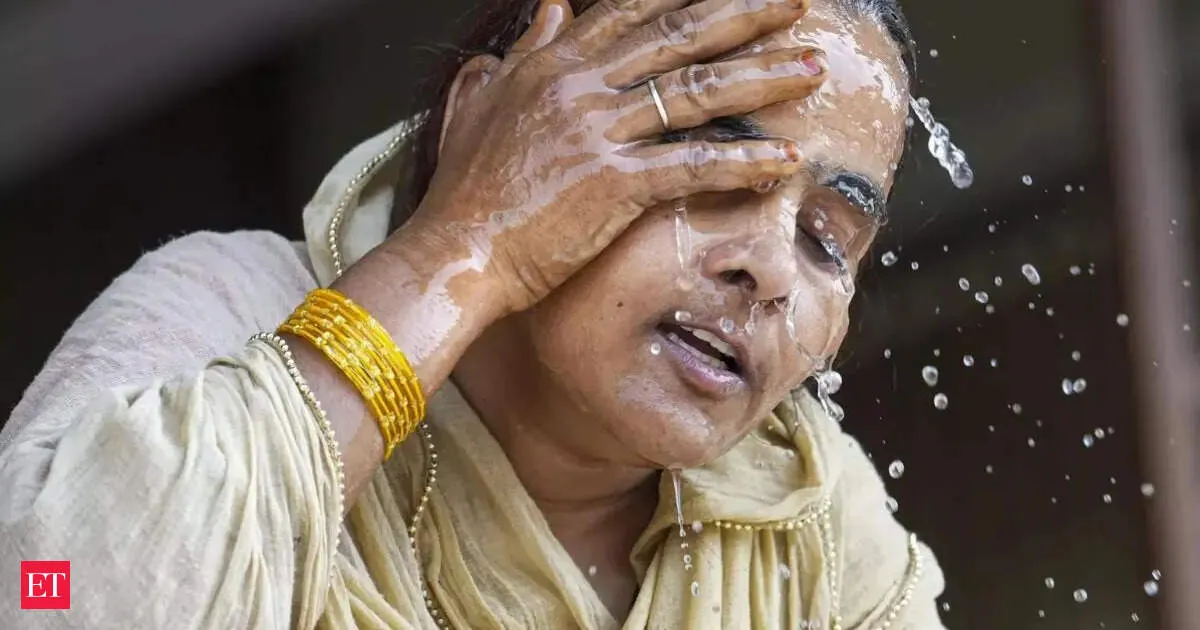
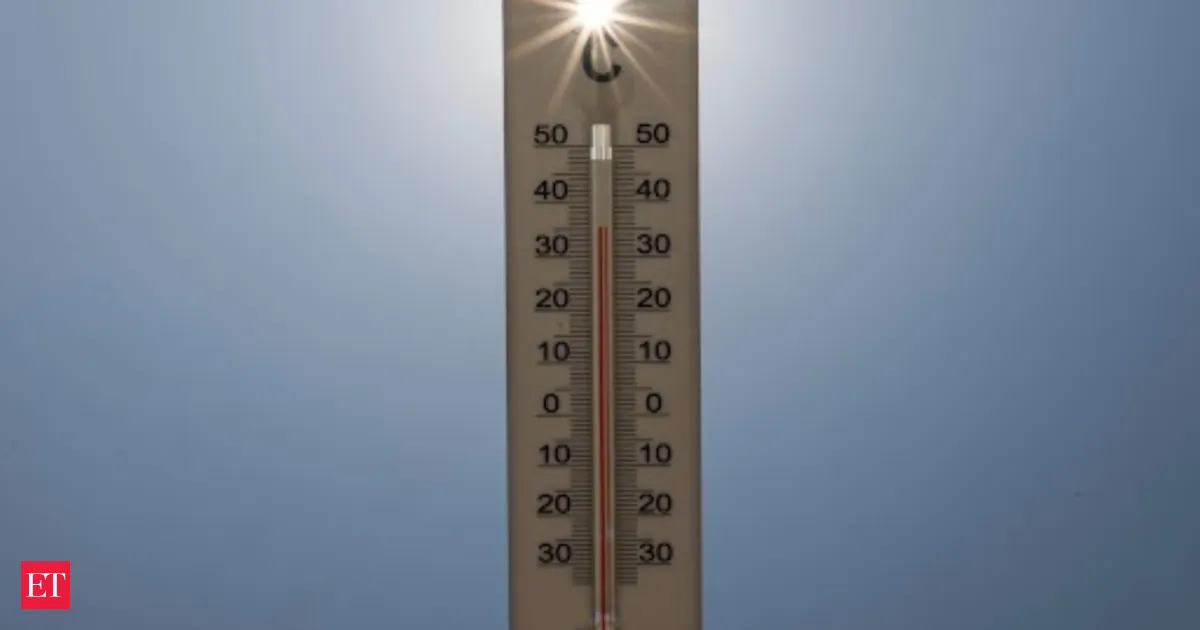
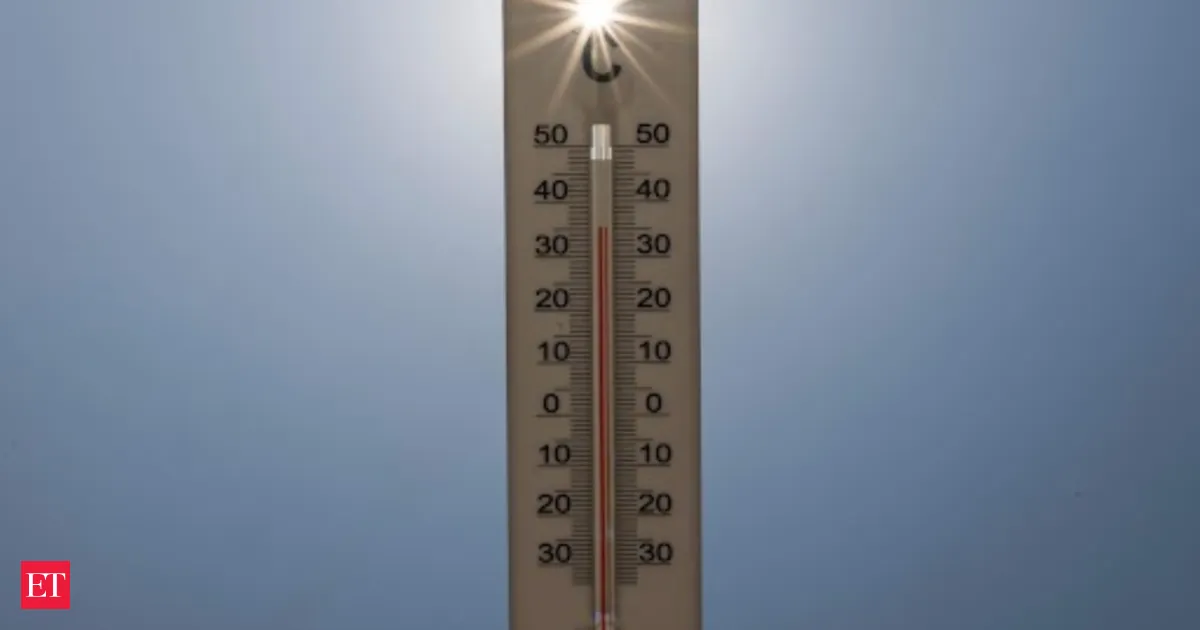
India is grappling with worsening heatwaves, with temperatures hitting around 46°C in many areas. El Nino may intensify conditions and disturb monsoon patterns, but experts say it is not the only explanation. Persistent high pressure over the region and a decline in western disturbances are cited as key reasons heat stays longer and spikes harder across the country.
The World Health Organization says heatwave comfort doesn’t have to mean skyrocketing electricity bills. It recommends setting an air conditioner to 27°C and running a fan alongside it. The combo can make rooms feel about 4°C cooler and reduce cooling costs by up to 70%, especially important as hot nights disrupt the body’s ability to cool down.
Asia is warming at nearly double the global average, according to a shift from the 1961–1990 period to 1991–2024. That faster rise is driving harsher heatwaves, glacier losses, and marine heatwaves, increasing risks to water supplies and destabilizing both economies and ecosystems across the region.
A new Nature study says fossil fuel and cement producers have significantly amplified both the frequency and intensity of climate-change-driven heatwaves. Researchers report that emissions from the biggest carbon producers are a key factor in worsening extreme heat, and that emissions from just one major could be enough to produce events far more likely than current estimates suggest.
Never miss a story
Set alerts for the topics and sources you care about. Download Beige for free.
A European climate monitor says August was the world’s third-hottest on record, with devastating wildfires and blistering heatwaves across regions. The report warns that unusually warm oceans are intensifying extreme weather risks. It urges faster emission cuts and stronger adaptation planning, arguing that deadly heat and fire episodes are likely to become more frequent and severe.
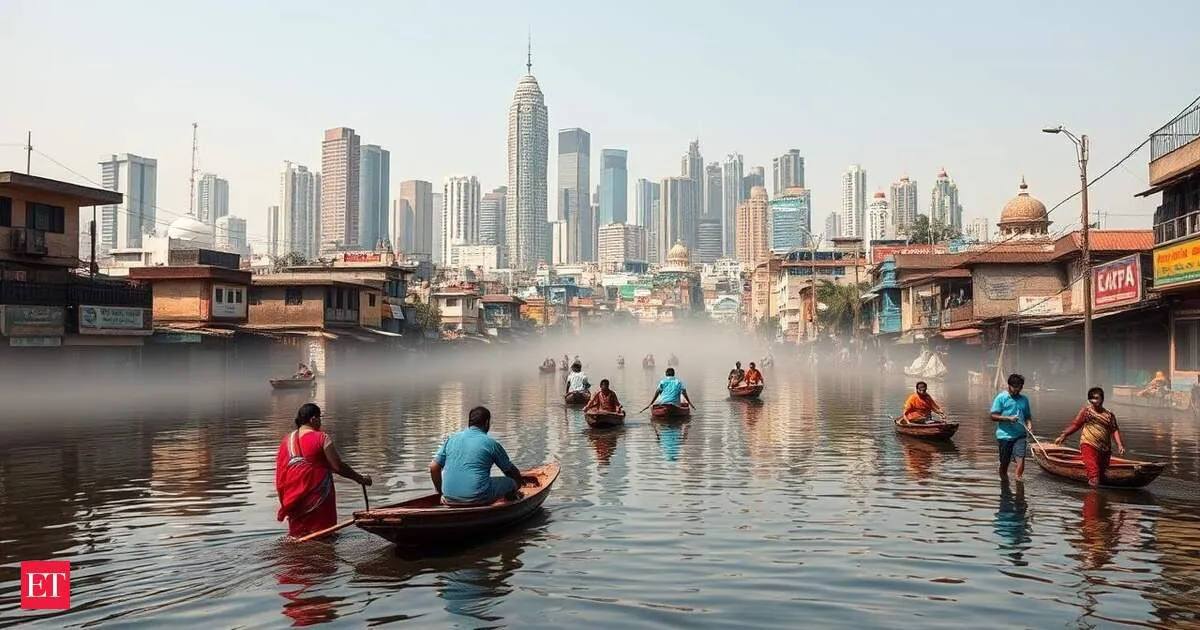
A World Bank report says Indian cities must invest about $2.4 trillion by 2050 to build resilient, low-carbon infrastructure as climate threats intensify. Rising floods and heatwaves could sharply increase economic losses without upgrades. Delhi, Chennai, Surat and Lucknow are flagged as especially exposed. The report calls for fiscal reforms and greater private capital to close the infrastructure gap.
China has logged its hottest summer on record in 2025, the China Meteorological Administration said, with heatwaves persisting across the south. From June to August, large parts of the country faced intense temperatures, and the national average rose to 22.31C—marking the warmest summer since the agency began records in 1961.
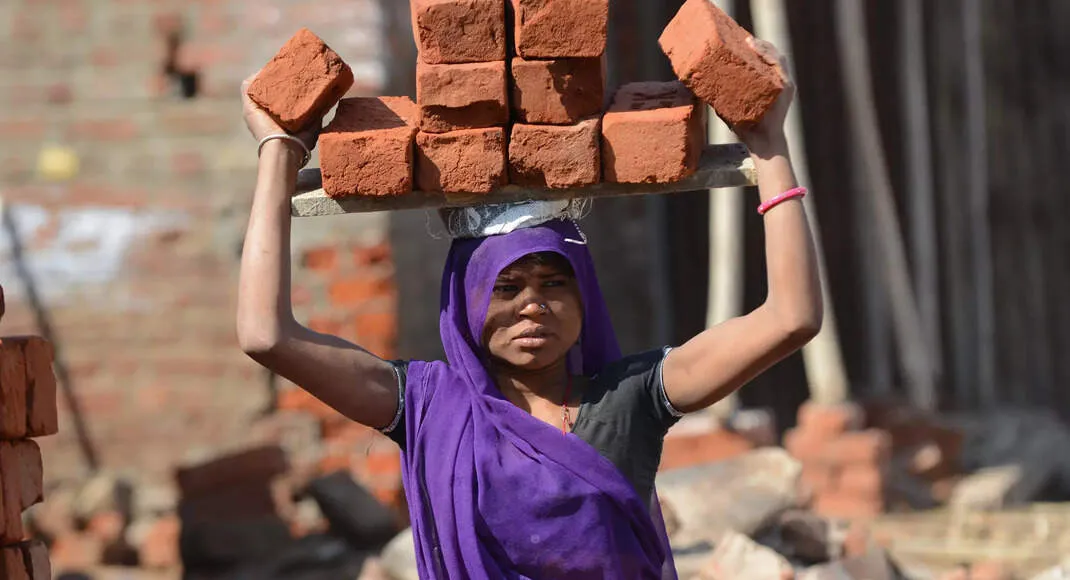
A global NGO and its Indian partner have launched what they say is the world’s first parametric heatwave insurance for women labourers in India. Instead of lengthy claims, payouts are triggered by heatwave conditions, aiming to provide faster, more reliable financial relief when extreme temperatures become life threatening.
Reading on mobile?
Open Beige in the app for a smoother experience — free on iOS and Android.
Swipe through stories, personalise your feed, and save articles for later — all on the app.