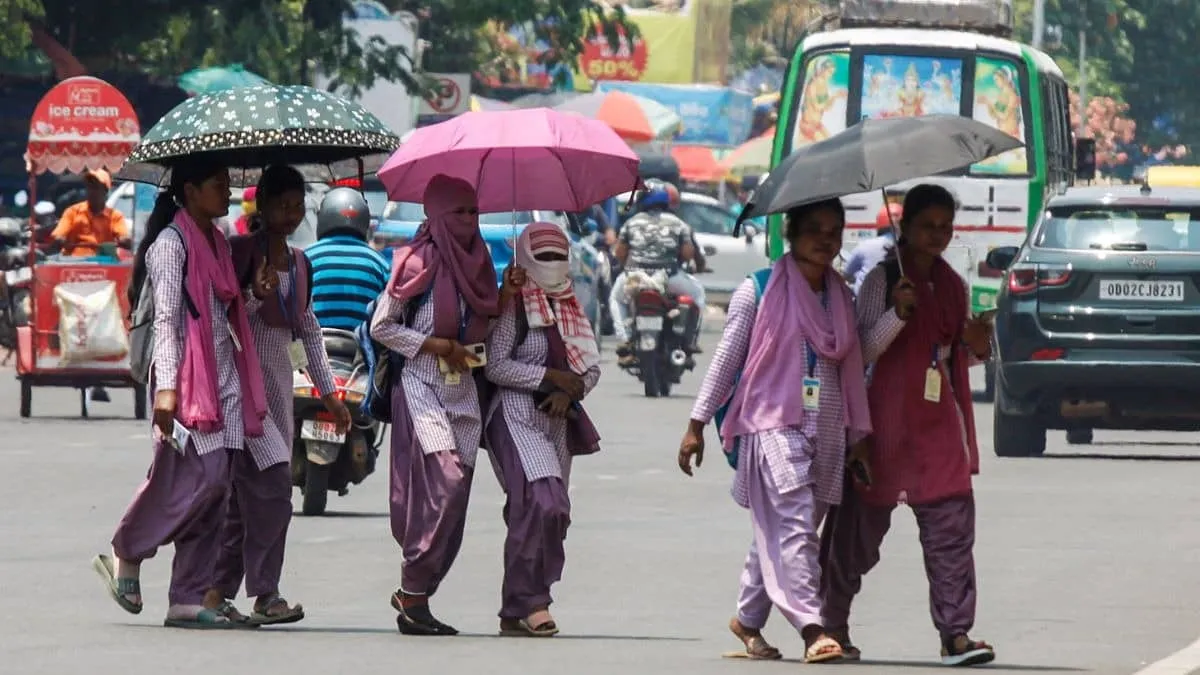
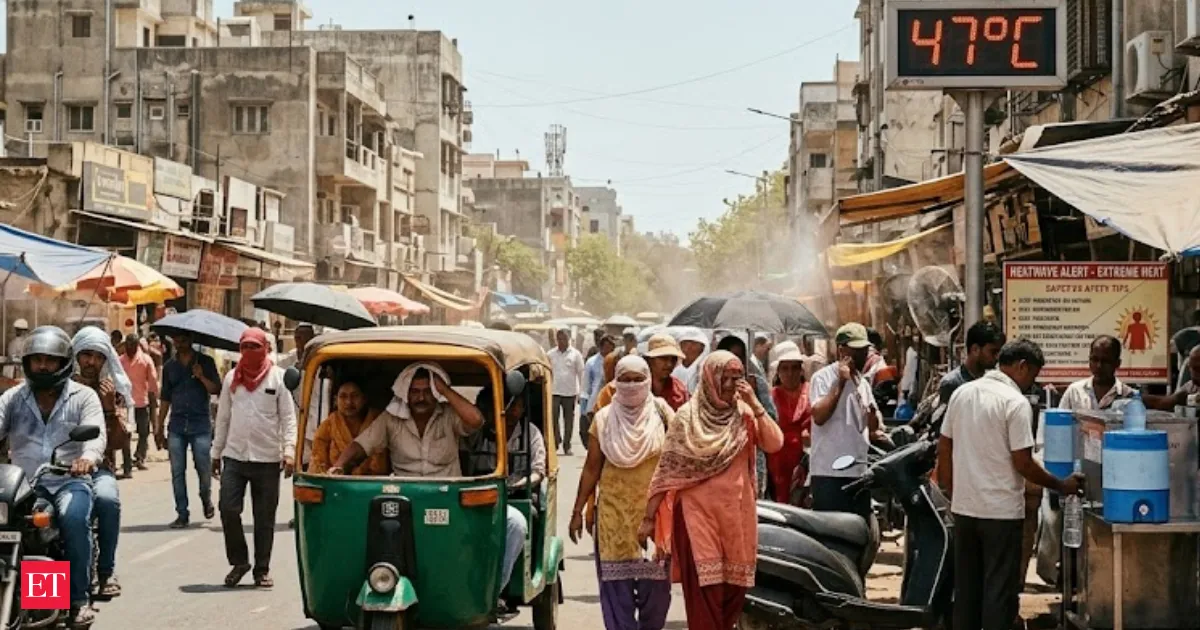
The India Meteorological Department (IMD) says it will revise its criteria for declaring heatwave conditions because the current parameters do not match India’s diverse geography. Kerala has struggled with warnings during a summer marked by severe heat and unusual humidity, including an anti-cyclone system forming unusually far south that kept nights unusually hot. IMD says night temperatures were 3 to 4 degrees Celsius above normal, and heatwave alerts were limited by station and threshold rules. Changes will be finalized after consulting disaster management authorities.
After a brief spell of rain and thunderstorms gave Delhi-NCR temporary relief, temperatures are climbing again. The India Meteorological Department has warned of heatwave-like conditions in the coming days, with parts of the region expected to cross 41°C. Residents are urged to stay hydrated, limit exposure to afternoon sun, and follow heat safety precautions.
Your news, in seconds
Get the Beige app — every story in 60 words, updated hourly. Free on iOS & Android.
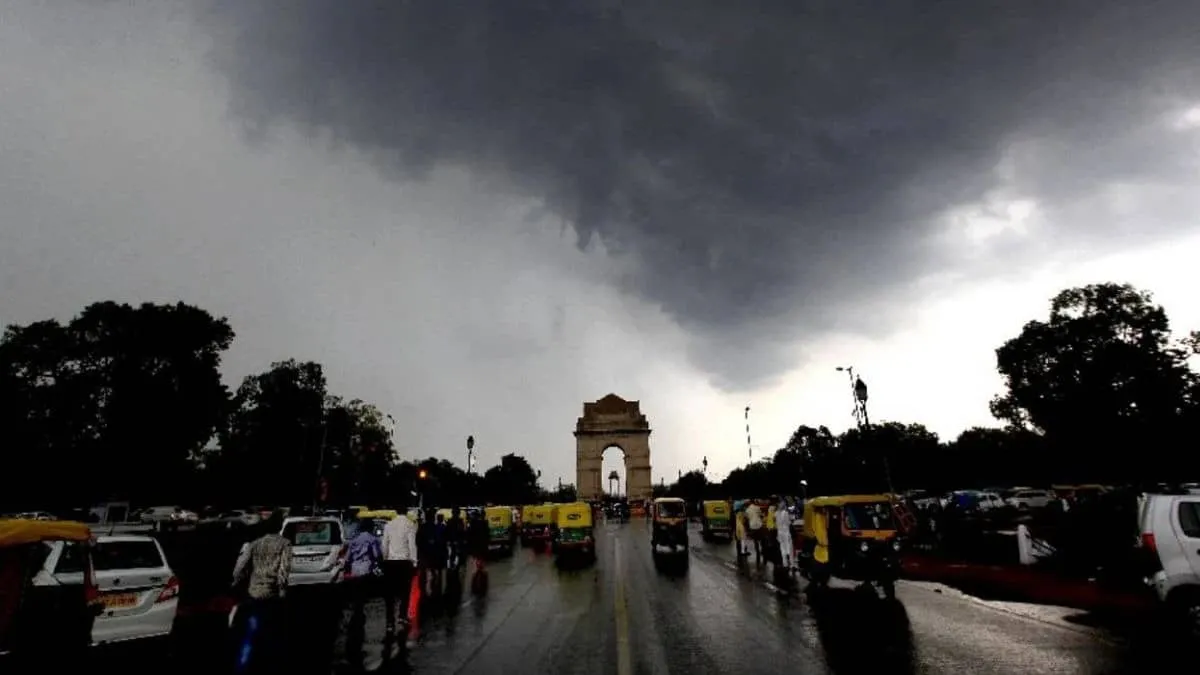
Delhi, Varanasi and Raipur are seeing rain and storm activity as the southwest monsoon is forecast to advance over parts of the Bay of Bengal and Andaman Sea. The development comes despite severe heatwave conditions persisting across northwestern and central India, highlighting how quickly weather patterns are shifting across regions. IMD updates are key for next-day disruptions.
The IMD has issued alerts for thunderstorms, lightning, and heavy rain across multiple states as pre monsoon activity intensifies. Jharkhand, Bihar, and Maharashtra are among the regions likely to see severe weather. Delhi is also under a heatwave warning, while Rajasthan expects extreme heat and Kerala and West Bengal may receive significant rainfall.
Delhi is set to face thunderstorms, lightning, and strong winds up to 50 kmph tonight, with maximum temperatures hovering around 37–39°C. The IMD forecast suggests conditions improve from May 14, turning clearer as temperatures climb to 40–42°C by May 17–18. Meanwhile, Delhi’s AQI is currently in the moderate range.
The IMD has issued fresh warnings for severe thunderstorms, lightning, heavy rainfall, squally winds and possible hail across multiple states, with Jharkhand among the most affected. Delhi-NCR and parts of Uttar Pradesh and nearby regions may also see thunderstorms. Meanwhile, intense heatwave conditions continue over western and central India, keeping the threat split between storms and sweltering heat.
Never miss a story
Set alerts for the topics and sources you care about. Download Beige for free.
Peak summer heat doesn’t just make you thirsty—it can dampen hunger by disrupting digestion, hydration, and overall energy levels. As your body works harder to regulate temperature, normal eating patterns may shift and appetite drops become common. Experts recommend staying well hydrated and choosing light, nutrient-rich foods to help maintain energy during hotter months.
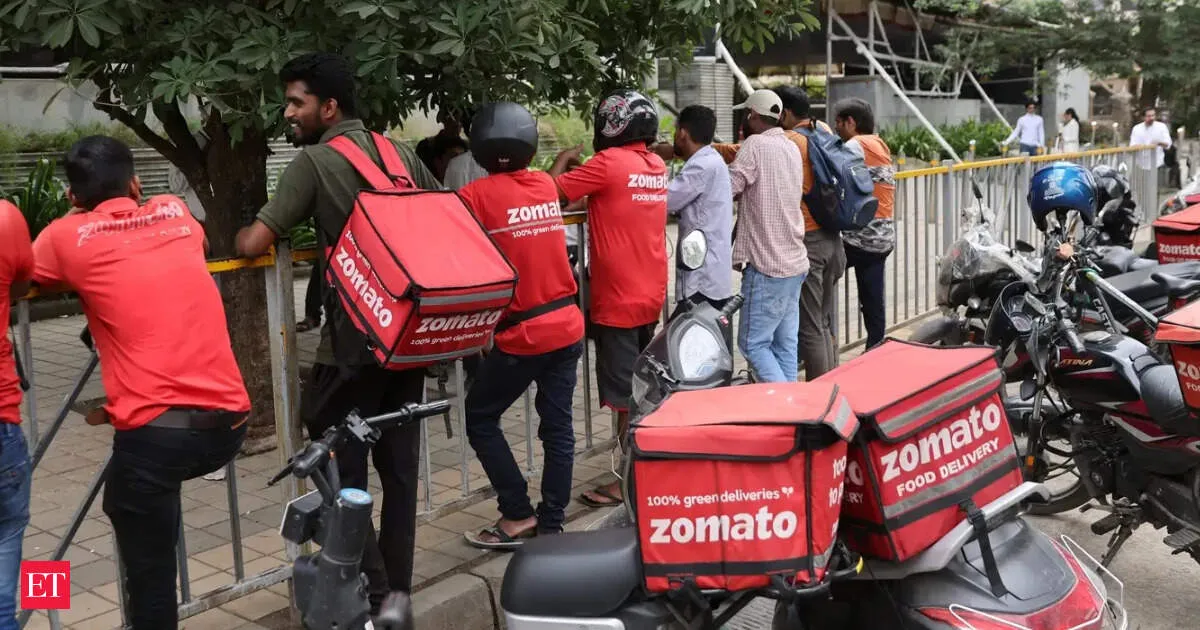
As India’s heatwaves intensify, gig delivery platforms including Amazon, Zomato, Blinkit, Swiggy, BigBasket and Flipkart are rolling out tech-driven and on-ground heat safety measures. Companies are expanding insurance coverage, adding SOS and weather alerts in apps, installing cooling infrastructure in dark stores, and offering cooling vests, doctor consultations and rest stops. A union is now pushing for enforceable legal protections.
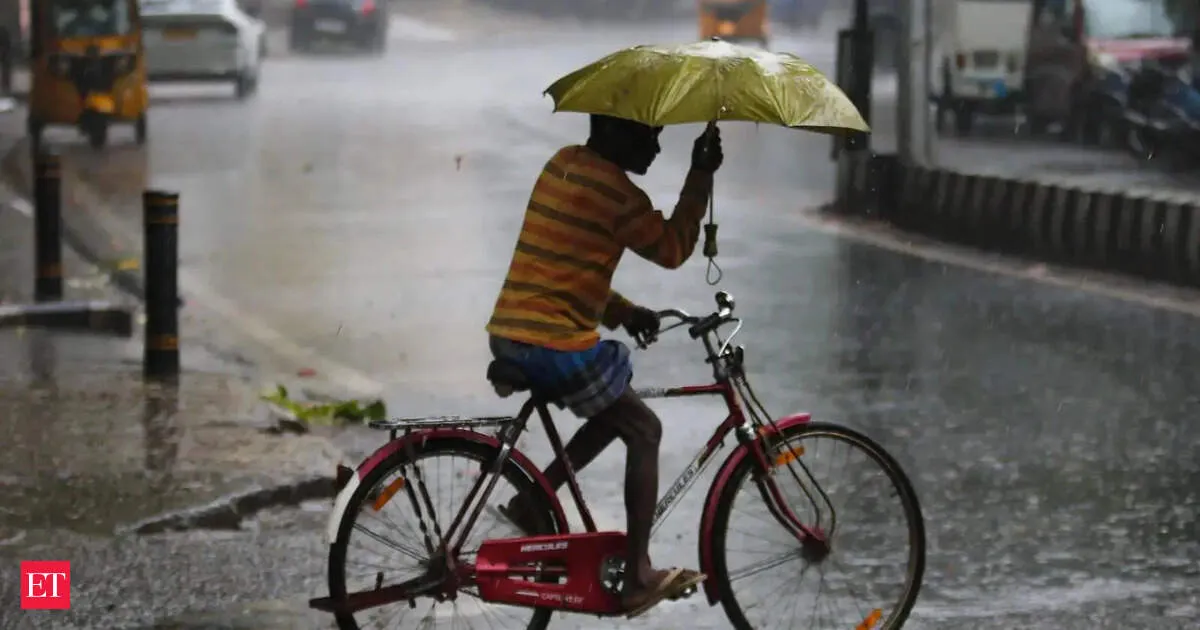
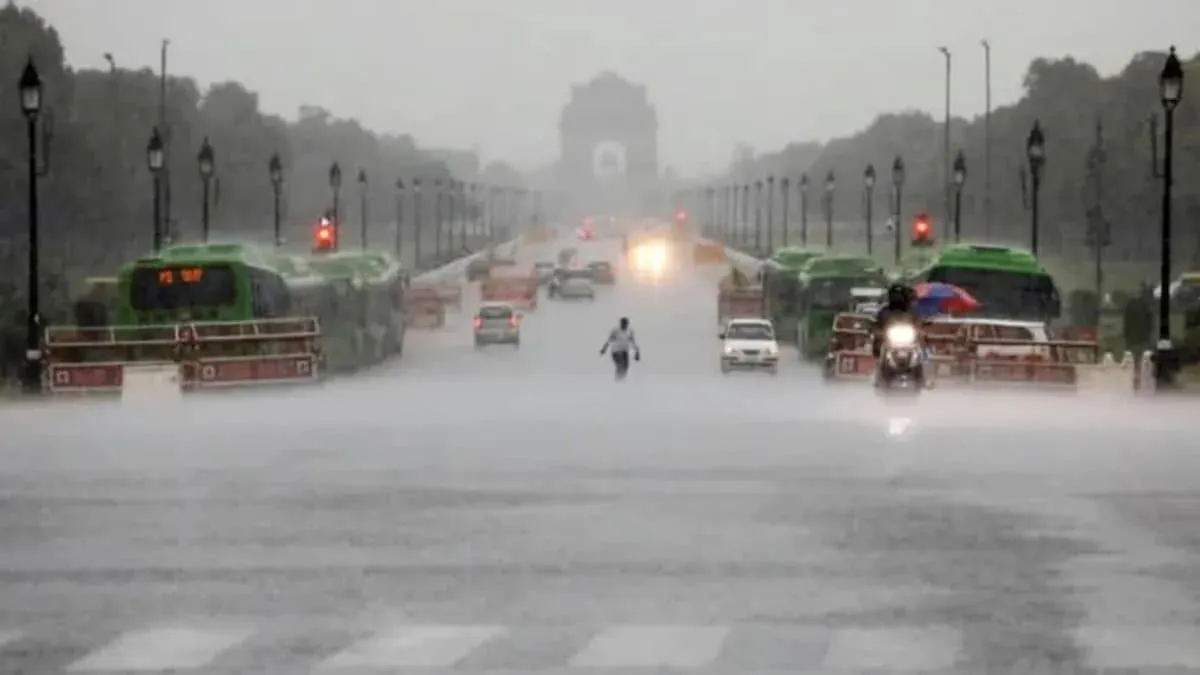
A sudden hailstorm swept parts of Delhi on Tuesday evening, bringing heavy rain and brief relief after scorching early summer temperatures near 40°C. Areas such as Dwarka reported hail and steady rainfall, with videos spreading online as conditions changed quickly. The IMD had issued orange and yellow alerts for thunderstorms, gusty winds, and more wet spells ahead.
IMD has issued a yellow alert for Delhi and the NCR as a western disturbance triggers moderate rain, frequent thunderstorms and lightning, along with gusty winds reaching 40–50 kmph. Gurugram and Noida are especially on alert. The same system may also provide relief from the ongoing heatwave, but could disrupt daily travel until May 6.
Reading on mobile?
Open Beige in the app for a smoother experience — free on iOS and Android.
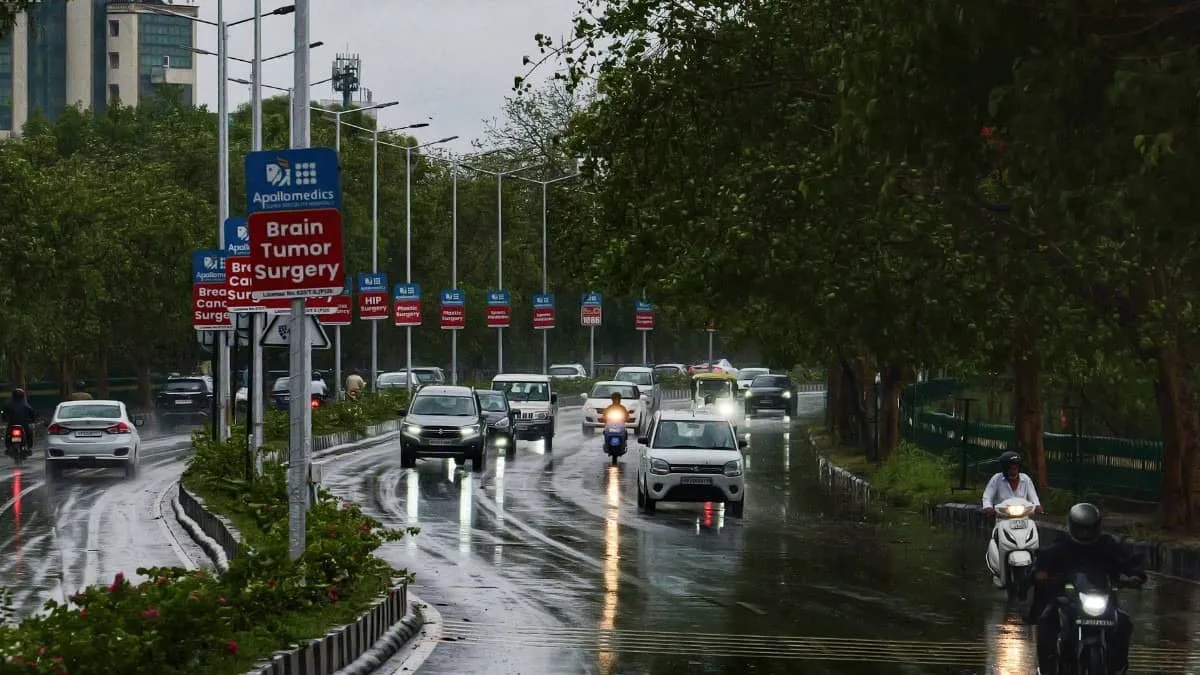
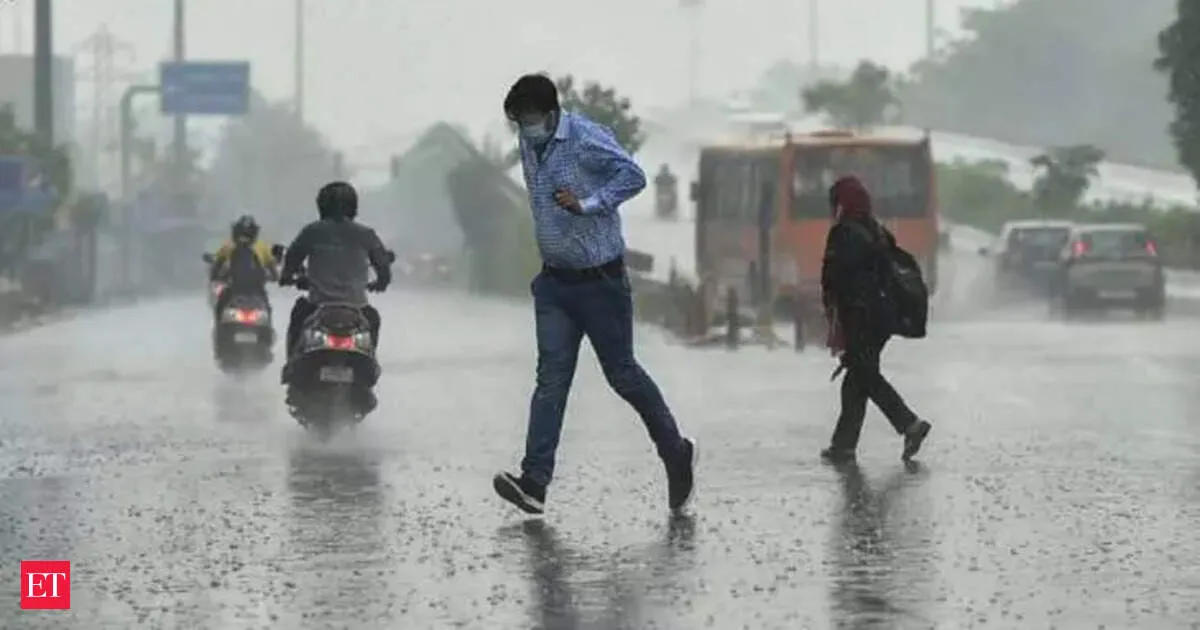
Relief is on the way in parts of northern India as rains develop after intense heat. Delhi recorded a minimum temperature of 24.6°C and the India Meteorological Department expects thunderstorms with rain. The forecast points to short-term cooling, though weather can change quickly as monsoon-linked conditions shift across the region.
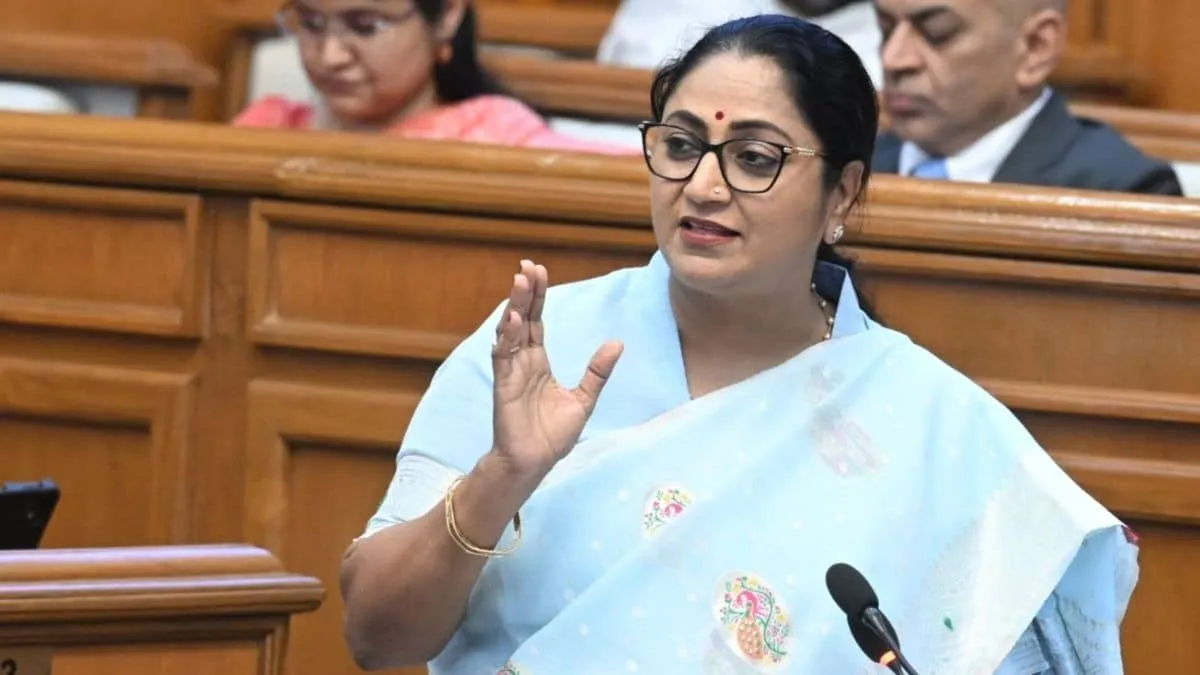
Delhi Chief Minister Rekha Gupta has ordered a 1 pm to 4 pm work break for labourers and outdoor workers during the ongoing heatwave. The government will also set up hospital cooling zones and distribute free ORS to high risk groups. Officials say the measures aim to reduce heat-related illness as temperatures remain dangerously high.
As India’s heatwaves intensify, major e-commerce and quick-commerce platforms are stepping up protections for delivery workers. Companies are issuing cooling jackets and gear, setting up shaded or air-conditioned rest hubs, and adding health check-ups and medical support. The move targets the frontline workforce that keeps orders moving during the harsh summer months.
Delhi NCR saw heavy rain and thunderstorms on Saturday evening, offering relief from days of extreme heat. The downpour helped cool the region, lowering mercury levels and breaking the scorching conditions residents had been enduring. While the weather shift brought immediate respite, authorities continue to monitor conditions as monsoon activity evolves.
Follow your favourite sources
Track sources, tags and categories — all in the Beige app.
Tamil Nadu and Puducherry are likely to face a heatwave through May 5, with temperatures running 2–3°C above normal alongside high humidity. Several districts may record markedly hotter conditions, including Vellore at 42.4°C. While isolated heavy rains and thunderstorms are also forecast in some areas, the intense heat is expected to continue overall.
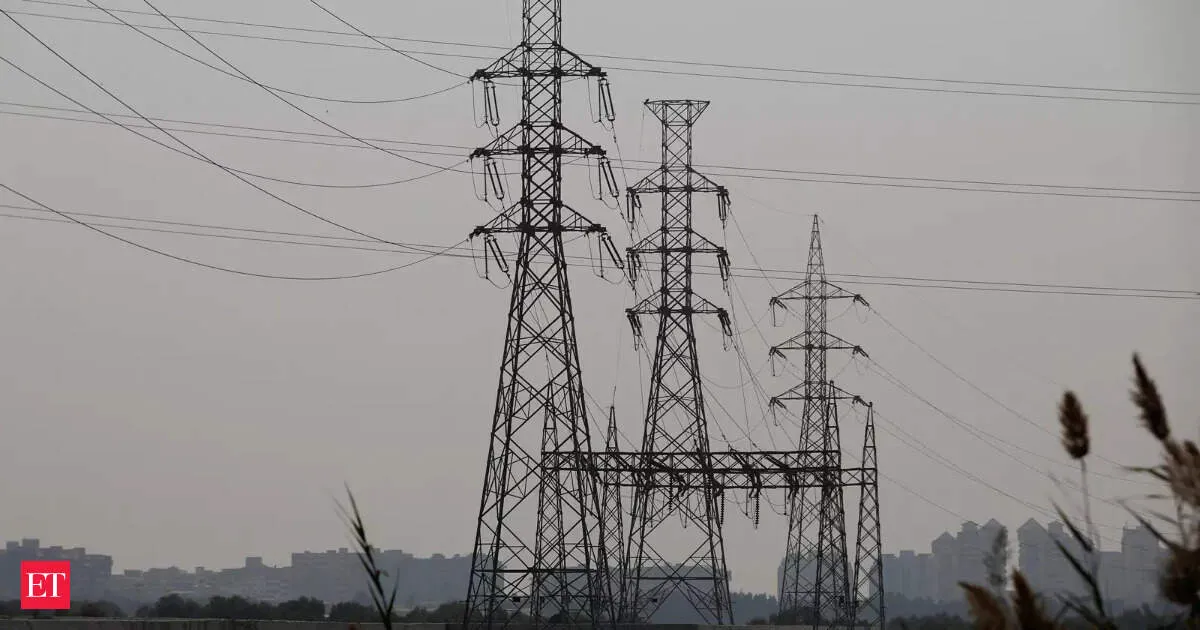
India’s power market surged in late April as heatwaves drove electricity demand sharply higher. Indian Energy Exchange data shows tariffs in non-solar hours climbed to the ₹20 per unit regulatory ceiling. The capped high-price segment helps bring in costlier power sources to meet demand, while peak requirement hit a record 256 GW.
The IMD forecasts above-normal heatwave days in May for the Himalayan foothills, the east coast, Gujarat, and Maharashtra. Minimum temperatures are likely to run above normal across most of India, though parts of northwest and central regions may see exceptions. Rainfall is expected to be above normal in most areas, with fewer chances in some eastern regions.
India is set for a mixed May, with IMD projecting above-normal rainfall nationwide. While maximum temperatures in many regions may stay normal to below normal, southern peninsular areas could see hotter days. Warmer nights are expected across the country, and IMD has flagged possible heatwave conditions in specific pockets, even as rains increase.
Stay informed on the go
Bite-sized news from 100+ trusted sources, right in your pocket.
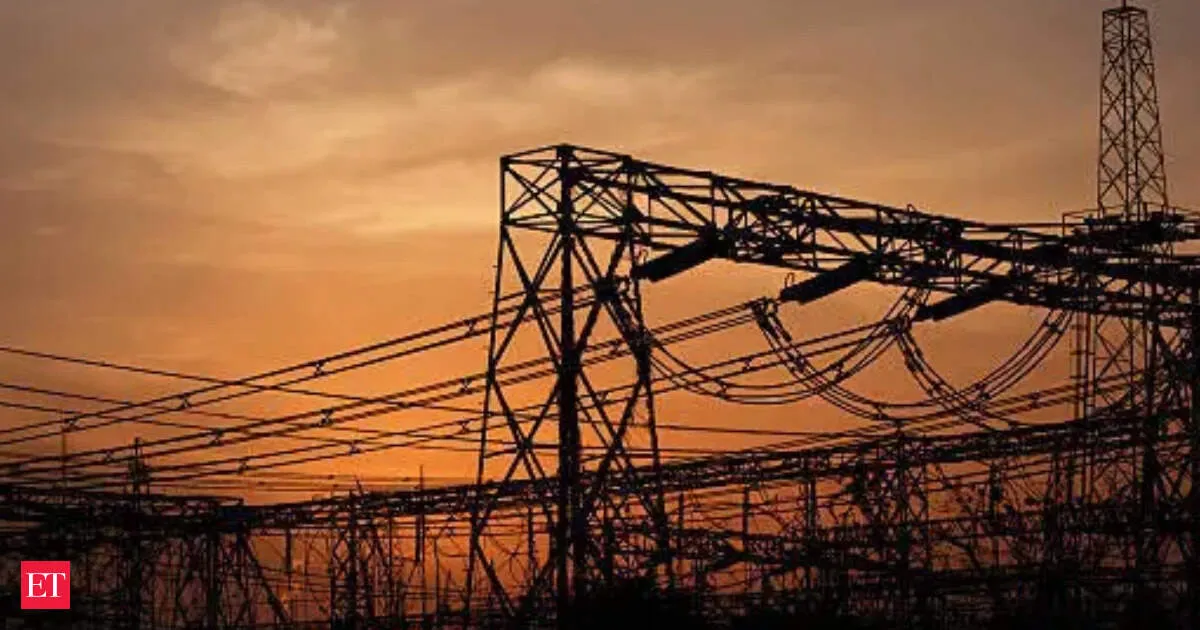
As India’s heatwave deepens beyond June, power grids are taking a hit from soaring electricity demand and tightening supply. Higher temperatures strain networks even as energy deficits worsen amid global disruptions, raising the likelihood of rolling blackouts. Millions may be forced to cope with outages while facing relentless heat and an already stressed power system.
IMD has forecast widespread rainfall, thunderstorms and gusty winds starting May 1, 2026, marking a major shift in weather across parts of India. Delhi-NCR received sudden hail and rain, bringing relief from heatwave conditions. Meanwhile, Bihar, Uttar Pradesh and northeastern regions are warned to prepare for heavy downpours and severe weather.
Swipe through stories, personalise your feed, and save articles for later — all on the app.