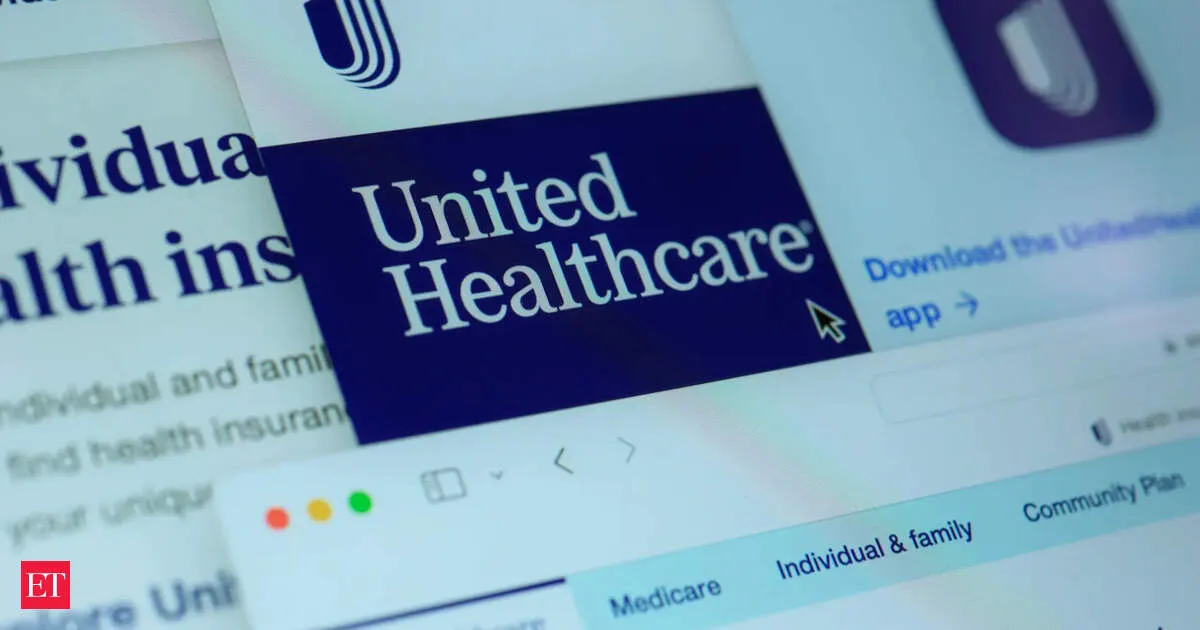
US health insurers delivered their strongest first-quarter performance since the pandemic, beating estimates as cost controls and seasonal factors helped ease pressure from rising medical costs and claims. While results signal improvement, analysts are split on whether this is the start of a sustained recovery or simply a short reprieve before expenses catch up again.
Jio Financial Services and Germany’s Allianz have formally launched their 50:50 insurance joint venture, incorporating Jio Allianz General Insurance. The new firm plans to offer general insurance products, including health insurance, in India. The move also follows Allianz’s earlier exit from a previous JV with Bajaj Finserv, signaling a new push into the country’s insurance market.
Your news, in seconds
Get the Beige app — every story in 60 words, updated hourly. Free on iOS & Android.
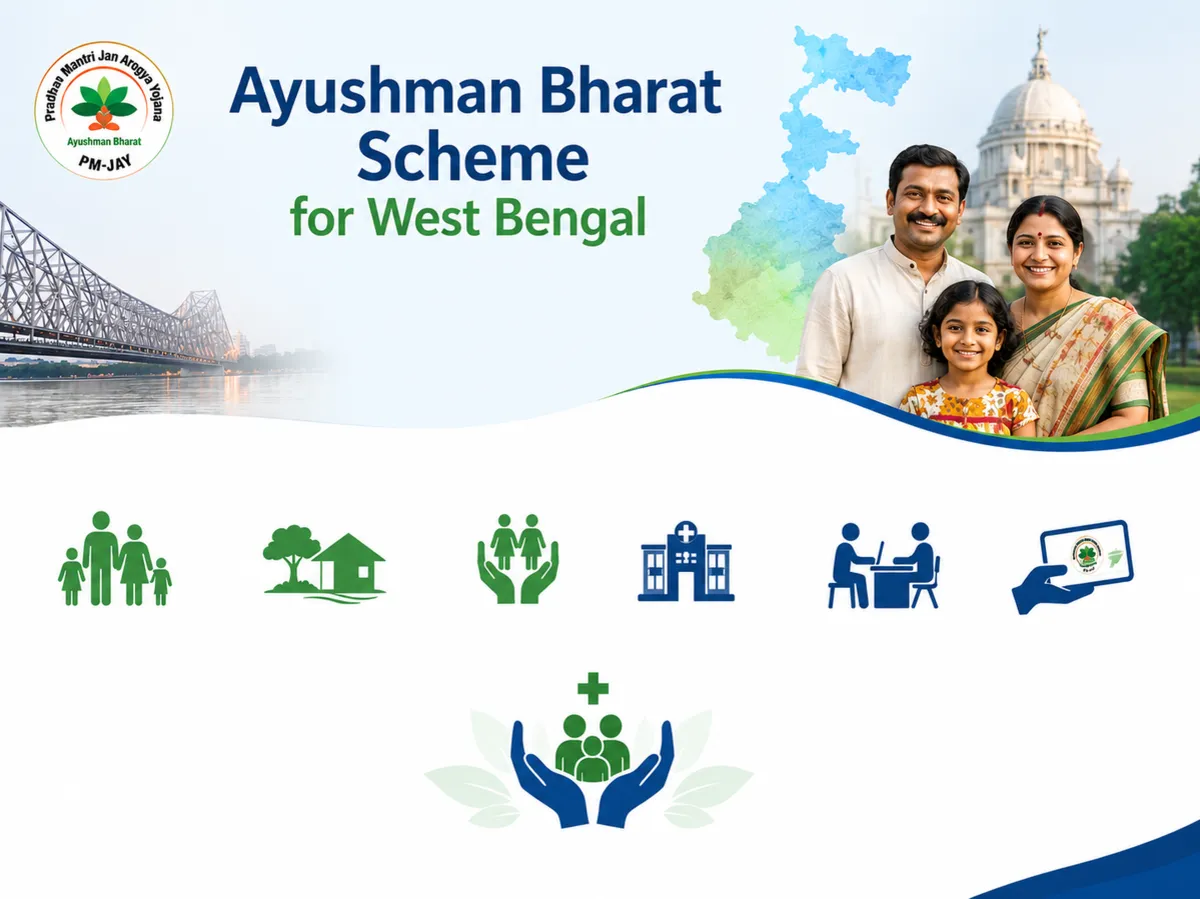
West Bengal is restarting the Ayushman Bharat Pradhan Mantri Jan Arogya Yojana (AB PMJAY), offering cashless health insurance up to Rs 5 lakh per family each year. The update opens eligibility for senior citizens aged 70 and above to apply for coverage, aiming to reduce out of pocket medical costs and ease financial stress on households across the state.
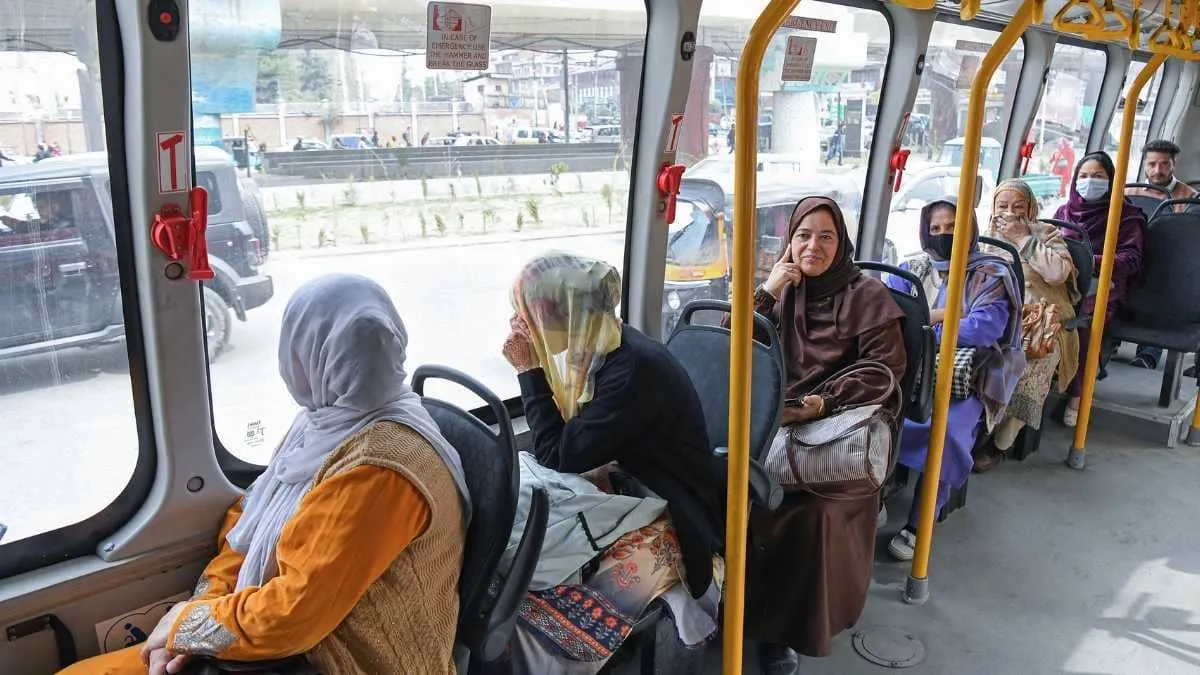
West Bengal is preparing to begin two major initiatives from June 1: the Centre’s Ayushman Bharat flagship health insurance scheme and a separate state push for free travel for women on government-run buses. The move, announced under the Suvendu Adhikari government, targets women’s welfare while extending access to affordable healthcare across the state.
In FY26, health insurance cemented its spot as the biggest segment in India’s non-life insurance market. Its share rose to 40.8% from 38.6% a year earlier, while the segment expanded 15.4% to around Rs 1.4 lakh crore. Overall non-life premium growth was 9.3%, lifting gross direct premium income to nearly Rs 3.4 lakh crore.
Thailand is considering a compulsory health insurance requirement for all foreign visitors, including tourists and workers. The move targets a growing problem of unpaid medical bills, which leave the healthcare system shouldering costs for patients who can’t pay. If approved, travelers may need coverage upfront, potentially changing how trips and work assignments are planned.
Never miss a story
Set alerts for the topics and sources you care about. Download Beige for free.
Indians are increasingly choosing health insurance policies worth ₹1 crore or more as medical bills rise and awareness grows. Insurers say demand is accelerating because customers are willing to pay higher premiums for higher payouts, with GST-related pricing changes making larger cover options more accessible and easier to shop for.
The Bombay High Court ruled that health insurers cannot reject hospitalisation claims merely because the policyholder submitted them after the time limit stated in the contract. The court held that such clauses cannot be used to defeat legitimate claims, offering relief to customers facing claim denials over procedural delays in filing.
A new NSO survey finds India’s health insurance coverage is expanding, yet hospitalisation costs are still largely borne by patients. Rural households shoulder about 95% of hospital spending out of pocket, while urban patients also pay a significant share. Hospitalisation costs have nearly doubled, even as the frequency of hospitalisations per 1,000 people stays flat.
UnitedHealth’s UnitedHealthcare and CVS Health’s Aetna are moving large portions of prior authorization onto standardized processes. UnitedHealthcare says over 70% of prior approval requests will be handled this way by year end, while Aetna reports 88% of its prior authorization volume is already standardized. The shift could change how quickly coverage decisions reach patients.
Reading on mobile?
Open Beige in the app for a smoother experience — free on iOS and Android.
Insurers want a single empanelment system to make cashless treatment smoother for patients. Hospitals are skeptical, arguing the change could complicate billing, approvals, and operational workflows, effectively delaying care. ET Prime decodes the impact on hospitals, the insurance ecosystem, and the end customer—where the promised simplicity may not land evenly.
Jio Financial Services has partnered with Germany’s Allianz Group in a 50 50 general and health insurance joint venture. The equal collaboration will focus on building products specifically designed for Indian customers, targeting demand for coverage that fits local needs across both health and everyday insurance categories.
Health insurance complaints have doubled over the past six years, and they now make up 80% of all grievances, according to the insurance ombudsman. The ombudsman says post-Covid awareness still lags even as penetration rises, and urges a stronger healthcare industry regulator while pushing insurers to simplify confusing policy terms.
New Zealand will ease health insurance requirements for its Peak Seasonal Visa starting April 19, 2026. The update is designed to simplify compliance for both migrants and employers by aligning insurance needs with products available in the local market. Officials expect fewer application uncertainties and faster visa processing for seasonal workers.
Follow your favourite sources
Track sources, tags and categories — all in the Beige app.
PM Rahat is a new cashless healthcare scheme for road accident victims, designed to cut delays that can cost lives. Under the technology-driven framework, eligible victims can get cashless treatment for up to seven days with coverage up to Rs 1.5 lakh. Here’s how to access services, check eligibility, understand coverage, and file claims step by step.
Health insurers are adding a “material change” clause that can let them revise premiums and policy terms at renewal. Experts warn it may clash with IRDAI rules meant to protect continuity and fair pricing. Policyholders are urged to read the fine print carefully, ask for written clarification, and understand how the clause could affect coverage going forward.
An insurers and hospitals meeting on October 9 has brought discharge delays back into focus, highlighting how policyholders continue to face waiting times during hospital discharge. The question now is whether coordination between insurers and healthcare providers can streamline approvals, documentation, and processes so patients spend less time caught between billing and discharge.
India’s insurance regulator has rolled out a common empanelment system that asks all general insurers to onboard hospitals together under standardized terms and rates. Modeled on PMJAY-style empanelment, it could reshape bargaining power, reduce billing variation, and pressure insurers’ hospital costs. But the real impact on premiums and claims depends on adoption and contract enforcement.
Stay informed on the go
Bite-sized news from 100+ trusted sources, right in your pocket.
India’s hospitals and health insurers are locked in a tariff and cashless settlement standoff, with patients stuck between refusals and stalled claims. Disputes ranging from AHPI’s clash with Star Health to insurers suspending ties with Max Hospitals point to a strained system where rising treatment costs meet stagnant payouts and there’s no decisive regulator to arbitrate.
Excessive smoking and alcohol use can ripple through India’s health insurance—changing how insurers judge risk, set premiums, and assess claim eligibility. Beyond lifestyle impact, insurers may factor these habits into underwriting decisions, waiting periods, or higher costs. The result: healthier behavior can mean better pricing, while persistent use can lead to tougher claim outcomes and scrutiny.
Swipe through stories, personalise your feed, and save articles for later — all on the app.