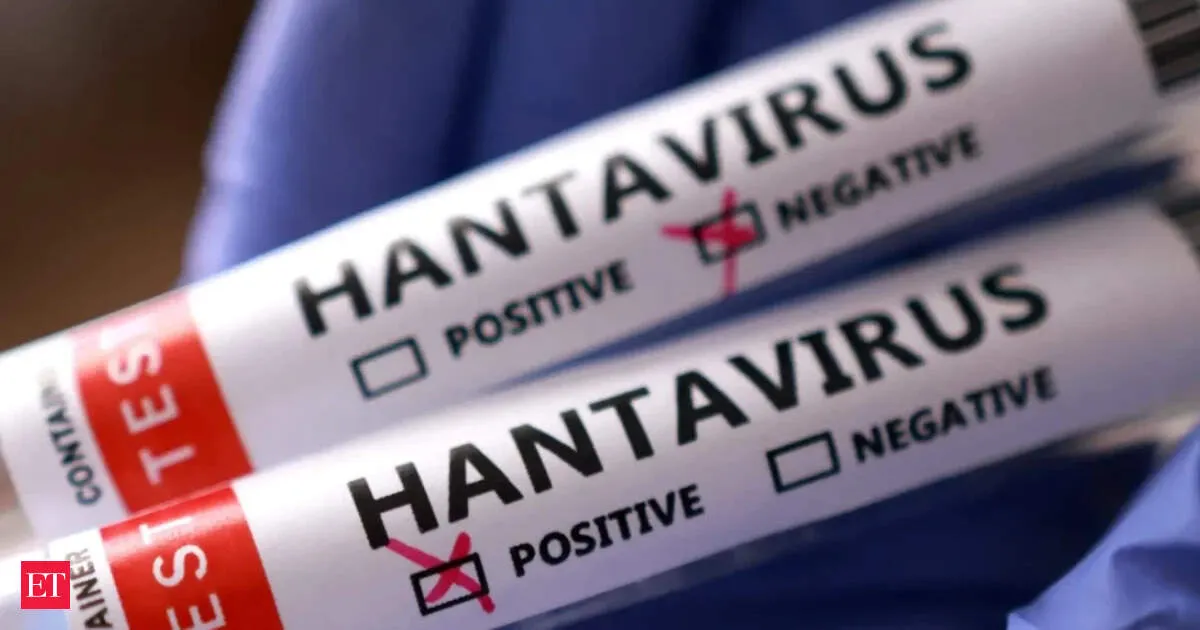
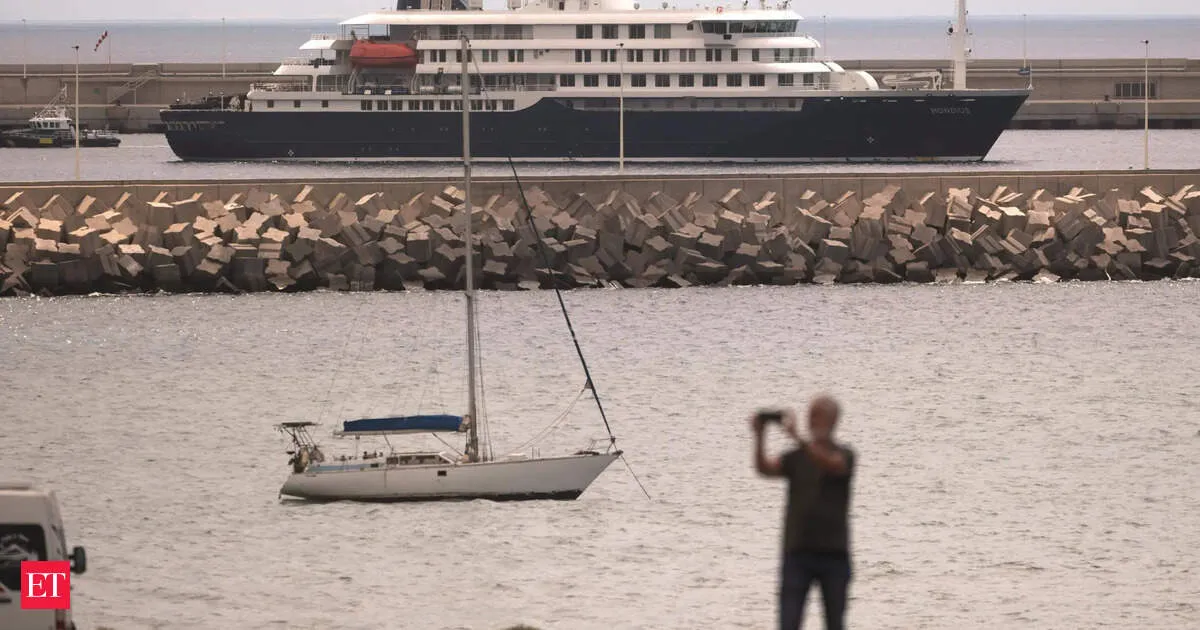
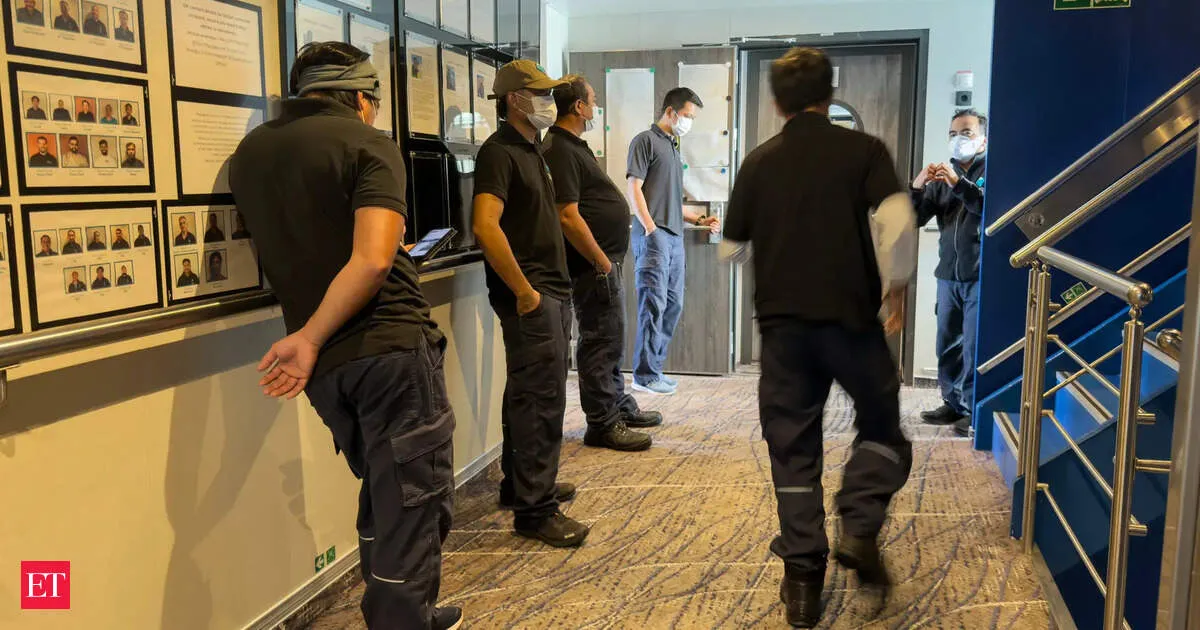
A hantavirus outbreak tied to a quarantined luxury cruise ship in the Atlantic has reignited COVID-era online panic, forcing health officials to rethink communication. Officials say the Andes strain is not new and is unlikely to trigger a pandemic, yet knowledge gaps and misinformation are fueling fear of lockdowns and unproven treatments. They’re emphasizing transparent, evidence-based messaging to balance concern with reassurance, while warning that trust has been eroded by slow and inconsistent COVID responses.
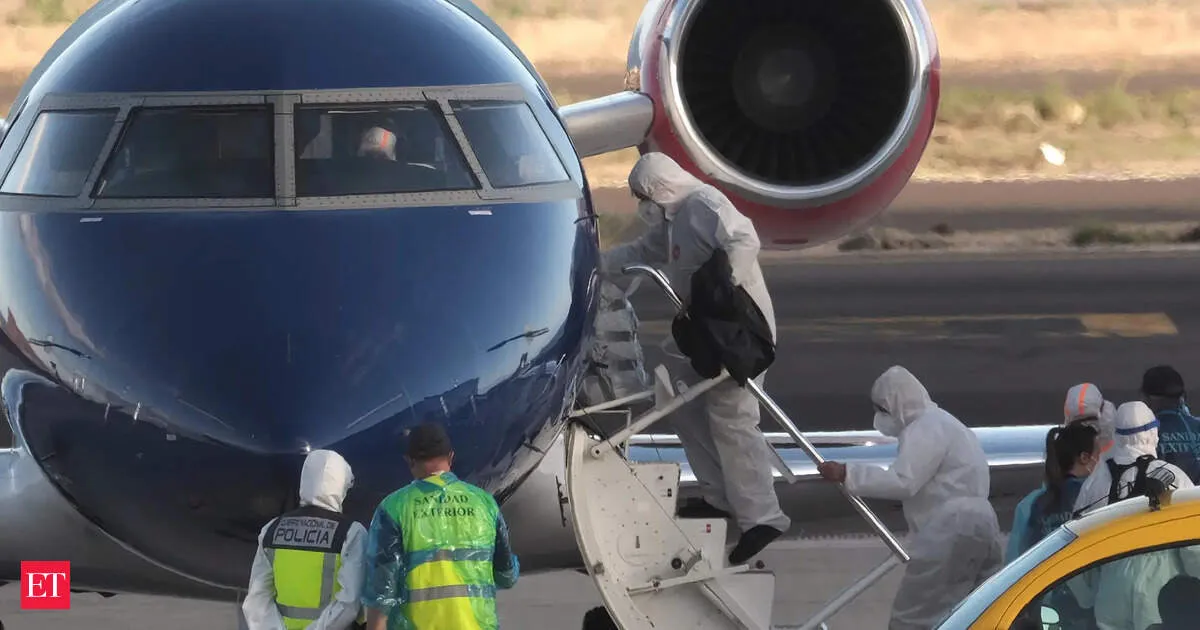
The U.S. Department of Health and Human Services says one of 17 Americans repatriated from the MV Hondius has tested mildly positive for the Andes strain of hantavirus, while a second passenger has mild symptoms and has not yet been confirmed. Both are being transported in biocontainment units to specialized treatment centers in the United States. The cruise outbreak has left eight people ill, with six confirmed, and multiple deaths reported by WHO, while officials say the risk of spread is low.
Your news, in seconds
Get the Beige app — every story in 60 words, updated hourly. Free on iOS & Android.
A rare hantavirus outbreak tied to a cruise ship has triggered international health monitoring after eight linked infections and three reported deaths. WHO officials say the threat to the wider public remains limited and emphatically not the start of a COVID-style pandemic. While early symptoms look flu-like, cases can deteriorate within days into severe respiratory illness requiring intensive care. Experts also stress person-to-person spread, when it occurs, happens mainly through close, prolonged contact.
France says all 26 people placed under hantavirus observation have tested negative. Authorities will continue monitoring the group, and updates will only be shared if a positive case is confirmed. Hantavirus is usually spread through rodent exposure, while human-to-human transmission is rare and typically needs close contact, offering fresh reassurance.
The WHO has confirmed eight laboratory cases of Andes hantavirus aboard the MV Hondius cruise ship, with three deaths reported. The virus is typically spread by rodents, but investigators still do not know what triggered this outbreak. Public health risk is judged moderate for passengers on the ship and low globally, given the current spread assessment.
Chile researchers developed antibodies that neutralised the deadly Andes hantavirus in lab and animal tests, showing real promise against a rare virus that can spread between people. But the effort stalled before human trials, crushed by limited funding and the disruption of the Covid-19 pandemic.
Never miss a story
Set alerts for the topics and sources you care about. Download Beige for free.
Cruise passengers aboard the MV Hondius may have limited options after a hantavirus outbreak. Oceanwide Expeditions could face liability if authorities find gross negligence behind the voyage conditions. Instead of easy access to local courts, all claims must be filed in the Netherlands, where families of passengers who died can also pursue legal action.
A French woman is critically ill with hantavirus and is on an artificial lung as a cruise ship outbreak expands to 11 confirmed cases and three deaths. Health officials are tracing the virus’s likely origin in South America, with experts from Argentina assisting investigations. Authorities advise returning passengers to quarantine for 42 days to limit further spread.
A Spanish passenger evacuated from a cruise ship has tested positive for hantavirus, with the WHO confirming 11 related cases in total. The cluster includes three deaths. All passengers and crew have been evacuated, and the vessel is returning to the Netherlands for cleaning and disinfection as health authorities monitor closely for any further spread.
The WHO director has warned that hantavirus cases are expected to rise in the coming days, citing growing epidemic concerns. So far, 11 hantavirus-related cases have been reported, including three deaths. Health authorities are urging heightened vigilance as the situation could worsen rapidly, with transmission and spread under close monitoring.
Reading on mobile?
Open Beige in the app for a smoother experience — free on iOS and Android.
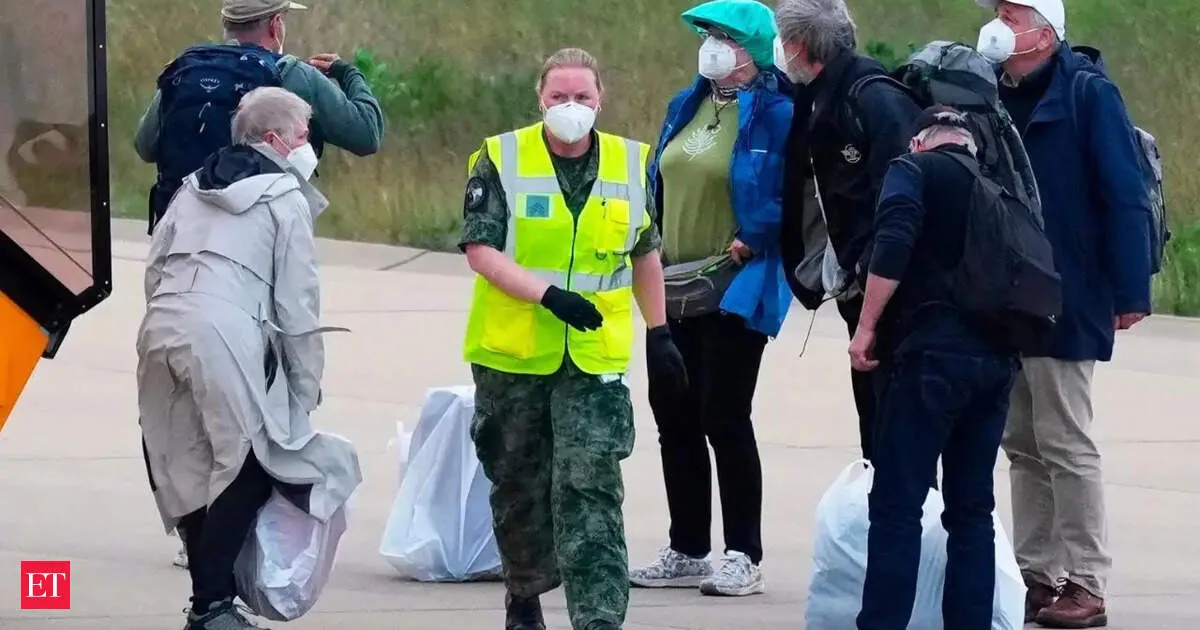
WHO chief Tedros Adhanom Ghebreyesus said containment efforts for a hantavirus outbreak are not over despite evacuations from a cruise ship off Spain’s Canary Islands. More than 120 passengers and crew were flown out after countries followed WHO guidance. He noted no signs of a wider outbreak yet, but warned cases could rise later due to the virus’s long incubation period.
Twelve staff members at Radboud University Medical Center in the Netherlands were placed in six-week precautionary quarantine after handling samples from a patient potentially infected with hantavirus. The case follows an outbreak traced to the MV Hondius cruise ship, with growing worry over the Andes strain spreading beyond its original setting.
The WHO says hantavirus is most infectious at the very start of illness, meaning people can spread it soon after symptoms appear—sometimes even when those symptoms are hard to recognize. That’s why health authorities push for quarantining close contacts early, including on settings like the cruise ship tied to the outbreak referenced in the WHO’s update.
A hantavirus outbreak on a cruise ship has sparked comparisons to Covid 19, but experts stress the virus is different. Human to human spread appears limited, and symptoms can emerge faster than in Covid, which can speed up detection and containment. High mortality and rapid progression make a widespread pandemic far less likely, though public health teams continue close monitoring.
Follow your favourite sources
Track sources, tags and categories — all in the Beige app.
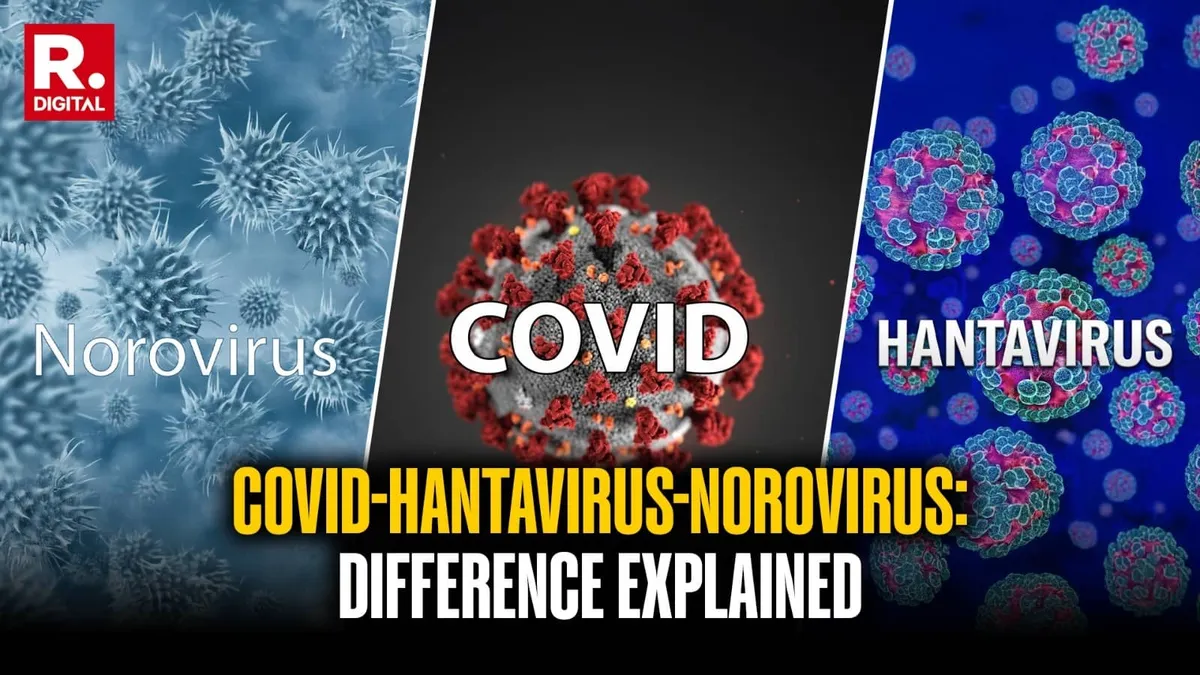
Cruise ships are facing back to back outbreaks, triggering international concern. After the hantavirus tragedy aboard MV Hondius, another vessel reported a major norovirus outbreak, leaving more than 100 passengers ill with the highly contagious stomach infection. Experts say the key differences from COVID-19 lie in symptoms, transmission routes, and risk profiles, including how deadly hantavirus can be.
The World Health Organization says seven passengers on the cruise ship MV Hondius have confirmed Andes hantavirus infections, bringing the total to nine reported cases. Three deaths have been linked to the outbreak. A French passenger evacuated from the ship tested positive, and two additional suspected cases are still under review as health authorities track contacts.
A French passenger and an American evacuee have tested positive for hantavirus after being evacuated from the MV Hondius, a Dutch-flagged cruise traveling around Antarctica. Health officials say three passengers have already died, triggering worldwide concern and coordinated evacuations. It is being treated as the first emergency linked to a cruise ship, raising questions about exposure onboard.
Opening a dusty cabin this weekend may expose you to hantavirus, which rodents carry in their droppings and urine. Dry sweeping or vacuuming can stir contaminated dust into the air, increasing the chance of serious illness. Experts advise ventilating the space, using wet cleaning with disinfectant, and wearing an N95 mask and gloves for heavy contamination.
Stay informed on the go
Bite-sized news from 100+ trusted sources, right in your pocket.
A Dutch-flagged cruise ship outbreak has killed three people, and South Africa reported identifying an Andes strain in two evacuated victims. But a widely shared claim tying hantavirus infection to Pfizer’s COVID-19 vaccine is misleading: experts say the referenced document doesn’t confirm hantavirus as a vaccine side effect, and the cases are explained by exposure risks instead.
A US citizen repatriated from a cruise ship affected by hantavirus has tested mildly positive, the health department says. The passenger is being kept in a biocontainment unit as a precaution while officials arrange transfer. Along with other US evacuees from the Canary Islands, the individual will go to a specialized center in Nebraska for further assessment and care.
Swipe through stories, personalise your feed, and save articles for later — all on the app.