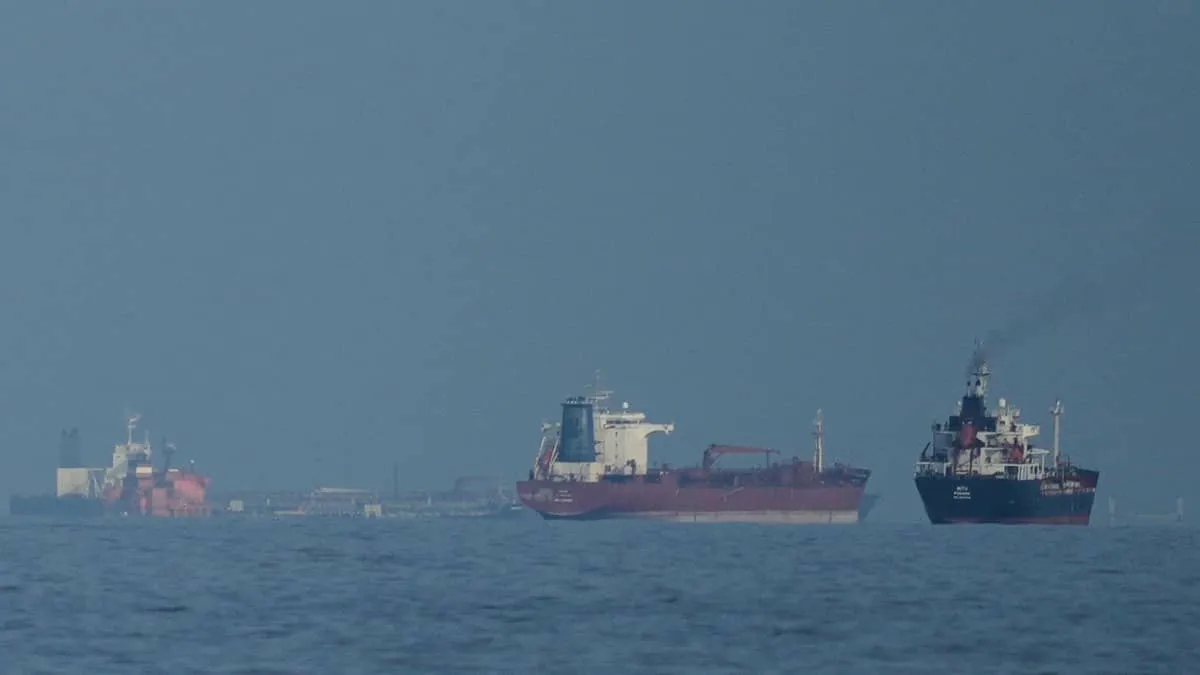
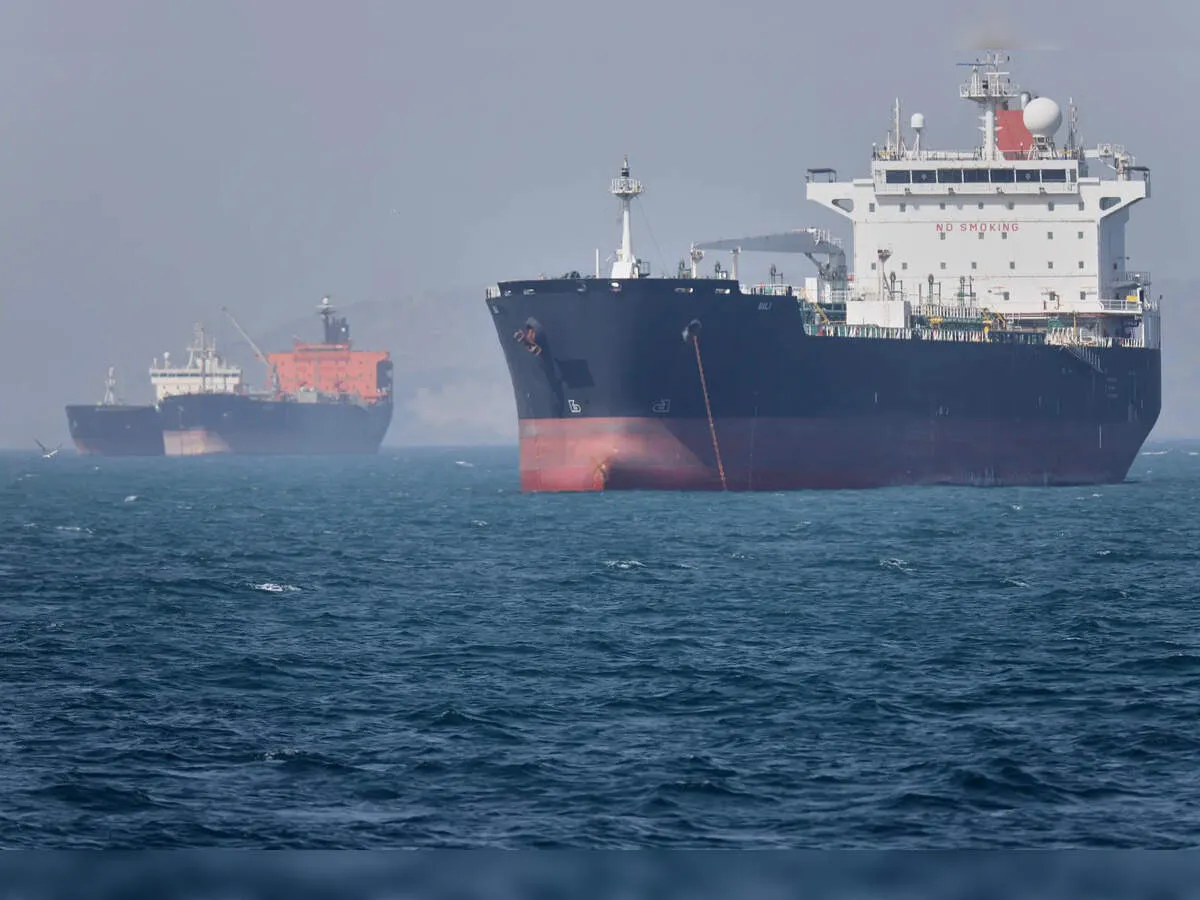
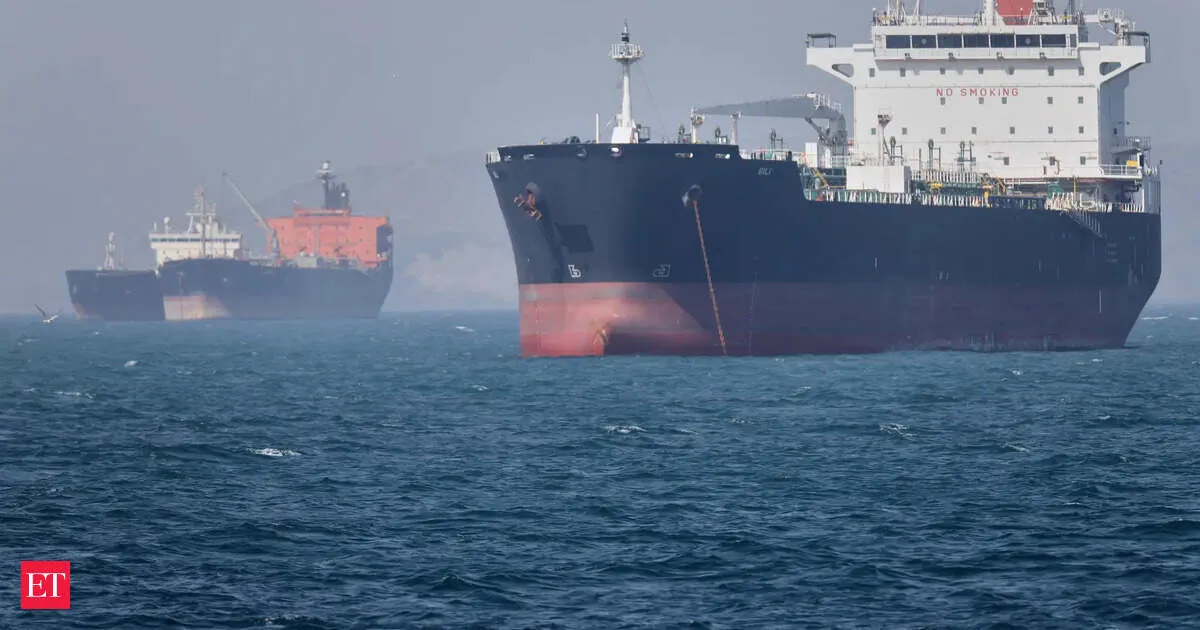
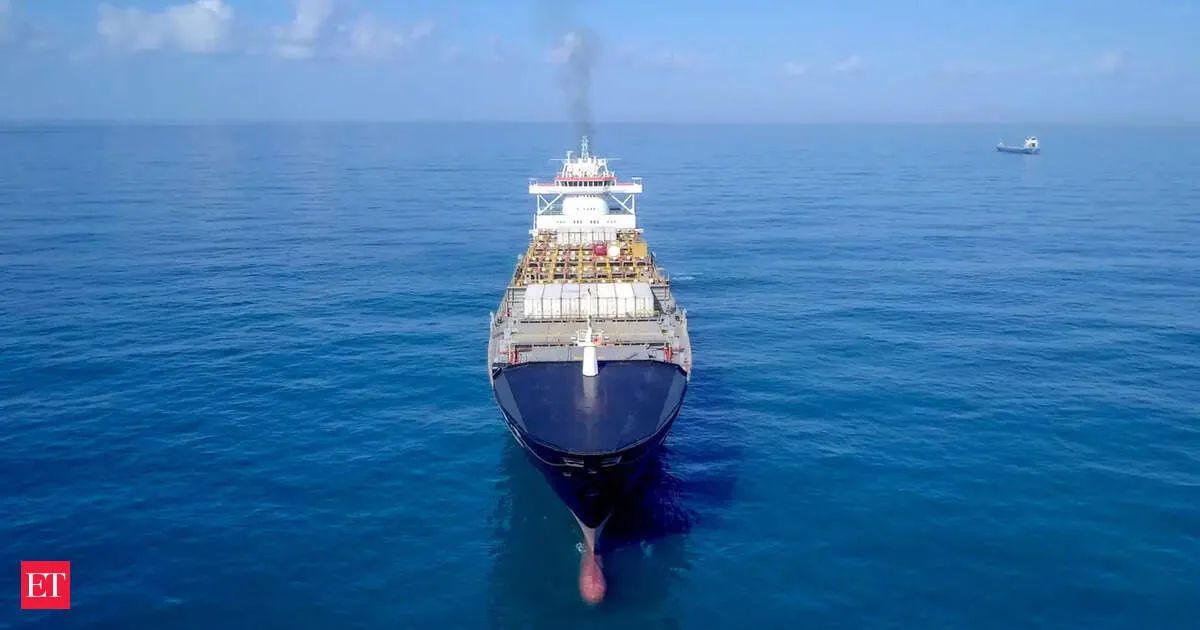
Iran says it will soon launch a designated traffic-management mechanism for the Strait of Hormuz, giving priority to commercial vessels and parties cooperating with Tehran. Iranian officials also say specialised services tied to the plan will require “necessary fees,” while routes will remain closed to operators linked to the “Freedom Project.” The announcement lands as tensions between Iran, the US, and Israel persist and major oil, LPG, and LNG carriers continue cautious transit, sometimes with transponders switched off.
US Central Command says its forces redirected 61 commercial vessels and disabled four more amid a continuing blockade-style standoff in the Strait of Hormuz. The announcement comes as Iran reportedly submitted a 14-point counter-proposal to a US peace plan, while both sides trade threats of retaliation, raising fears of further escalation across the Gulf.
Your news, in seconds
Get the Beige app — every story in 60 words, updated hourly. Free on iOS & Android.
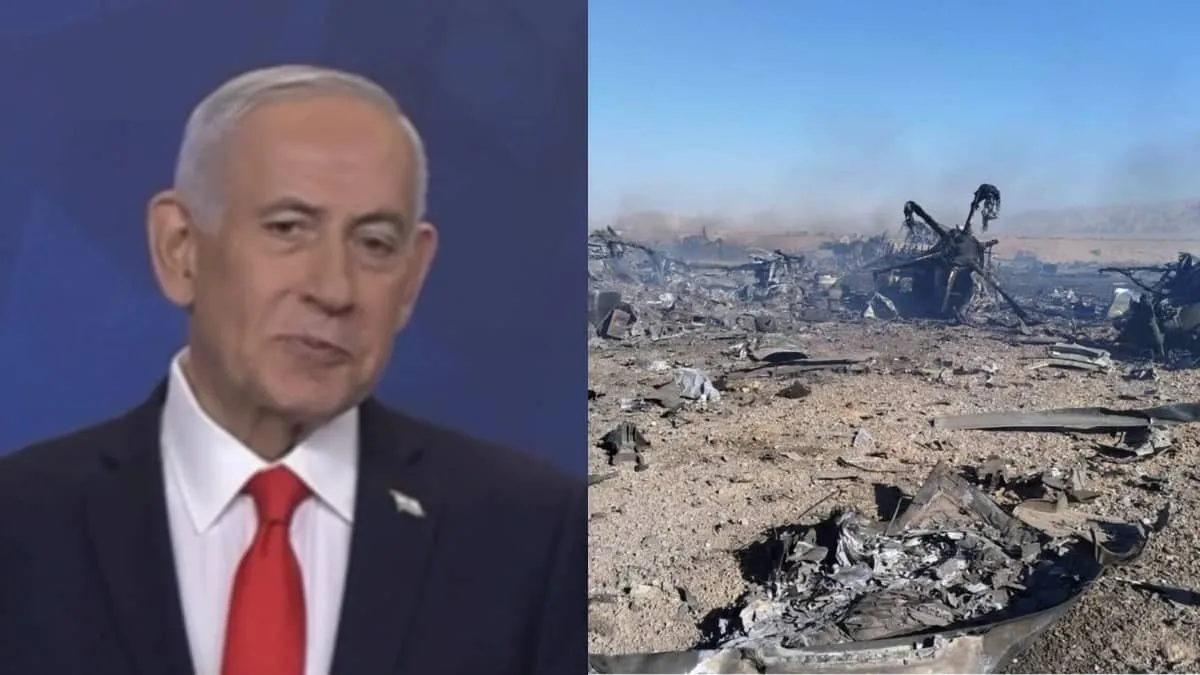
Israeli Prime Minister Benjamin Netanyahu said the Iran confrontation is “not over” despite a US-supported ceasefire, arguing the nuclear threat was degraded but not eliminated. Speaking to CBS News, he urged Iran to remove its near-bomb-grade enriched uranium stockpile and dismantle enrichment sites, warning tensions are rising as US-Iran clashes continue amid Gulf concerns.
Over 20,000 Indian seafarers working across the Gulf and Strait of Hormuz face rising danger as regional tensions intensify. The National Union of Seafarers of India (NUSI) has urged the government to activate urgent evacuation measures, warning that any spillover conflict could strand ships and cut off access to food, medicines, and safe evacuation routes.
Gulf tensions are surging after missile attacks, naval clashes in the Strait of Hormuz, and a reported strike on the Fujairah oil terminal. A UAE official has warned of a possible US or Israeli strike on Iran within 24 hours, suggesting a fast-moving confrontation. The risk to shipping and energy supplies is already rattling global markets and oil prices.
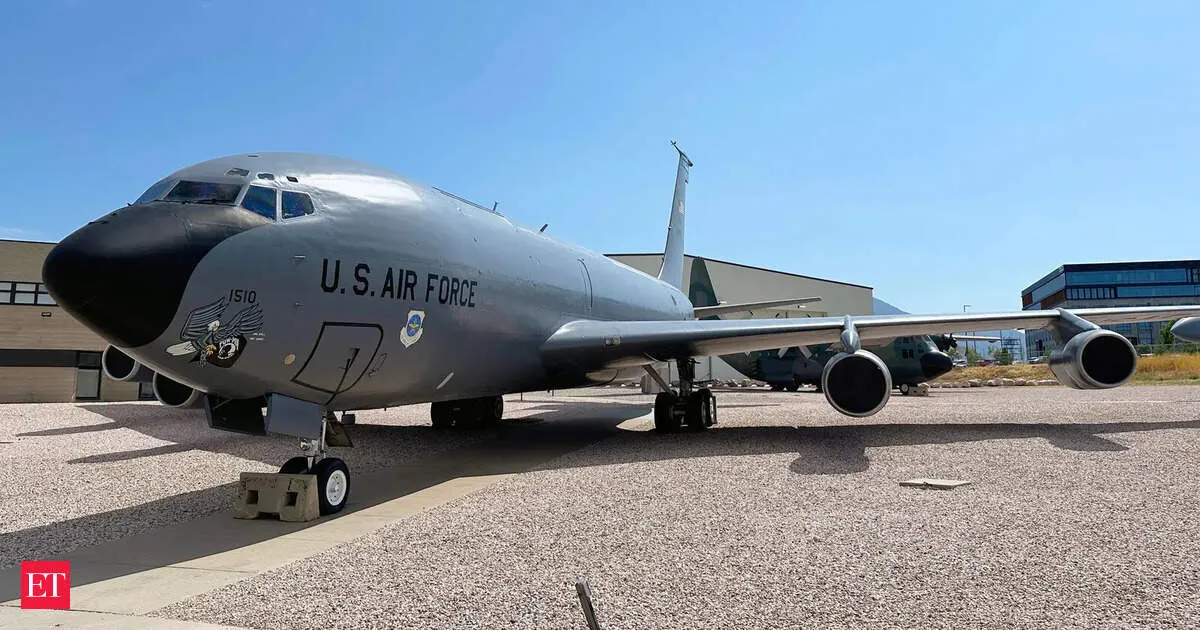
A U.S. Air Force KC-135 Stratotanker disappeared from radar over the Strait of Hormuz, after squawking a 7700 distress code, with its transponder going dark. Despite flight tracking evidence, there is no debris, no official crash report, and no public statement from U.S. Central Command. The incident comes as Gulf tensions rise and could disrupt critical aerial operations.
Never miss a story
Set alerts for the topics and sources you care about. Download Beige for free.
The Indian rupee slid to a fresh record low of 95.39 per USD following US and Iranian strikes in the Gulf. Markets reacted with renewed caution, with investors focusing on how higher energy costs could worsen India’s import bill and economic outlook. Other Asian currencies also weakened, underscoring the regionwide stress around oil prices.
Shipping Corporation of India is reportedly considering starting services to West Asia to move stranded cargo amid Gulf tensions that have disrupted vessel movement. The plan comes as India deals with the situation of roughly 19,500 Indian seafarers in the Middle East, some reportedly unwilling to return. India is coordinating with Iran to help enable safe passage.
BMW India says uncertainty from rising Gulf tensions is changing what high-net-worth customers prioritize, with many postponing major purchases—especially luxury cars. With fuel prices expected to climb, buyers are increasingly weighing electric vehicles for longer-term savings. The shift signals a cautious mood among affluent consumers and a potential acceleration in EV interest.
Swipe through stories, personalise your feed, and save articles for later — all on the app.