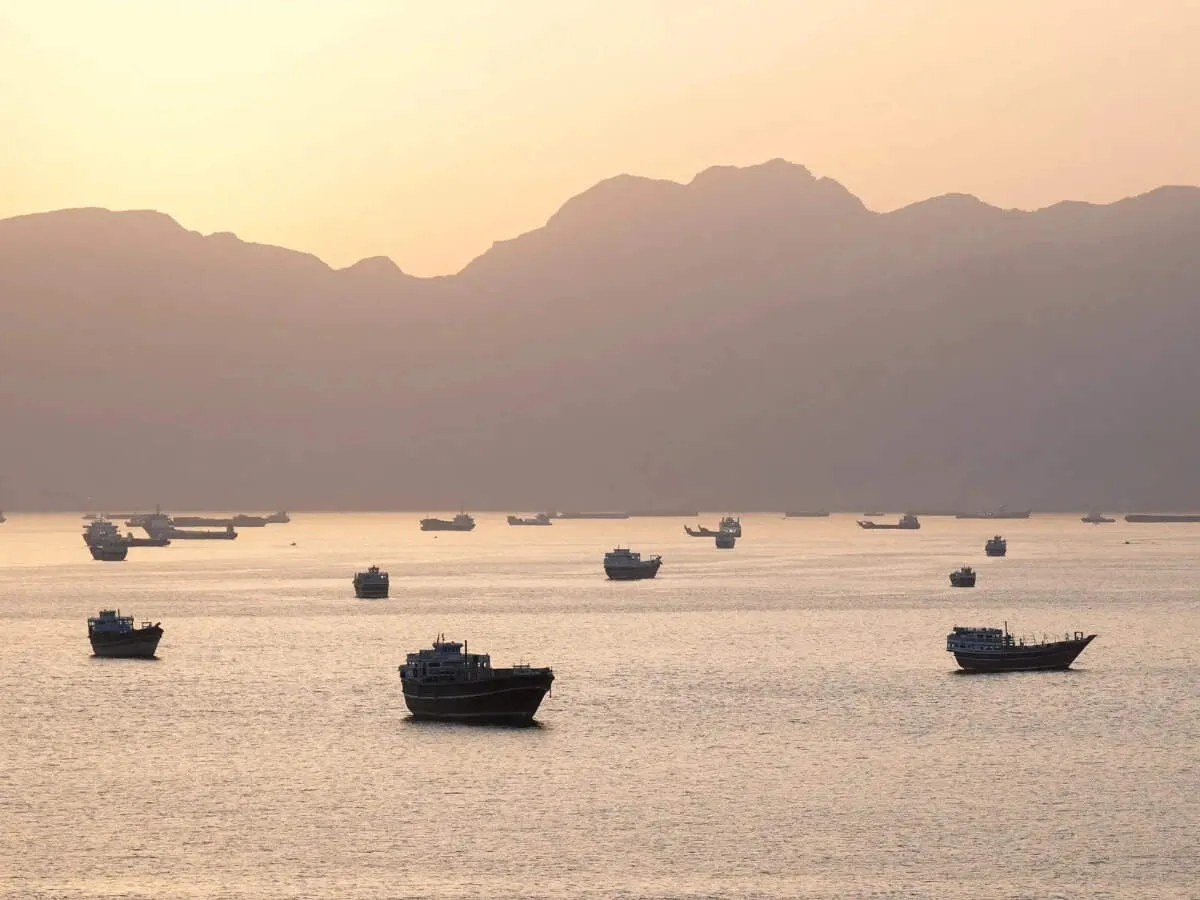
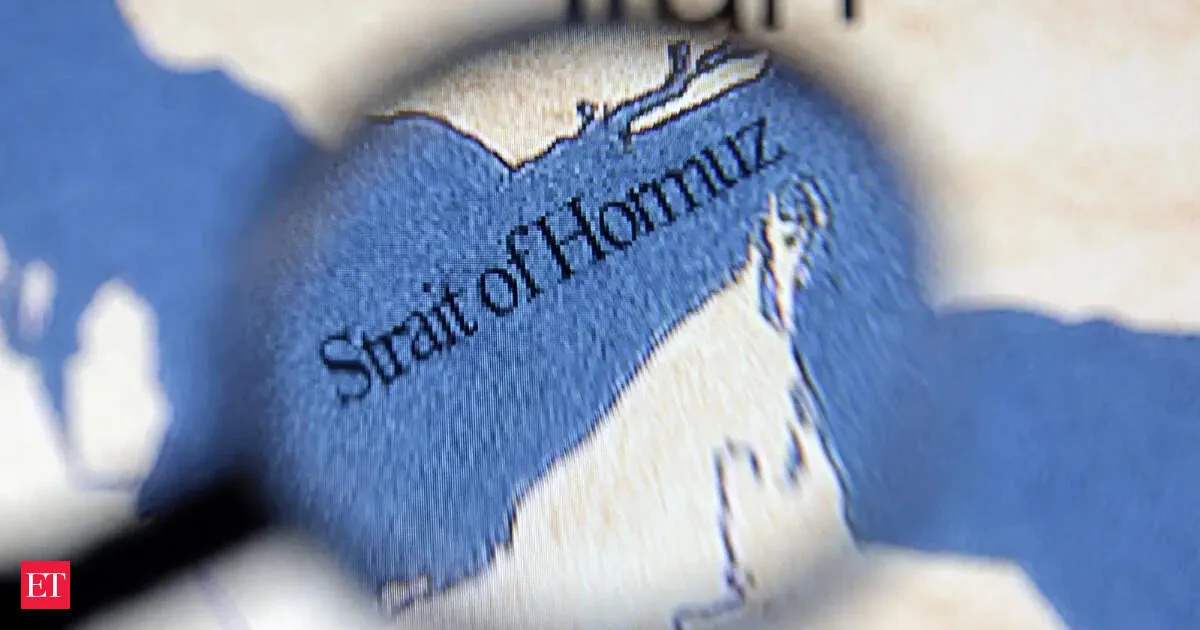
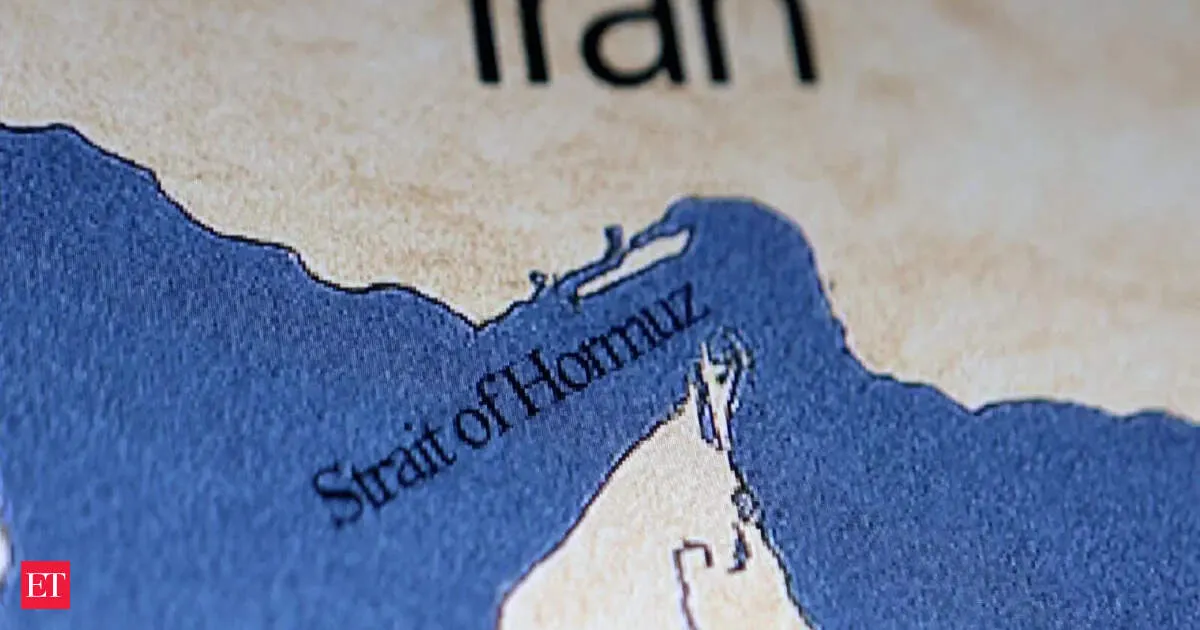
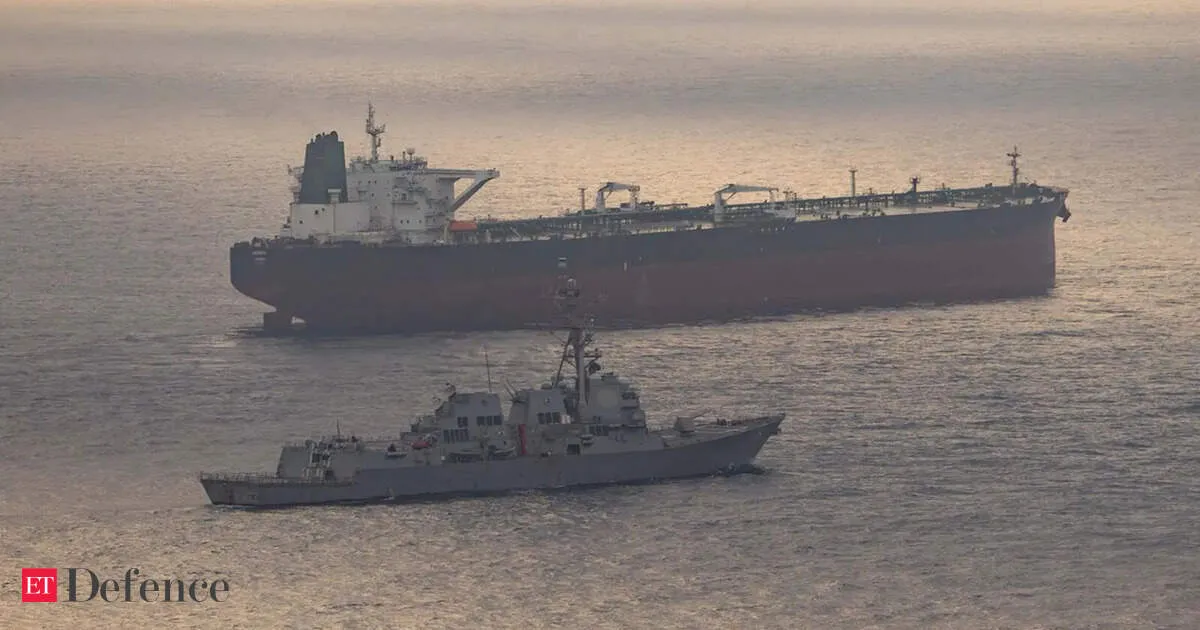
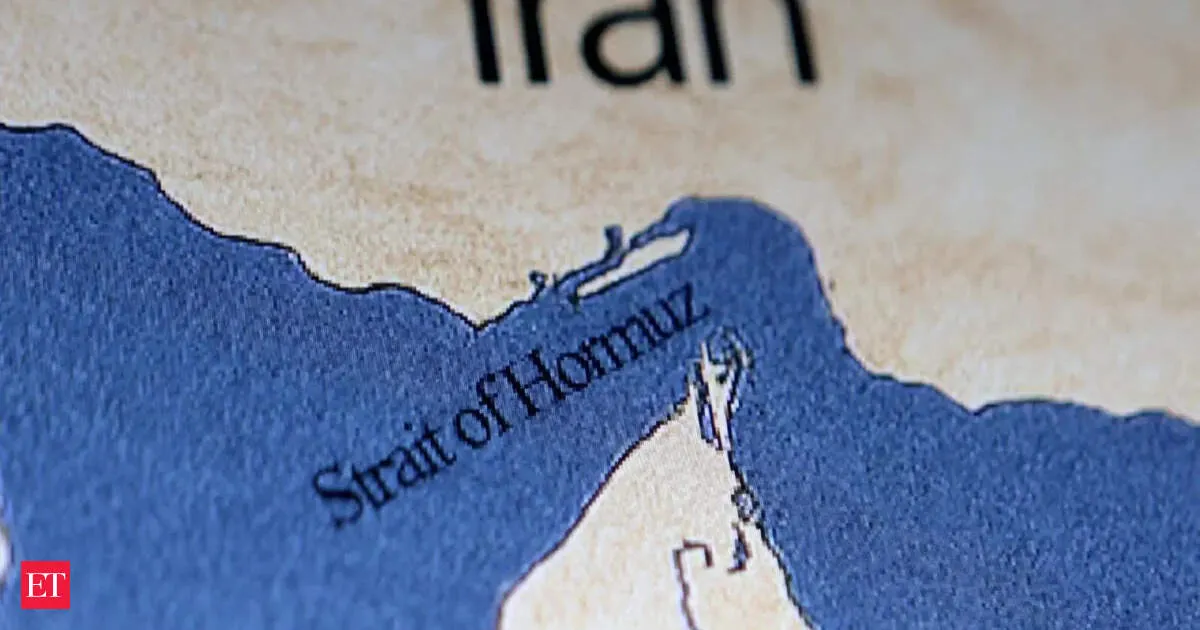
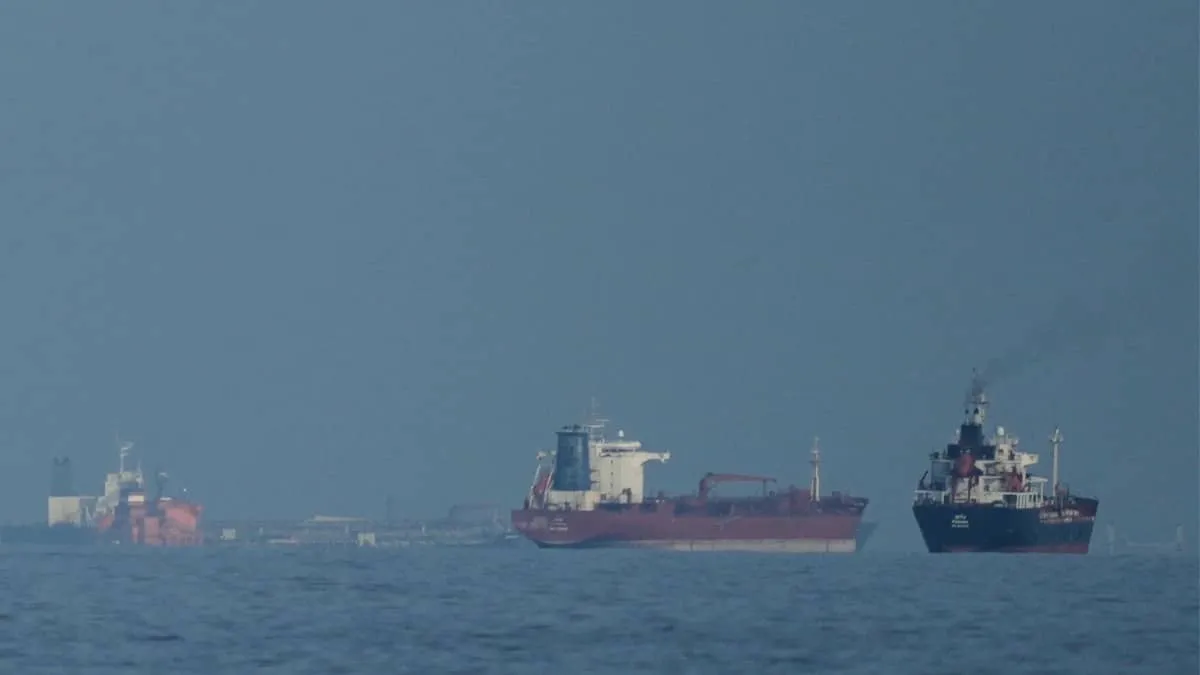
A fragile ceasefire in the Gulf is under pressure as renewed US-Iran tensions threaten to flare again around the Strait of Hormuz. Any clash could swing the situation between an outright wartime scenario and a prolonged “cold war” standoff—while the biggest immediate risk is disruption to global markets and energy flows.
A Gulf shipping standoff is intensifying global supply chain disruption, with international conflicts further squeezing movement of goods. For smallholder farmers, this translates into essential farming inputs like fertiliser and seeds becoming scarce and pricing rising beyond affordability. The result threatens yields and food security, especially in the most vulnerable farming communities already facing thin margins.
Your news, in seconds
Get the Beige app — every story in 60 words, updated hourly. Free on iOS & Android.
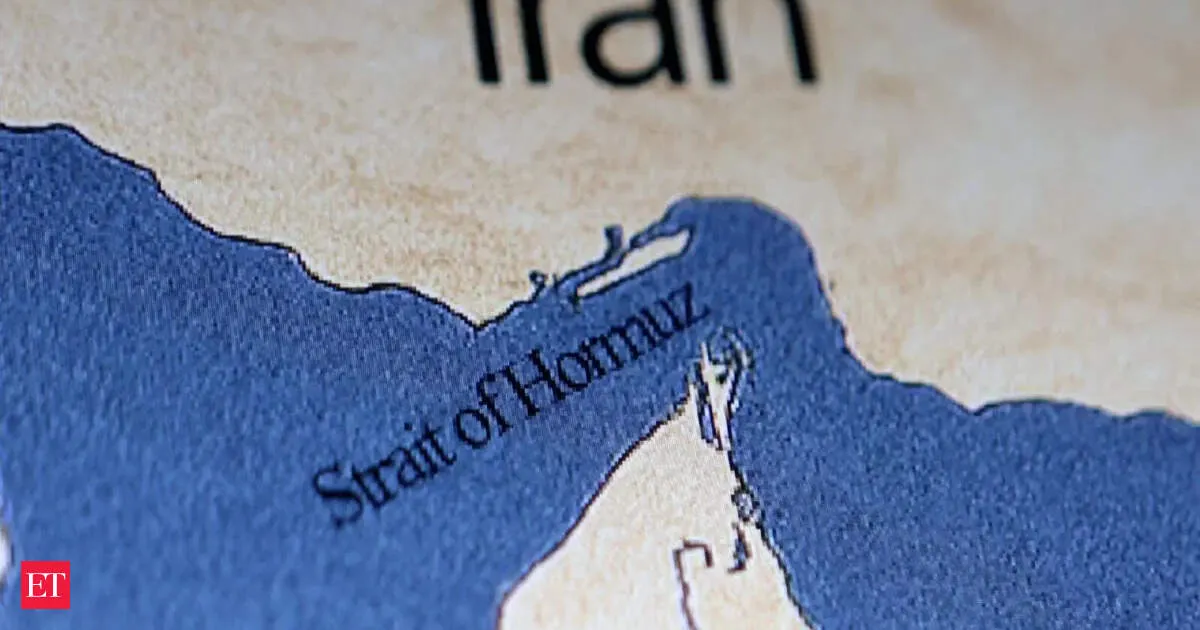
Iran now controls passage through the Strait of Hormuz, a move that could persist long after the present conflict ends. Gulf exporters and buyers fear Iran could dictate oil and gas flows, raising price and supply risks. The United States is pushing back against the shift, while the wider region watches to see who gains lasting control of the world’s key chokepoint.
Dubai’s once-strong pitch as a safe financial haven is taking a hit. Regional conflict fears are disrupting transactions, slowing IPO activity and leaving billions in deal value stuck. Even Dubai’s property market and flagship projects are seeing delays and higher costs, pushing investors to demand tougher risk premiums and reassess exposure across the Gulf.
Indian banks are tightening their exposure to Gulf markets as the Iran crisis drags on. Several lenders, including SBI and Punjab National Bank, are pausing fresh business in the region while monitoring existing relationships. The strategy is aimed at limiting financial fallout, managing cross-border risk, and protecting stability in international operations until the situation becomes clearer.
U.S. and Iran talks to cool their conflict have stalled as renewed clashes flare in the Gulf. A U.S. intelligence assessment says Tehran could withstand a naval blockade for months. Iran meanwhile claims the U.S. breached a ceasefire. The U.S. has also announced fresh sanctions targeting individuals and companies supporting Iran’s military.
Never miss a story
Set alerts for the topics and sources you care about. Download Beige for free.
GCC-based NRIs are cutting back on Indian real estate and increasing allocations to equities and other financial assets. The shift is being driven by geopolitical uncertainty and a growing preference for structured, disciplined investing strategies. Even with lingering concerns, Indian equities are gaining traction as the go-to option for wealth creation.
The US and Gulf Arab nations are preparing a new UN Security Council draft resolution condemning Iran for actions affecting the Strait of Hormuz. After an earlier effort was blocked by Russia and China, the new text reportedly targets Iran’s mining of waterways and seeks measures that would impose tolls. The push adds fresh friction around a vital global shipping route.
Iran has reportedly kept most shipping through the Strait of Hormuz halted for over two months, allowing only its own vessels to move. The U.S. then imposed its own blockade of ships from Iranian ports last month. Now Iran officials claim plans for reopening the corridor, raising questions over timing, conditions, and whether trade routes will normalize.
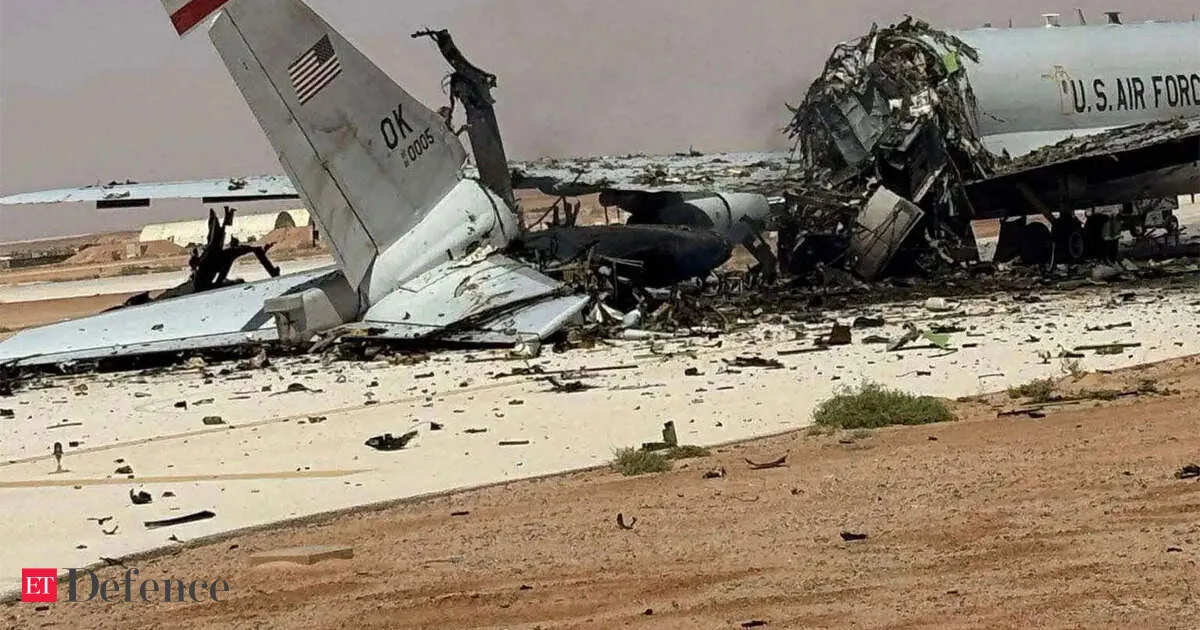
Iran has reportedly inflicted significant damage on US military bases across the Gulf, with Kuwait and Qatar drawing particular attention. Reports say key assets—including aircraft and radar systems—were hit, exposing a fresh vulnerability for American installations. Troops reportedly evacuated positions, while Iran’s improved satellite capabilities are cited as a factor in the strikes.
Reading on mobile?
Open Beige in the app for a smoother experience — free on iOS and Android.
India’s remittance inflows, pegged at about $138 billion, are becoming more shock-resistant as sending networks diversify. Advanced economies are increasing their contribution and moving ahead of Gulf-linked remittances, strengthening India’s economic cushion even as regional conflicts pose near-term risks. The result: a more fortified external financing base than before.
Air India Express is expanding its West Asia network starting April 30, 2026, restoring services to Qatar and Bahrain while increasing flights to the UAE, Oman, and Saudi Arabia. The carrier will operate over 40 daily services, reopening convenient links for travelers across multiple Indian cities to major Gulf destinations.
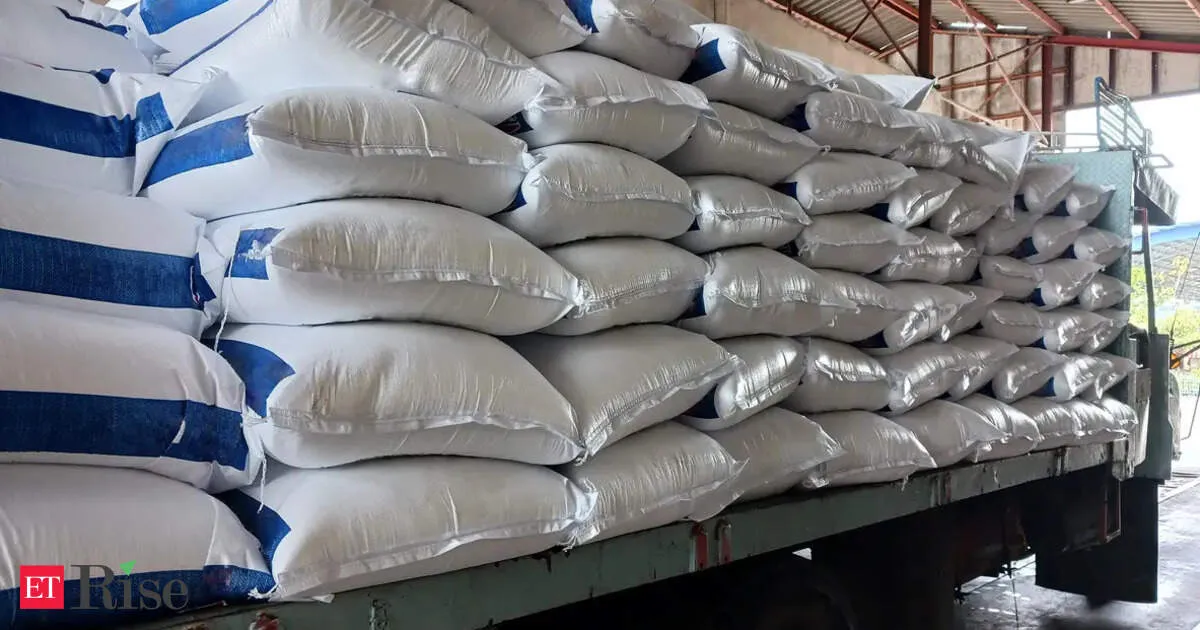
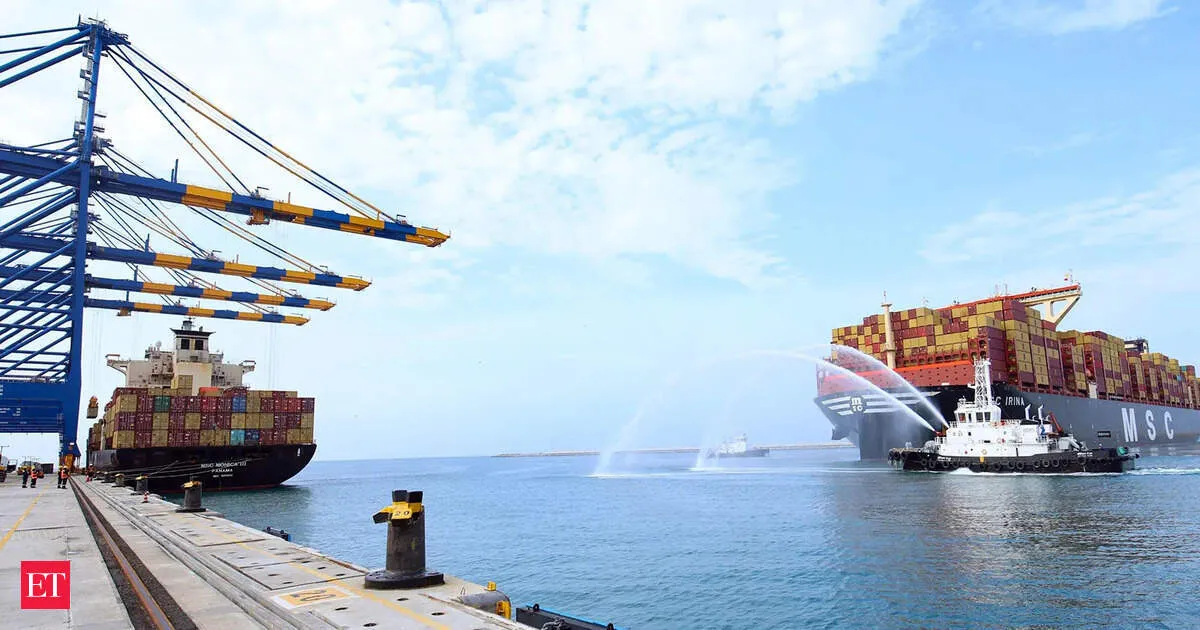
Urea output in the Gulf has dropped, while fertilizer ships face delays in finding safe routes, tightening supply chains. Officials and traders are trying to secure alternative shipping paths for essential goods. The combined impact could worsen food inflation if fertilizer shortages reduce crop inputs and slow seasonal planting.
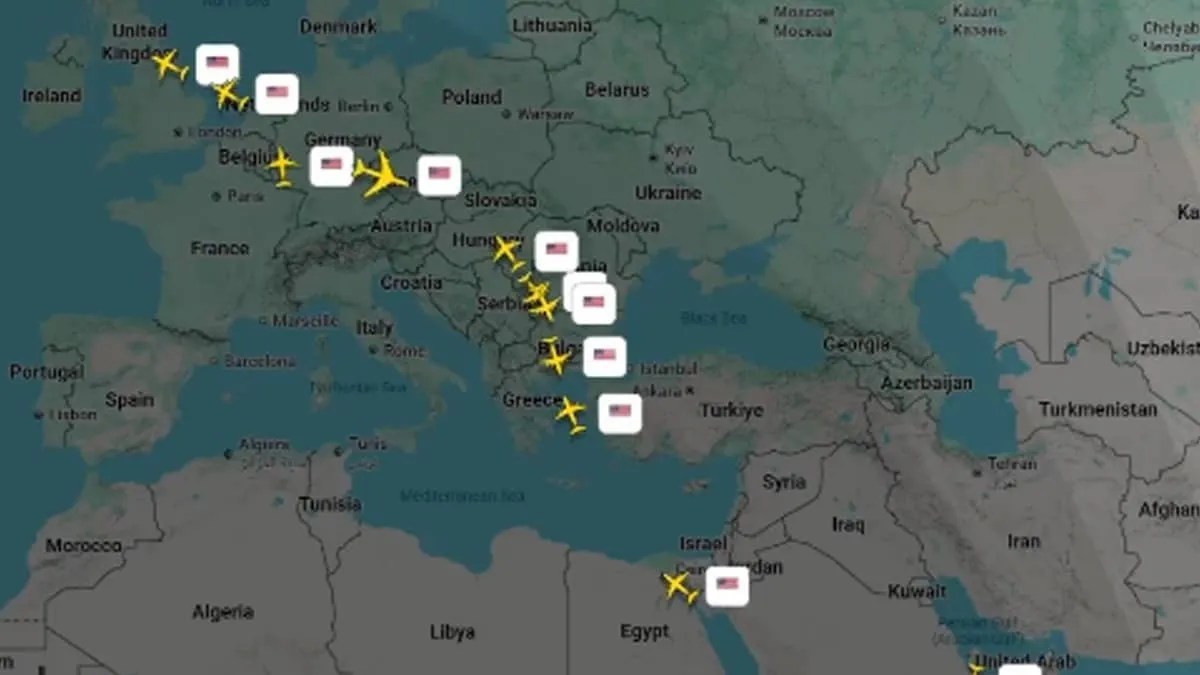
New video and flight-tracking data indicate a sustained US airbridge is delivering cargo planes, personnel, and military equipment to bases in the United Arab Emirates and Qatar over the past 48 hours. The surge, particularly around Al Dhafra Air Base, is being framed as a readiness and advance force mobilisation, prompting scrutiny of what it signals for Gulf operations.
Follow your favourite sources
Track sources, tags and categories — all in the Beige app.
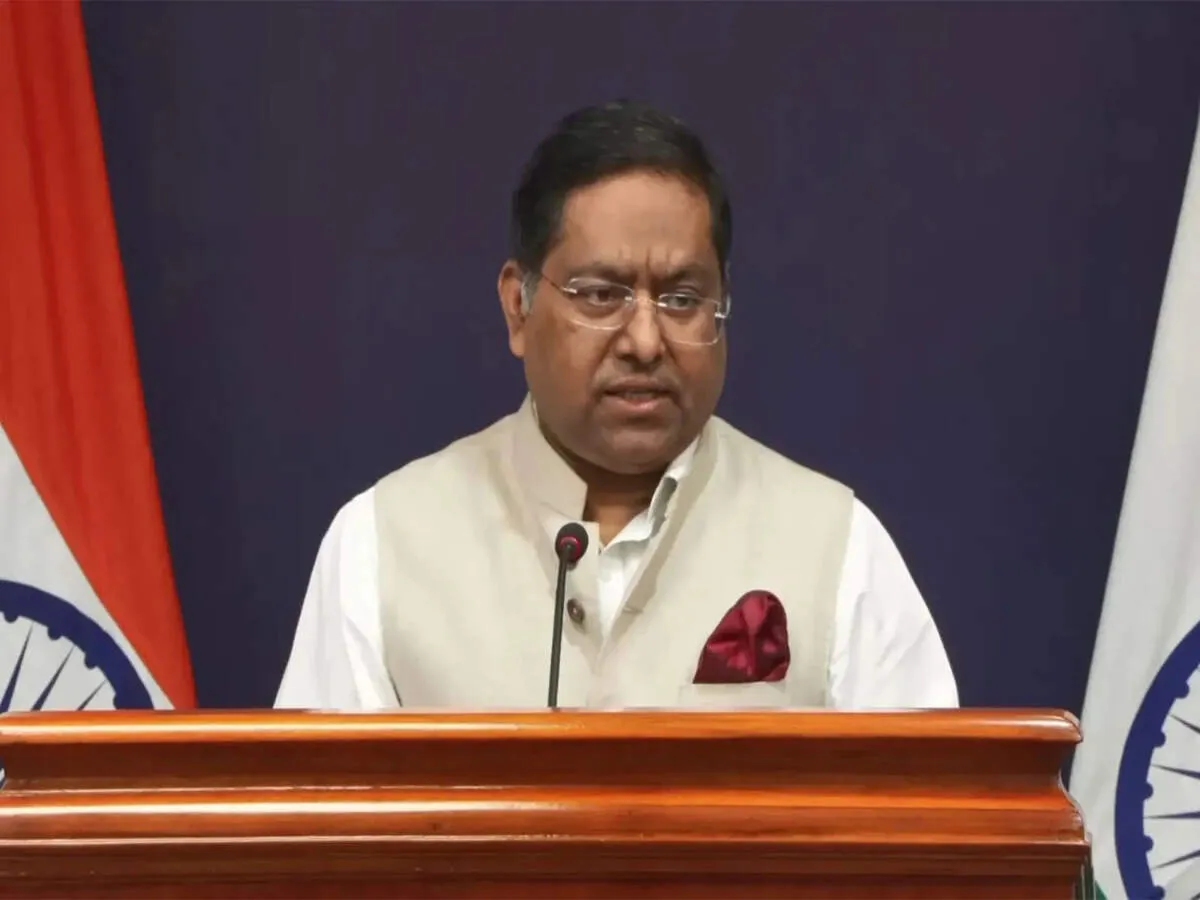
India’s Ministry of External Affairs has intensified monitoring across the Gulf and West Asia, focusing on the safety, security and welfare of Indian nationals. Indian missions are maintaining round-the-clock contact with citizens and coordinating closely with local authorities to respond quickly to emerging challenges as the situation develops.
Iran warned the United States that it will deliver a decisive response if Washington continues what Tehran calls “blockade, piracy, and maritime robbery” in the Gulf, especially near the Strait of Hormuz. The warning, reported by Iranian state media Press TV, escalates rhetoric around maritime security and signals potential retaliation if tensions rise.
Goldman Sachs says Gulf crude output may rebound quickly once the Strait of Hormuz reopens, with a possible recovery within months. Still, a full return to pre-war levels could take longer as ramp-up depends on pipeline capacity, available tankers, and field workovers. A longer closure could also cause lasting “capacity scarring,” delaying normalization.
Gulf states are stuck between war and peace as the Strait of Hormuz blockade slashes energy exports and forces costly infrastructure repairs. Stalled US-Iran talks are putting economic recovery and diversification plans at risk, while analysts say the region struggles to shape Washington’s decisions. Reports of unpaid leave and salary cuts add pressure as about half of Gulf countries forecast contraction.
Stay informed on the go
Bite-sized news from 100+ trusted sources, right in your pocket.
India is continuing repatriation operations from West Asia and the Gulf as the security situation evolves, with officials confirming that more than 2,500 Indian seafarers are being brought back. The DG shipping control room, activated to manage coordination, has reportedly received 6,918 calls and 14,605 emails, with safety prioritized across locations.
India’s steady remittance inflows from Gulf nations are at risk as the Iran conflict drags on. Economies such as Kerala and Maharashtra, which rely heavily on these funds, could feel the squeeze through weaker earnings and employment. While business activity looks stable for now, a prolonged fight may translate into job losses for laborers and lower income for professionals across sectors tied to Gulf demand.
Swipe through stories, personalise your feed, and save articles for later — all on the app.