The GST Appellate Tribunal (GSTAT) has overhauled how GST appeals are processed, requiring pending and new cases to be reviewed by a division bench before assignment to a single bench. The rule targets disputes involving significant legal questions, aiming for consistent rulings and faster resolution. Cases under ₹50 lakh without legal issues may go straight to a single bench, but only with president or vice-president approval, and any later legal question forces referral back to the division bench. GSTAT also categorized disputes into three hearing tracks and set bench rosters with virtual, hybrid and circuit options across states and UTs.
Flipkart’s attempt to escape GST on delivery charges via a goods transport agency structure has been rejected by the West Bengal Appellate Authority for Advance Ruling. The WBAAAR said the model was contractual “legal fiction” rather than a real transport transaction, putting the doorstep delivery flow squarely under 18% GST. The decision could reshape tax strategies for ecommerce and quick commerce.
Your news, in seconds
Get the Beige app — every story in 60 words, updated hourly. Free on iOS & Android.
Across India, bridal jewellery counters are seeing a sharp surge as customers rush to finalize purchases earlier than planned. Jewellers link the spike to growing uncertainty after austerity messaging from PM Narendra Modi and fears that import duties or GST on gold could rise. For many shoppers, gold’s cultural weight and potential price jumps outweigh waiting.
Flipkart’s attempt to avoid GST on delivery charges by positioning itself as a Goods Transport Agency has been rejected by the West Bengal Appellate Authority. The panel ruled that Flipkart’s structure was a “legal fiction” rather than a genuine GTA service, citing its highly organized logistics setup, which the authority said did not qualify for the proposed GST treatment.
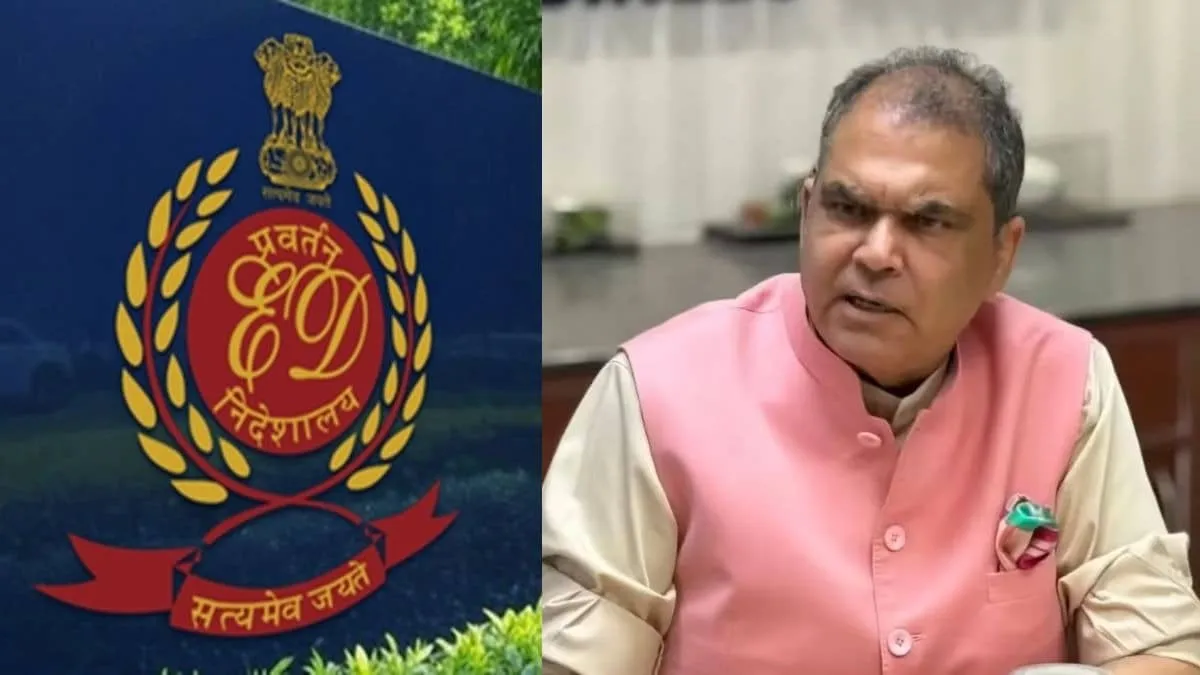
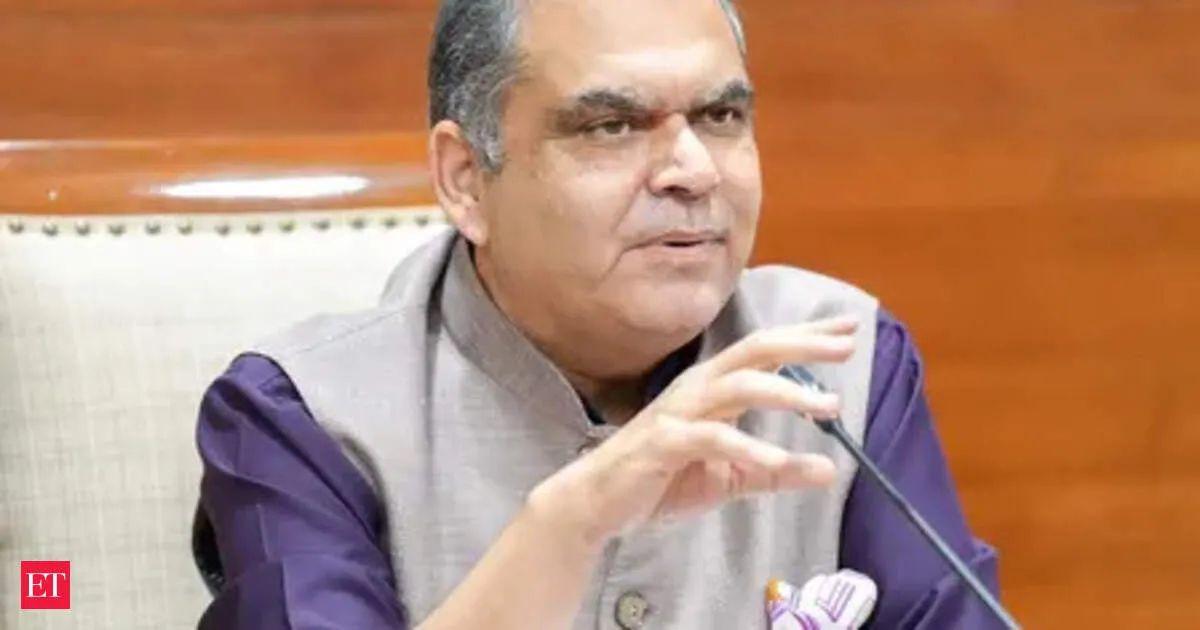
A Gurugram sessions court granted a seven-day ED remand to Punjab Minister Sanjeev Arora after his arrest in a Rs 100 crore money laundering case tied to alleged fraudulent GST transactions. The Enforcement Directorate had sought a 10-day remand following multiple raids, but the court decided on a shorter custody period as the probe continues.
The Enforcement Directorate has arrested Punjab minister Sanjeev Arora in a Rs 100 crore money laundering case tied to alleged fraudulent GST transactions. Officials said the arrest comes in connection with an ongoing investigation involving suspected fake or improper tax-related dealings. The ED is expected to continue probing the case’s financial trail and links to others involved.
Never miss a story
Set alerts for the topics and sources you care about. Download Beige for free.
If you miss GST return deadlines, your registration may be suspended, even for relatively short delays. A 2022 amendment changed enforcement by giving authorities greater flexibility, moving away from a strict six-month non-filing requirement. Businesses report disruptions as they try to resolve notices, with experts urging clearer timelines and stronger appeal guidance to limit uncertainty.
The Supreme Court will examine whether GST applies when companies pay municipal bodies for restoring roads after utility work. It comes after a Gujarat High Court ruled these reimbursements are not taxable services. Now the apex court has asked Torrent Power to respond to a GST department appeal challenging that interpretation.
Vehicle sales rose 13 percent to 2.61 million units last month, delivering the best-ever April for most categories. Analysts attribute the jump to strong rural demand, GST benefits and easier financing with lower interest rates. With the new financial year starting on a firm note, experts expect the momentum to carry forward for the retail auto market.
India’s auto sector logged strong year-on-year growth in April, overcoming a sequential dip blamed on high March bases and earlier supply disruptions. Maruti Suzuki gained month-on-month, buoyed by GST benefits and broad demand. Tractor and two-wheelers stayed firm, but auto ancillaries face margin pressure as commodity costs rise, with tougher FY27 conditions looming.
Reading on mobile?
Open Beige in the app for a smoother experience — free on iOS and Android.
India kicked off the new fiscal year with a broad-based consumption lift despite West Asia war tremors. April GST collections hit a record, passenger car sales rose sharply, and UPI-driven digital transactions expanded strongly. Together, these indicators point to resilient consumer and spending momentum, suggesting limited immediate fallout from the conflict—at least for now.
Maruti Suzuki expects double digit growth in FY27, driven by firm domestic demand that is currently outstripping supply. The automaker is expanding production capacity to clear pending orders, while recent GST cuts and lower interest rates continue to support sales. To reduce geopolitical risk from West Asia tensions, it is also diversifying its export markets.
Indian carmakers kicked off FY27 with a strong jump in passenger vehicle sales in April. Maruti Suzuki, Hyundai, and Kia posted standout performances, pulling domestic sales higher. Analysts attribute the uptick to policy and financial tailwinds including GST 2.0, repo rate cuts, and income tax relief, signaling a promising beginning for the auto sector.
India’s GST collections kicked off the new fiscal year with a standout performance. April 2026 receipts rose 8.7% year-on-year to an all-time high of ₹2.43 lakh crore, according to the Ministry of Finance. The jump points to resilient domestic consumption and benefits from technology-led anti-evasion measures, even as global markets face energy-linked uncertainty.
Follow your favourite sources
Track sources, tags and categories — all in the Beige app.
India’s gross GST collections hit a record Rs 2.42 lakh crore in April, rising 8.7% year-on-year. The month’s jump points to steady economic momentum, with a notable contribution from higher import revenues. The scale of collections adds another signal to monitor how consumption, trade, and compliance are shaping monthly tax receipts.
Indians are increasingly choosing health insurance policies worth ₹1 crore or more as medical bills rise and awareness grows. Insurers say demand is accelerating because customers are willing to pay higher premiums for higher payouts, with GST-related pricing changes making larger cover options more accessible and easier to shop for.
The Bombay High Court has quashed a proposed Rs 1,524 crore GST demand against Tata Sons in the NTT Docomo arbitration payout case. The court ruled that payments made as an arbitral award do not amount to a taxable “supply of service”, rejecting the GST authority’s show cause notice and holding the levy unjustified.
The Delhi High Court has stayed a GST appellate tribunal order requiring Tata Play to deposit ₹450 crore for alleged profiteering. The tribunal found Tata Play did not pass on benefits of reduced tax incidence to consumers even after getting additional input tax credit. Tata Play has challenged the conclusion, arguing that no such benefit was due. The matter will be heard further.
Stay informed on the go
Bite-sized news from 100+ trusted sources, right in your pocket.
Global consumer brands are upbeat about India again, with companies including Mondelez, Coca-Cola, Pernod Ricard, Reckitt Benckiser and Carlsberg posting double digit growth in the March quarter. The rebound follows recent volatility, and the article points to recent GST changes as a key boost to consumption. India remains a top growth market for these international firms.
Value commerce platform Meesho is contesting a Rs 14.29 crore Goods and Services Tax demand over alleged failure to collect tax at source (TCS) on specific seller transactions. The cases span October 2018 to March 2020. Meesho says the demand is unsustainable and without merit, even as the GST Appellate Tribunal raised the tax call.
Swipe through stories, personalise your feed, and save articles for later — all on the app.