Sindhuja Microcredit has raised a $5 million funding round led by overseas investors Abler Nordic along with Gawa Capital and Oikocredit. The fresh capital will strengthen the company’s capital base and support expansion plans. By the end of March, the microfinance lender’s gross loan portfolio reached Rs 1080 crore, underlining its growing scale.
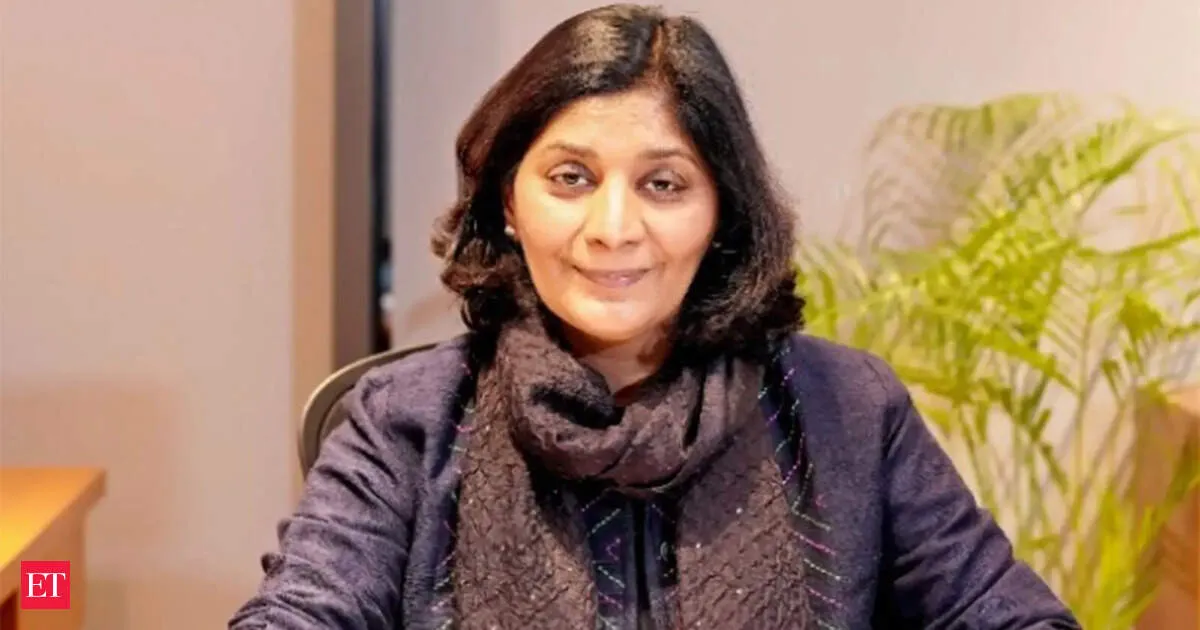
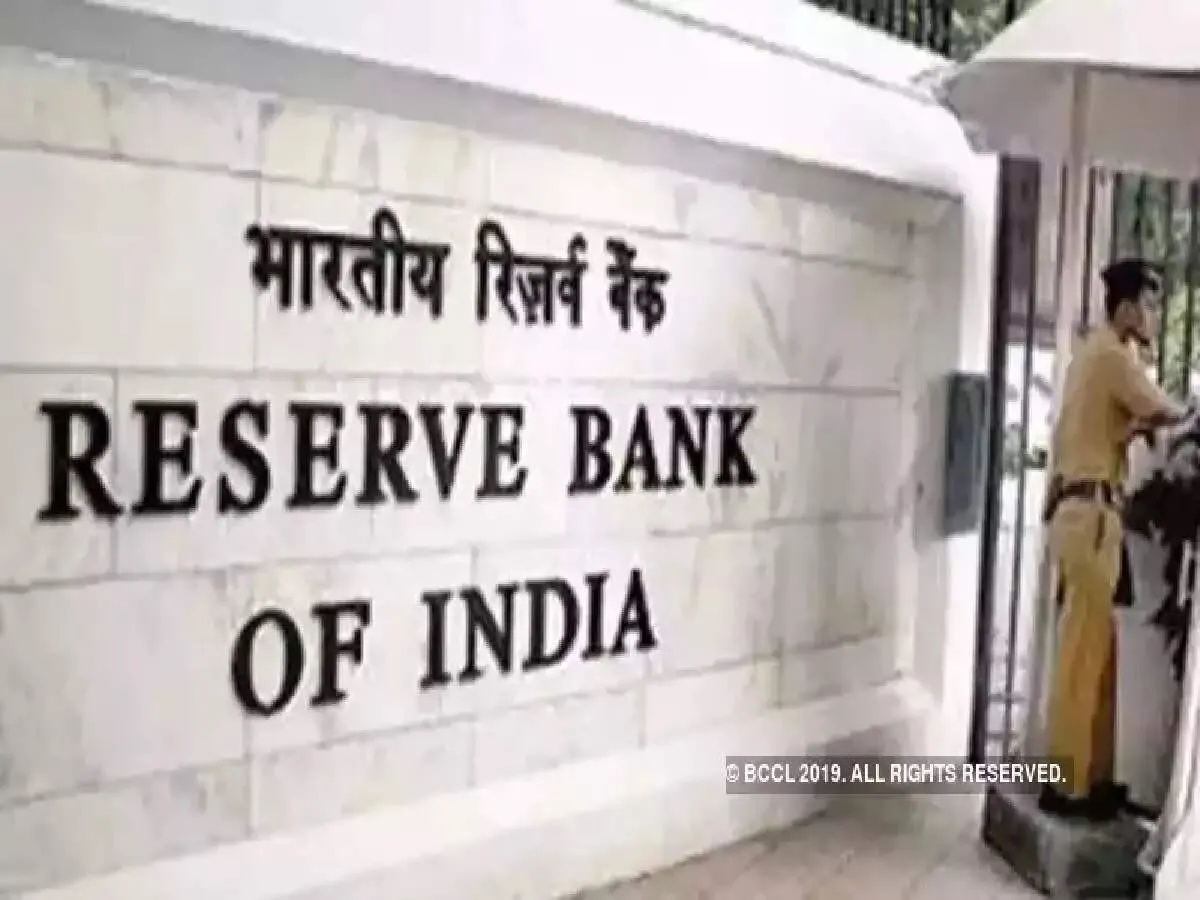
RBI Deputy Governor Poonam Gupta said India could consider lowering its inflation target and narrowing the tolerance band, but only if robust growth and stable inflation persist over the next five years. Still, ongoing global shocks might force the central bank to keep the current flexibility. The final call will follow changing economic conditions.
Your news, in seconds
Get the Beige app — every story in 60 words, updated hourly. Free on iOS & Android.
The US economy grew at a modest 2% annual pace in the first quarter of 2026, rebounding from a weak 0.5% expansion following a federal shutdown. Government spending jumped, and business investment rose 8.7%, partly powered by artificial intelligence. But consumer spending slowed to 1.6%, leaving the growth mix mixed going into what may be a volatile period.
Crisil expects the RBI’s Monetary Policy Committee to keep interest rates unchanged this fiscal year, with downside growth risks outweighing inflation worries. Producers may see higher costs, but consumer price pressures remain contained. The government’s push to trim the fiscal deficit could raise market borrowing, while the current account deficit is projected to widen.
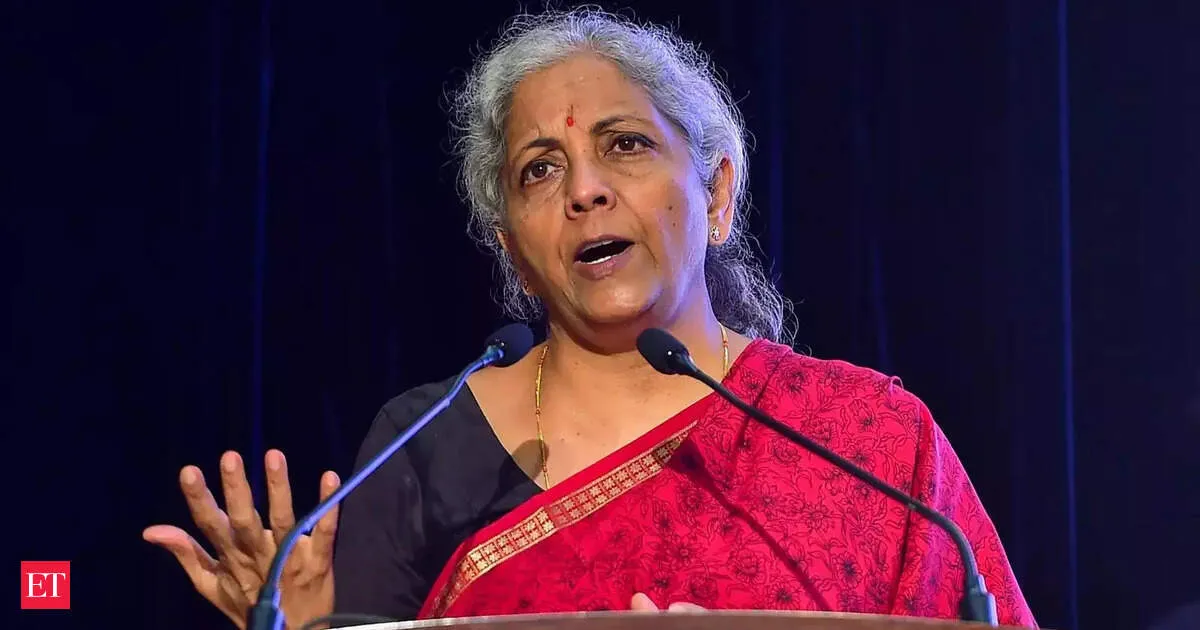
Finance Minister Nirmala Sitharaman said the debate on freebies matters because it shapes future growth. She claimed the government has “contained the leaky bucket” process using technology so beneficiaries receive the full amount, not just a fraction. Speaking in Kakinada, she also urged removing taxes hurting exports, saying the new export policy will offer incentives to exporters.
In a sharp message, the RBI argued that weak growth can’t be blamed on monetary policy alone. It pointed to its decision to avoid cutting rates by 35 bps or more, signaling that liquidity availability is not the binding constraint on growth. The stance seeks to limit the idea that more monetary easing would automatically translate into stronger economic performance.
Never miss a story
Set alerts for the topics and sources you care about. Download Beige for free.
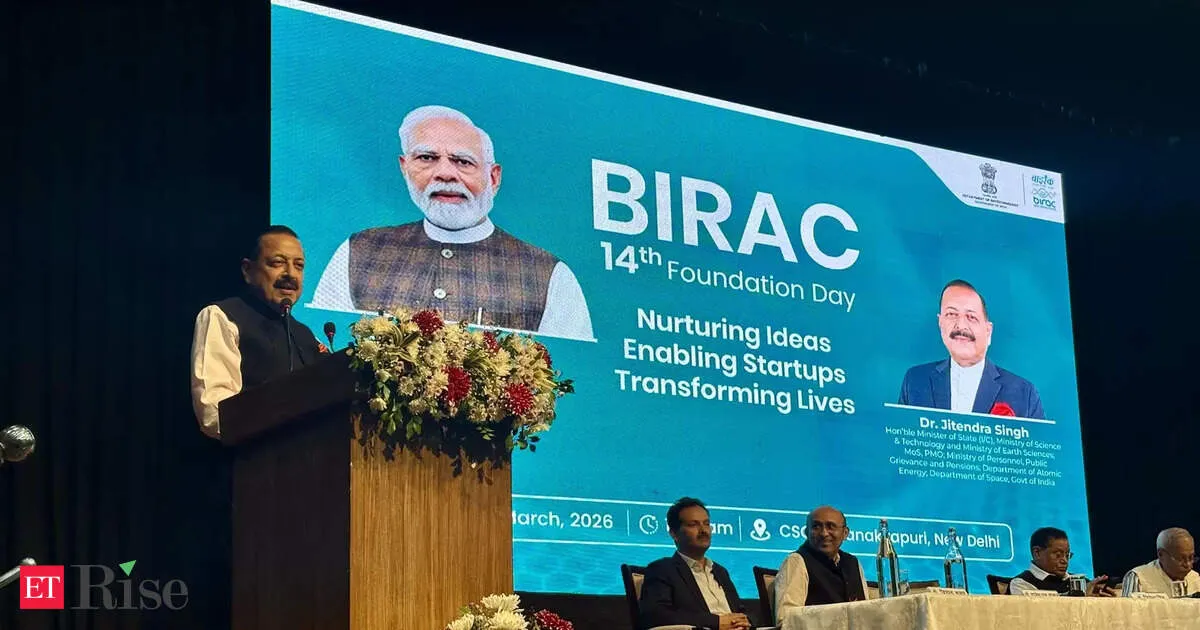
India is rapidly expanding its bioeconomy, rising from roughly $10 billion in 2014 to more than $195 billion in 2025, according to Jitendra Singh. The government’s direction points to reaching a $300-billion milestone by 2030, highlighting momentum in biotech, research, and bio-based industries as policymakers aim to scale impact.
RBI Deputy Governor Poonam Gupta said the central bank is in a “wait and watch” mode on inflation, emphasizing that there is currently no clear evidence of second-round effects. With global headwinds and geopolitical tensions ongoing, the RBI remains optimistic about India’s growth, balancing price stability with support for economic expansion through careful monitoring of external risks.
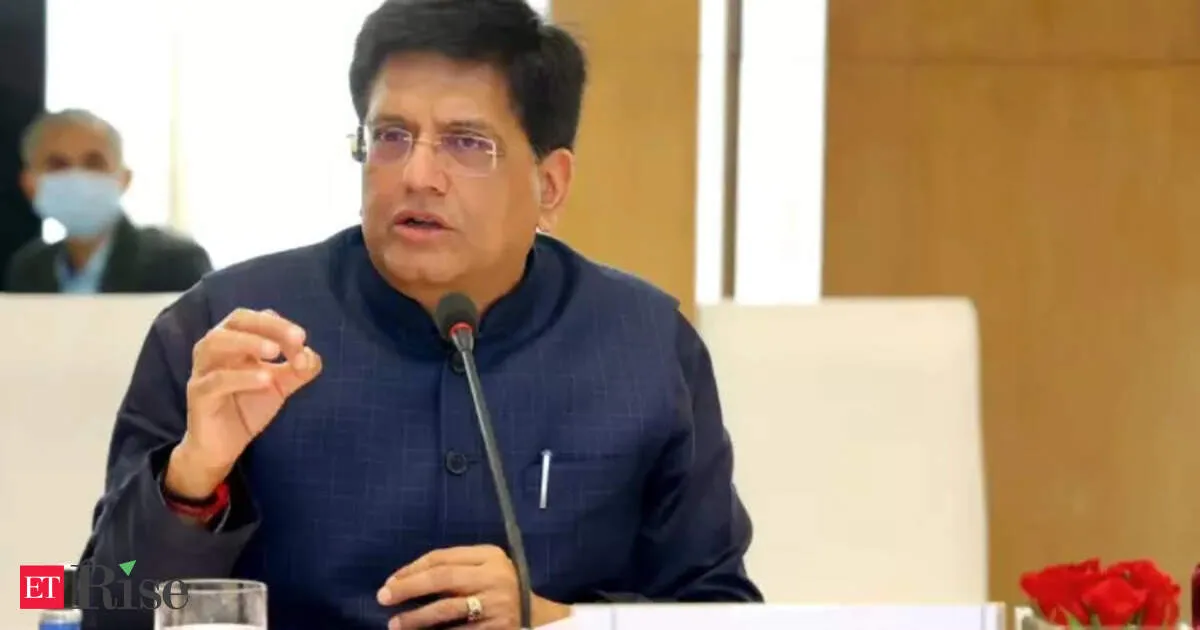
Commerce Minister Piyush Goyal said multiple indicators show India is firmly on a growth path. He highlighted that goods and services exports reached USD 675 billion in 2021-22 and that GST collections in April hit an all-time high of about Rs 1.68 lakh crore, rising 20% year-on-year.
Swipe through stories, personalise your feed, and save articles for later — all on the app.