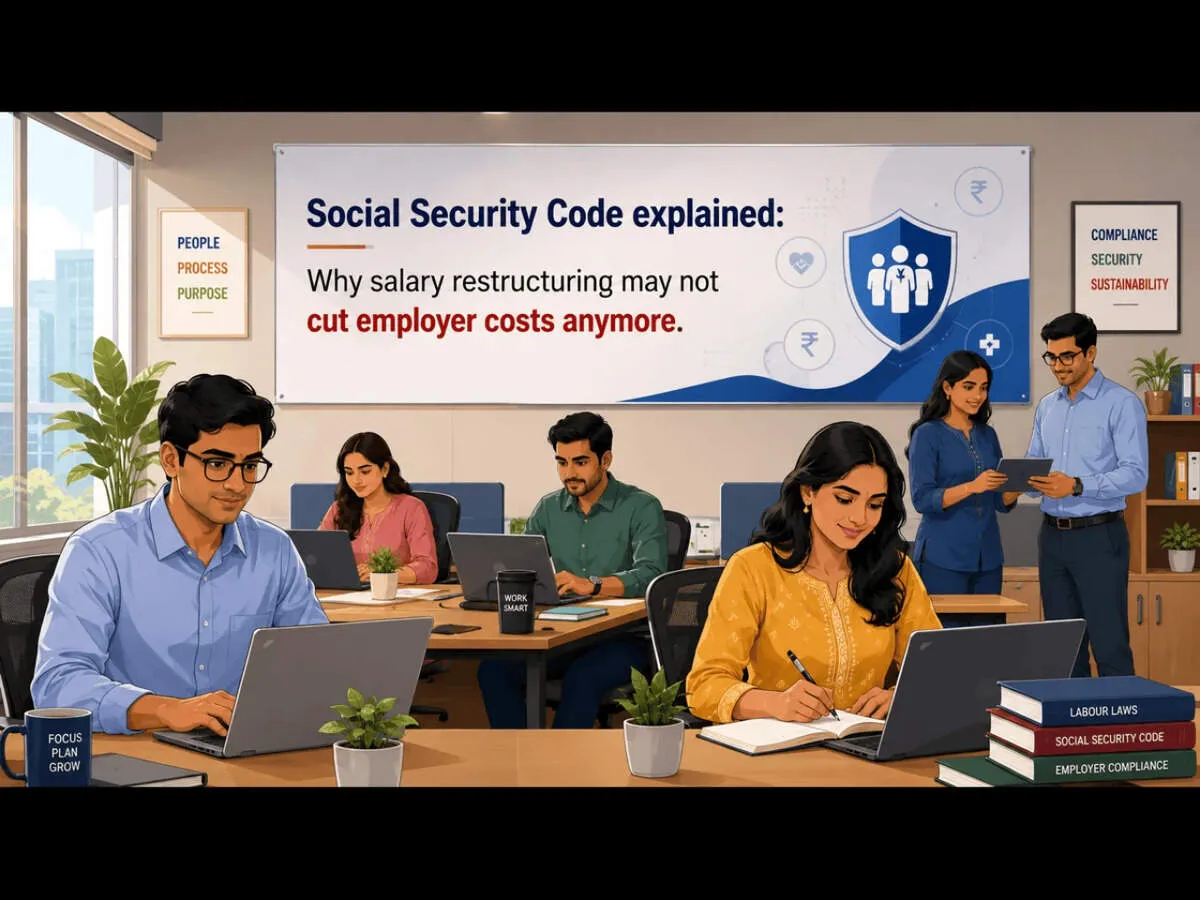
India’s Social Security (Central) Rules, 2026 update compliance under the Code on Social Security, 2020 and expand the definition of wages, raising employer social security and gratuity liabilities. Employers may want to restructure salary components to manage these costs, but Section 124 restricts any move that reduces employee wages or benefits to offset the additional liabilities.
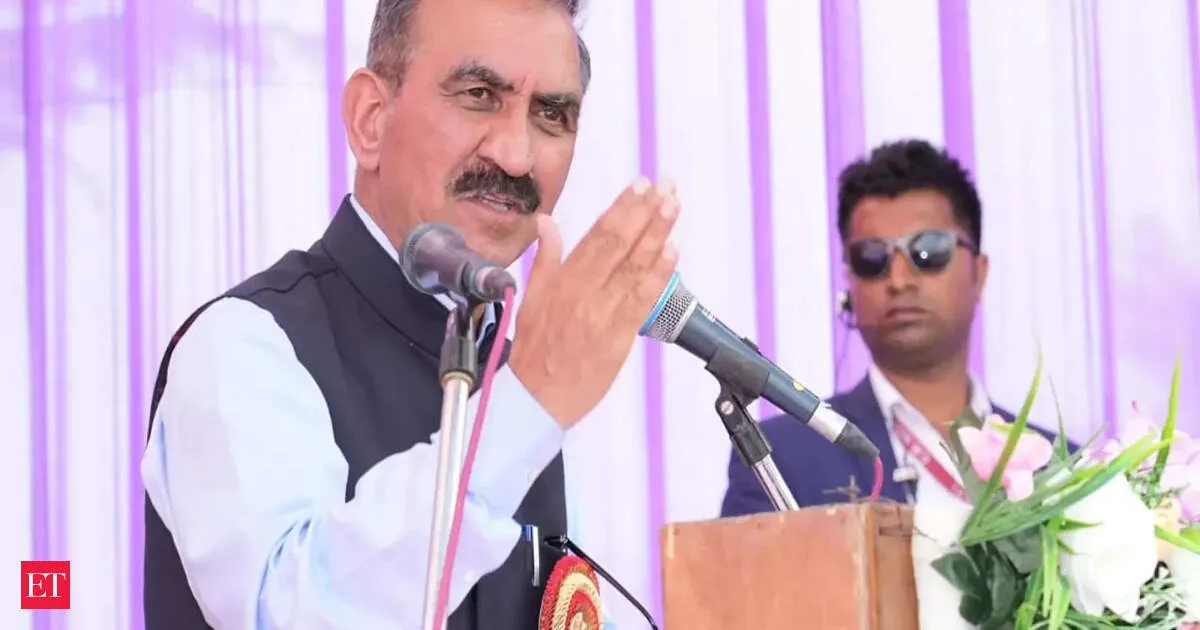
The Himachal Pradesh government has directed the immediate release of the remaining 30% gratuity and leave encashment arrears for Class IV employees who retired or died between January 1, 2016 and January 31, 2022. The order clears pending dues, following earlier disbursal of interim relief and dearness allowance installments.
Your news, in seconds
Get the Beige app — every story in 60 words, updated hourly. Free on iOS & Android.
India’s new Code on Wages requires basic salary to be at least 50% of total CTC. That shift is expected to raise provident fund and gratuity contributions, boosting long-term retirement savings. But employees may see lower take-home pay as employers restructure allowances to meet the rule—effectively making it harder for firms to minimize retirement contributions.
A 51-page memorandum from NC-JCM to the 8th Pay Commission is putting central government pensioners’ rights at the forefront. It demands the same fitment factor for employees and pensioners, higher gratuity up to Rs 75 lakh, and restoration of the Old Pension Scheme. The memo also seeks a reduced pension commutation period and expanded CGHS facilities.
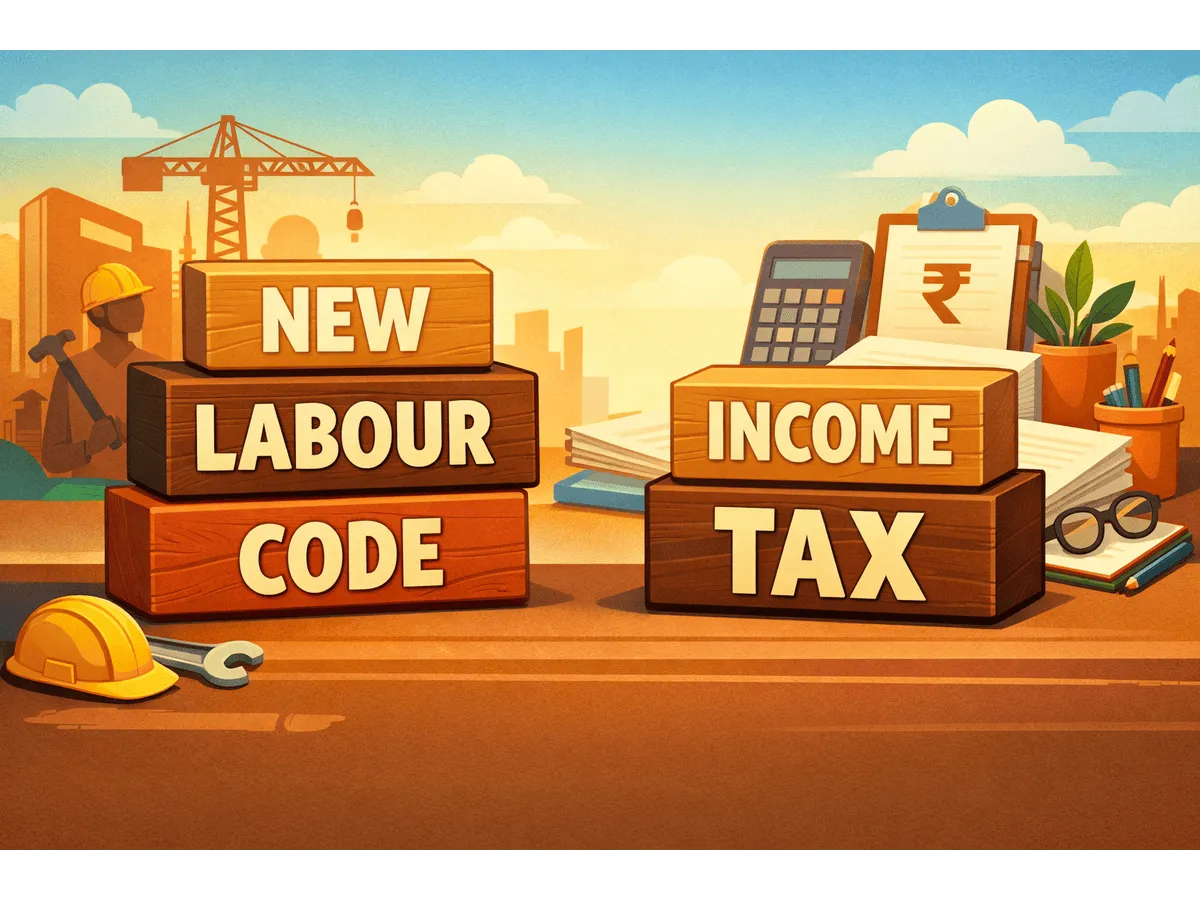
India’s new Code on Social Security expands the wage base for gratuity, which could raise employee payouts. But tax calculations under both the Income-tax Act, 1961 and the upcoming Income-tax Act, 2025 still hinge on basic pay plus dearness allowance. That gap could make part of the higher gratuity taxable, unless labour and tax rules align.
Swipe through stories, personalise your feed, and save articles for later — all on the app.