The government has upgraded its sugar policy by banning all exports until September 30, citing tight domestic supply. With India’s sugar production forecast to remain below consumption for a second straight year, traders and investors are likely to scrutinize mills including Balrampur Chini Mills and Dhampur Sugar Mills in the Thursday session.
The government is pressuring manufacturers to ramp up induction cooktop production as it plans to acquire millions of units in the next 18 months. The move aims to accelerate a shift away from LPG cooking toward electricity-based cooking, signaling a major policy push on household energy choices and industrial capacity.
Your news, in seconds
Get the Beige app — every story in 60 words, updated hourly. Free on iOS & Android.
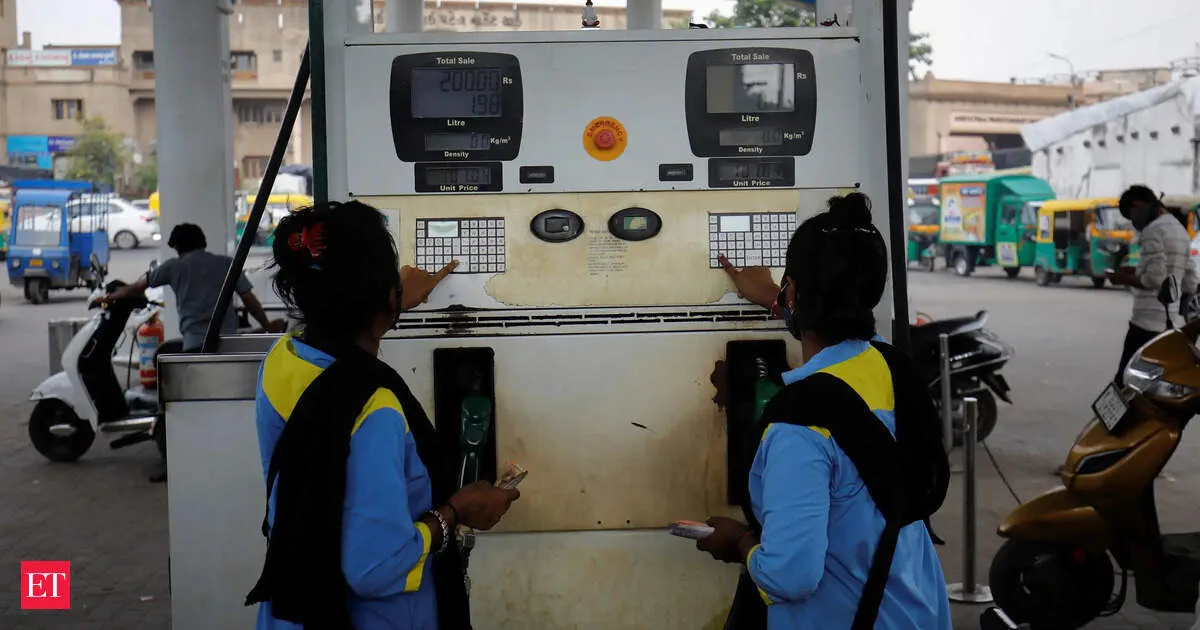
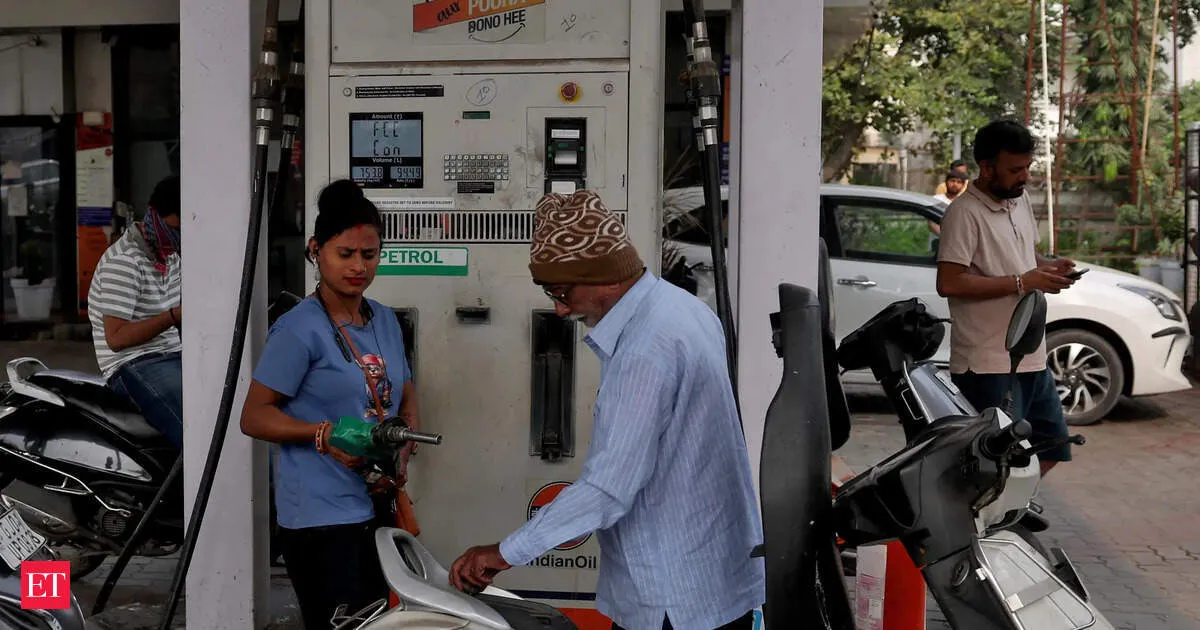
Petrol and diesel prices today remain unchanged despite the West Asia crisis, but Petroleum Minister Hardeep Singh Puri warned that oil companies are logging daily losses exceeding Rs 1,000 crore. Retailers, squeezed by these pressures, may force the government to take a call on price hikes soon, even as prices at the pump have held steady.
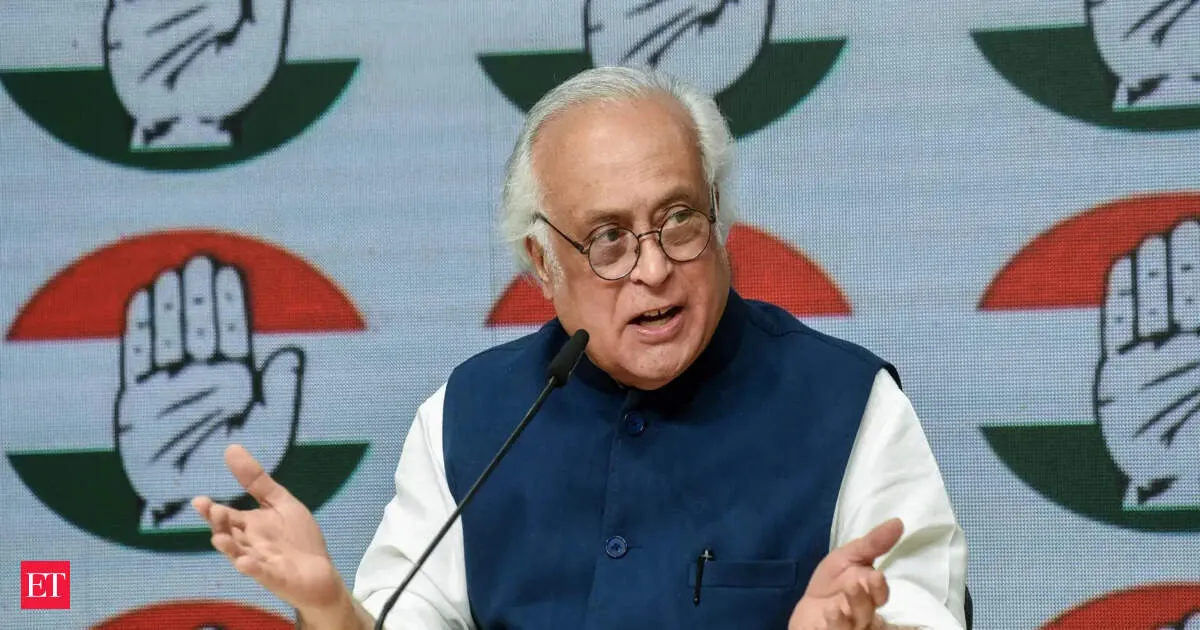
India’s government plans to replace MGNREGA with the VB-G RAM G Act on July 1, promising 125 days of guaranteed wage employment and claiming it will drive rural transformation. Congress has hit back, calling the notification an exercise in centralisation that could weaken rural workers’ bargaining power and shift control away from labour.
IndiaAI mission startups say paperwork delays are slowing projects even after compute access is granted. Founders report pending MoUs have blocked non-compute support and raised concerns around intellectual property terms, potentially shifting timelines. The government is now considering advance payments to reduce friction and keep missions on schedule as companies wait for formal agreements.
The Centre has unveiled a nationwide framework for transferring central government land, designed to reduce litigation and improve asset monetisation. The policy requires separate valuations for buildings and sets strict rules on public versus commercial use to strengthen transparency. Transfers involving private entities or state governments will need cabinet approval, aiming to unlock funding for public projects.
Never miss a story
Set alerts for the topics and sources you care about. Download Beige for free.
Households across India are reporting SMS alerts demanding they surrender LPG cylinders under the “One Household, One Gas Connection” policy. The move targets families with active PNG (piped natural gas) connections, aiming to curb black marketing and improve cooking-gas distribution. Consumers can verify their connection status online or by contacting customer care to understand next steps.
The government is considering new rules for companies registered under the Electronic Component Manufacturing Scheme, pushing them to build in-house design capabilities rather than relying mainly on assembly. The goal is to create more high-value design work within India and strengthen the local electronics ecosystem. Firms that do not invest in design may be removed from the scheme.
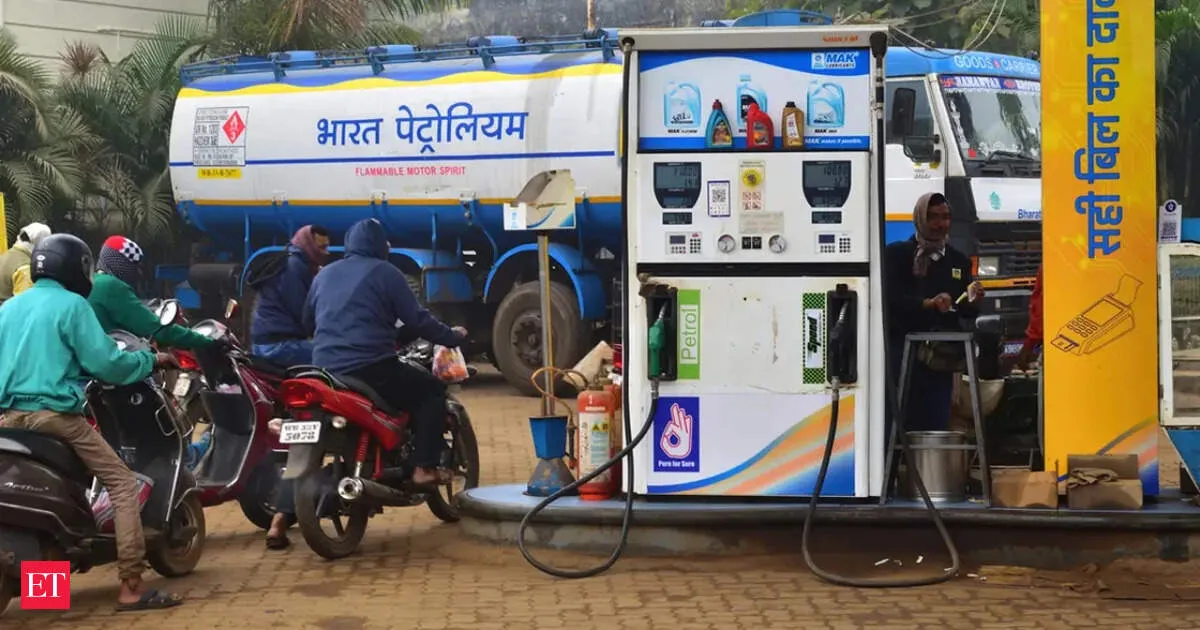
The government has ruled out financial support for state-run fuel retailers facing losses from selling petrol, diesel and ATF at discounted rates. Even as global crude prices rise, retail fuel prices have remained largely steady, squeezing margins. Officials are effectively signaling that the burden will stay with fuel companies rather than taxpayers.
India has ruled out financial support for state-run fuel retailers that face losses from selling transport fuels below market prices. Even as prices rise for industrial customers and jet fuel for foreign carriers, retail rates for gasoline, gasoil, LPG, and jet fuel for Indian carriers remain unchanged. The government says the focus is protecting retail consumers.
Reading on mobile?
Open Beige in the app for a smoother experience — free on iOS and Android.
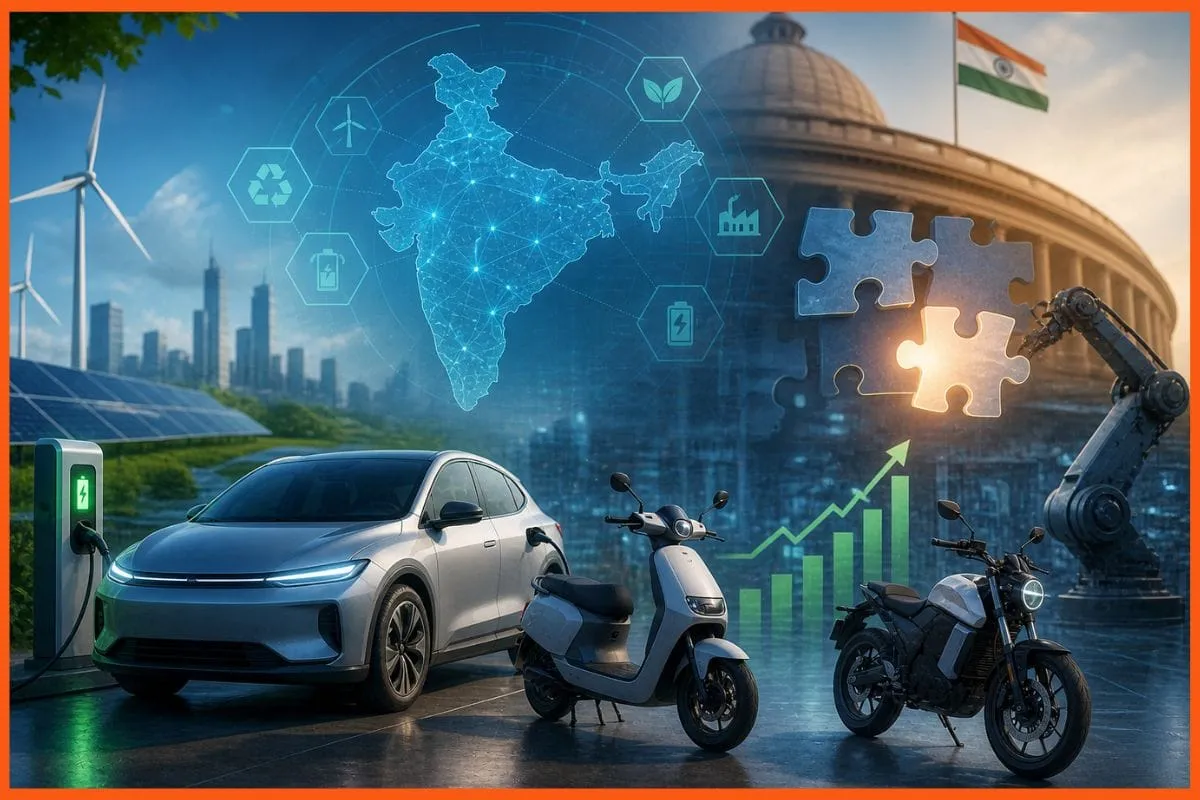
The Confederation of Indian Industry has urged the PMO to overhaul India’s EV auto PLI scheme after EV startups complained that current eligibility and selection rules create a cost disadvantage. CII, via six startup CEOs, wants a new application window and relaxed criteria, shifting focus toward R&D intensity, IP generation, and domestic value-add. A parliamentary panel report also cites low fund disbursal and high investment hurdles.
The government has imposed export duties for a fortnight beginning May 1, charging ₹23 per litre on diesel and ₹33 per litre on aviation turbine fuel (ATF). Petrol remains export duty-free. The move signals a targeted approach to regulating outbound fuel flows while keeping petrol exports unrestricted.
The Centre is considering a mandate requiring companies in energy, telecom and financial services to host their core digital infrastructure only on Made-in-India sovereign cloud systems. Officials cite rising geopolitical risks and cybersecurity concerns, heightened after Microsoft briefly blocked Nayara Energy services linked to EU sanctions. Microsoft says an automated system wrongly assumed EU jurisdiction, and the move also aims to reduce foreign dependency.
COAI has asked the government to cut spectrum auction prices, arguing telecom operators haven’t yet recovered heavy 5G infrastructure investments. The industry body says policymakers should factor in the capital already infused by service providers and set lower auction costs so operators can sustain and expand networks without crippling business returns.
Follow your favourite sources
Track sources, tags and categories — all in the Beige app.
A flour millers body has urged the government to deliver more predictable policy signals to the industry. It called for stock transparency, stable OMSS policies, export flexibility, and liquidity support to protect millers’ returns while keeping flour prices affordable for consumers. The group’s pitch centers on reducing uncertainty in trading and procurement rules that directly affect margins.
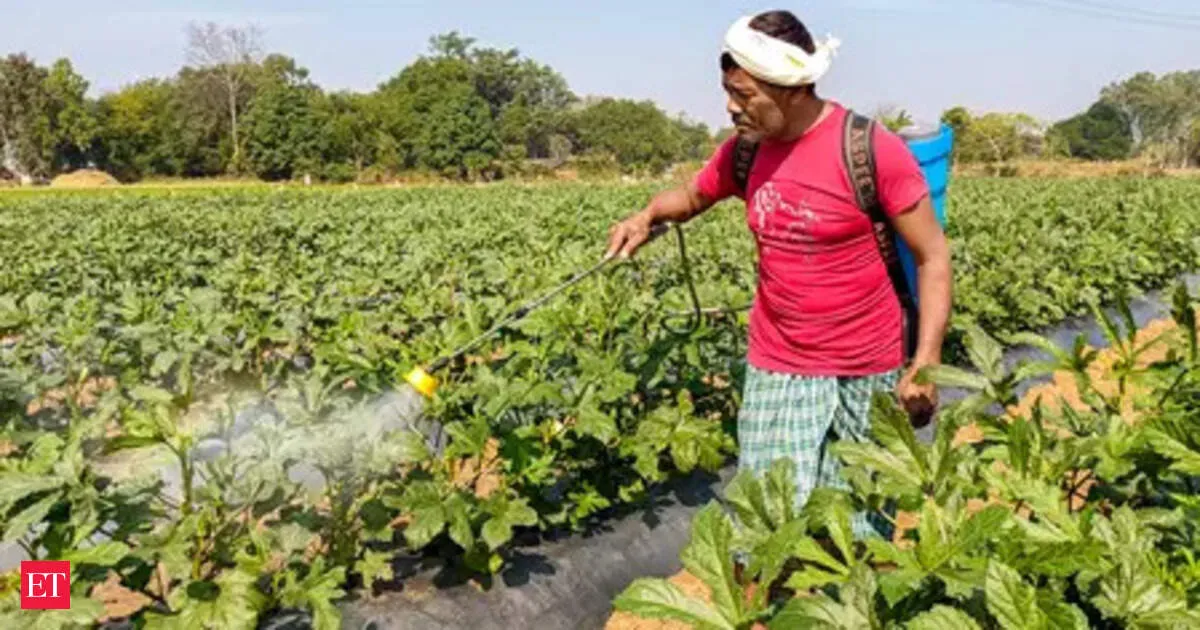
Ahead of the Kharif season, the government says India’s fertiliser supply is robust, with data showing availability exceeding expected demand for key nutrients. It claims stocks are high and is tightening monitoring to prevent hoarding while ensuring timely distribution. With support for subsidised urea and both global sourcing and domestic production, officials say farmers won’t face shortages.
The government has ordered raw jute stock limits for traders and balers to be set at zero, aiming to stop hoarding and improve fair distribution. Jute mills and processing units are still allowed to hold stocks for up to 45 days. Firms must declare stock positions every fortnight, with the plan to stabilize supply and support farmers, manufacturers and consumers.
The government says it is redefining what qualifies as a “small company” to improve the business climate and reduce compliance load for law-abiding firms. The move is aimed at making it easier for smaller operators to comply with rules and regulations, potentially changing which businesses benefit from exemptions and simplified processes.
Stay informed on the go
Bite-sized news from 100+ trusted sources, right in your pocket.
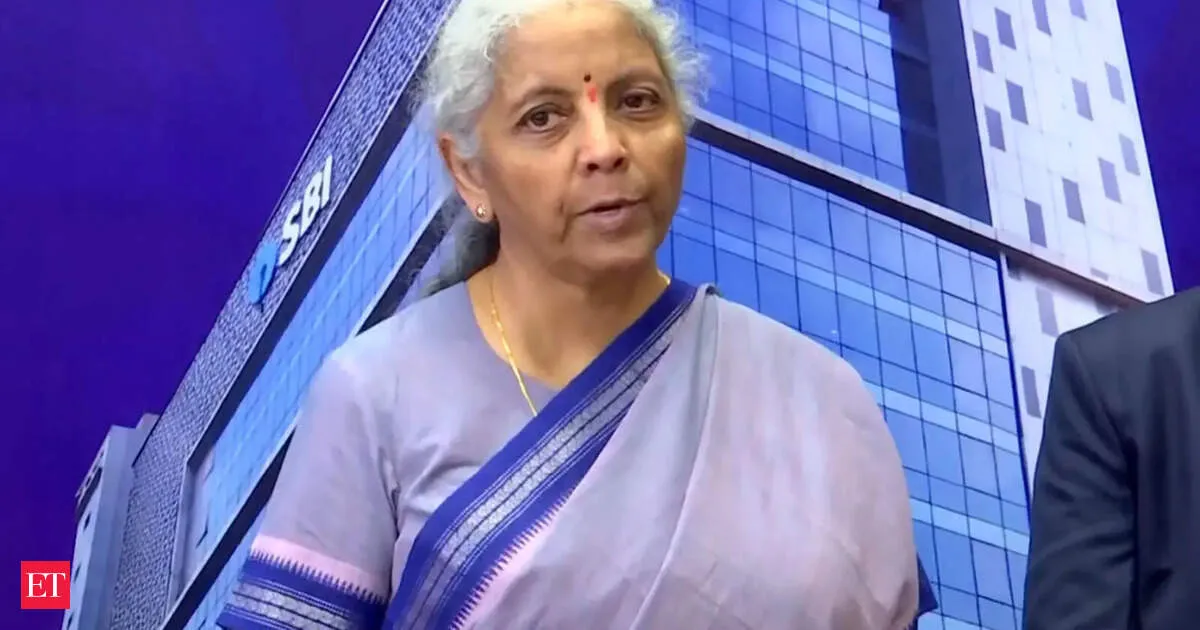
Finance Minister Nirmala Sitharaman says Indian banks must proactively prepare for escalating AI-driven cyber threats. She called for closer collaboration across banks to map vulnerabilities and adopt new technologies. In a notable twist, she suggested using AI tools to counter AI-powered attacks, aiming to rapidly harden financial-sector cybersecurity defenses as regional risks are watched closely.
Swipe through stories, personalise your feed, and save articles for later — all on the app.