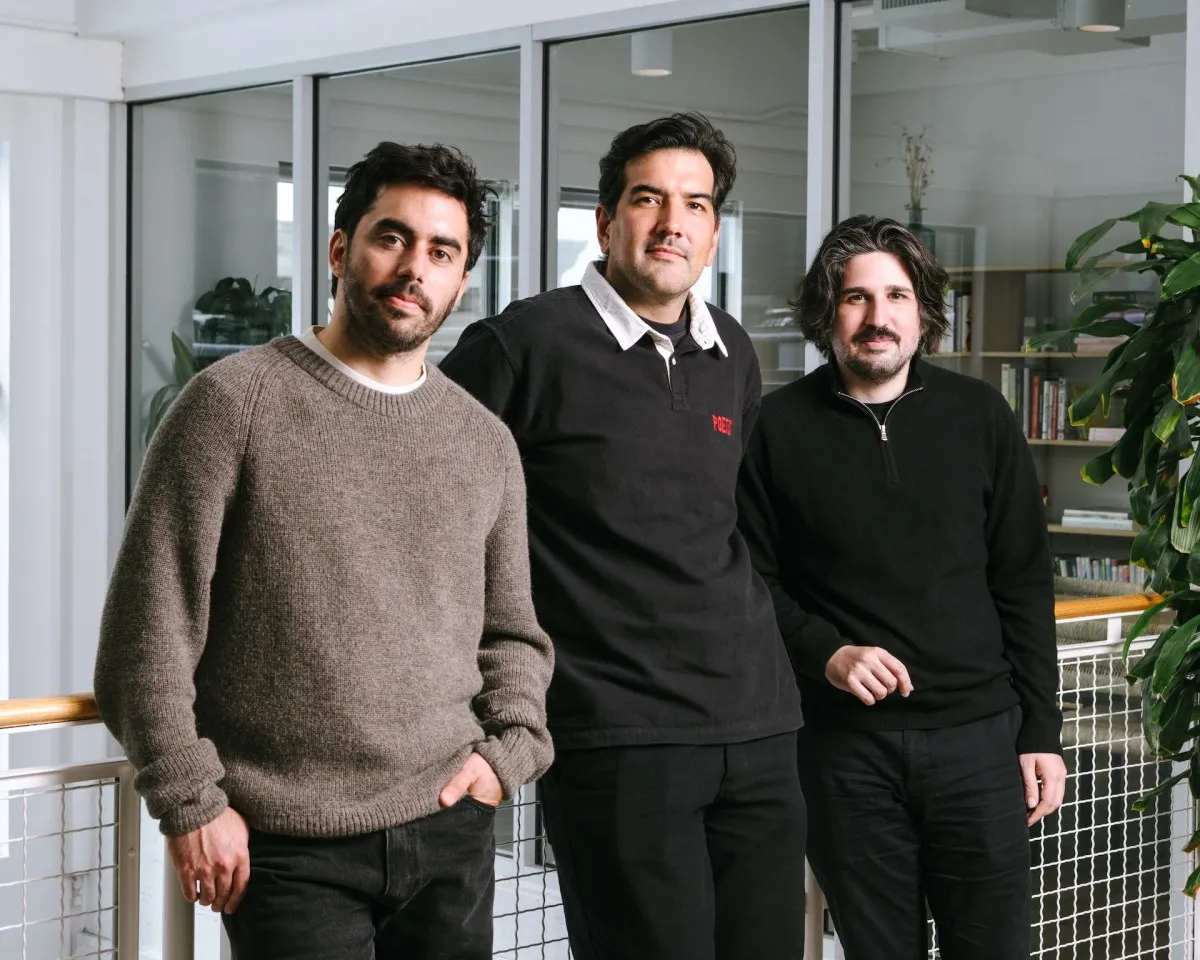
AI video-generation startup Runway is betting its next leap won’t be smarter text, but world models learned from real-world observational data. Founded in 2018 by three founders from Chile and Greece who met at NYU Tisch, the company built a reputation on video tools used by filmmakers and ad agencies, with partnerships including Lionsgate and AMC Networks. Now valued at $5.3 billion, Runway says it launched a first world model in December and plans another this year—taking aim at Google’s AI ambitions.
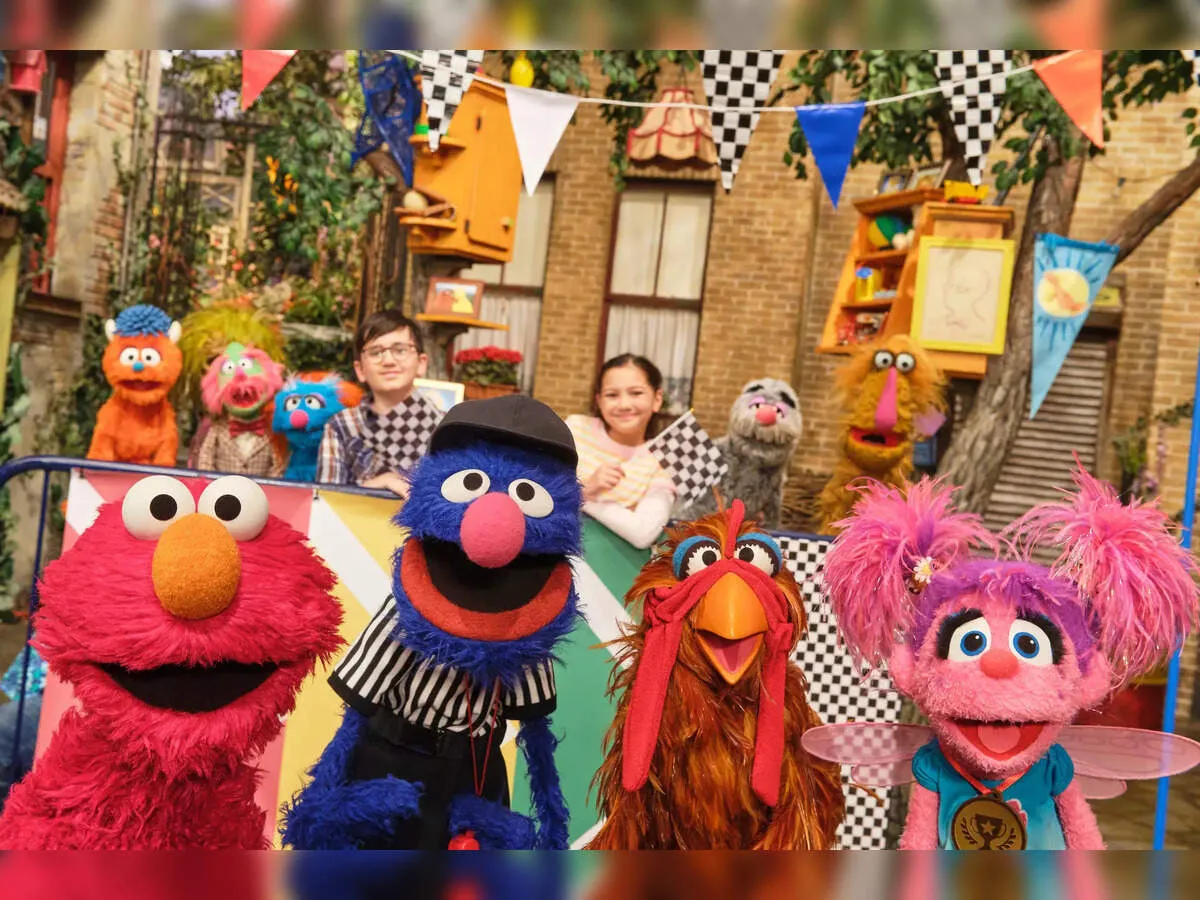
Meta and Google have partnered with familiar children’s brands like Sesame Street, Girl Scouts, and Highlights to promote “responsible” technology use for kids under 12. Critics say the move functions as reputation management: the same platforms are built to be hard to disengage from, and lawsuits allege addictive design that harms youth mental health. Reuters reviewed internal and court-released materials, including early proposals to recruit third parties to rebut addiction claims.
Your news, in seconds
Get the Beige app — every story in 60 words, updated hourly. Free on iOS & Android.
Google has quietly reduced the default free cloud storage for new accounts from 15GB to 5GB shared across Gmail, Drive, and Photos. The missing 10GB is unlocked only after users link a phone number during setup, a requirement that reportedly wasn’t part of signup earlier this year. Google also revised its help documentation to say “up to 15GB” rather than “15GB,” signaling a conditional offer. Existing users are unaffected.
The Delhi High Court has directed Google and Apple to take strict action against obscene pornographic content found on mobile applications. The court highlighted the responsibility of social media intermediaries in stopping dissemination and asked CERT-In to monitor and curb the spread of such material across digital platforms.
The Delhi High Court has issued notices to Google and Apple in a public interest litigation alleging that apps on their stores are being used to circulate obscene and pornographic content. A division bench directed both companies and the relevant authorities to take action and submit an action taken report before the next hearing in July, citing potential violations of the IT Rules.
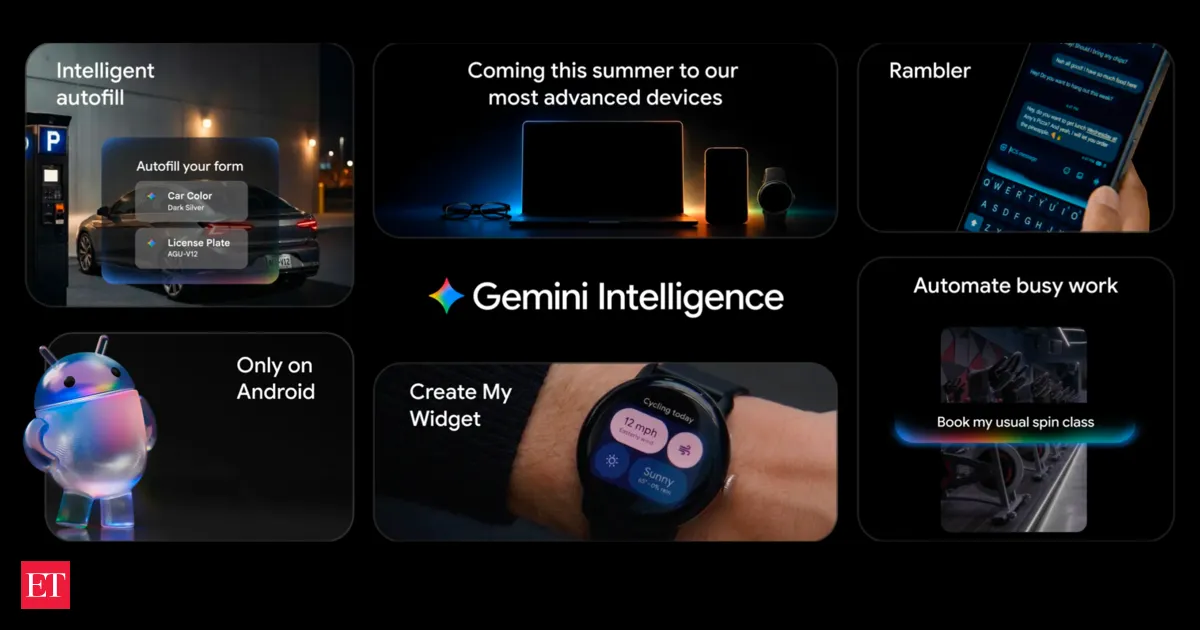
Google has introduced Gemini Intelligence, an AI layer built to make Android phones more proactive and deeply personalized. It adds smarter automation, intelligent form filling, improved natural voice, and custom widget creation on-device. The rollout starts on select Samsung Galaxy and Google Pixel phones, with a focus on privacy and user control as phones shift from reactive apps to anticipatory assistants.
Never miss a story
Set alerts for the topics and sources you care about. Download Beige for free.
Apple and Google have begun a beta rollout of end to end encrypted RCS messaging, starting with iPhone users on iOS 26.5 and Android users on the latest Google Messages. iPhone to Android RCS conversations will be encrypted by default using the MLS protocol, with a lock icon confirming protection. Availability depends on supported carriers and expands gradually.
Google DeepMind says it is using AI to rethink the mouse pointer, a feature that has barely changed for decades. The approach aims to make cursor behavior more adaptive and context-aware, potentially improving how interfaces respond to user intent and reducing friction in everyday computer use. The work signals a broader shift: AI redesigning core interaction tools.
Google Ads engineer Bhasker Goel is rethinking monitoring for distributed systems by using comparative, real time validation. Rather than relying on static thresholds and late alerts, his approach contrasts system segments to spot subtle divergences that can indicate regressions early. The goal is to prevent costly outages in complex modern software before problems escalate.
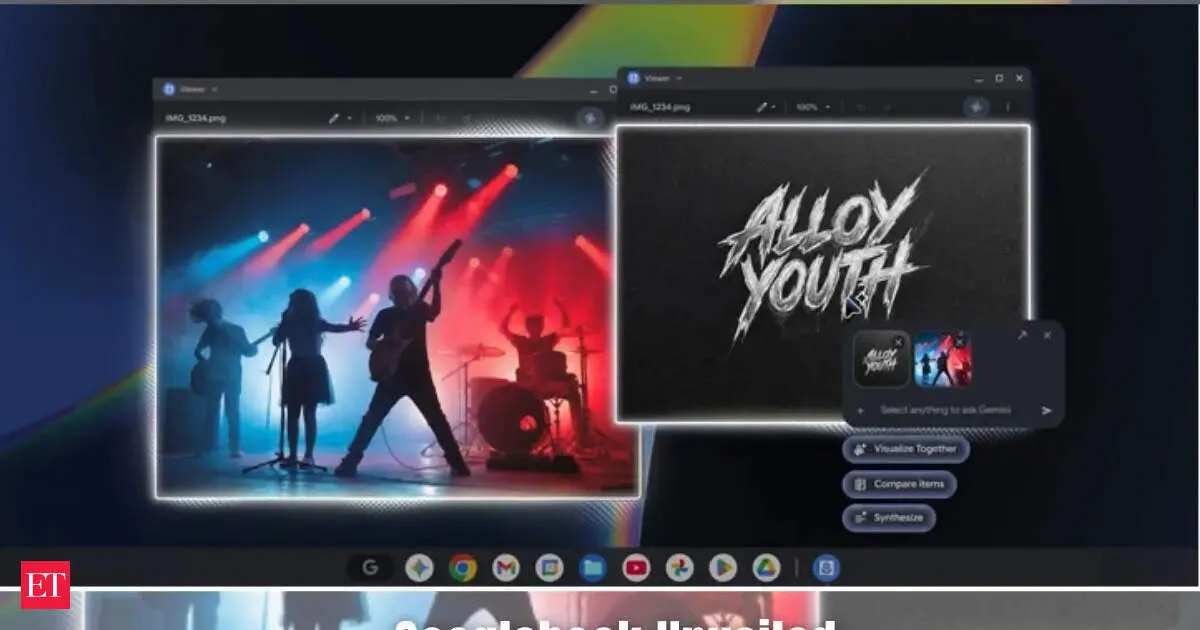
Google has unveiled “Googlebook,” a new AI-first laptop category built around Gemini Intelligence. The device uses components drawn from Android and ChromeOS to deliver proactive AI help, tighter phone integration, and a more personalized computing experience. The big question now is how the Gemini workflows will feel day-to-day and when these laptops will reach buyers.
Reading on mobile?
Open Beige in the app for a smoother experience — free on iOS and Android.
Google’s Android show 2026 reframed Android as an intelligence system, not just a phone platform. Gemini is set to expand into the OS for proactive task completion and stronger visual reasoning. Alongside Android 17’s multitasking and security upgrades, Googlebook and Aluminum OS point to a more unified desktop like experience across devices.
Google is rolling out a new Android feature called Pause Point designed to curb addictive doomscrolling. Instead of letting distracting apps launch immediately, the system can require a brief wait before opening them, creating friction at the exact moment you’d otherwise fall into a scrolling loop. The goal is simple: make “one more app” harder.
Google has introduced Intrusion Logging in Android’s Advanced Protection Mode, designed to help human rights activists, journalists, and dissidents detect and document government spyware attempts and forensic device activity. The feature aims to create clearer evidence of intrusion, shifting Android defenses toward more transparent, attack-aware protection for high-risk users.
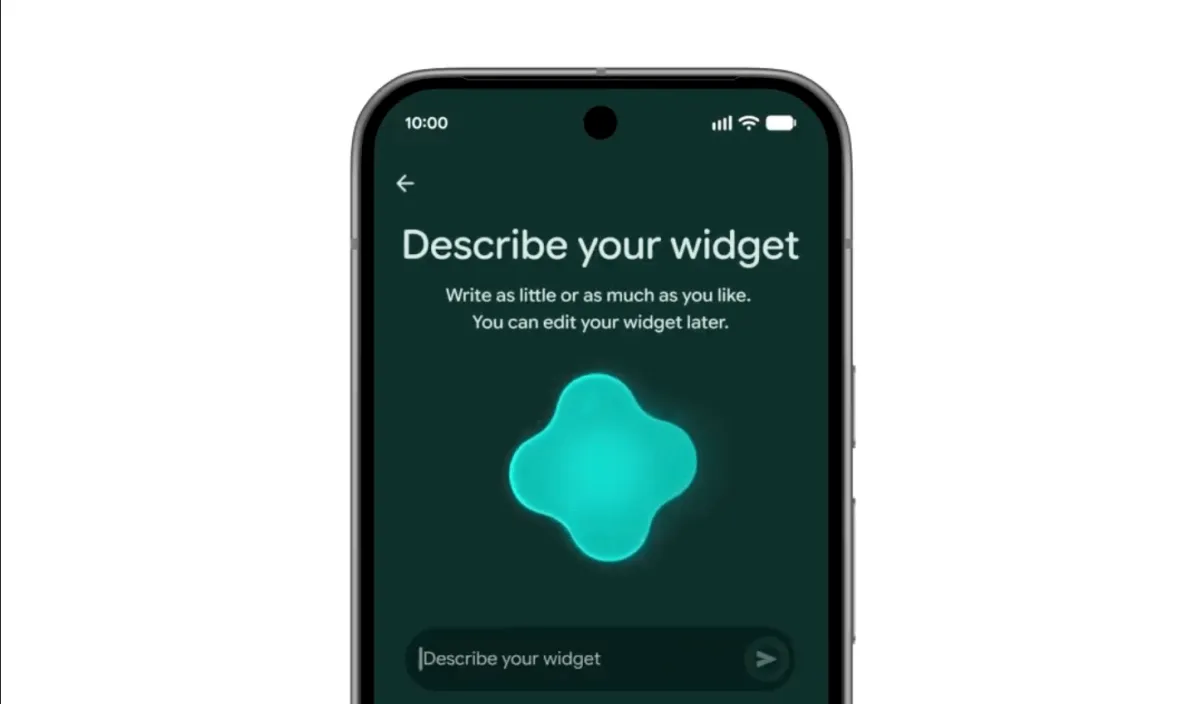
Google is rolling out “Create My Widget,” a new way to design custom home screen widgets directly on your phone. The feature is expected to launch this summer on the latest Samsung Galaxy and Google Pixel devices first. Instead of only choosing from preset options, users will be able to build their own widget experience with a more hands-on creation flow.
Follow your favourite sources
Track sources, tags and categories — all in the Beige app.
Google is adding Gemini-powered dictation to Gboard, aiming to make transcription feel more seamless inside the keyboard. The feature will roll out initially on Samsung Galaxy and Google Pixel phones, giving Google a major distribution advantage. For dictation startups, this means competing against a built-in experience on millions of devices, not standalone apps.
Google and SpaceX are reportedly exploring partnerships to build data centers in orbit, positioning space as the next frontier for AI compute. The pitch targets latency and power availability advantages, but the proposal faces a major hurdle: launching and operating in space remains far more expensive than running equivalent infrastructure on Earth.
Google is expanding Android’s AI experience with “Gemini Intelligence,” pairing agentic capabilities with new “vibe-coded” widgets. The update also brings Gboard enhancements, including dictation and form-filling features that aim to reduce typing and streamline everyday tasks. For users, the shift could make Android feel more proactive—understanding context and acting with less manual input.
Google is reportedly in early discussions with Elon Musk’s SpaceX about launching a rocket deal to support data centres in Earth orbit, according to The Wall Street Journal. The proposal would shift some cloud infrastructure from ground-based sites to space, aligning with Google’s growing space ambitions and potentially reshaping latency, scale, and security assumptions.
Stay informed on the go
Bite-sized news from 100+ trusted sources, right in your pocket.
Arha Media and Broadcasting and Mebigo Labs, among other startups, have appealed against Google’s billing policy for apps on its platform before the Supreme Court. They allege Google abused its dominant market position by charging excessively high fees. The case could reshape how app stores handle billing terms in India.
Thousands of users across India reported that Google Search suddenly stopped working on Tuesday morning, seeing “server error” messages and failing to load results. The outage triggered a spike in complaints on Downdetector and quickly spread to social media, as users questioned whether the world’s most-used search engine had crashed. The issue appears temporary but impacted many at once.
Swipe through stories, personalise your feed, and save articles for later — all on the app.