ICICI Bank Global Markets warns India’s external balance may worsen as a West Asia conflict keeps oil prices elevated, with crude averaging near USD 100 per barrel. Even with resilient services exports, it expects the current account deficit to land around 1.5–2% of GDP, assuming non-essential imports are curbed and capital inflows improve as global risk sentiment stabilizes. April data showed goods exports up 14% but imports rose faster, led by an 82% jump in gold.
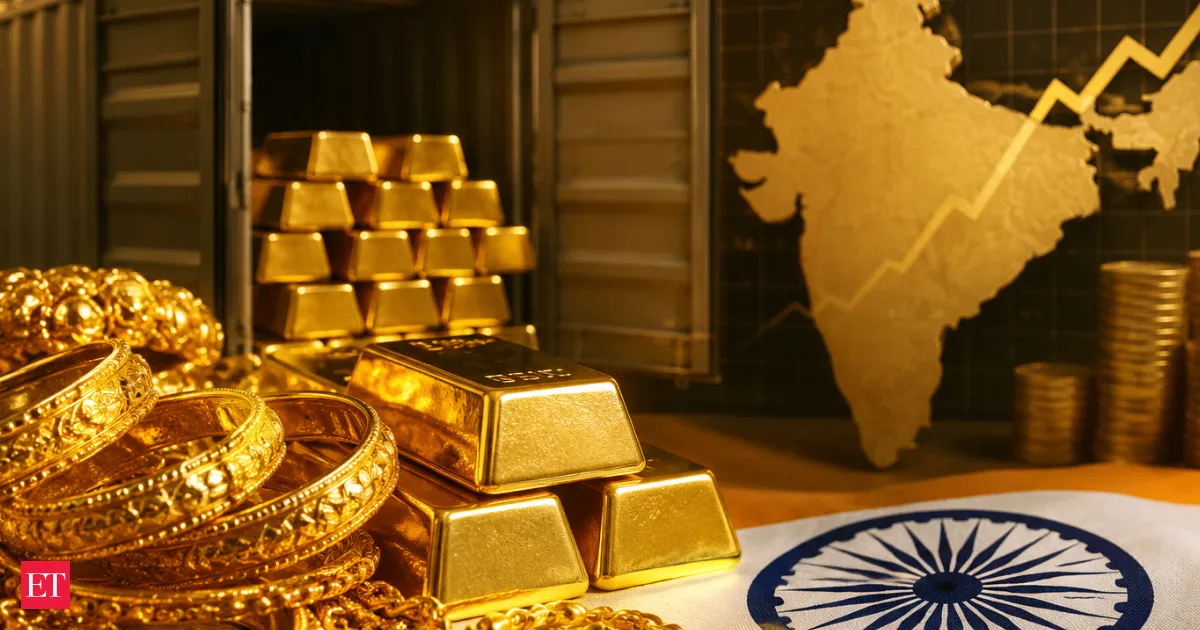
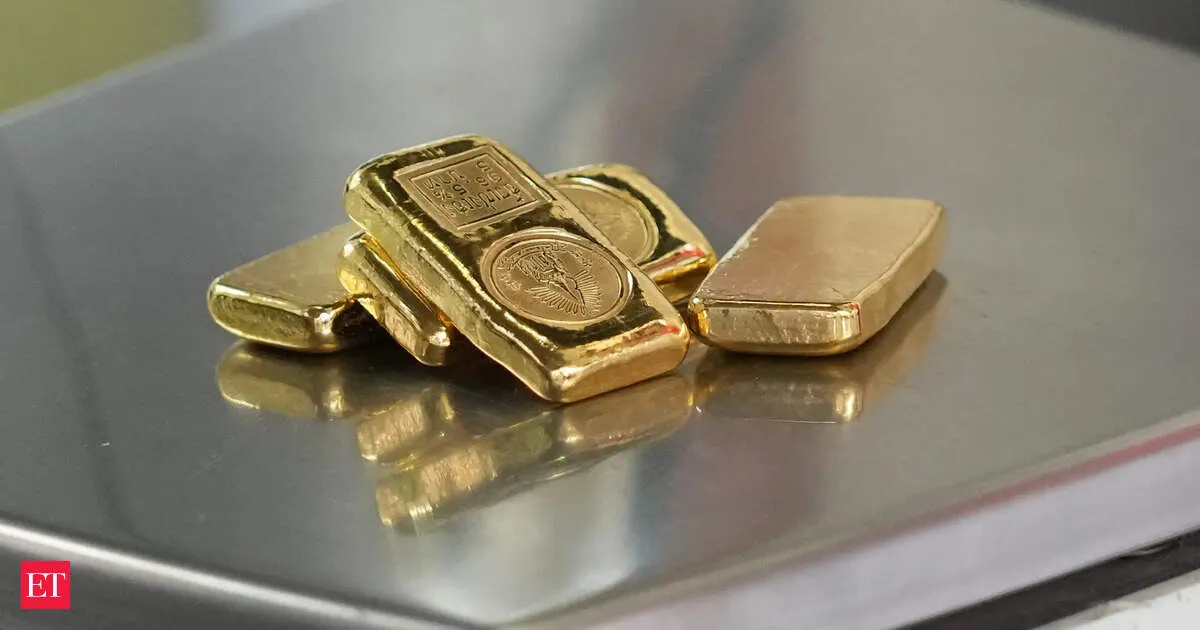
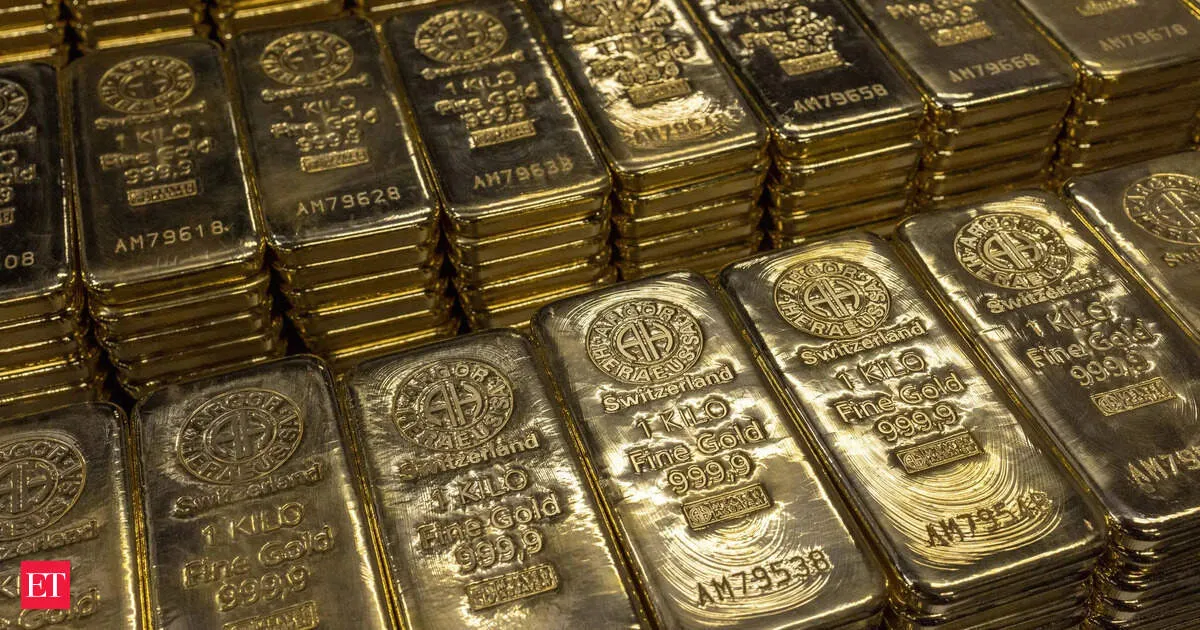
India’s gold imports surged 81.69% year-on-year to USD 5.62 billion in April, fueled by high global prices and reaching a record value. The commerce ministry data also shows silver imports jumped 157.16% to USD 411 million. But the government raised customs duty on gold and silver from 6% to 15% effective May 13, which officials expect will reduce import volumes later. Despite April’s spike, gold imports in tonnes fell 4.76%.
Your news, in seconds
Get the Beige app — every story in 60 words, updated hourly. Free on iOS & Android.
India has tightened rules for duty-free gold imports under the advance authorisation scheme, a day after raising customs duties. The DGFT now caps gold imports at 100 kg per licence and requires firms to meet at least 50% of earlier export obligations before receiving further approvals. The government says the scheme risks “price arbitrage” and misuse through quick large shipments. It also introduces mandatory physical inspections for new applicants and adds fortnightly and monthly reporting on import and export activity.
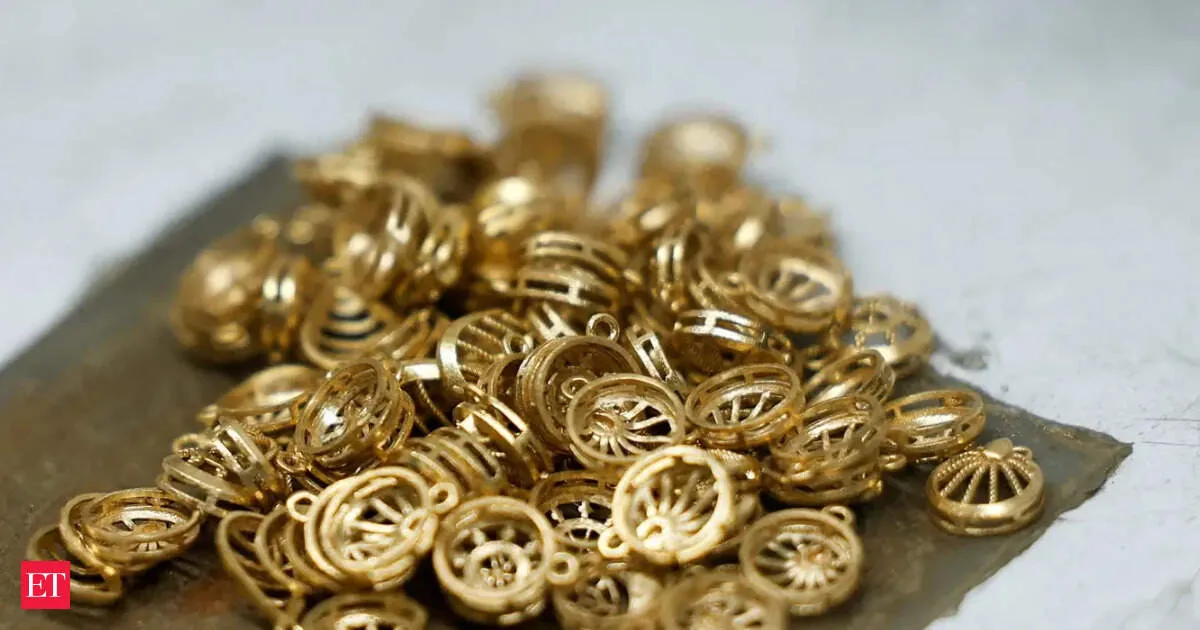
DGFT has tightened rules for duty free gold imports used by gems and jewellery exporters. The update caps imports at 100 kg per licence, requires mandatory facility inspections for new applicants, and demands existing exporters meet 50% of past export obligations. Exporters will also have to submit fortnightly performance reports, boosting government monitoring of compliance.
HDFC Mutual Fund has withdrawn its proposed Gold-Silver Passive Fund of Fund NFO, blaming concerns that rising precious metal imports could worsen India’s trade balance. The move follows Prime Minister Modi’s call to curb gold and silver buying and higher import duties, as the government and firms prioritize conserving foreign exchange reserves amid global uncertainty.
With India’s forex under pressure, jewellers and goldsmiths say the answer is not sacrifice but restructuring. The All India Jewellers and Goldsmith Federation propose a dedicated bullion bank and improved gold monetisation schemes, aiming to cut annual gold import dependence by 200 to 300 tonnes and reduce the widening trade and current account deficits driven by price surges.
Never miss a story
Set alerts for the topics and sources you care about. Download Beige for free.
India’s gold imports are rising fast, with policymakers pointing to intensified flows after the India UAE trade benefits. Prime Minister Modi has urged citizens to cut back on non essential gold purchases, arguing the country could become more vulnerable amid tough global conditions. The concern: what looks like a booming trade may be exposing India to supply and economic shocks.
India is reportedly considering emergency measures to safeguard foreign exchange reserves amid mounting oil costs. The government is said to be looking at curbs on imports such as gold and electronics, alongside possible fuel price hikes. Officials are also urging citizens to conserve fuel and cut back on gold purchases to ease pressure on the economy.
Facing concerns about a widening import bill and pressure on foreign exchange reserves, government sources said there are currently no plans to restrict international card usage or increase import duties on precious metals like gold. The clarification comes amid heightened attention on forex stability, but officials indicate no immediate policy tightening for outbound spending or gold inflows.
Indian banks are facing an unprecedented five-week standstill in gold and silver imports, leaving domestic prices to surge and jewelers worrying about shortages. Shipments have been hit since April 1 due to administrative hurdles and tax uncertainties. An alternative through the India International Bullion Exchange exists, but it is slower and demands more capital, delaying restocking after Akshaya Tritiya.
Reading on mobile?
Open Beige in the app for a smoother experience — free on iOS and Android.
Indian banks have stopped gold and silver imports since April 1, citing a pending annual government notification that is supposed to clarify IGST treatment for bullion trade. The issue is expected to carry into FY27 as the renewed Finmin notification hangs fire, tightening supply and adding uncertainty for jewellers and traders relying on imports.
India’s gold imports are expected to drop to about 15 metric tons in April, nearly a 30-year low, as banks halted shipments. The stoppage follows a 3% IGST demand raised by customs, with delays also reported in formal authorisation for bullion imports. With banks handling most incoming consignments, the tax dispute is directly hitting supply flows.
For decades, a consignment route has quietly structured India’s gold and silver imports, nurturing a closed marketplace with limited transparency. Hundreds of tonnes change hands through entrenched channels, and the lack of open trading makes price discovery less effective—leaving buyers and regulators without clear signals of true market value.
Swipe through stories, personalise your feed, and save articles for later — all on the app.