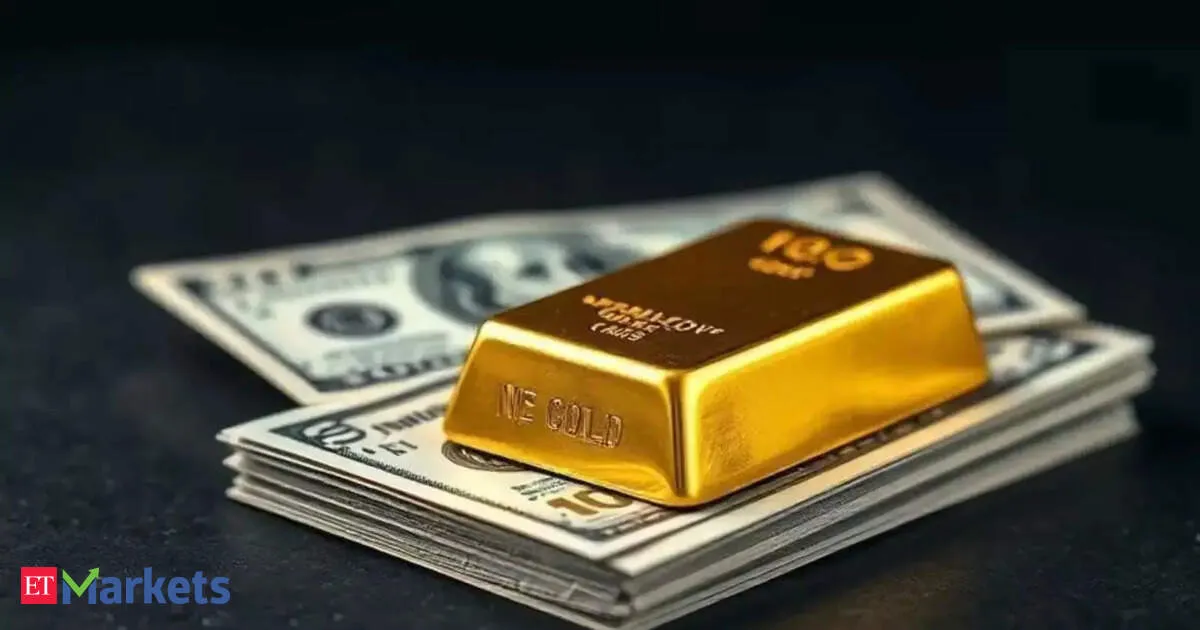
Gold fell to a more than one-week low on Friday, pressured by rising U.S. Treasury yields and a firmer dollar, which increase the opportunity cost of non-yielding bullion. The sell-off deepened as Middle East conflict sparked inflation concerns, lifting expectations for higher interest rates. Spot gold slid 2.6% to $4,527.80 per ounce, its lowest since May 5. Other precious metals also tumbled, with silver down 8.7% and on track for its worst day since March 3.
India’s CBIC has raised customs tariff values for gold, silver, crude palm oil and soybean oil to manage import costs amid global commodity swings. Gold in any form will now attract a tariff value of $1,508 per 10 grams, while silver is set at $2,810 per kilogram. The changes take effect May 16, 2026. Policymakers are also acting to limit pressure on foreign exchange reserves, especially during geopolitical strain from the West Asia conflict.
Your news, in seconds
Get the Beige app — every story in 60 words, updated hourly. Free on iOS & Android.
The NSE will begin trading Electronic Gold Receipts (EGRs) from Monday, May 18, aiming to modernize how Indians invest in gold. The exchange says EGRs will use a stronger liquidity and technology framework to make trading more transparent, secure, and accessible nationwide. NSE expects the move to integrate gold into mainstream capital markets, widen financial inclusion, and curb reliance on fragmented physical-market pricing. EGRs represent ownership of regulated vaulted gold and are credited through Demat accounts.
Gold and silver opened sharply lower on MCX as surging energy prices revived inflation worries and strengthened expectations of higher rates staying elevated. Investors also looked to the Trump Xi summit in Beijing, with U.S. China trade truce and Middle East geopolitics expected to be discussed. MCX silver futures fell Rs 11,700 to Rs 2,79,458 per kg, while gold futures dropped Rs 1,600 to Rs 1,60,355 per 10 grams. Spot gold and silver slid internationally, with spot gold at its weakest since May 6.
Gold prices slid to a more-than-one-week low and were on track for a weekly decline as surging energy costs reignited inflation worries and raised the prospect of higher-for-longer interest rates. Traders also kept a close watch on the Trump Xi meeting, while the Fed signaled no near-term policy change. With the dollar firming, the pressure intensified. Meanwhile, India is set to restrict gold imports to 100 kilograms under an advance authorization scheme.
India’s gold discounts surged to a record level above $200 an ounce after the government lifted gold and silver import duties to 15% from 6%. Higher local prices hit an already weak demand backdrop, prompting investors to sell even at steep discounts. While retail buyers and jewelers stayed away, gold futures jumped 7.2% to the highest in two months and investors booked profits in gold ETFs. Dealers also fear the hike will fuel smuggling by widening grey-market margins.
Never miss a story
Set alerts for the topics and sources you care about. Download Beige for free.
Gold and silver prices may trade in a tight range for a second week as investors digest progress and setbacks in US-Iran peace negotiations alongside upcoming global macroeconomic releases. Analysts expect gold’s momentum to remain consolidative, helped by lower Treasury yields, a softer dollar, and easing crude risk premiums. Silver, however, is seen with a more upbeat bias, supported by copper-linked buying, supply tightness, and central bank demand. Still, Friday’s gains were capped by renewed conflict signals and fresh UAE attack reports.
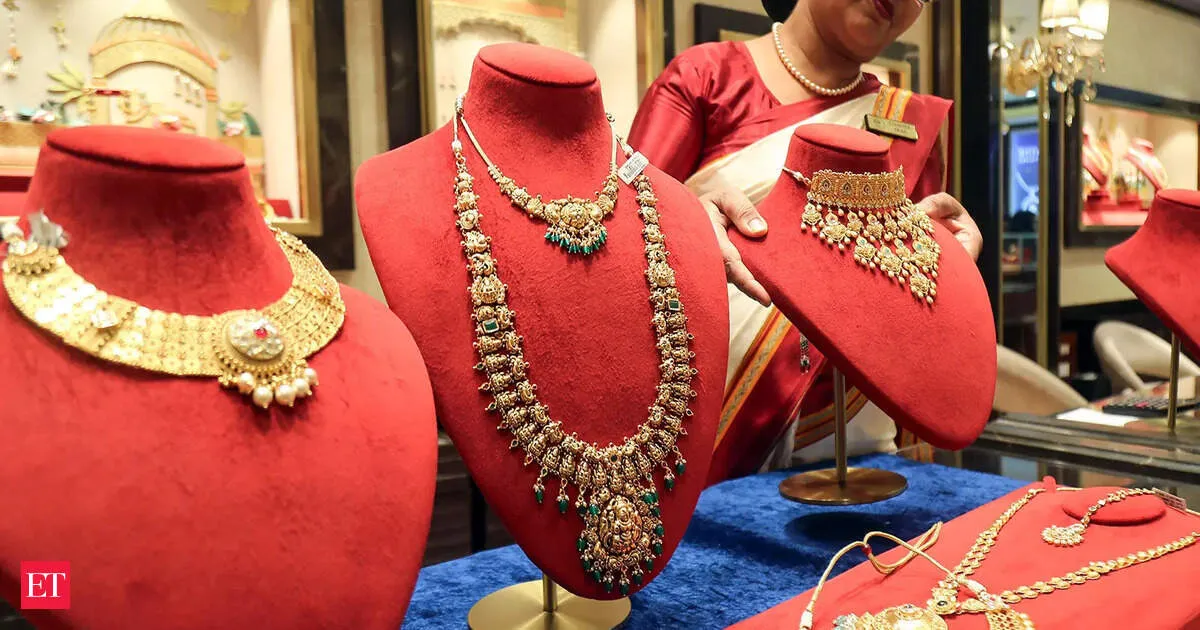
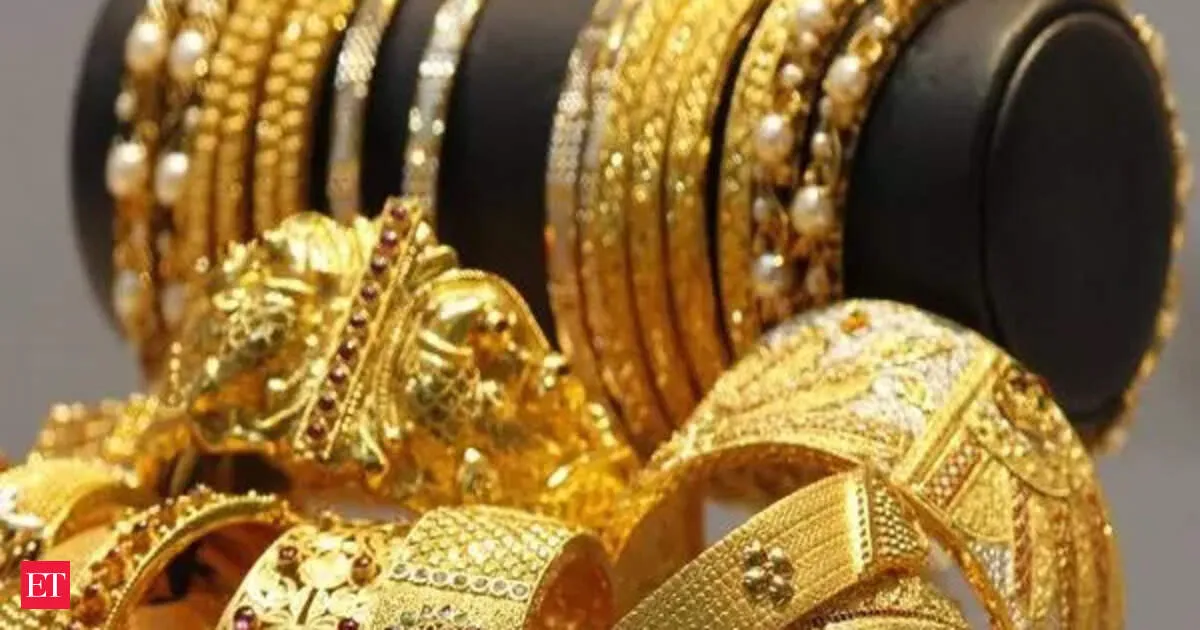
As import duties rise and Prime Minister Narendra Modi urged Indians to delay gold purchases, jewellery brands are pushing recycling offers. Customers can exchange old jewellery for new pieces, with redemption value tied to purity and current market prices. Companies increasingly use XRF machines to test composition accurately, helping buyers get more transparent quotes while potentially reducing India’s gold imports.
Gold and silver prices are falling today as traders react to U.S. inflation and shifting Federal Reserve expectations. Rising U.S. producer prices have renewed bets on higher interest rates, weighing on precious metals. Analysts warn prices could stay under pressure short term, but long-term demand may remain supported by global risks and continued investor interest.
MCX shares climbed to a new high as investors cheered results and the tailwind from rising gold and silver prices. The exchange posted a fourfold jump in net profit and a threefold rise in revenue, reinforcing confidence even as the broader market stayed weak. Still, some analysts hold back, keeping a cautious view on what happens next.
Reading on mobile?
Open Beige in the app for a smoother experience — free on iOS and Android.
India has raised the basic import duty on gold to 15%, up from 6%, as the rupee slid to a record low of 95.85 per dollar. SBI says the hike supports rupee stability and helps contain the current account deficit, while analysts warn of a sharp price shock for India’s domestic jewelry market.
SBI Research says a 15% customs duty hike on gold imports is likely to lift domestic prices and reduce legal import volumes. The report also flags a risk of supply diversion into grey markets, potentially reshaping the flow of gold into India. While the effect on the current account deficit is uncertain, the direction for pricing and imports appears clear.
Kalyan Jewellers shares have fallen more than 40% from their peak, cutting into investor wealth by about Rs 27,000 crore. The drop comes after Prime Minister Narendra Modi asked people to pause gold purchases and the government raised import duties. Analysts cite policy headwinds plus technical weakness as the stock struggles to stabilize.
Gold and silver opened lower on MCX as traders tracked developments from Trump–Xi talks and watched the Iran conflict closely. July 2026 silver fell to around Rs 2,96,879 per kg, while June 2026 gold dropped near Rs 1,61,027 per 10 grams. The fall comes after a powerful previous session that saw silver surge and gold climb sharply.
Follow your favourite sources
Track sources, tags and categories — all in the Beige app.
Oil prices rose slightly as investors waited for a Trump-Xi delegation-level meeting in Beijing, with traders tracking escalation risks from the Iran war. Brent and WTI edged higher. Gold climbed alongside a weaker dollar, while U.S. inflation pressures and Middle East uncertainty supported demand—pushing Indian gold discounts to a record.
Gold ticked up as the dollar weakened, with traders focused on looming Trump and Xi Jinping talks. At the same time, U.S. producer prices jumped, pointing to faster-moving inflation. In India, gold discounts widened to a record high despite weak demand, highlighting a split between global cues and local buying sentiment.
Metal stocks surged on Tuesday as global base metal prices rallied sharply amid supply disruptions and strong demand. The momentum also lifted gold loan companies after the government raised customs duty on gold and silver, a move intended to curb imports while supporting domestic prices. Investors reacted positively across both metals and the lending space tied to bullion demand.
Industry executives say a duty hike could push consumers toward lower carat jewellery such as 14K and 9K, reducing gold imports by 20-30%. They add that discouraging investment in gold bars and coins could cut imports further by another 20-30%. With India importing 750-800 tonnes annually, revamping the Gold Monetisation Scheme could unlock 25,000 tonnes of grandfather stock.
Stay informed on the go
Bite-sized news from 100+ trusted sources, right in your pocket.
In a late Tuesday move, India raised import duties on gold and silver to 15% from 6%, effective May 13, combining a 10% basic customs duty with a 5% Agriculture Infrastructure and Development Cess. The government says the aim is to curb overseas buying of precious metals and ease pressure on foreign exchange reserves, even as bullion prices reportedly jump about 7%.
India has raised import duties on gold and silver to 15 percent to curb non-essential inflows and protect foreign exchange reserves. While the higher cost is already hitting the import bill and could pressure jewellery demand, demand is expected to remain resilient. Economists also warn the tariff spike may spur smuggling as traders seek to bypass duties.
Swipe through stories, personalise your feed, and save articles for later — all on the app.