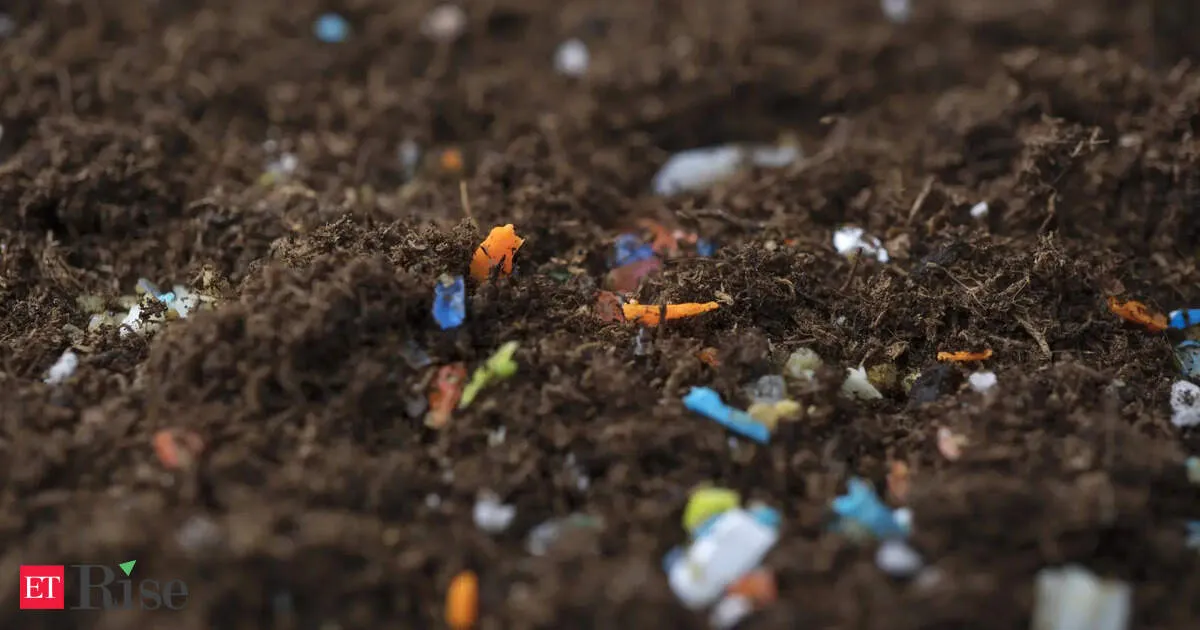
Scientists report that colored microplastics floating in the atmosphere can trap heat much more effectively than previously assumed, especially over regions with heavy plastic pollution. The findings suggest current climate models are missing a key warming driver. Researchers say model updates are needed to better forecast temperature trends and understand the full climate impact of plastic waste.
The giant A-23A iceberg, floating since 1986, is now nearing its end as bright aquamarine meltwater pools spread across its surface. Scientists say the blue spots show the ice is weakening and breaking apart after its long drift in the Southern Ocean. Researchers are monitoring the collapse closely as a stark, visible reminder of climate change at work.
Your news, in seconds
Get the Beige app — every story in 60 words, updated hourly. Free on iOS & Android.
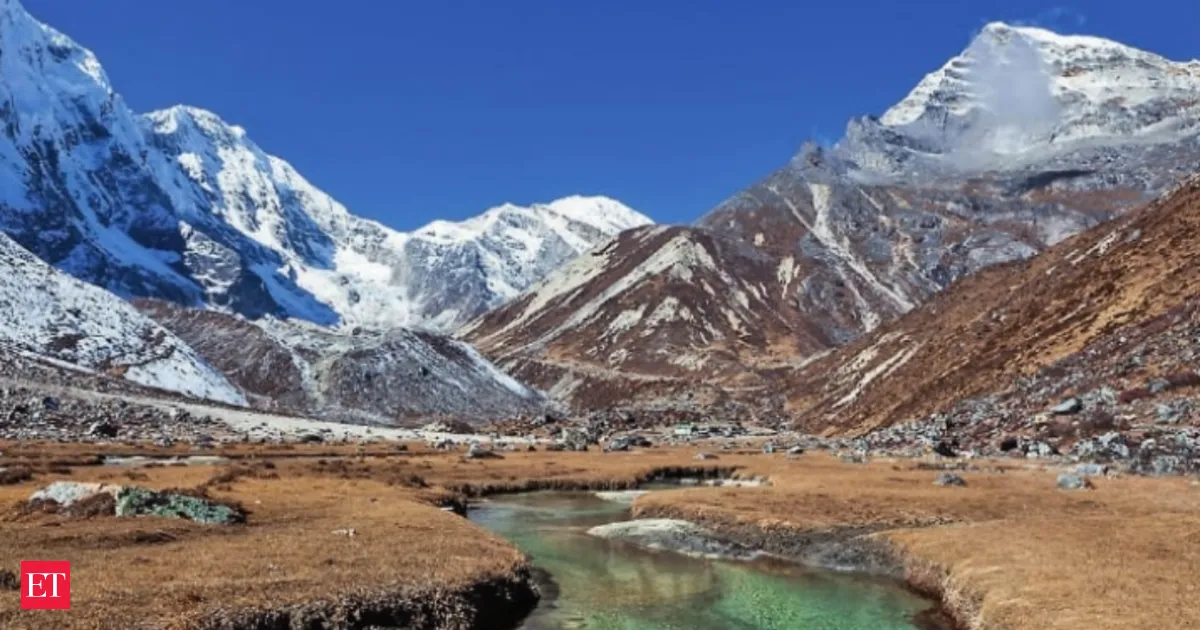
Asia is warming at nearly double the global average, according to a shift from the 1961–1990 period to 1991–2024. That faster rise is driving harsher heatwaves, glacier losses, and marine heatwaves, increasing risks to water supplies and destabilizing both economies and ecosystems across the region.
The UN says global emissions have hit a record high and current national pledges won’t prevent severe climate damage. Under present commitments, warming is projected to stay around 2.5C this century, far above the 1.5C target. Big polluters are being urged to make faster, deeper cuts to reverse the trajectory and “bend the curve.”
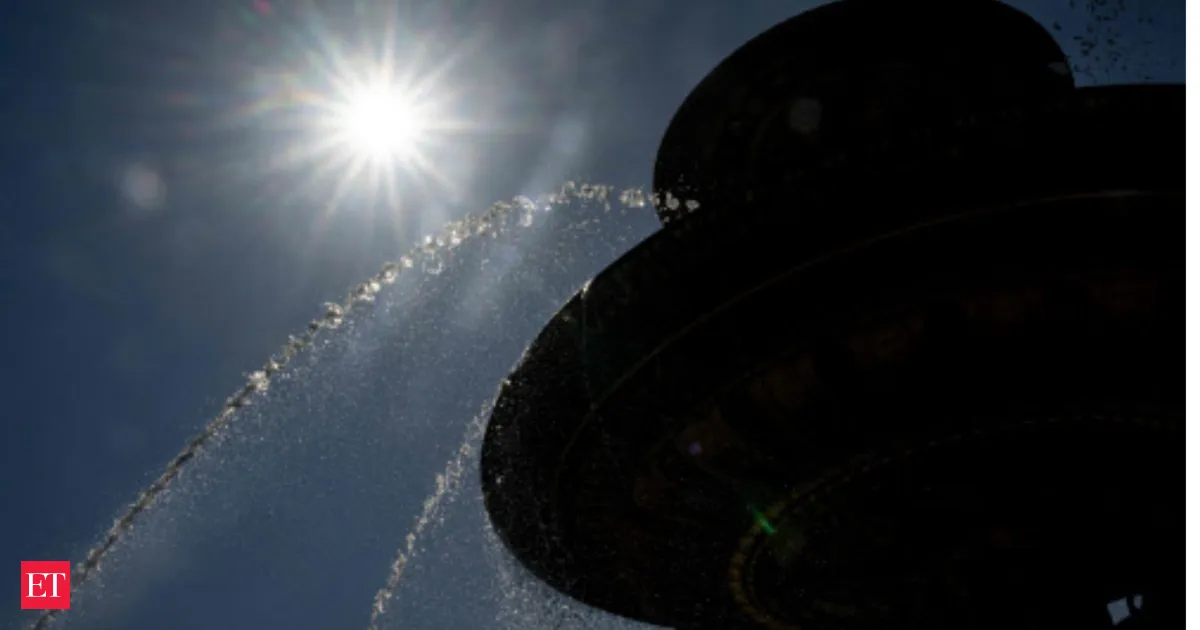
A European climate monitor says August was the world’s third-hottest on record, with devastating wildfires and blistering heatwaves across regions. The report warns that unusually warm oceans are intensifying extreme weather risks. It urges faster emission cuts and stronger adaptation planning, arguing that deadly heat and fire episodes are likely to become more frequent and severe.
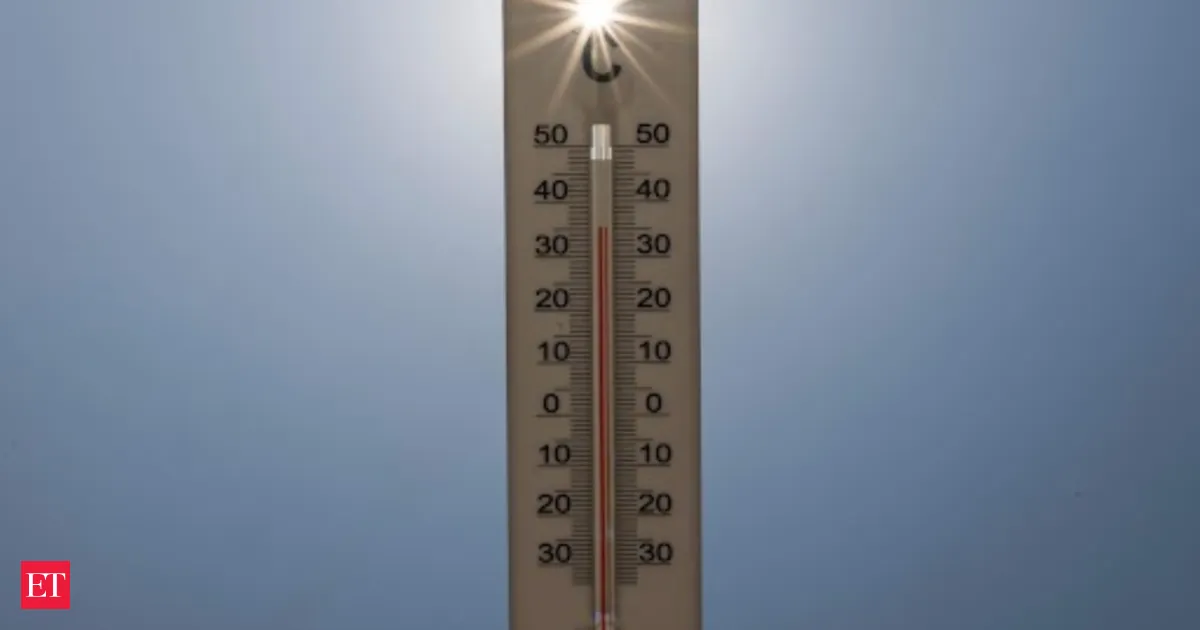
China has logged its hottest summer on record in 2025, the China Meteorological Administration said, with heatwaves persisting across the south. From June to August, large parts of the country faced intense temperatures, and the national average rose to 22.31C—marking the warmest summer since the agency began records in 1961.
Never miss a story
Set alerts for the topics and sources you care about. Download Beige for free.
The UN says countries’ current carbon-cutting pledges would only deliver about a 10% emissions reduction by 2035—well below what climate goals require. The report also notes it couldn’t build a full global picture because many nations failed to submit plans on time. China’s first absolute target to cut emissions by 7–10% is included in the estimate.
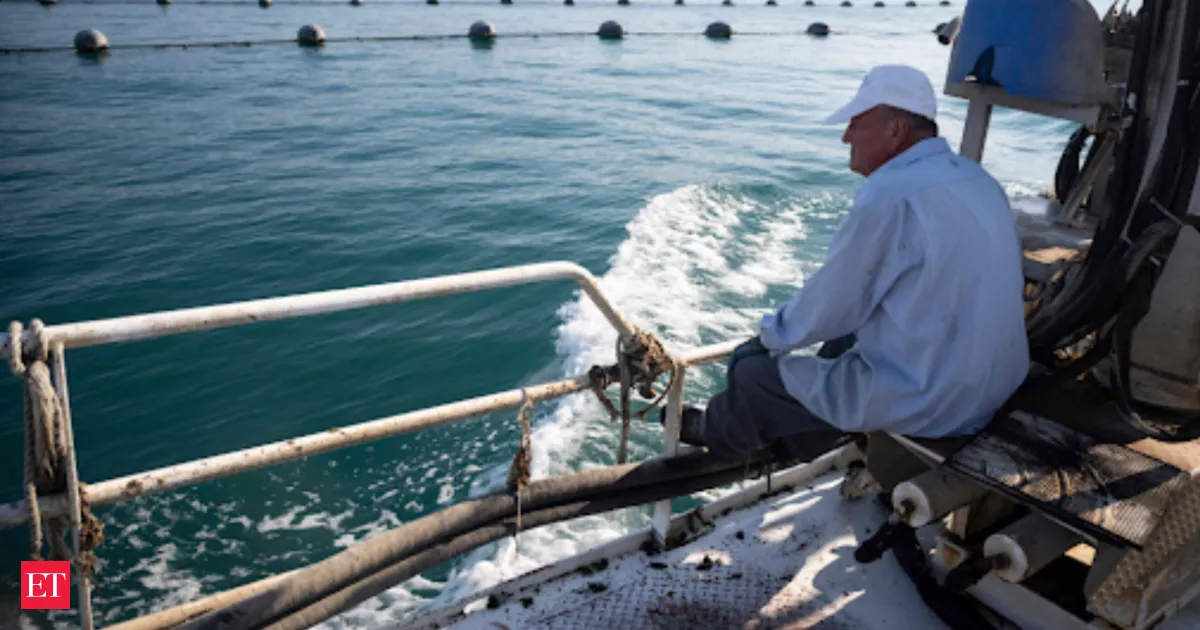
Rising temperatures in Bulgaria’s Black Sea are suffocating mussels, forcing farmers like Nayden Stanev to overhaul how they seed and harvest—timing work and moving to cooler depths. But even these adjustments can’t fully cancel the threat as warmer waters continue to spread, leaving livelihoods tied to a changing sea.
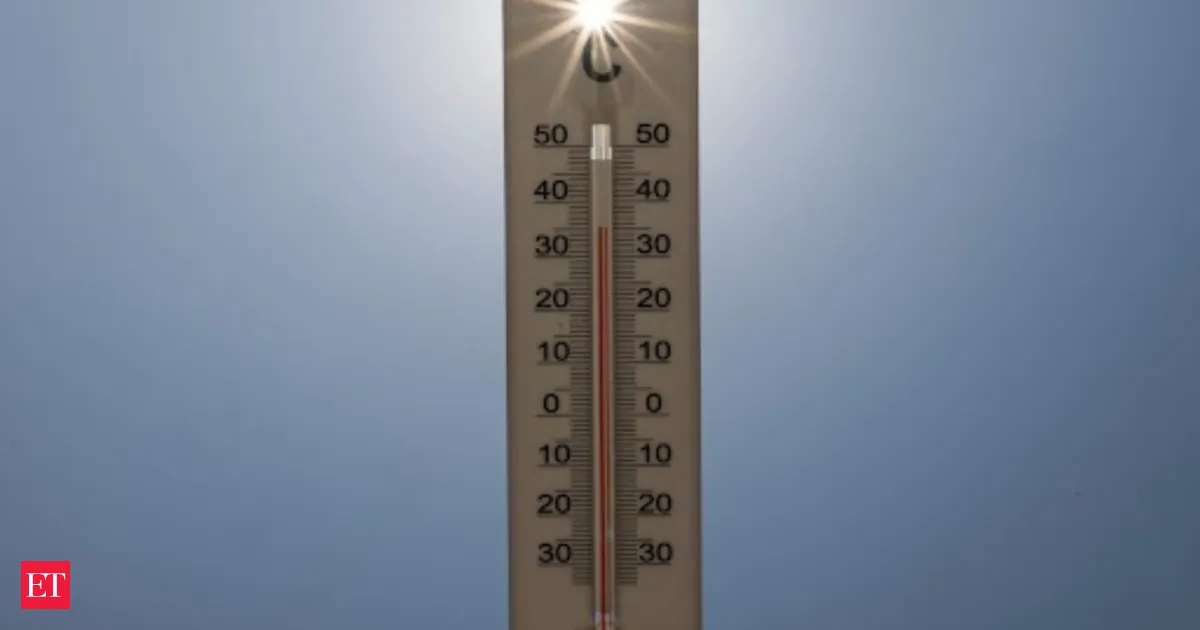
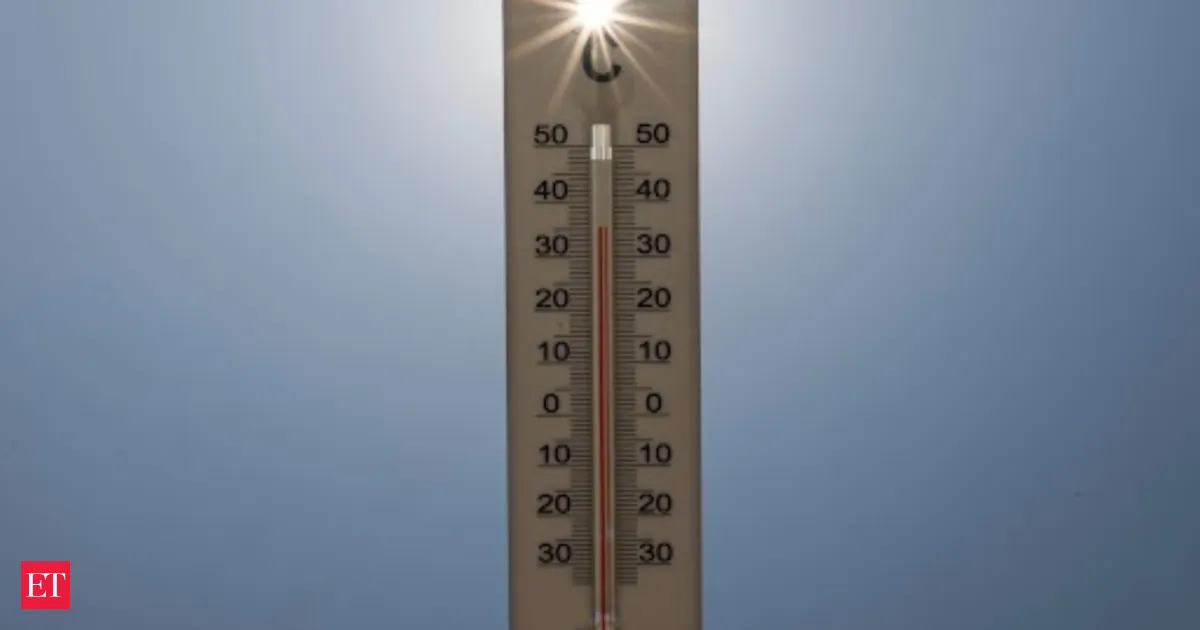
Japan recorded a new heat extreme as temperatures surged to 41.8C, according to the weather office. Officials cautioned that conditions could worsen further, underscoring how climate change is driving hotter, more unpredictable weather across the globe. The latest spike adds to growing evidence of escalating heat risks in major regions.
Professor Klaus Dodds warns that as warming opens Arctic routes, Greenland has become a prize in great-power rivalry. He says the US is drawn by rare earth minerals, hemispheric security, and emerging shipping lanes, while Asian and Middle Eastern players increasingly join Arctic projects. He urges Europe to back Greenland if US annexation fears grow.
Reading on mobile?
Open Beige in the app for a smoother experience — free on iOS and Android.
Swipe through stories, personalise your feed, and save articles for later — all on the app.