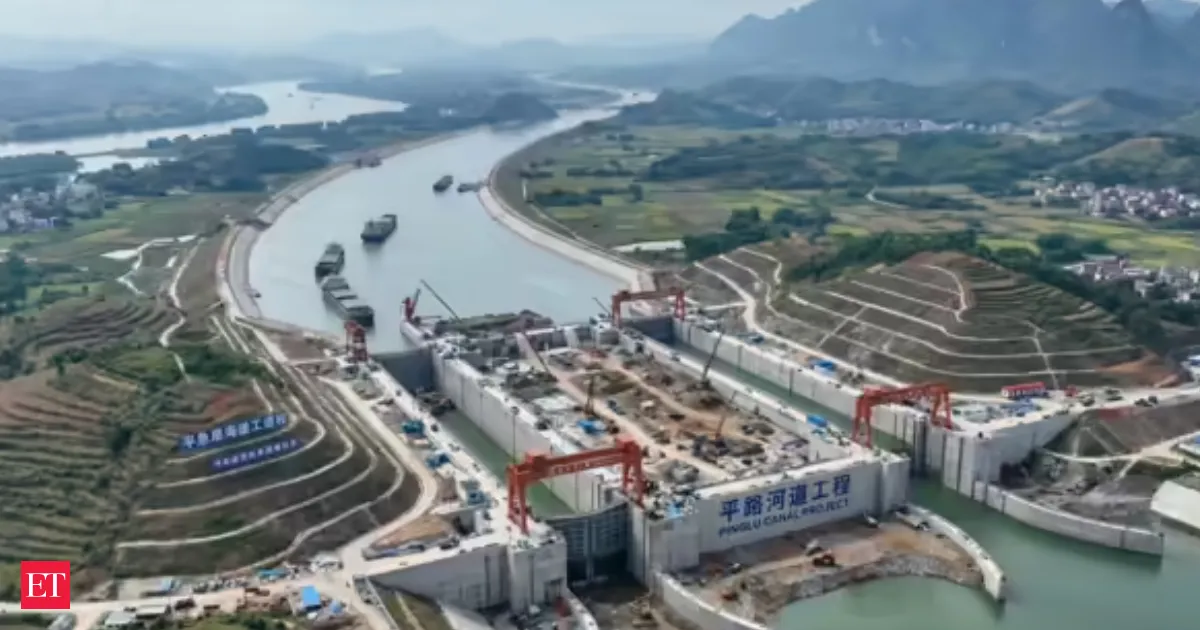
China is building the 134 km Pinglu Canal in Guangxi, linking inland waterways directly to the Beibu Gulf. The project is designed to cut shipping distance by 561 km, reducing logistics costs by billions while tightening China’s control over trade flows. By creating a faster corridor for cargo ships, Beijing is actively redrawing the map of regional shipping geography.
SEMI’s CEO says Southeast Asia risks supply vulnerabilities as only six of Asia’s 64 planned semiconductor fabs by 2029 are expected in the region. Most new capacity is set to concentrate in China and Taiwan, leaving the supply chain more exposed to geopolitical shocks. SEMI calls for faster regional expansion of semiconductor production to balance capacity and reduce risk.
Your news, in seconds
Get the Beige app — every story in 60 words, updated hourly. Free on iOS & Android.
As global trade keeps expanding, experts say cracks are widening in the WTO’s governance—especially with “plurilaterals” lacking shared guardrails. They argue that “precautionism” is driving cautious, fragmented rulemaking, complicating consensus. Reforming WTO rules and balancing unilateral risks with multilateral stability is now central, with India’s negotiating approach under scrutiny.
Amazon reported a stronger first-quarter profit and revenue, with cloud growth, AI investments, new partnerships, and expanded delivery helping drive net sales higher. The company also offered a solid sales outlook, but shares slipped after hours as investors scrutinized spending plans and flagged rising tariff and shipping costs across global operations.
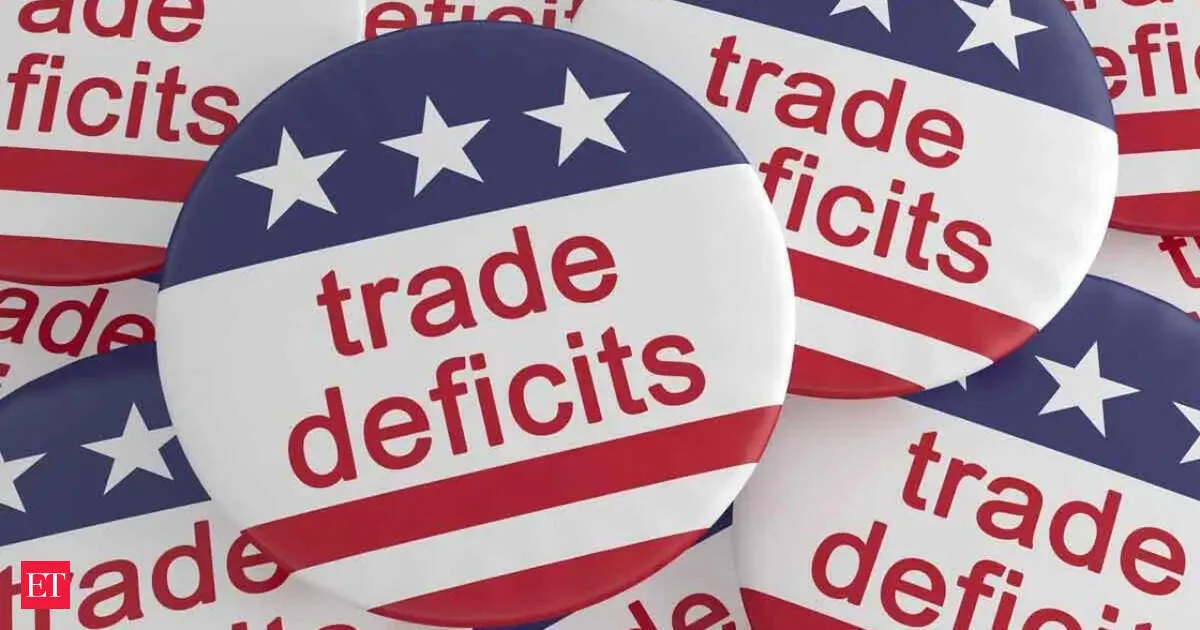
The US goods trade deficit widened 5.3% to $87.9 billion in March, according to the Commerce Department’s Census Bureau. Economists had forecast a smaller gap of $86.95 billion. February’s deficit was $83.5 billion, highlighting how sharply higher imports are driving the widening imbalance in trade.
Dr Bhaskar Jyoti Sonowal from Assam has been elected president of the BRICS Entrepreneurs Alliance Global Forum for the 2026-27 term. The move underscores India’s rising influence in global trade and places a new focus on building partnerships and opening doors for Indian entrepreneurs. India will also host the BEA Global Summit in November 2026.
Never miss a story
Set alerts for the topics and sources you care about. Download Beige for free.
India has called for the immediate restoration of safe, unimpeded maritime passage through the Strait of Hormuz, citing deep concern for the safety of its seafarers. It warned that disruptions to the key waterway could damage global trade and stressed that freedom of navigation and commerce must be respected after incidents that claimed Indian lives.
Alan Blinder, former Federal Reserve vice chair, sharply criticizes Donald Trump’s approach to economics and rhetoric, arguing that tariffs are contractionary and that political pressure is undermining trust in American statistics. Blinder also warns that the US retreat from globalization could worsen uncertainty and weaken the future of global trade, with ripple effects beyond India and the US.
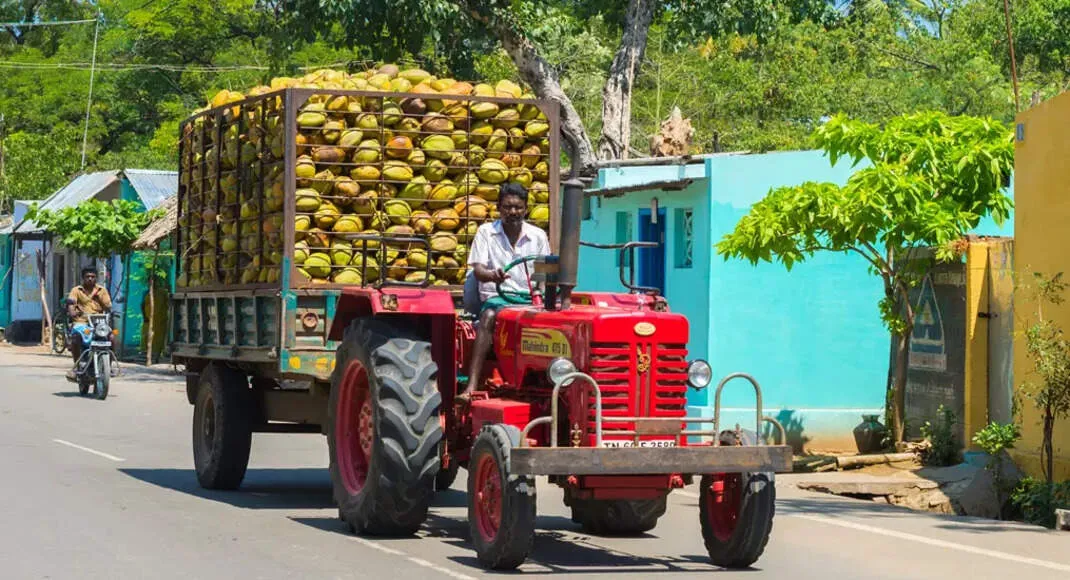
India has overtaken US and China to become the world’s biggest tractor market, now capturing about half of global wheeled-tractor sales. That rise is happening despite slow agri GDP growth and shrinking farm sizes. With farming not doing the heavy lifting, the question is: what demand is really propelling tractor sales across India?
Economist Kenneth Rogoff says Donald Trump’s tariff push may appear to be reshaping global trade, but it likely won’t last once other countries learn how to hit back effectively. He ties US economic risks to dollar dominance, sanctions, and unsustainable debt, arguing no single currency can replace the greenback and forecasting slower US growth.
Reading on mobile?
Open Beige in the app for a smoother experience — free on iOS and Android.
As the Iran war deepens, an oil shock is rippling through global markets. Governments are moving to energy-saving measures while nations reliant on oil imports via a troubled strait face tighter supplies. With low reserves heightening vulnerability, prices are climbing across industries, hitting low-income households hardest as daily costs jump faster than wages.
Swipe through stories, personalise your feed, and save articles for later — all on the app.