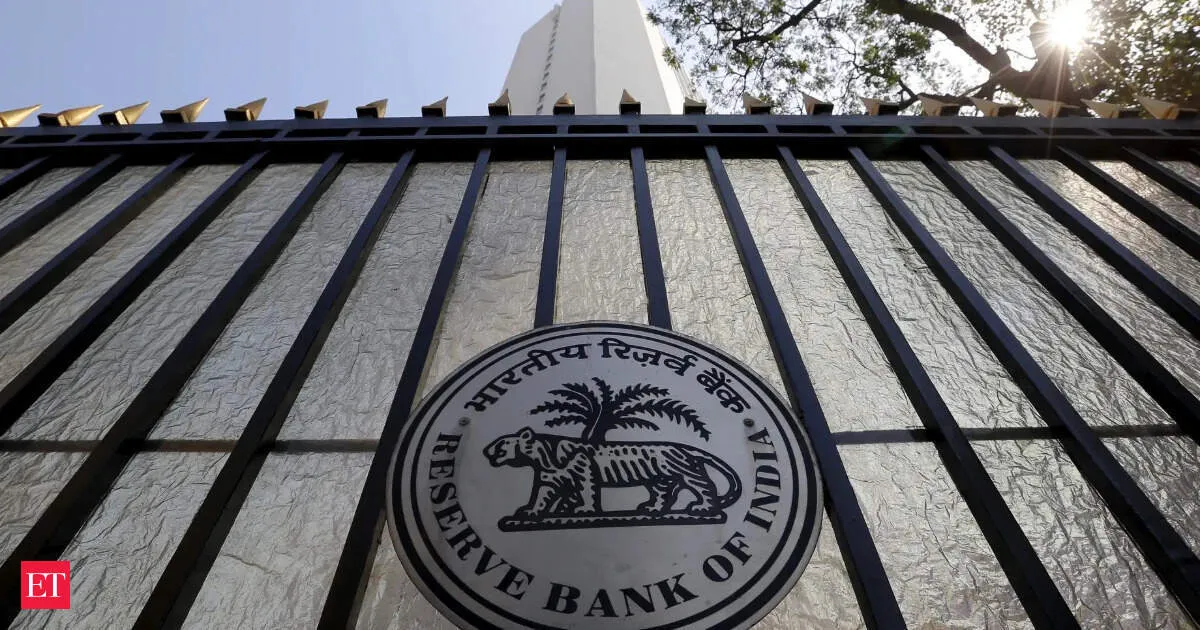
Indian companies and lenders cut foreign borrowing filings sharply in March, with ECB intentions falling to USD 5.43 billion. RBI data points to global financial market uncertainty behind the slowdown. While the figure is down from last year’s level, it is still higher than February’s filings, even as major firms moved ahead with new projects and loan refinancing.
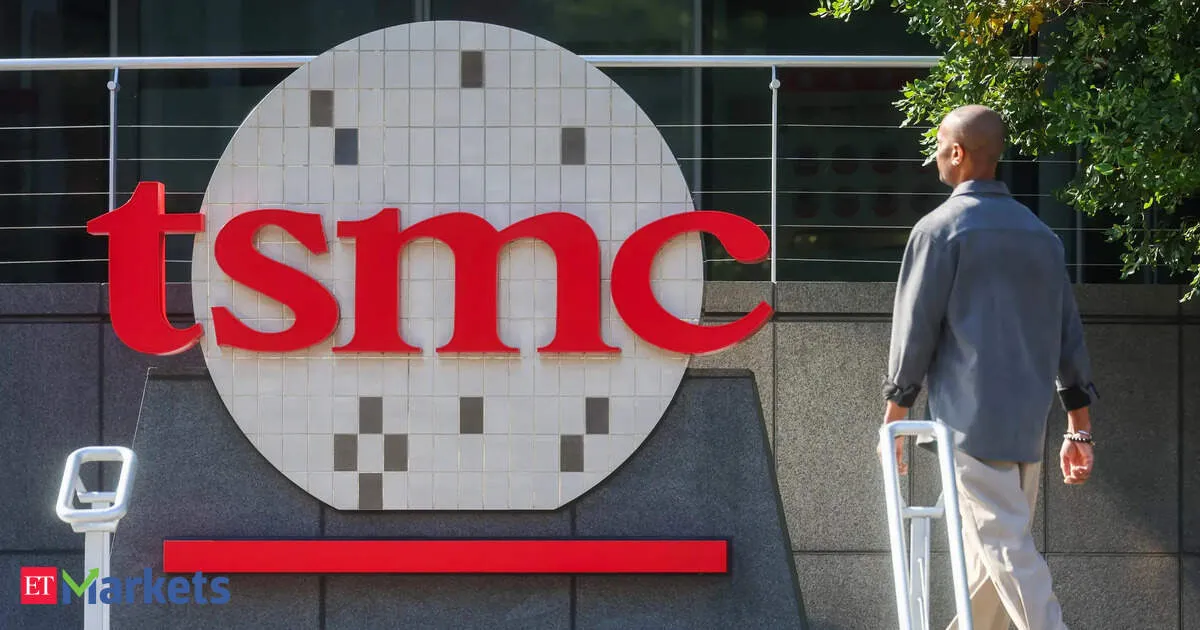
TSMC’s leadership says AI is set to overtake smartphones as the semiconductor industry’s biggest growth engine. Speaking at the 2026 Taiwan Technology Symposium, Kevin Zhang projected global chip output could hit $1.5 trillion by 2030, signaling a major shift in how demand is being shaped as AI workloads drive new chip priorities and investment cycles.
Your news, in seconds
Get the Beige app — every story in 60 words, updated hourly. Free on iOS & Android.
Global markets turned mixed as Wall Street tech stocks pushed indexes to fresh record closes, while Japan’s Nikkei struggled to hold its record run. Early gains tied to AI-related Japanese firms faded as investors refocused on rising inflation and looming interest rate pressures, cooling sentiment despite the broader tech-driven optimism.
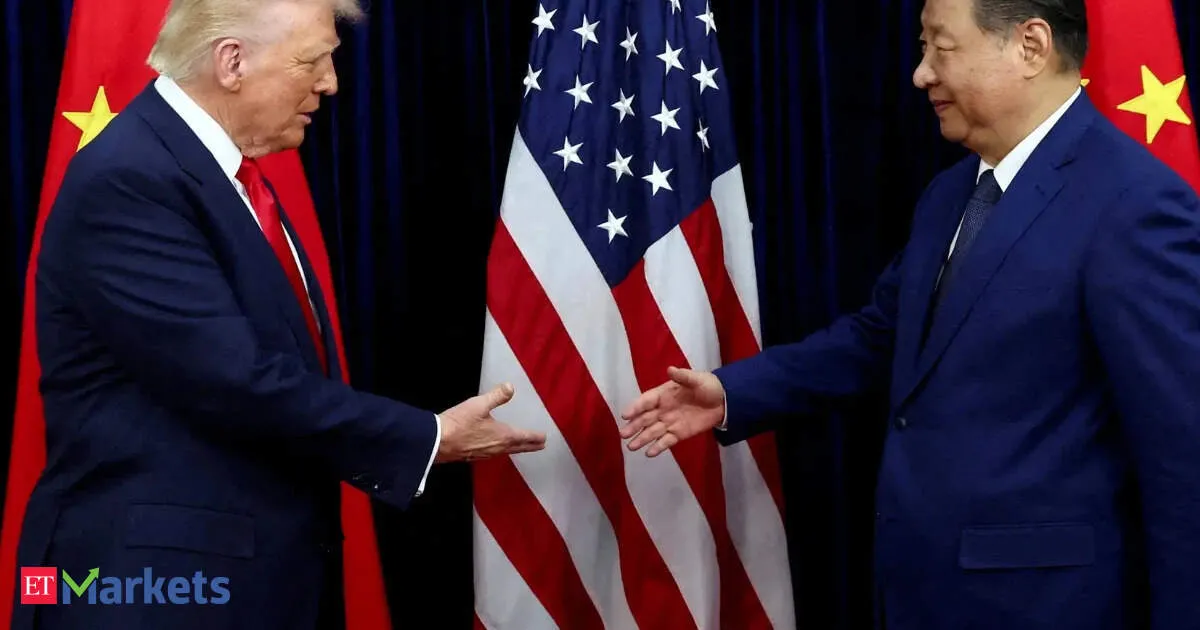
Markets are watching a high-stakes Trump Xi meeting for signs of stability as geopolitical tensions mount. Market strategist Shaun Rein says trade and AI will matter, but the West Asia crisis could dominate talks—partly because the US may rely on China’s diplomatic leverage. The outcome could influence global risk sentiment well beyond the summit.
Japanese investors turned net sellers of foreign equities in April for the first time in four months, dumping 636.4 billion yen. The move was driven by higher energy costs and renewed inflation worries, while trust accounts spearheaded the selling. Investment trusts and life insurers kept buying abroad. The shift followed faster US inflation, strengthening expectations of longer high interest rates.
TSMC has upgraded its long-term outlook for the global semiconductor industry, now forecasting the market will exceed $1.5 trillion by 2030. The company credits accelerating demand from artificial intelligence and high-performance computing, and says it expects rapid growth in advanced chip production while expanding manufacturing capacity in the US, Japan, and Germany.
Never miss a story
Set alerts for the topics and sources you care about. Download Beige for free.
India has banned sugar exports until September 2026, aiming to cool domestic prices as local production lags behind consumption. The curbs are expected to ripple through global sugar markets, potentially easing pressure for major exporters like Brazil and Thailand. Traders with existing contracts face uncertainty, though shipments already in the pipeline may continue under defined conditions.
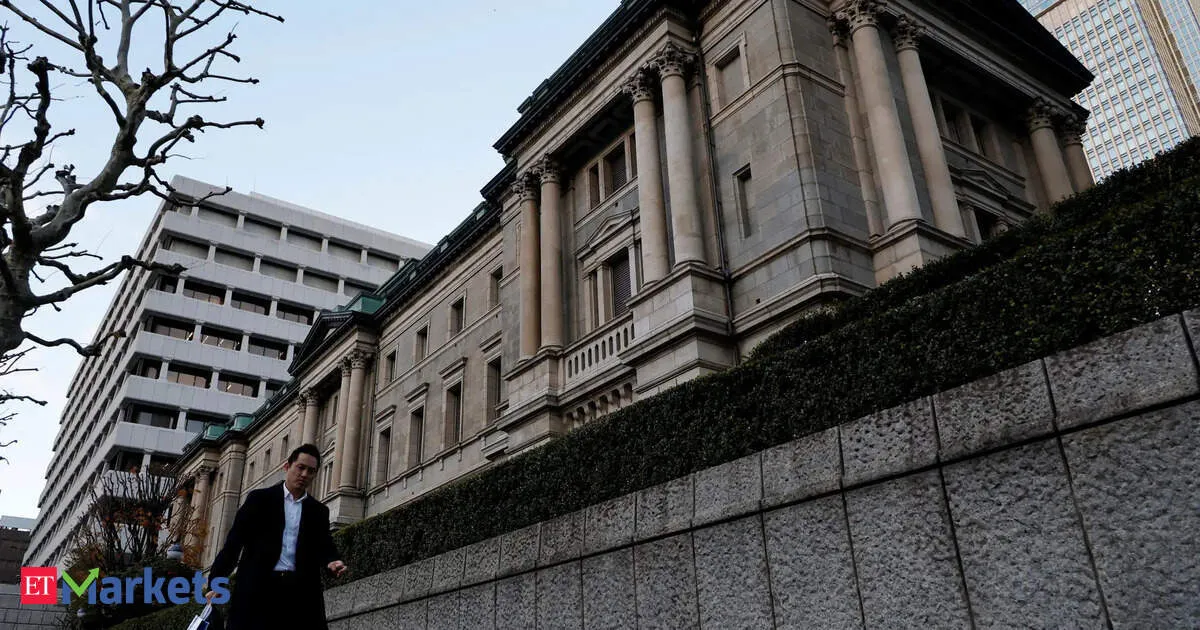
The OECD expects the Bank of Japan to lift interest rates to around 2% by late 2027, signaling a break from decades of low inflation. The forecast points to improving wages and consumer demand that can support gradual borrowing cost hikes, alongside a likely reduction in bond purchases. If realized, it marks a major shift in Japan’s monetary era.
U.S. markets are looking past near-term turbulence as forecasts suggest the S&P 500 could extend its rally into 2026. The catch: Middle East tensions are disrupting global energy flows, keeping inflation pressure elevated. Experts point to a potential “ray of hope,” arguing growth and market positioning may cushion shocks even if costs stay firm.
Analyst Sandip Sabharwal warns that foreign selling is driving a currency-stock spiral even as domestic earnings hold up. Strong corporate results and steady SIP inflows are acting as anchors, but retail trading has cooled. He suggests patient investors could benefit from a rebound once global sentiment improves, flagging Indian Hotels as a long-term opportunity.
Reading on mobile?
Open Beige in the app for a smoother experience — free on iOS and Android.
Global markets are holding up as investors increasingly prioritize AI and technology rather than escalating West Asia tensions. The prevailing view is that any conflict will be brief, letting capital return to future tech growth—especially in the US and Europe. Attention is also turning to a potential Trump-Xi meeting that could reshape US-China tech rivalry and investment expectations.
The Bank of Japan is moving toward a more hawkish stance as surging oil prices tied to the Iran conflict push inflation higher. Some policymakers are pressing for a rate hike as early as June, marking a potential shift away from Japan’s long low-interest-rate era. Markets are recalibrating expectations for tighter policy and meaningful changes ahead.
Oil prices rose for a second straight day, driven by heightened uncertainty over US-Iran ceasefire negotiations and ongoing global supply worries. Trump said peace talks are struggling, while the US plans to release oil from its reserves. Traders are also watching Trump’s upcoming China visit, hoping diplomatic pressure could help unlock a resolution and ease market risk.
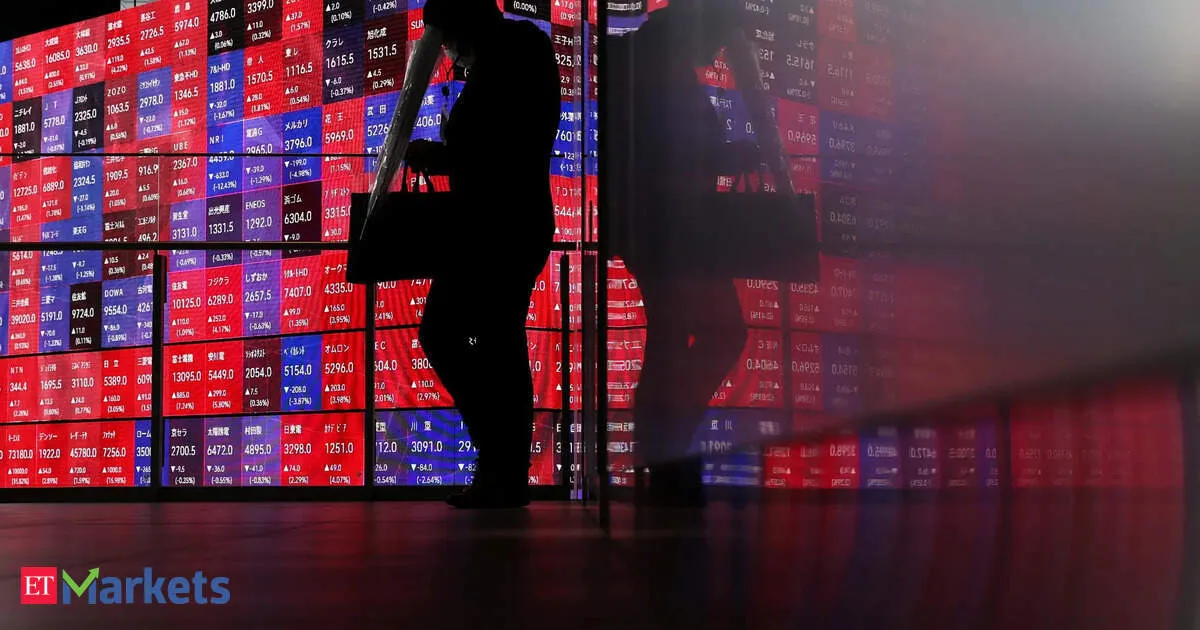
Japan’s Nikkei 225 edged down 0.1% to 62,666.57 after briefly flashing an all-time high of 63,385.04. The Topix index rose 0.23% to 3,838.26. The retreat highlights renewed investor caution as Iran conflict concerns resurface across global markets, nudging sentiment even amid earlier momentum.
Follow your favourite sources
Track sources, tags and categories — all in the Beige app.
Australian shares fell as banks weighed on sentiment and biotech leader CSL plunged 16% after cutting its full-year 2026 outlook. The company also flagged a $5 billion impairment, dragging the healthcare index 6.5% to an over eight-year low. Broader risk appetite was further dented by rising US-Iran tensions influencing global markets.
Global equity markets are holding up despite geopolitical worries and expensive oil, with investors leaning on economic resilience driven by AI powered earnings growth. Tech and semiconductor stocks are leading in South Korea and Taiwan, while US markets post broad gains. India’s outlook looks shakier, given its higher dependence on imported oil.
Global investors are increasingly targeting South Korea and Taiwan as AI demand and semiconductor momentum lift equities sharply. Samsung Electronics and Taiwan Semiconductor Manufacturing sit at the center of the rally, reflecting surging bets on chips powering AI infrastructure. The boost stands in contrast to other emerging markets, including India, where investors are confronting tougher headwinds.
China’s car sales dropped 21.6% year-on-year in April, extending a seventh straight month of contraction. With the domestic market weakening, automakers are leaning on export growth that jumped 80.2% to offset losses. The shift is visible in BYD’s results, where global shipments rose even as overall sales declined.
Stay informed on the go
Bite-sized news from 100+ trusted sources, right in your pocket.
As global equities ride a rally, traders are shifting focus to Asia for the next upswing. The momentum is fueled by AI enthusiasm and strong performances in South Korea and Taiwan, with strategists favoring AI-linked semiconductors and hardware. India trails, weighed down by oil dependence, weaker currency trends, and comparatively limited AI exposure.
Food prices are set to rise further as the UN’s food-commodity price index hits its highest level in three years. Vegetable oils, meat, and cereals are posting the biggest gains, pointing to broad-based pressure on grocery bills. The uptick is being linked to higher costs tied to the Iran war, raising near-term concerns for consumers.
Swipe through stories, personalise your feed, and save articles for later — all on the app.