Instant house help platforms notched over 3 million bookings in April as demand grows even while companies raise prices. But worker shortages and uncertainty around the “10-minute” category’s long-term profitability are raising questions. To deepen engagement and offset margin pressure, firms are branching into adjacent services like cooking and car washing, testing whether the market can scale beyond quick tasks.
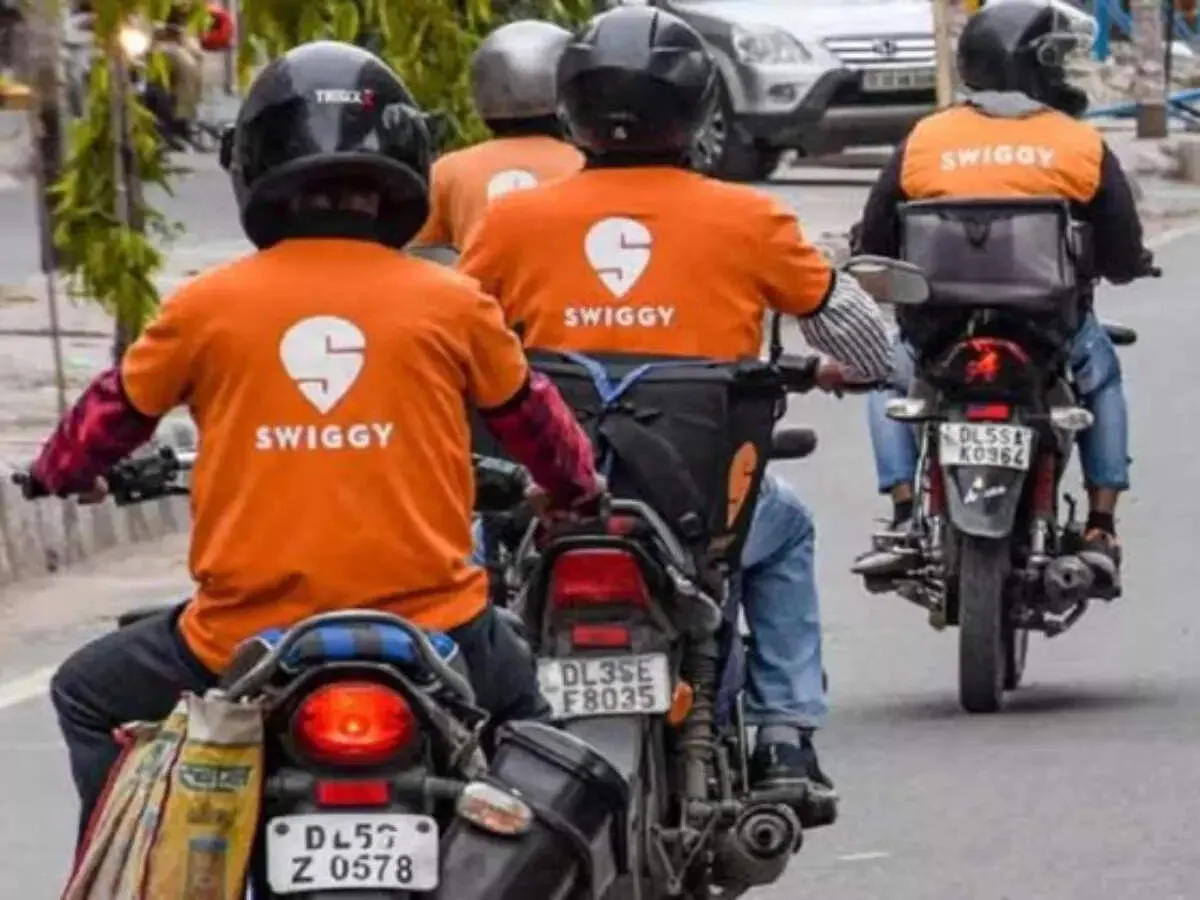
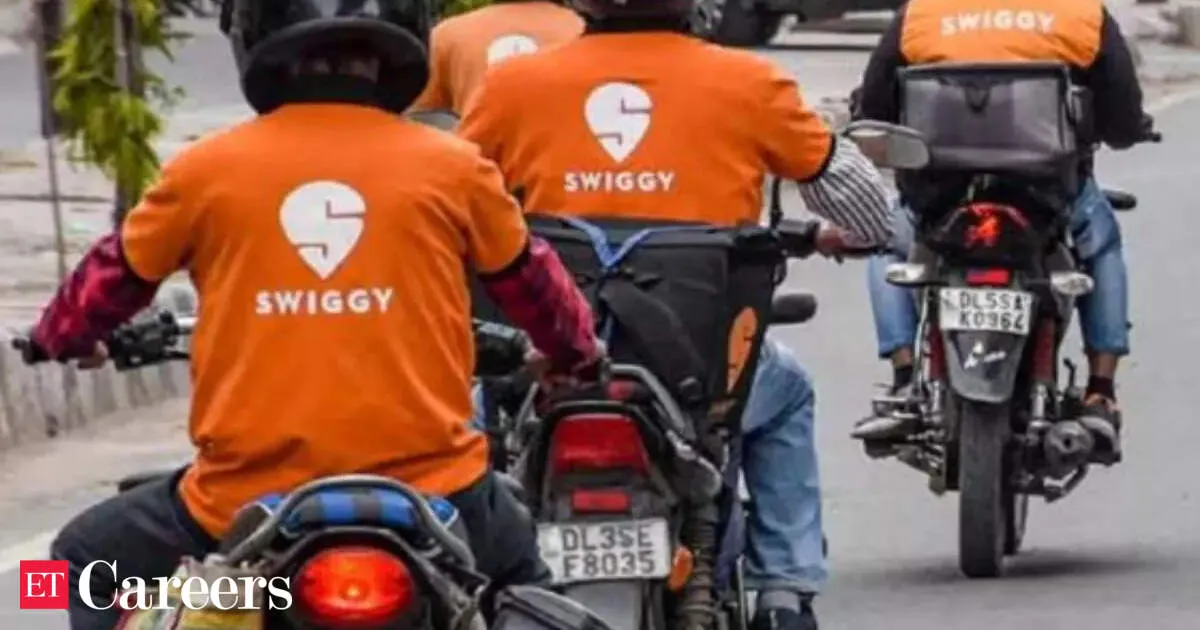
Swiggy and magicpin say delivery times are improving as gig workers return to cities. The shift follows state elections and the peak harvest season, which temporarily pulled riders away. With rider availability rising again, platforms expect services to normalise soon and the food delivery sector to regain momentum after a tough stretch.
Your news, in seconds
Get the Beige app — every story in 60 words, updated hourly. Free on iOS & Android.
Amazon India plans to upgrade the delivery partner work experience by setting up 150 new Ashray Centres this year, aiming for 250 by 2026. The rollout begins with 50 centres launching in May, designed with climate-controlled seating and hygienic washrooms. The move signals a shift toward more comfortable and safer rest spaces for gig delivery teams.
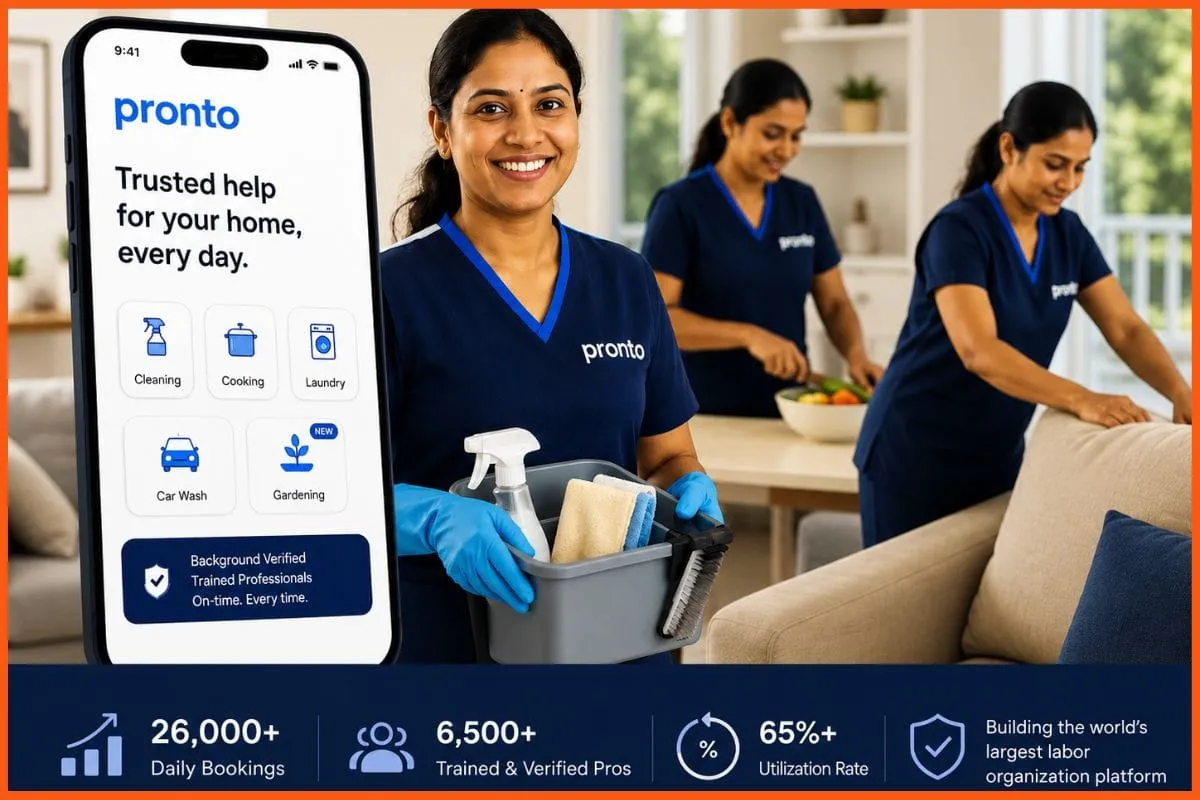
Pronto, India’s instant household services platform, has closed a $45 million Series B at a $200 million valuation—doubling its value in roughly a month. Led by Lachy Groom with a $20 million extension, the funding follows rapid traction: daily bookings rose to 26,000 and the platform runs at over 65% utilization with a rapidly expanding pool of trained, verified pros.
Instant house-help startup Pronto has raised $20 million, doubling its valuation to $200 million. The new funding will help scale its professional supply as competition heats up and demand rises. After a recent jump in orders, Pronto plans to onboard more professionals and expand its services, aiming to keep up with faster customer pull.
Nia one is tackling India’s gig-worker instability by building “studios” in major manufacturing hubs, offering accommodation, meals, grocery and upskilling without deposits. Founded by Sachin Chhabra and Lt Col Pushkar Raj, the model is designed around one goal: help workers reliably save and send ₹8,000 home monthly. Seed-funded by Elevar Equity, it now eyes a Series A and plans an AI financial advisor for migrants.
Never miss a story
Set alerts for the topics and sources you care about. Download Beige for free.
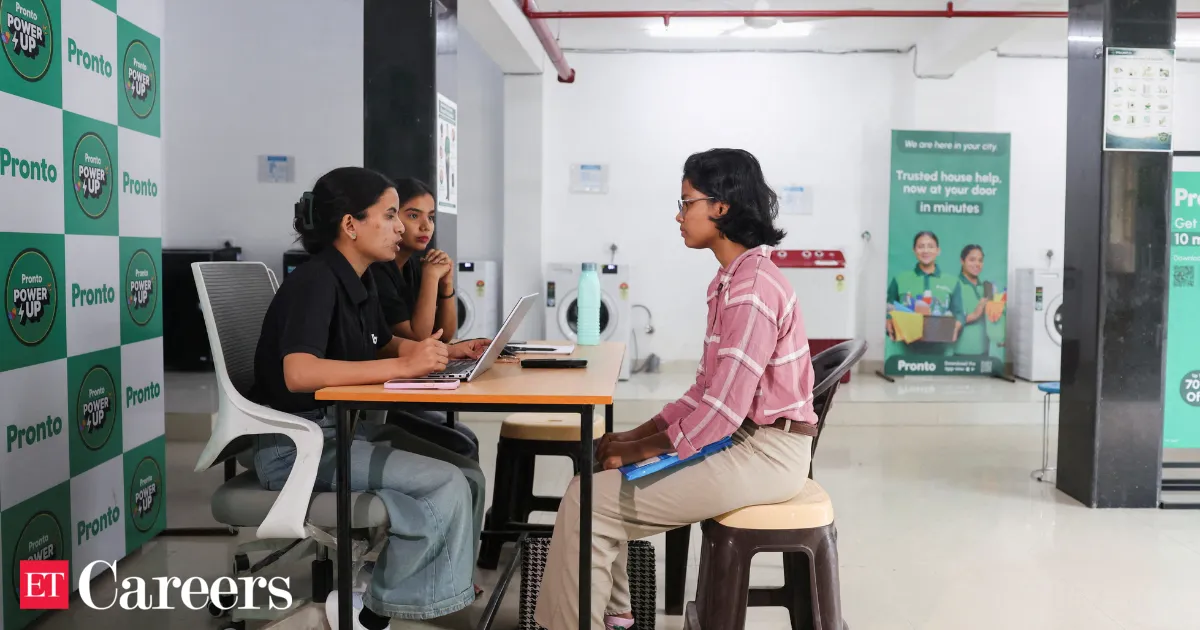
Quick-service platforms such as Snabbit and Pronto are pulling women from the informal domestic economy by offering flexible shifts and fixed monthly payouts that beat earlier, uncertain earnings. Backed by venture capital, they aim to formalize household work at scale, but the model still struggles with ensuring worker safety and long-term stability for employees.
As India’s heatwaves intensify, gig delivery platforms including Amazon, Zomato, Blinkit, Swiggy, BigBasket and Flipkart are rolling out tech-driven and on-ground heat safety measures. Companies are expanding insurance coverage, adding SOS and weather alerts in apps, installing cooling infrastructure in dark stores, and offering cooling vests, doctor consultations and rest stops. A union is now pushing for enforceable legal protections.
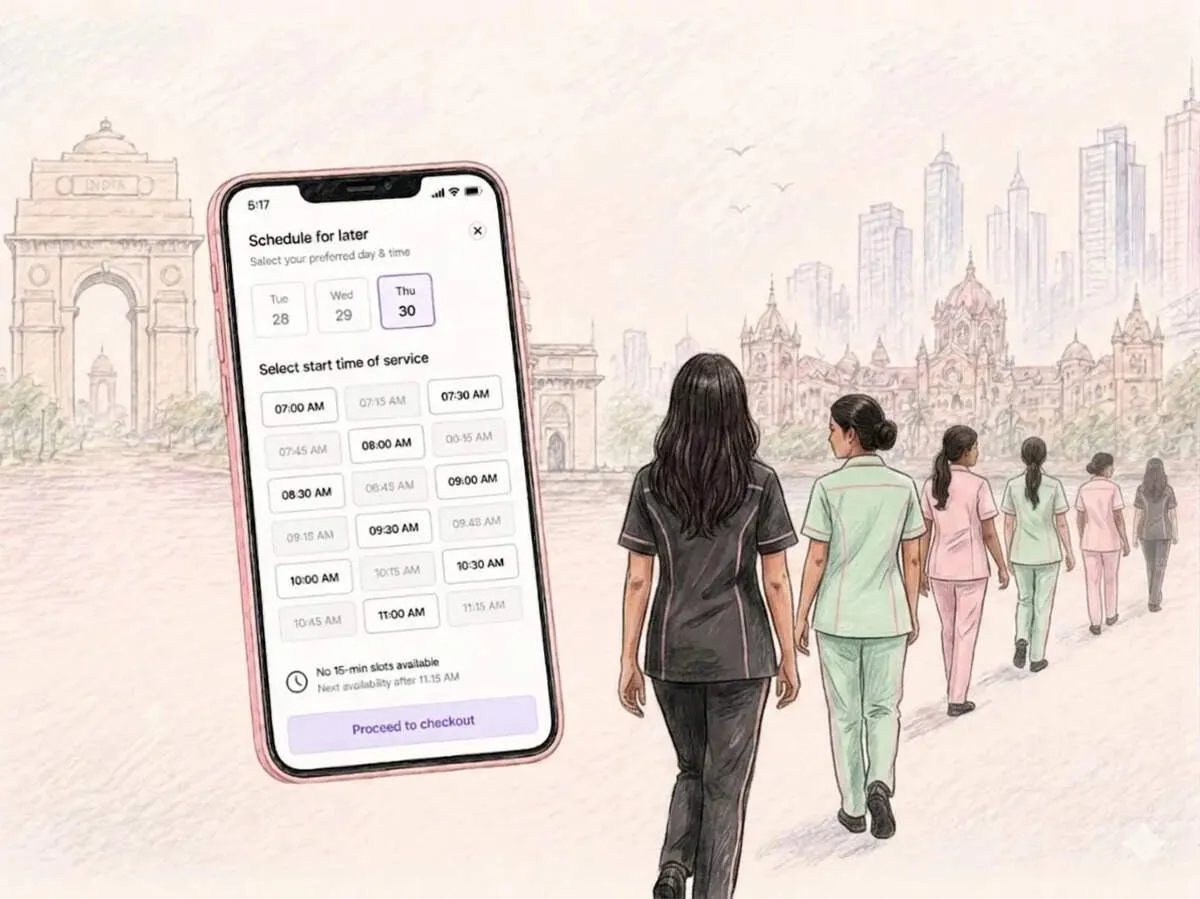
On demand house-help platforms like Snabbit, Pronto and Urban Company’s Insta Help are struggling to scale as gig worker supply falls during summer 2026. Mumbai, Bengaluru and NCR report fewer available slots, forcing cancellations and rescheduling. Demand is climbing fast due to dual-income households and app based hiring, but workers leave cities for harvesting and are harder to retain.
India’s demographic dividend is facing fresh strain as job creation lags behind a young population. With over 65% under 35, unemployment is rising—youth make up 83% of the jobless. Even as the economy recovers, skills gaps and low employability are pushing many into gig work that often lacks long-term stability and growth, locking in short-term financial stress.
Reading on mobile?
Open Beige in the app for a smoother experience — free on iOS and Android.
Instant domestic help platforms such as Urban Company, Snabbit, and Pronto are struggling with gig worker unavailability even as demand accelerates. In Delhi-NCR, Mumbai, and Bengaluru, users report limited availability and disrupted service timelines. With competition intensifying, these startups are rushing to expand supply so that onboarding and booking can catch up with rapidly rising requests.
As employees push for work from home, staffing firms warn of labour shortages hitting manufacturing, logistics, hospitality and facility management. At the same time, consumers in big cities report frequent no-shows from home-service platforms like Urban Company and Snabbit. The result is a tightening market where both workplaces and household services feel the strain.
Ahead of elections in Bengal, domestic helpers are returning, underscoring how deeply middle class urban life depends on their work. The article notes a shift in domestic labour itself: full time roles are giving way to part time gigs, letting workers negotiate schedules and pay. The result is a quieter but significant change in bargaining power at home.
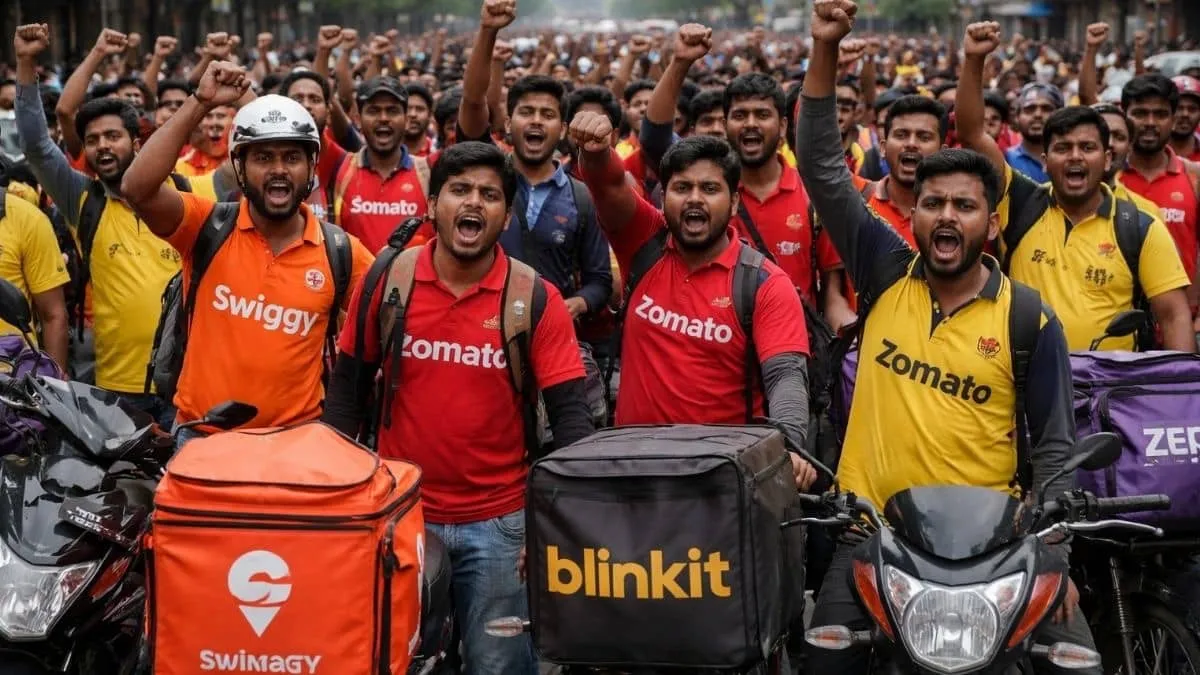
India’s delivery workers have called a New Year’s Eve strike to protest long working hours, low earnings, lack of social security, and safety risks tied to ultra-fast delivery expectations. Gig work may be keeping cities moving, but workers say the “10-minute” model pushes them into unsafe conditions with little protection, prompting fresh pressure on platforms and regulators.
Follow your favourite sources
Track sources, tags and categories — all in the Beige app.
Host cities for the ICC Men’s T20 World Cup are seeing a major surge in temporary gig work. Staffing firms expect hundreds of thousands of short-term roles, especially across hospitality and food services. Hiring has ramped up rapidly since late last year, with different cities showing distinct demand patterns for event-related staffing.
India’s festive hiring climbed 17% between August and October across key sectors, with gig and temporary roles up 25% this year, according to a report. Improved compensation and steady demand reflect growing economic confidence and a more mature gig ecosystem. The momentum is expected to stretch through the wedding season and into March 2026, powered largely by Tier II and Tier III cities.
Swiggy Food Marketplace CEO Rohit Kapoor argues that delivery partners should be treated as flexible employment rather than “gig work.” He positions the role as a third pillar of the job market, separate from formal employment and entrepreneurship. Kapoor notes that millions have worked on Swiggy’s platform, highlighting the sector’s scale and long-term growth potential.
India’s new Labour Code aims to simplify regulations while bringing informal and gig workers into a more formal framework. It promises better security and fairer pay, with enhanced protections for employees. For businesses, especially in organized sectors, the reform is expected to reduce red tape and boost flexibility, alongside specific rules for platform companies.
Stay informed on the go
Bite-sized news from 100+ trusted sources, right in your pocket.
Quick service platform Snabbit has appointed Abhinav Ankur as chief business officer, betting on a surge in house help demand. The company says daily jobs are rising sharply, while rivals like Urban Company’s InstaHelp and Pronto report strong bookings too. Venture capital interest is intensifying, with Snabbit and Pronto both raising substantial funding.
After meeting Union Labour and Employment Minister Mansukh Mandaviya, Zepto cofounder Aadit Palicha said the quick commerce firm backs government initiatives and is willing to accept constructive suggestions. Palicha highlighted the company’s employment footprint, citing over 180,000 delivery partners and more than 40,000 store and warehouse-related workers, while noting other gig players have helped sustain the ecosystem.
Swipe through stories, personalise your feed, and save articles for later — all on the app.