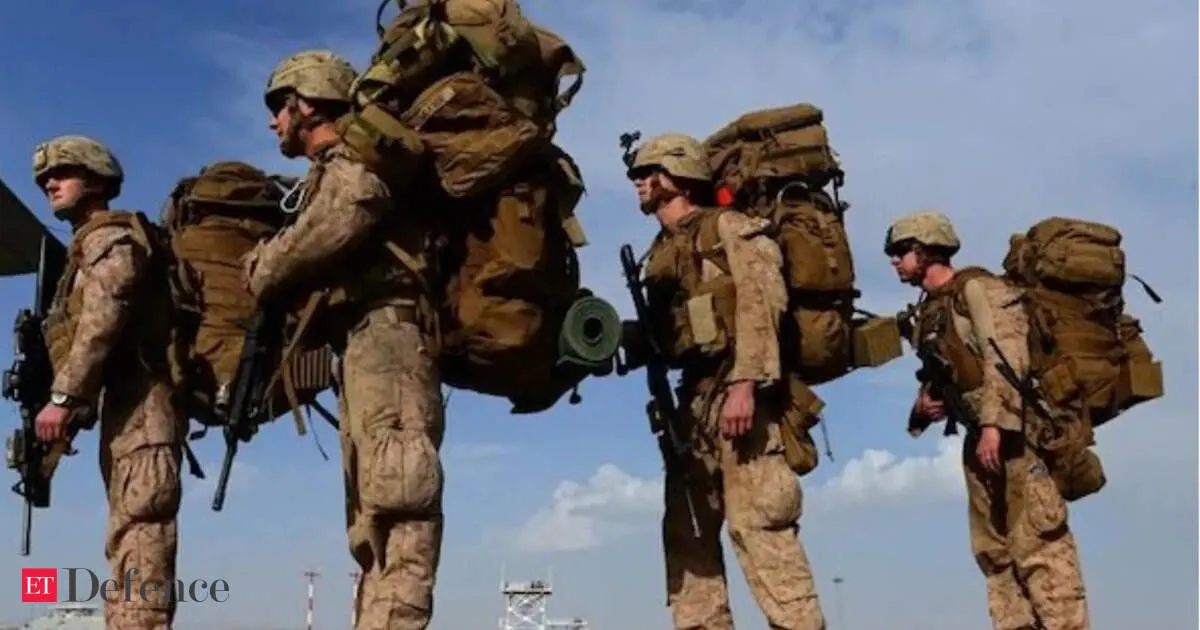
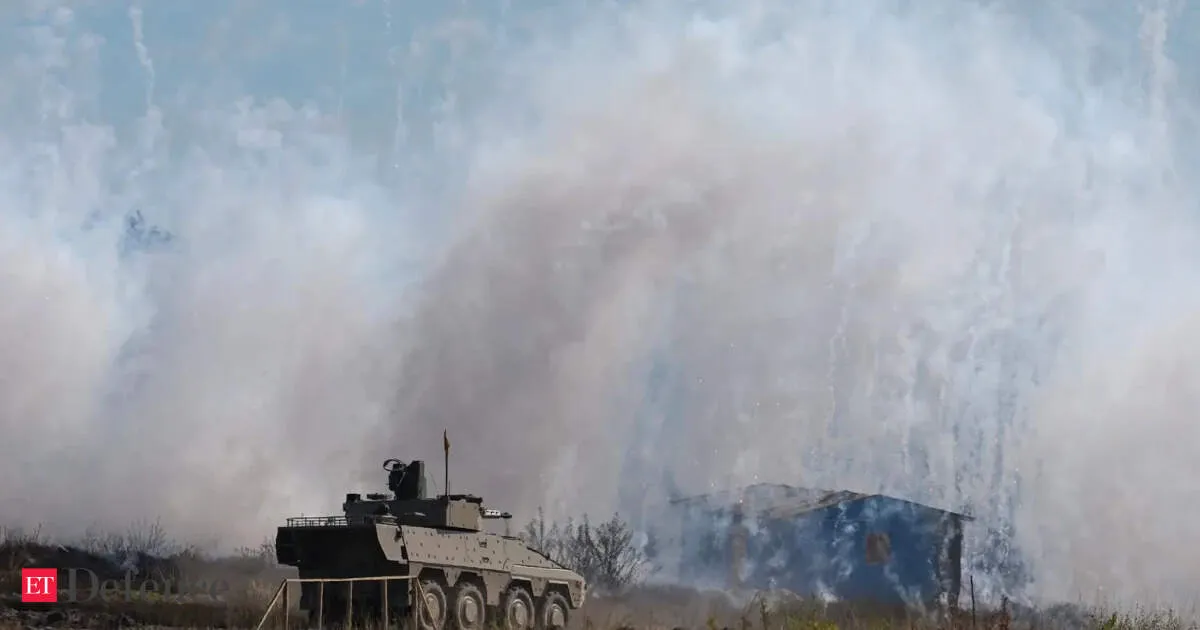
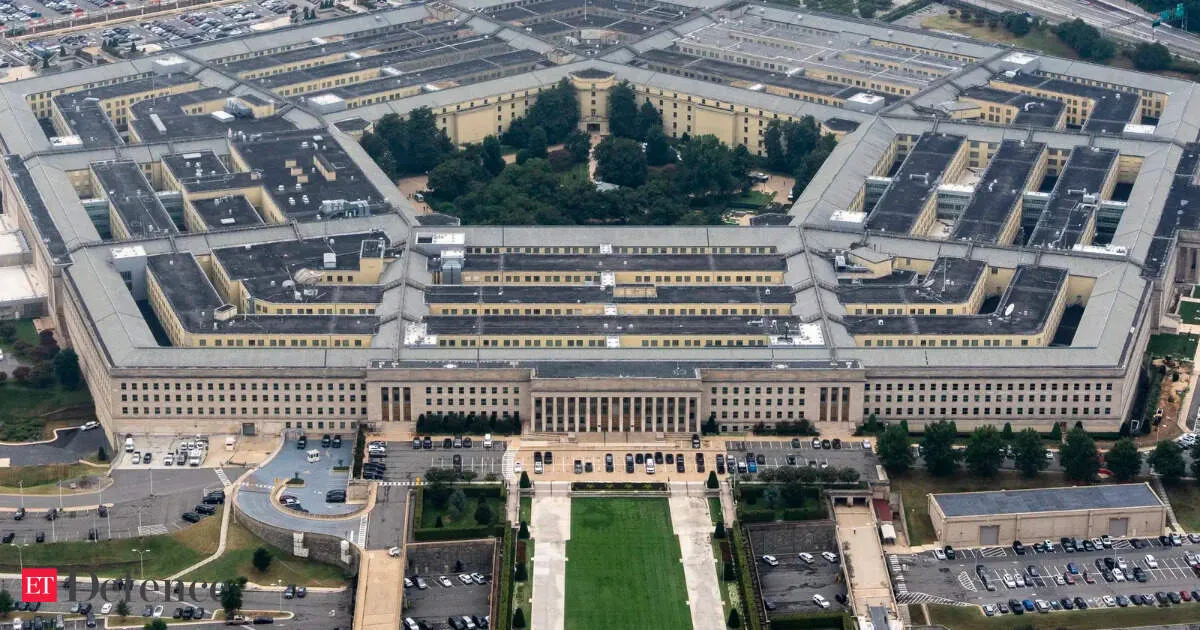
The Pentagon has canceled a planned temporary deployment of 4,000 U.S.-based troops to Poland, two officials told Reuters, adding new uncertainty to President Donald Trump’s anticipated troop cuts in Europe. The decision arrives only weeks after the Pentagon said it would withdraw 5,000 troops from NATO ally Germany. Polish Prime Minister Donald Tusk said he received assurances that security and deterrence would not be affected, with U.S. officials framing it as logistics for a larger Germany drawdown.
Volkswagen labor leaders in Germany have pledged they will not allow any factory closures, even as the automaker seeks to cut excess capacity. In a Reuters statement, works council head Daniela Cavallo and union leaders from IG Metall and regional unions anchored their stance in a 2024 restructuring agreement, calling its “red lines” non-negotiable. While they welcome proposals to secure under-used sites—possibly through plant-sharing or defense and Chinese partnerships—they warn they will fight anything that undermines job security and career prospects.
Your news, in seconds
Get the Beige app — every story in 60 words, updated hourly. Free on iOS & Android.
Germany is rolling out an “active cyberdefence” approach as online attacks keep rising. Under proposed laws, security services would be able to respond by targeting attacker infrastructure rather than only monitoring or blocking. Officials say AI is accelerating cybercrime, making it more professional and harder to deter. The plan aims to protect German firms and critical infrastructure.
EU officials are scrambling to lock in a US trade deal before July 4, but President Donald Trump’s personal anger over remarks from German Chancellor Friedrich Merz is injecting uncertainty. Trump has floated new tariffs on European cars, while the EU tries to settle disagreements over the deal’s terms and keep negotiations on track.
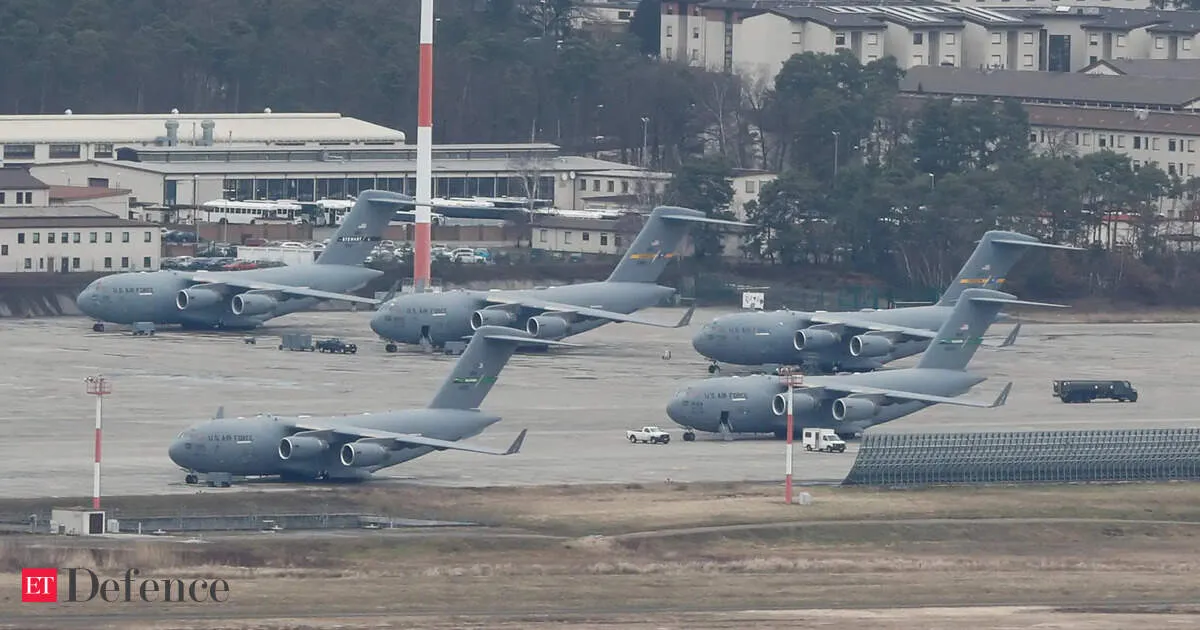
The US is preparing to withdraw 5,000 troops from its bases in Germany, a decision framed by Trump as a reset of American involvement in European security. German Defence Minister Boris Pistorius says the moment demands that European allies lead their own defence planning. The announcement is already intensifying friction between Washington and key European governments.
Donald Trump has said the US would reduce its troops in Germany “a lot further,” potentially exceeding the previously announced plan to withdraw 5,000 personnel. German Defence Minister Boris Pistorius warned that Europe must step up to defend itself, framing the shift as a test of European responsibility amid changing US commitments.
Never miss a story
Set alerts for the topics and sources you care about. Download Beige for free.
The U.S. decision to reduce troop numbers in Germany is being linked to Donald Trump’s widening anger at European leaders. Sources point to disputes over whether allies will back his campaign with Israel against Iran. Trump has reportedly taken aim at figures including Germany’s Chancellor Friedrich Merz, as well as leaders in Spain and the UK.
The US says it will withdraw about 5,000 troops from Germany, prompting Berlin to urge stronger European defence. Germany plans to expand its military and accelerate procurement, with the pullout expected within a year. The shift also compounds existing US-Europe trade tensions, while Poland warns the alliance could be destabilized.
NATO says it is working with the United States to understand Washington’s decision to cut about 5,000 troops in Germany. The move comes after a disagreement among leaders, with NATO stressing Europe’s rising defense investment and greater responsibility for shared security. Despite the uncertainty, the alliance says it remains confident in its deterrence and defense as Europe strengthens.
Germany’s defense minister said the withdrawal of US troops was anticipated, urging Europe to strengthen its own security. The Pentagon has outlined plans to leave about 5,000 soldiers over the next year amid worsening transatlantic tensions. The shift comes as President Trump signals possible tariff increases on European vehicles, adding pressure to already strained relations.
Reading on mobile?
Open Beige in the app for a smoother experience — free on iOS and Android.
Germany’s economy could take a major hit if Donald Trump follows through on higher US tariffs on European cars and trucks. The Kiel Institute estimates the auto sector may lose about 15 billion euros in output, underscoring how exposed German manufacturers are to US trade swings. Analysts also note Trump has previously backed away from tariff threats.
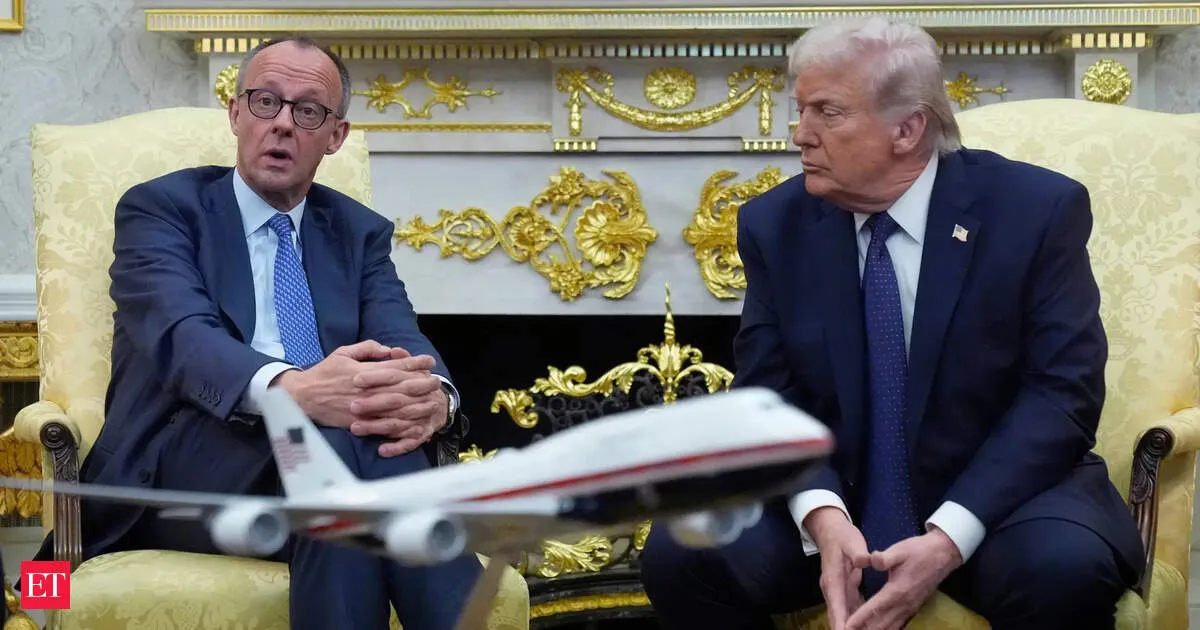
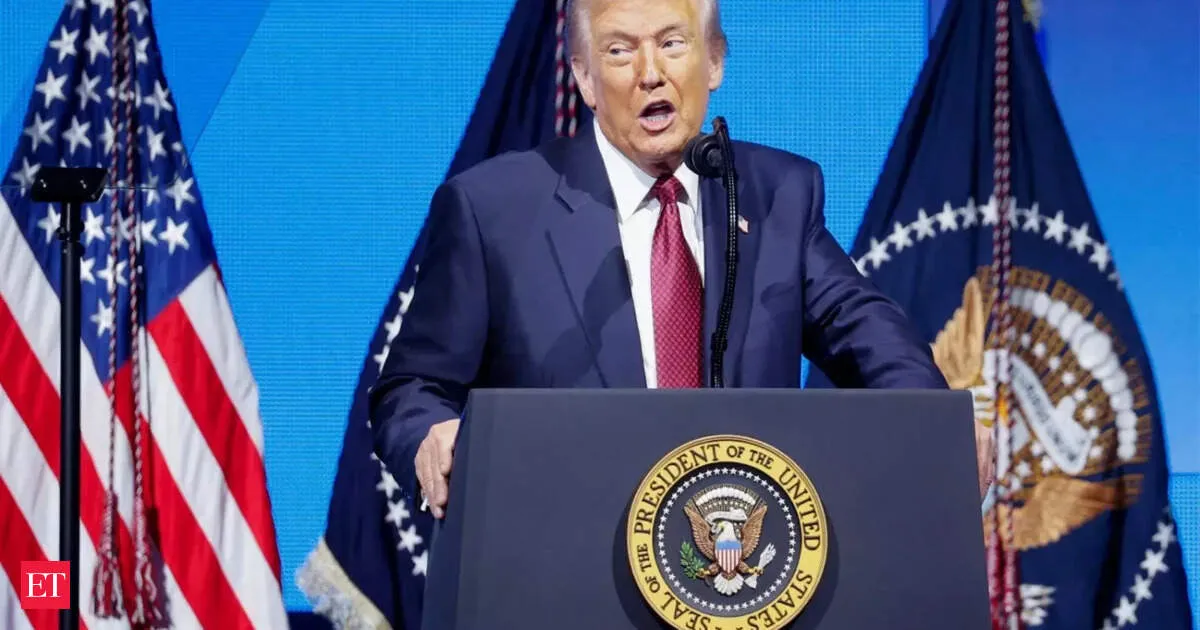
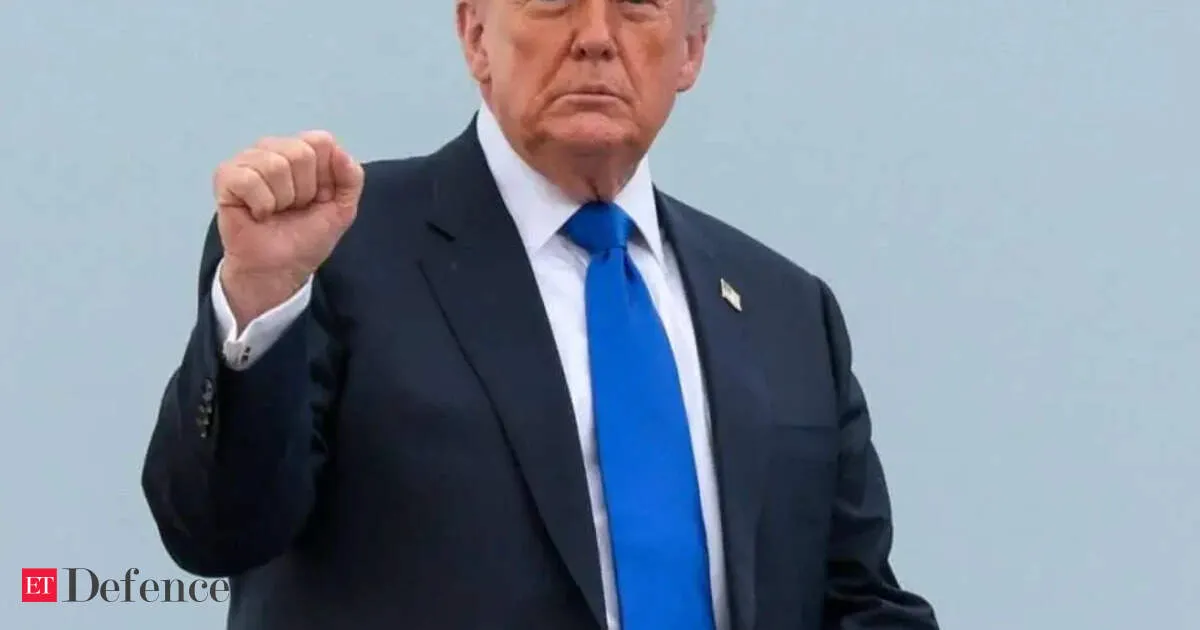
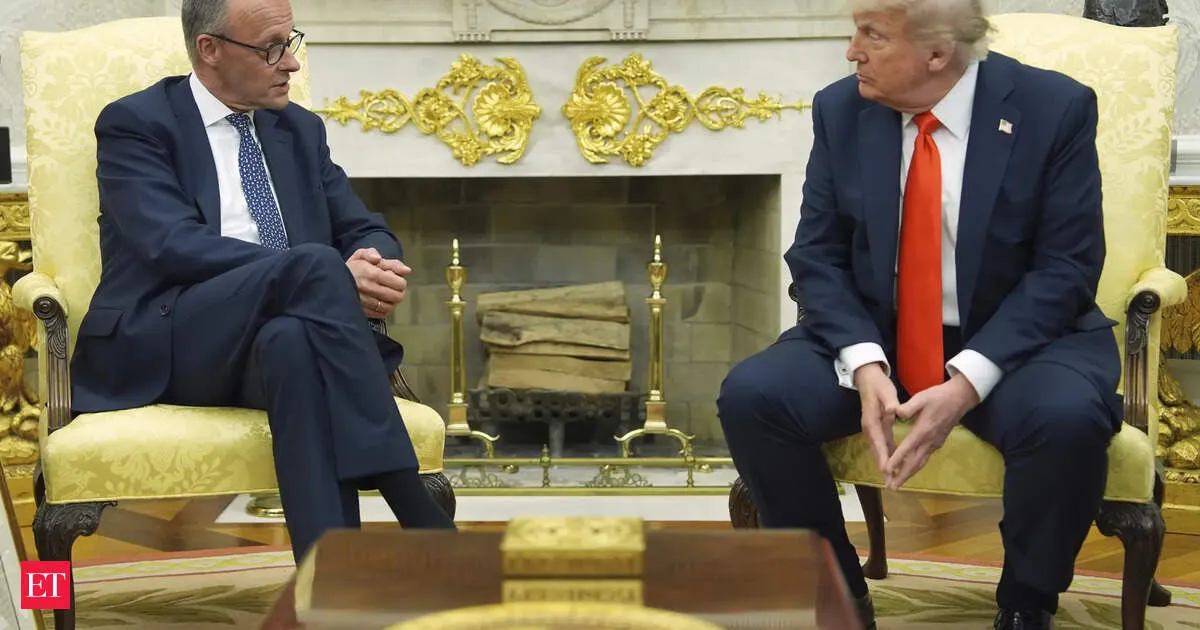
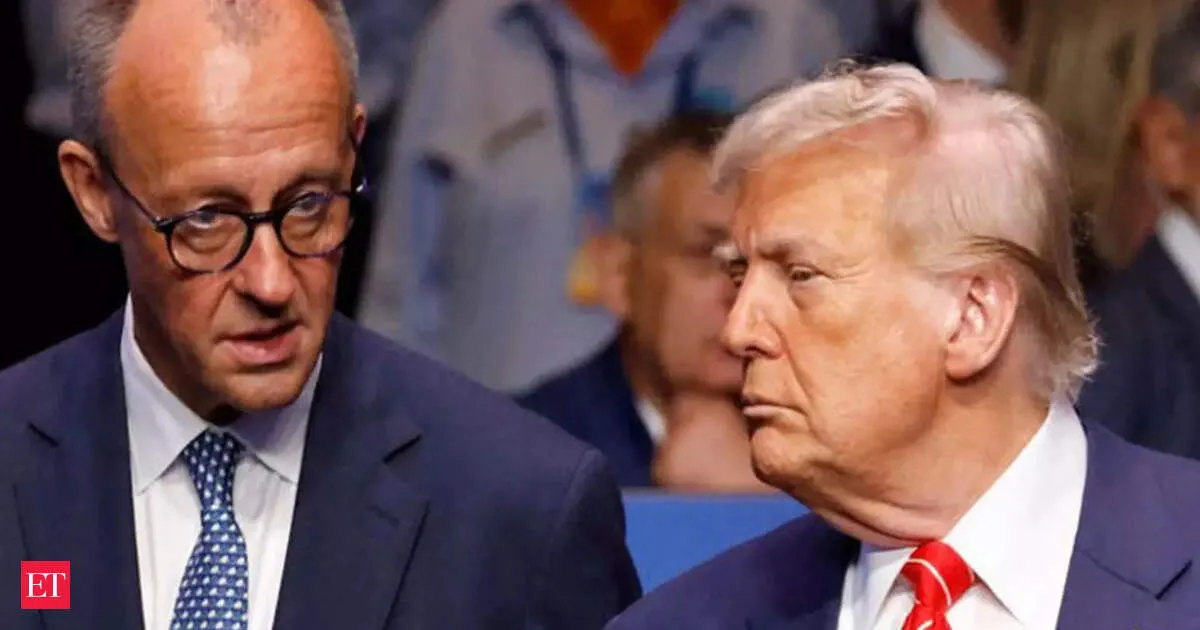
Trump has intensified friction with Europe after attacking German Chancellor Friedrich Merz over Merz’s criticism of the Iran war. Trump called him “totally ineffective” and warned he could cut the 36,400 U.S. troops stationed in Germany. The comments add to already strained transatlantic relations and raise questions about Europe’s security commitments to Washington.
President Donald Trump renewed his criticism of German Chancellor Friedrich Merz, urging him to focus on ending the Russia-Ukraine war and fixing issues at home such as immigration and energy. Trump also alleged Merz is interfering with international efforts to counter Iran’s nuclear threat, arguing that those actions make the world safer.
Donald Trump has threatened to reduce US troop presence in Germany, pointing to a dispute with Chancellor Friedrich Merz. The clash reportedly follows differing views on the war with Iran and its wider economic fallout. Merz has warned that the conflict could hurt global growth, while Trump has previously pushed Germany on defense spending—despite the US still operating major facilities there.
Follow your favourite sources
Track sources, tags and categories — all in the Beige app.
President Trump sharply criticized German Chancellor Friedrich Merz over his remarks on the Iran conflict, alleging Merz misread Tehran’s nuclear ambitions and distorted Trump’s stance. Merz had earlier questioned US strategy while describing Iran’s leadership as able to “humiliate” Washington, intensifying tensions as concerns over nuclear escalation resurface.
US President Donald Trump sharply criticized German Chancellor Friedrich Merz, accusing him of misunderstanding Iran’s situation. The backlash follows Merz’s rebuke of the US over its handling of the conflict, with Trump taking aim at Merz’s comments suggesting Iran could have nuclear weapons. The sharp exchange underscores widening foreign-policy friction between Washington and Berlin.
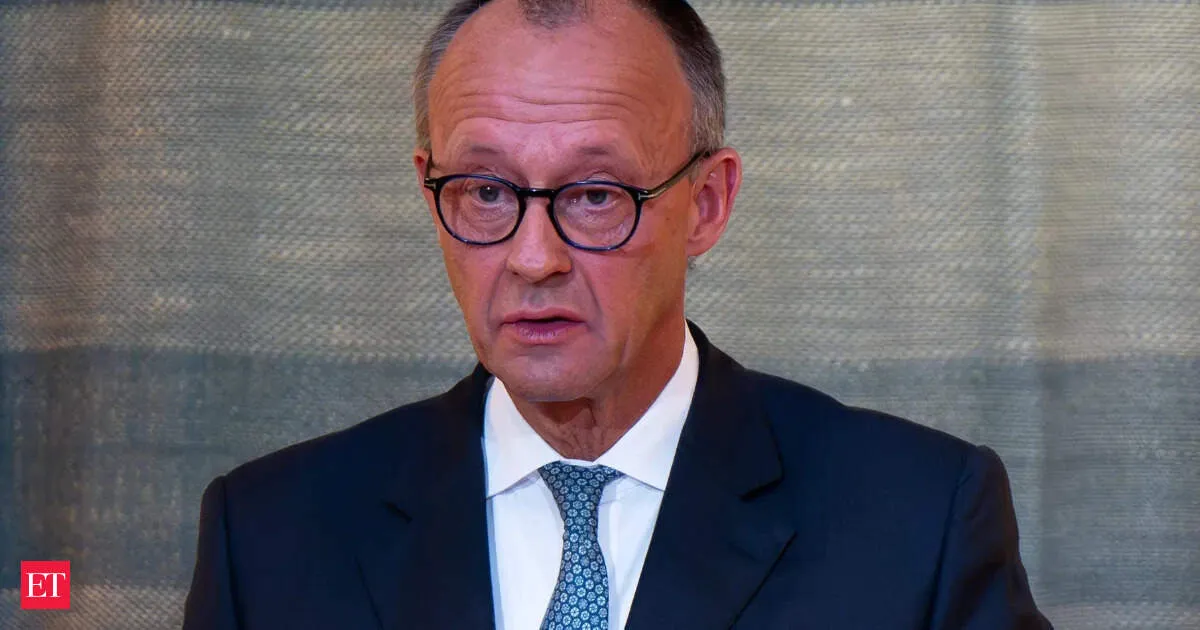
Chancellor Friedrich Merz’s approval has fallen sharply as his government approaches its first anniversary. Recent surveys show Germany’s far-right AfD leading in national voting intentions, while public satisfaction with Merz’s leadership remains weak. Economic pressures and coalition infighting are compounding the problem, and upcoming eastern state elections could further strengthen AfD momentum.
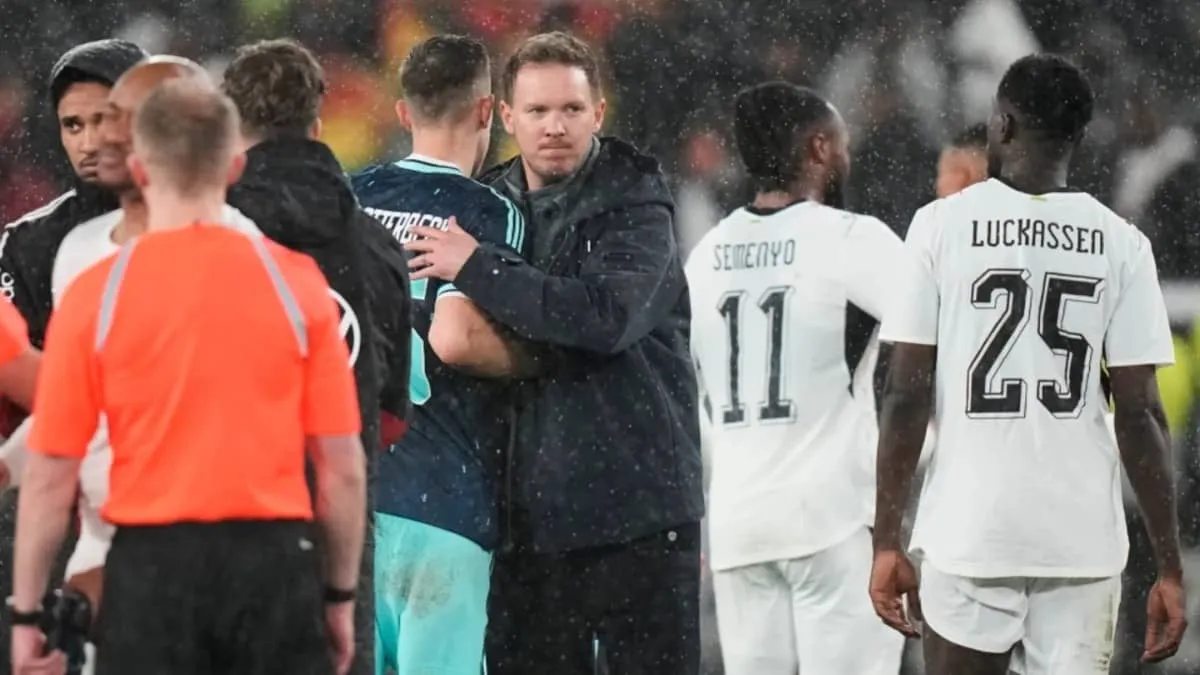
Germany has postponed its FIFA World Cup 2026 squad announcement by nine days due to injury concerns. Coach Julian Nagelsmann, originally set to name the squad in Frankfurt on May 12, is now waiting longer so players can recover and prove fitness after the final Bundesliga day, potentially altering who makes the cut.
Stay informed on the go
Bite-sized news from 100+ trusted sources, right in your pocket.
Germany’s 10-year bond yield edged to a two-week high as oil prices climbed and the Strait of Hormuz stayed effectively shut. Traders appear to be positioning for a scenario where weak growth and high inflation persist longer than expected, keeping upward pressure on yields.
Germany’s military says it will not award new contracts to Palantir at this time, citing serious concerns over granting industry staff access to national databases. A senior cyber official told Handelsblatt that such access is currently “inconceivable,” even as Palantir’s AI system is preparing for long-term use by the US Pentagon.
Swipe through stories, personalise your feed, and save articles for later — all on the app.