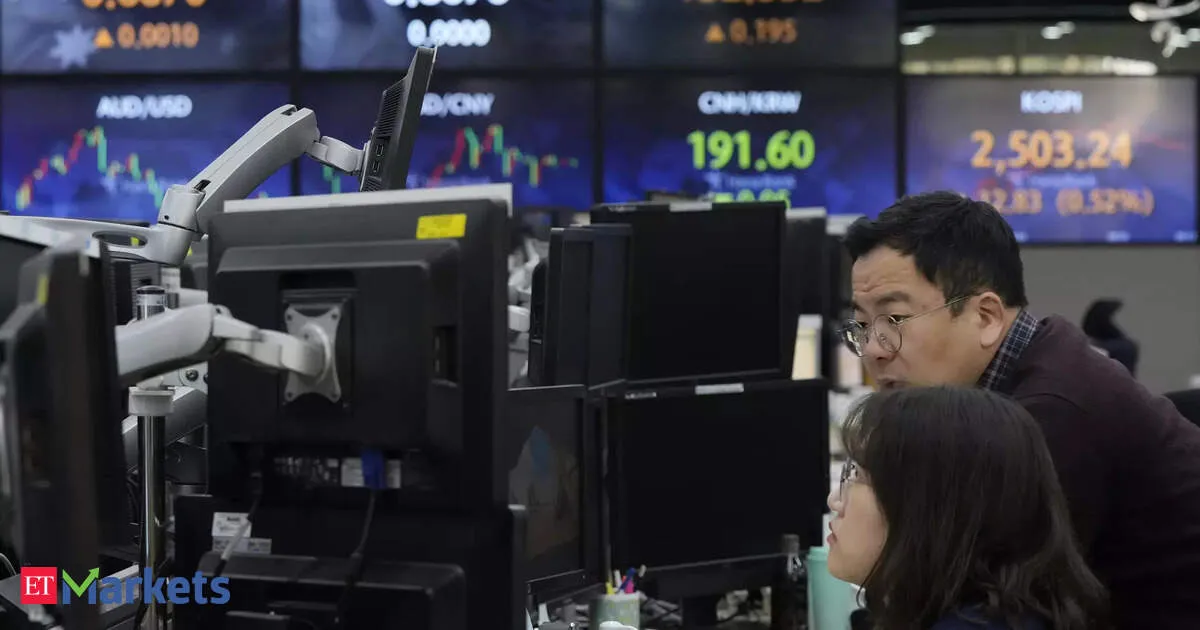
Asian shares traded mixed today as renewed US Iran hostilities reignited Middle East fears. Crude prices jumped above $115 a barrel after fighting disrupted a ceasefire, raising expectations of further escalation. Traders now brace for volatility in energy and industrial activity, alongside higher geopolitical risk premiums across markets.
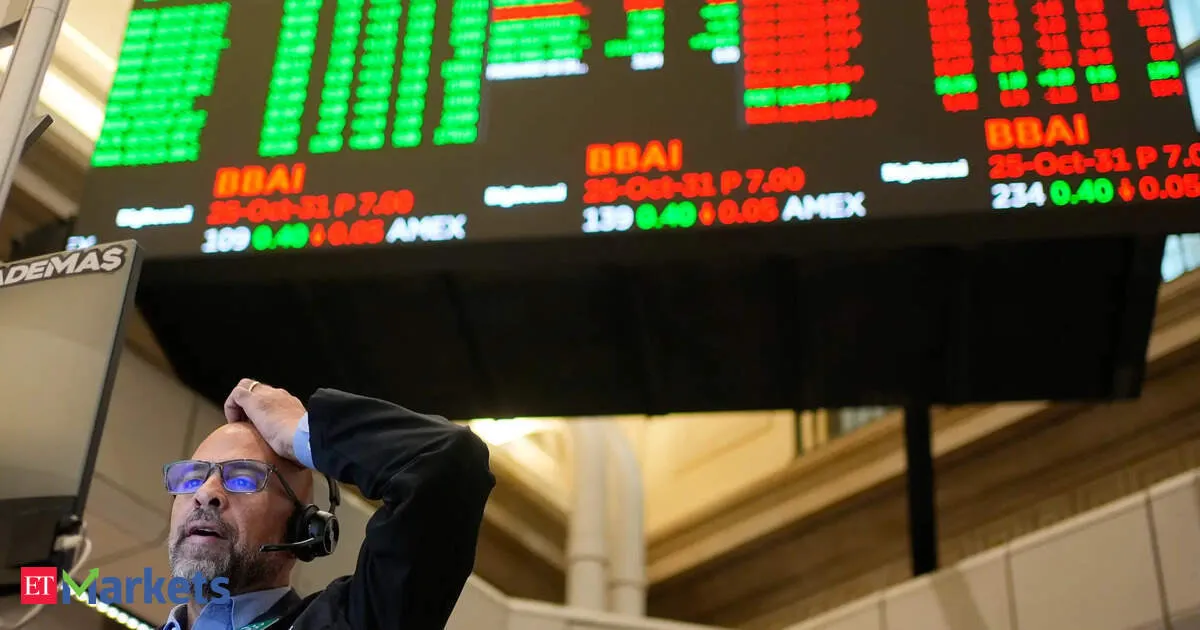
US stock indexes slipped from record highs as a blast involving a South Korean ship in the Strait of Hormuz reignited Middle East tensions. The move came even as first-quarter earnings remained strong, with investors prioritizing escalating geopolitical risk. Energy stocks rose on the confrontation, while broader market optimism faded amid fear of disruption.
Your news, in seconds
Get the Beige app — every story in 60 words, updated hourly. Free on iOS & Android.
US markets stayed steady despite geopolitical uncertainty, with strong corporate earnings and a stable labor market offsetting investor concerns. While hopes for negotiation linger, unpredictable political rhetoric and the possibility of oil price spikes remain key threats, particularly for emerging economies such as India. Still, compared to past decades, today’s economies are better prepared—though caution is warranted.
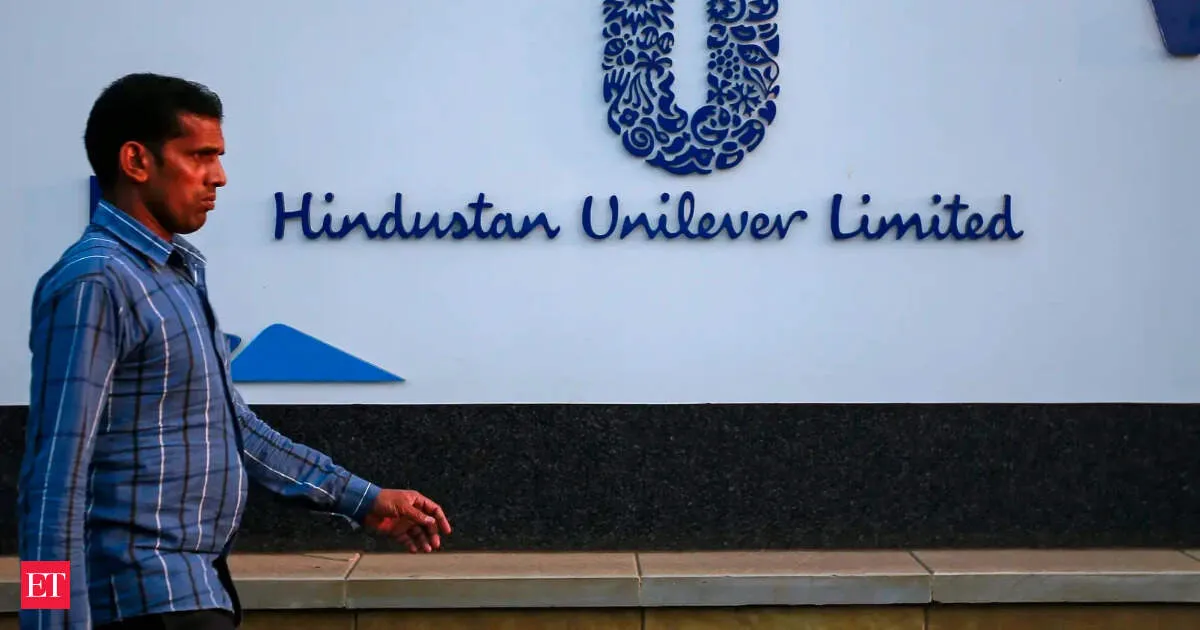
Hindustan Unilever reported solid March-quarter profit, but warned that rising geopolitical risk could lift costs. The conflict in Iran is expected to pressure commodity prices and also affect currency stability. To cope, the company is tightening spending and recalibrating pricing strategies, signaling more uncertainty ahead for FMCG margins.
ICRA Analytics says gold ETFs are drawing sharply more investor money as geopolitical worries mount and gold prices keep rallying. Assets under management have grown to about Rs 1.71 lakh crore, with nearly 65% CAGR over five years. In March 2026 alone, inflows jumped to ₹2,266 crore, signaling a stronger shift toward safe-haven portfolios.
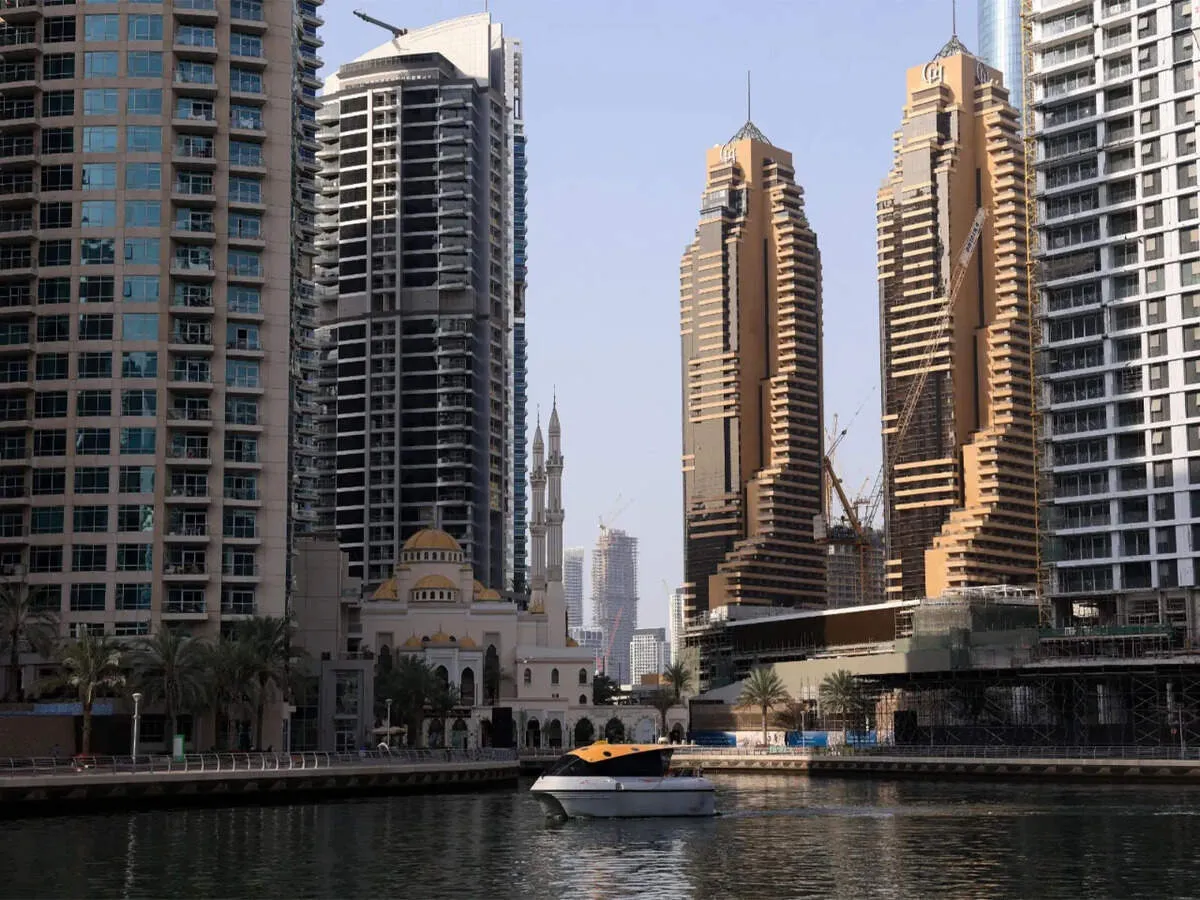
Dubai’s real estate market is facing headwinds as geopolitical tensions hit buyer sentiment, especially among entry-level buyers. Sales are slowing across segments, and deals are taking longer to finalize. To stimulate demand, developers are introducing buyer-friendly packages such as flexible financing and fee waivers, betting incentives can restart stalled transactions.
Never miss a story
Set alerts for the topics and sources you care about. Download Beige for free.
Gold ETFs logged record net inflows of ₹68,867 crore in FY26, up 4.5x and a 364% year-on-year jump. Geopolitical risks and equity market volatility pushed investors toward the yellow metal, with gold ETFs capturing close to 10% of total mutual fund inflows—far outpacing equity and debt funds.
SEBI has granted a one-time extension for the validity of IPO observation letters, extending them to September 30, 2026. The move is aimed at companies struggling to raise capital amid Middle East geopolitical tensions, shifting investor sentiment, and volatile markets, allowing smoother timelines while requiring conditional compliance to avoid disruptive regulatory re-filings.
Nomura, Japan’s largest investment bank, logged a record annual profit for the second year running, driven by strength in wholesale markets and domestic wealth management. Even as the Iran-US conflict raises geopolitical concerns, the firm says it expects no structural disruption to Japan’s longer-term growth drivers, including overseas expansion and coping with a shrinking population.
Swipe through stories, personalise your feed, and save articles for later — all on the app.